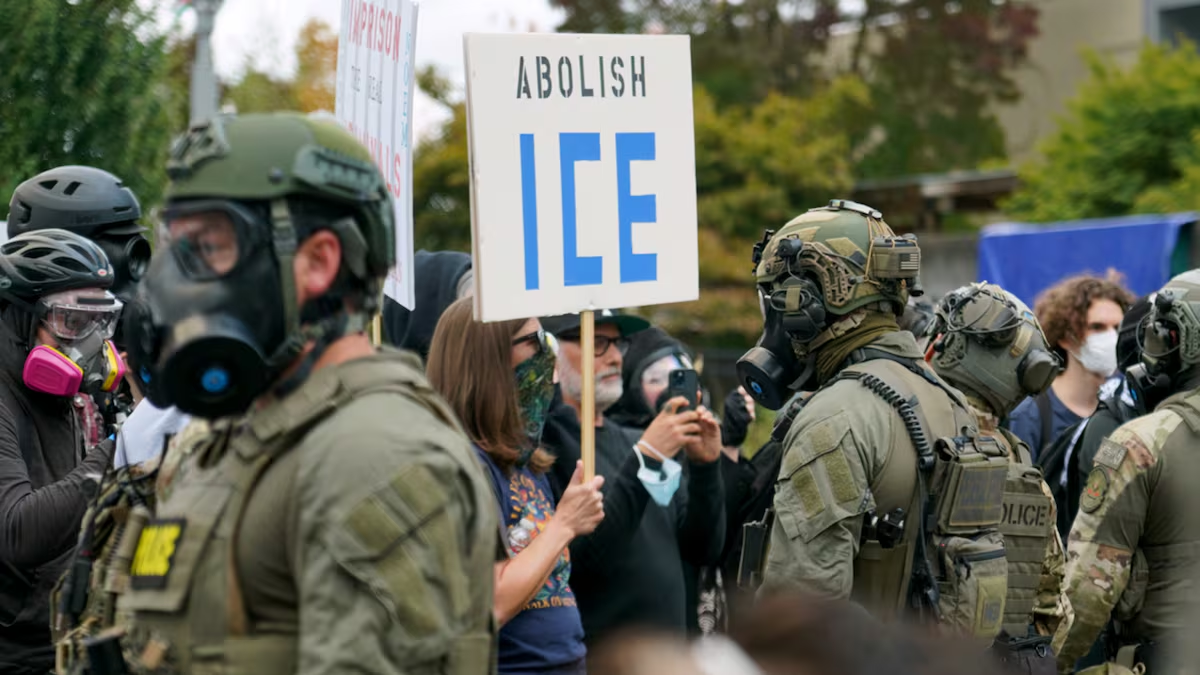
Portland experienced a tumultuous weekend with protests at the ICE facility, federal law enforcement using tear gas, and legal battles over the deployment of National Guard troops, with courts blocking the Trump administration's efforts and ongoing demonstrations continuing into Sunday.
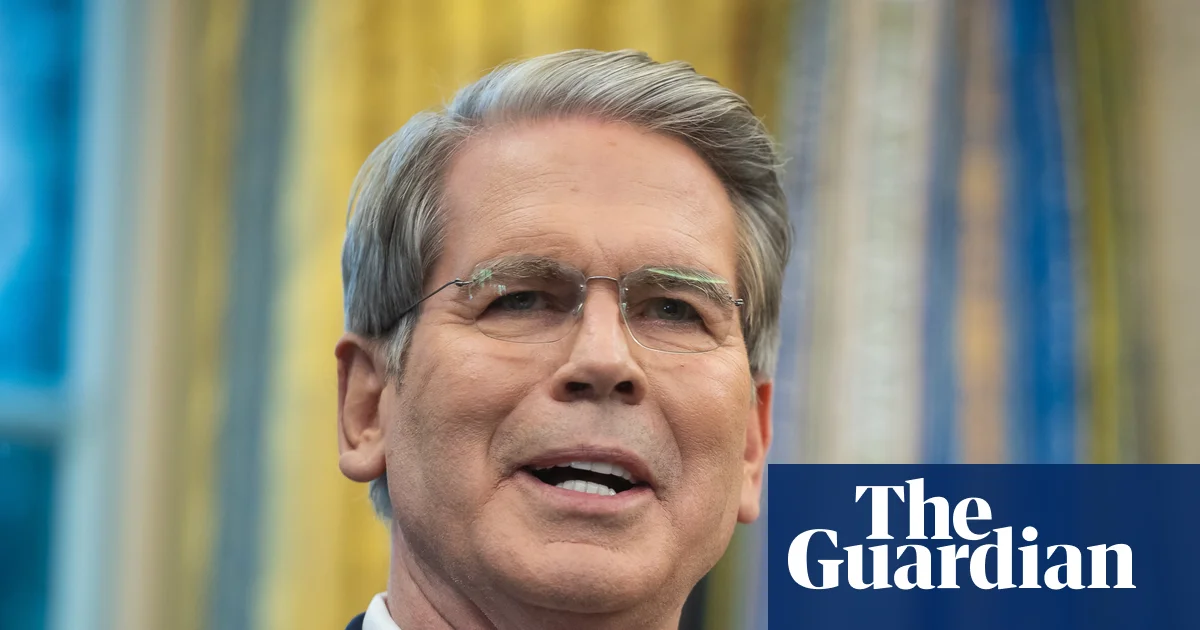
US Treasury Secretary Scott Bessent denies that Trump's tariffs are a tax on Americans, dismissing concerns from companies and highlighting strong economic indicators, despite court rulings and job losses in manufacturing attributed to the tariffs.
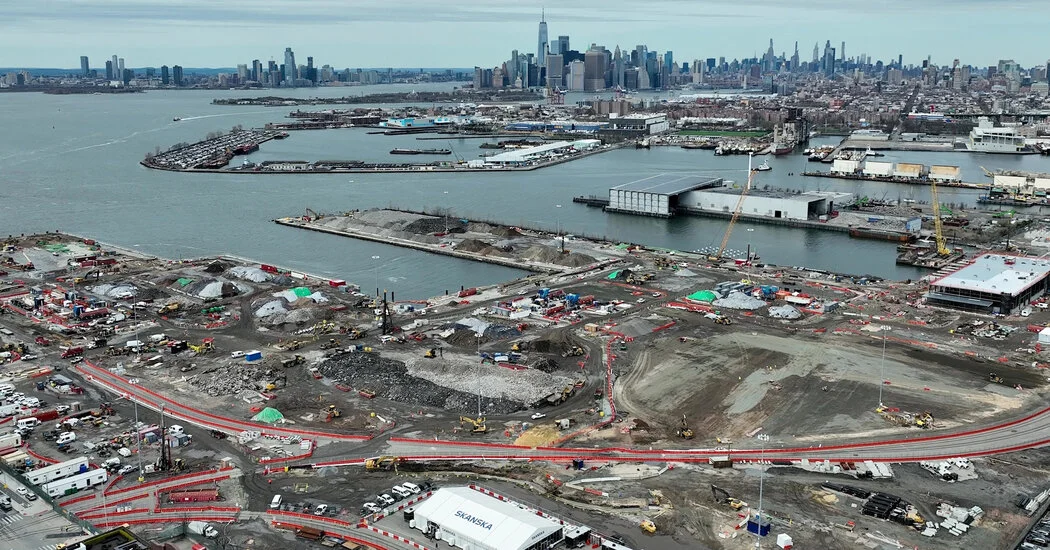
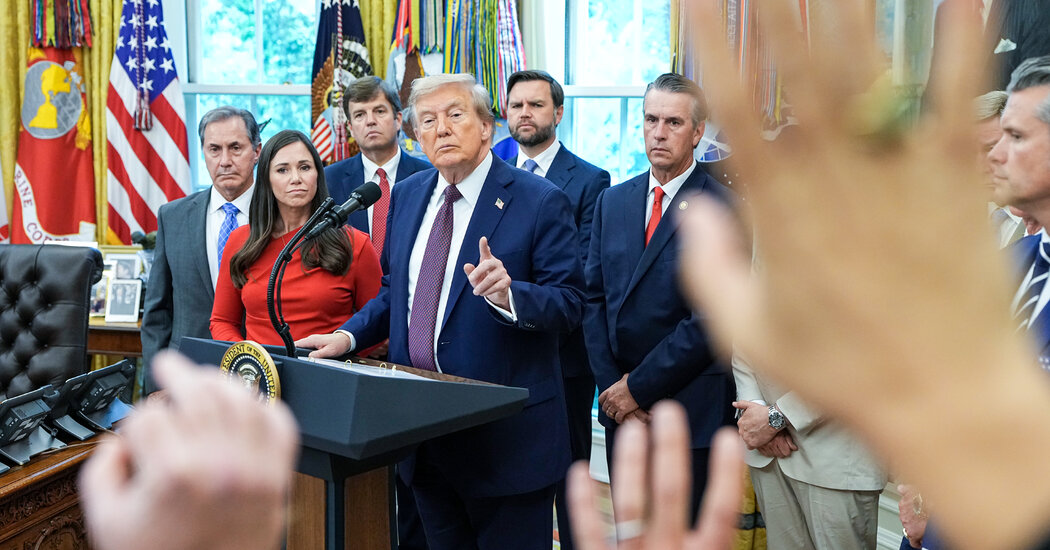
The article covers recent developments including D.C.'s management of federal law enforcement, a homeless census, political statements by Trump and Jeffries, legal battles over climate funds, and the relocation of the U.S. Space Command headquarters, highlighting ongoing tensions between federal and local authorities and political figures.
A federal judge ruled that the Trump administration unlawfully withheld visas from individuals selected through a diversity lottery due to the travel ban, affecting applicants from several countries, and ordered the State Department to process the remaining applications expeditiously.
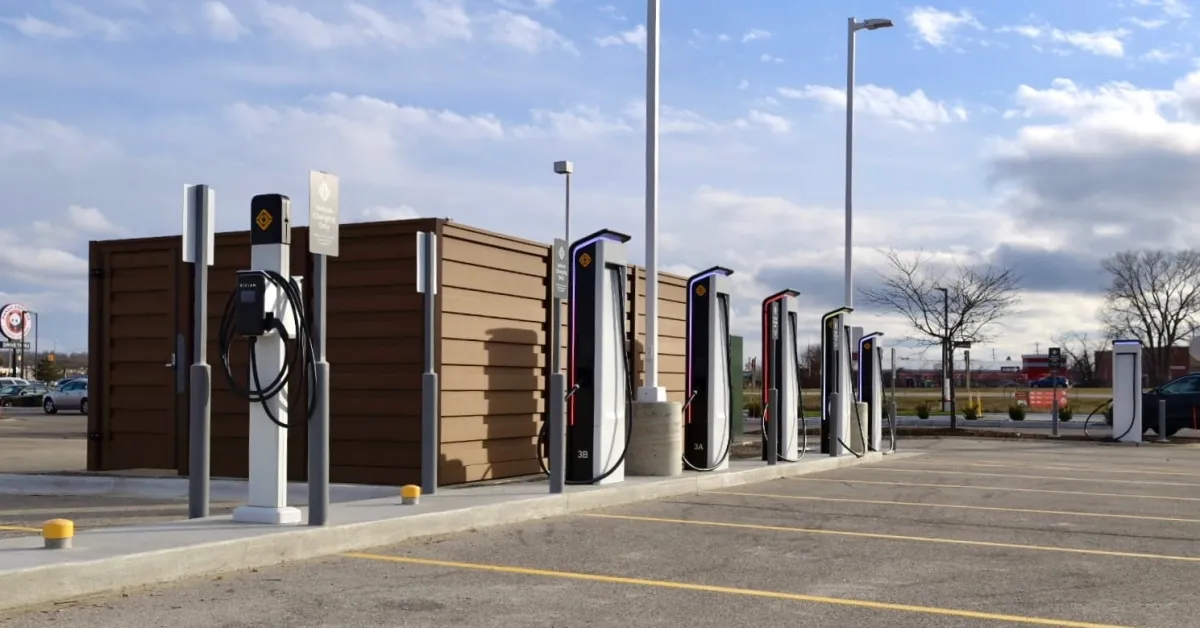
A federal court ordered the release of $5 billion in NEVI funds that had been illegally frozen by the Trump administration, aiming to expand and improve electric vehicle charging infrastructure across the US, with a focus on standardization and accessibility, though some states are still working to access these funds.
A federal judge has invalidated a Biden administration policy that allowed undocumented immigrants married to U.S. citizens to obtain green cards without leaving the country. The policy, known as "Keeping Families Together," was challenged by several states led by Texas, arguing it bypassed Congress and imposed financial burdens on states. The ruling, by Judge J. Campbell Barker, appointed under the Trump administration, stated the policy exceeded statutory authority. The Biden administration may appeal the decision, which affects an estimated 500,000 spouses and 50,000 stepchildren.
A federal judge has struck down the Biden administration's 'parole in place' policy, which provided legal status and deportation protection to certain undocumented spouses and stepchildren of US citizens. The policy, challenged by Texas and 15 other states, was deemed beyond the executive branch's authority by US District Judge J. Campbell Barker. This decision affects an estimated 750,000 to 800,000 people and is part of broader legal challenges to Biden's immigration policies.
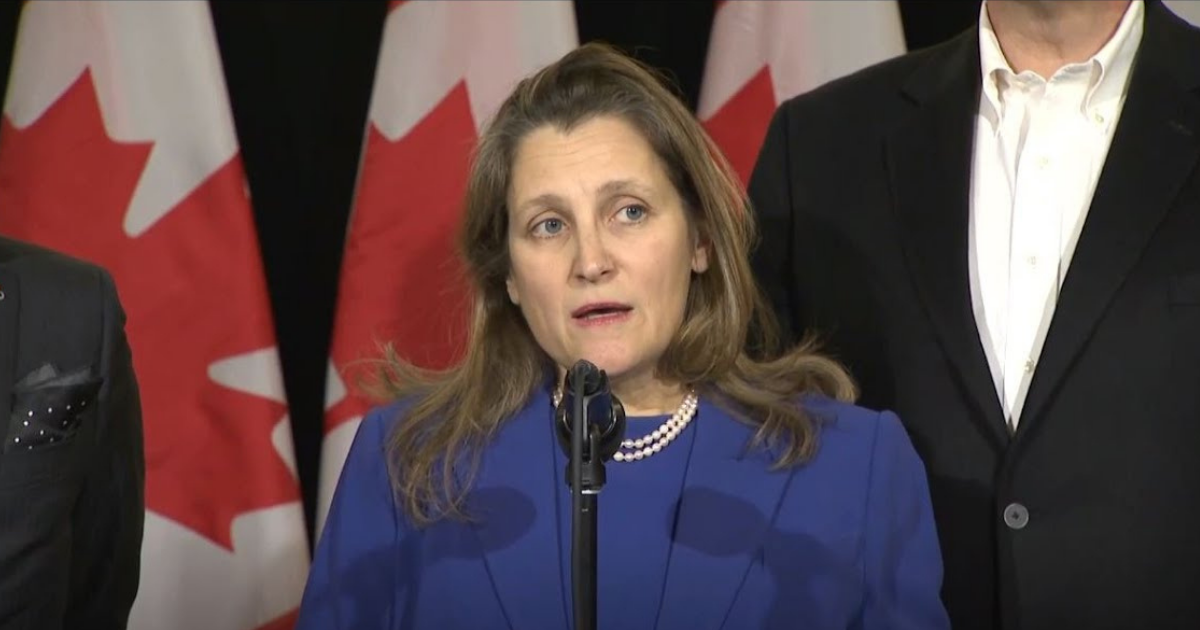
Deputy Prime Minister Chrystia Freeland has announced the government’s intention to appeal the Federal Court ruling that deemed the use of the Emergencies Act, used to disperse Freedom Convoy protestors, unconstitutional. The court found violations of Charter rights and government overreach, prompting criticism from Conservative leaders and the Canadian Constitution Foundation. Despite the ruling, Freeland maintains that the government's use of emergency powers was necessary and will be appealing the decision.
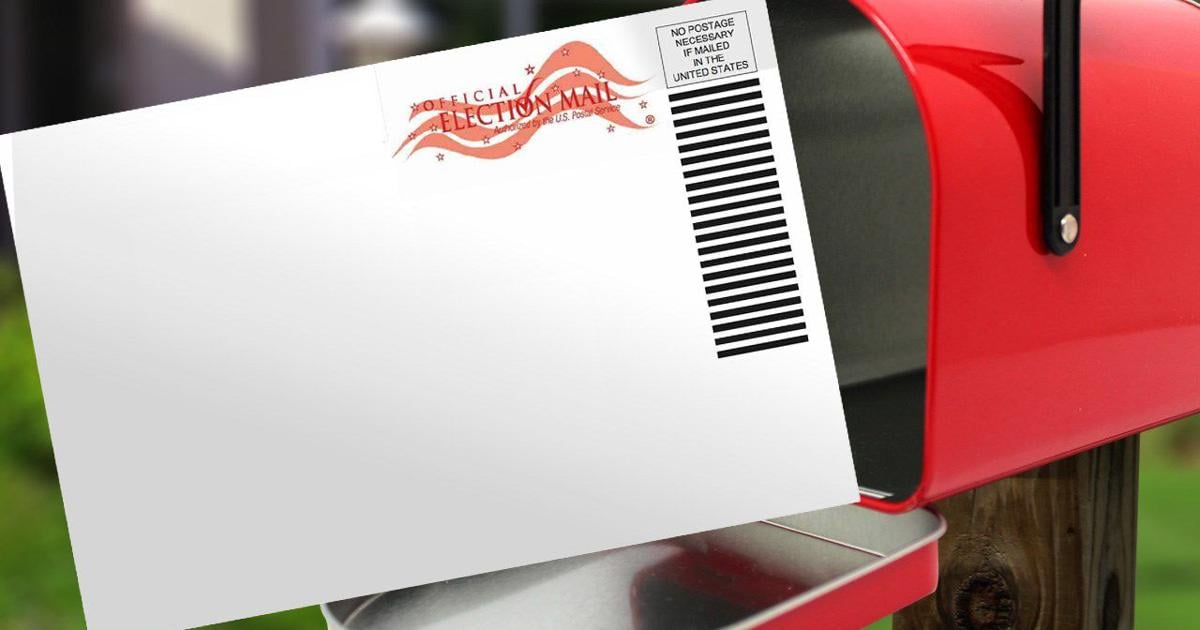
A federal court in Pennsylvania has ruled that mail-in ballots without a handwritten date or with an incorrect date on the return envelope must still be counted, stating that not doing so would violate the Civil Rights Act. The ruling came in response to a lawsuit filed by voting rights advocacy organizations and individual voters, represented by the ACLU of Pennsylvania. The court deemed the handwritten-date requirement unnecessary, as election officials can determine if the ballot was received on time.
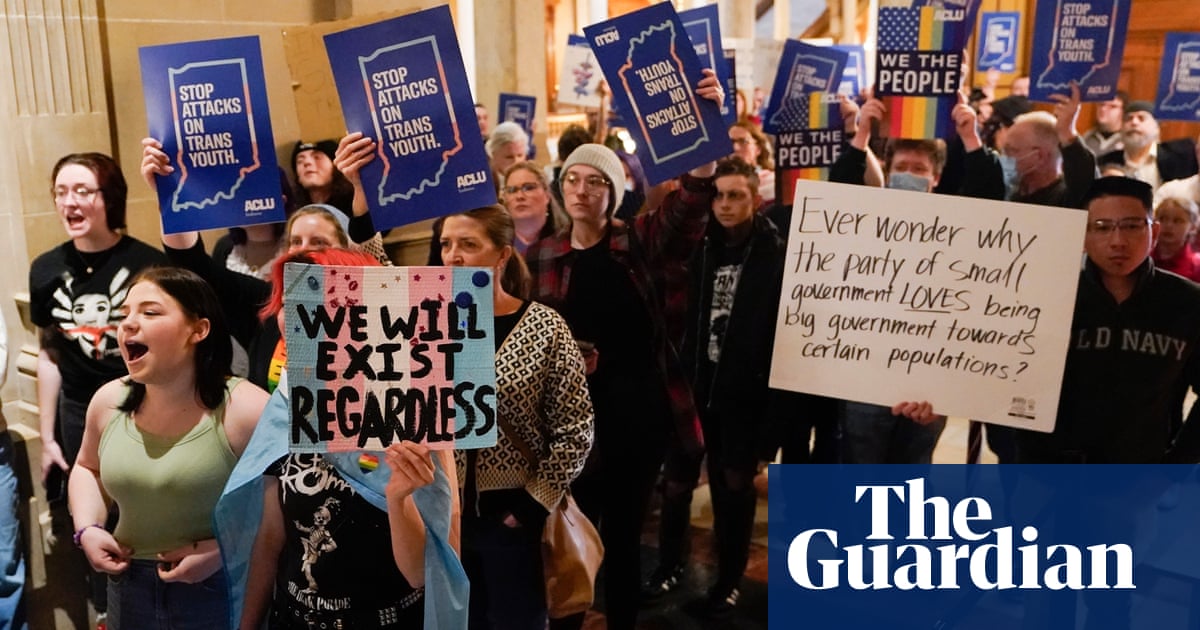
A federal appeals court has upheld a lower court ruling that transgender students in Indiana must have access to bathrooms and locker rooms consistent with their gender identities. The ruling, which applies to the Metropolitan School District of Martinsville and the Vigo County Schools, was welcomed by the American Civil Liberties Union of Indiana. The court opinion suggests that the US Supreme Court will likely step in to provide further guidance on transgender rights. While Indiana does not have laws restricting bathroom access for transgender students, nearly a dozen other states have enacted such laws. The case was originally brought by the ACLU and Indiana Legal Services on behalf of a transgender student.