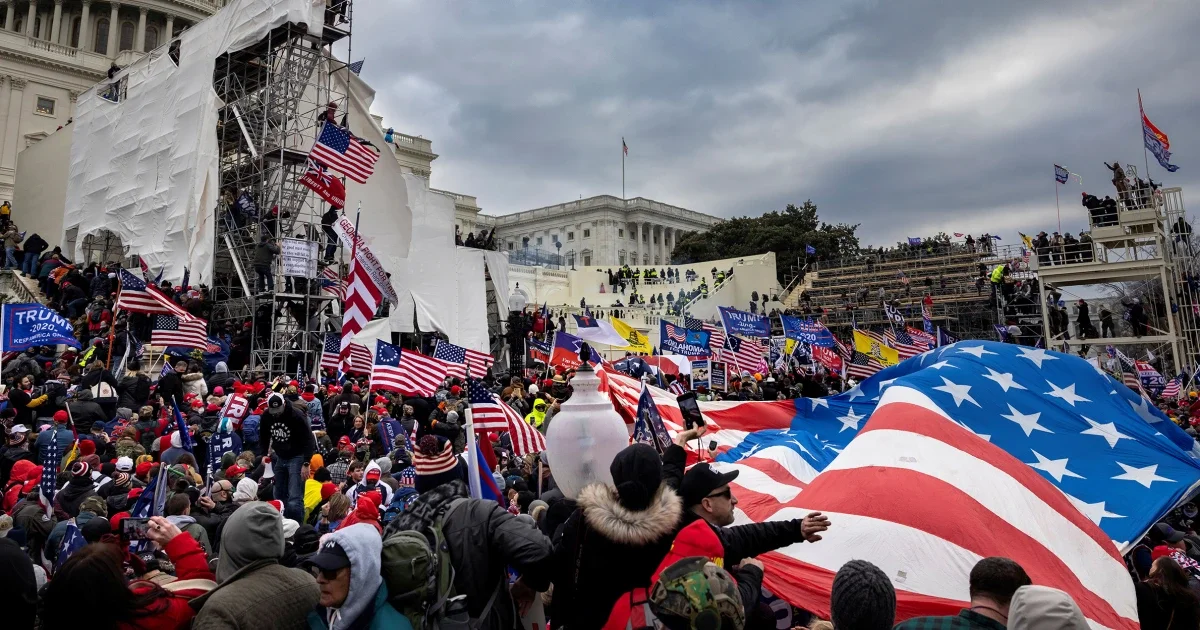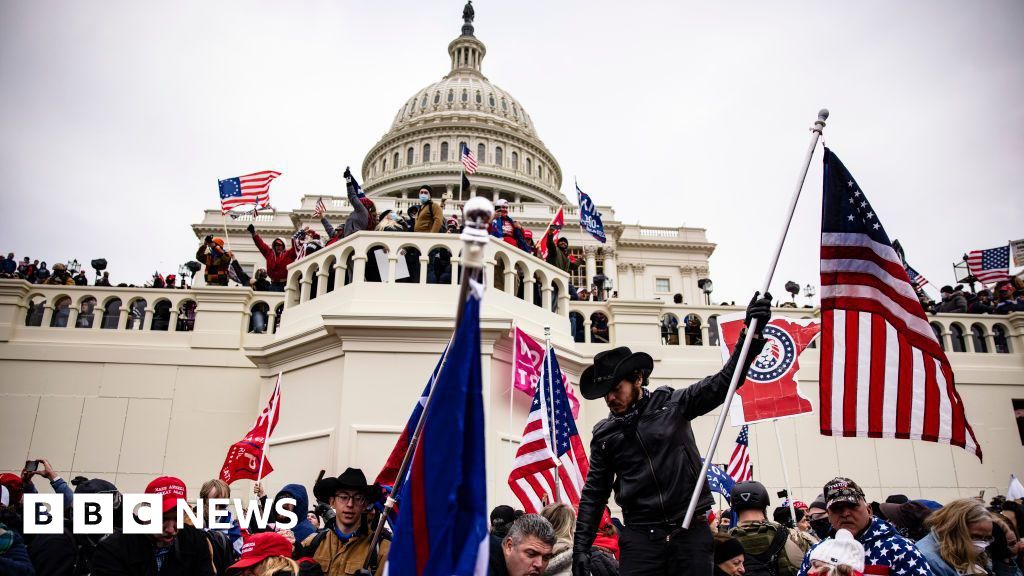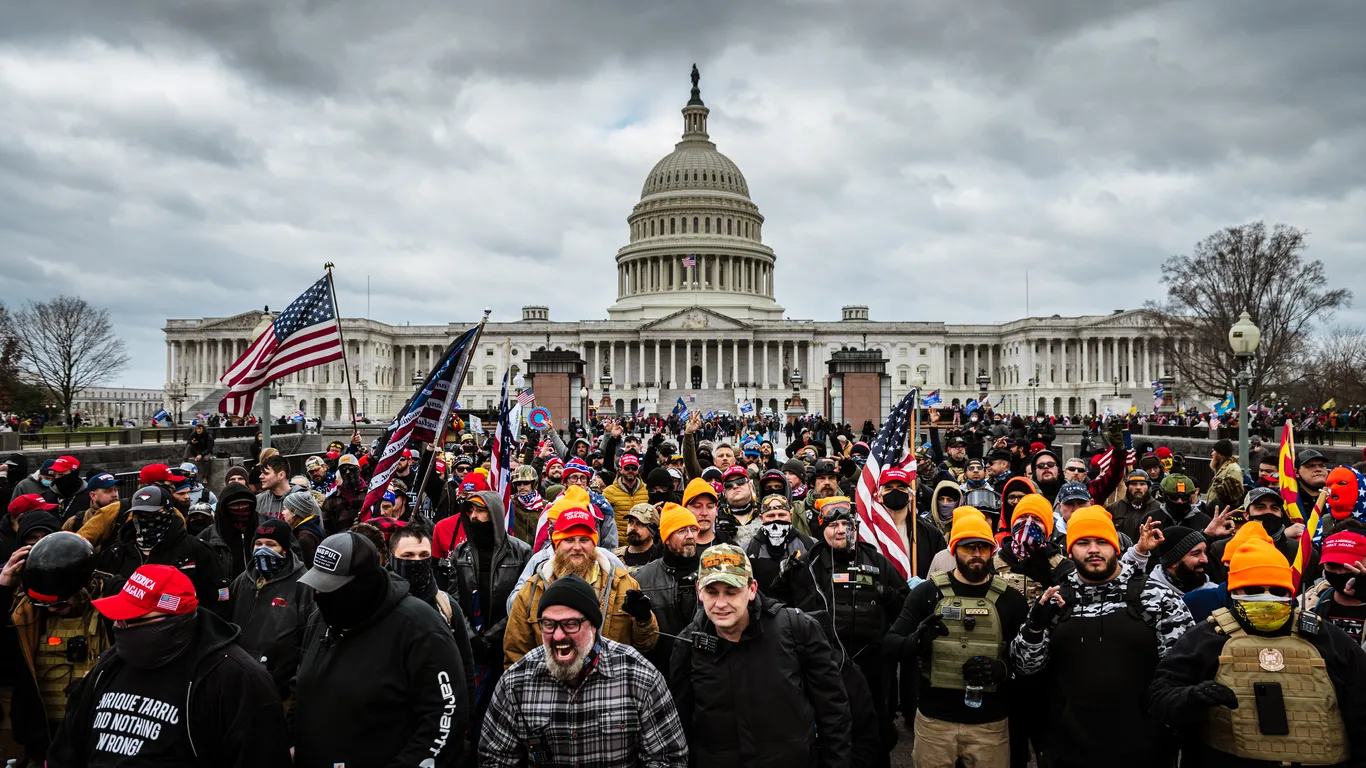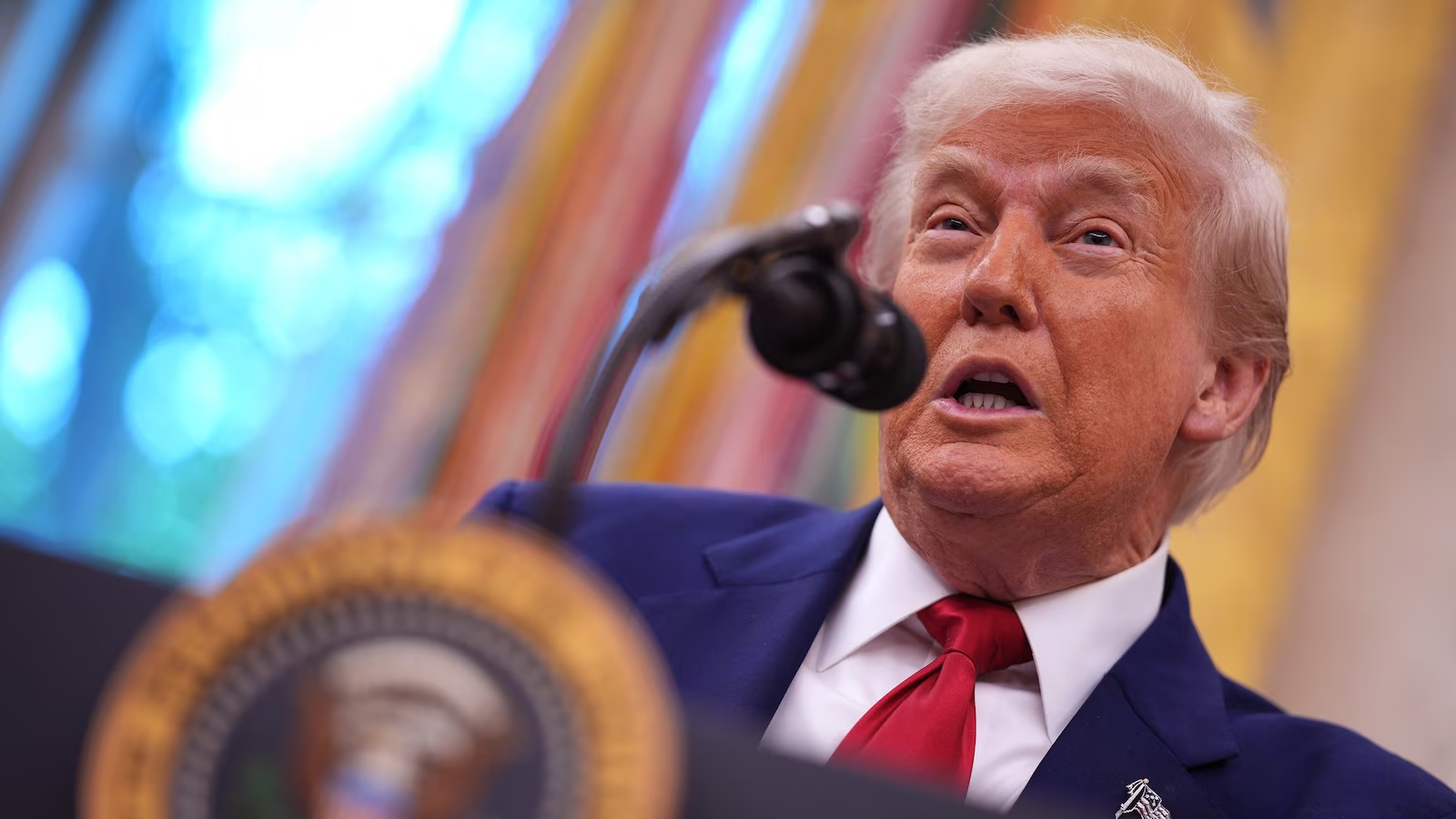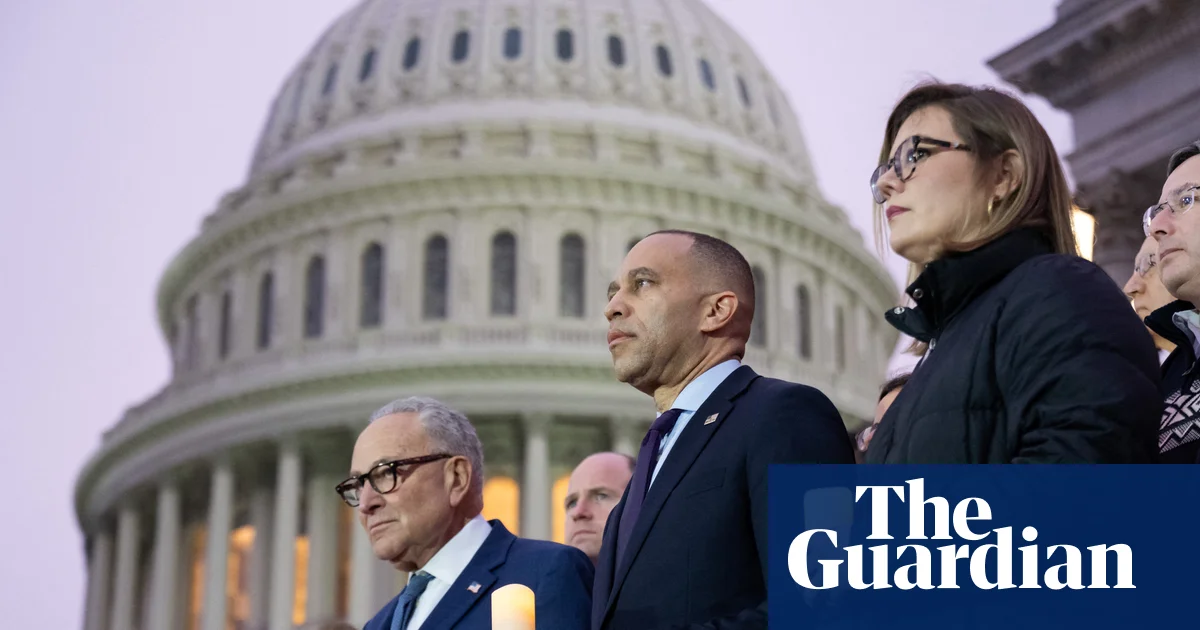
On the fifth anniversary of the January 6 Capitol attack, Democrats condemned Trump and his supporters, highlighting ongoing threats to democracy and criticizing pardons for rioters, while Republicans largely remained silent or downplayed the events, reflecting ongoing political divisions.
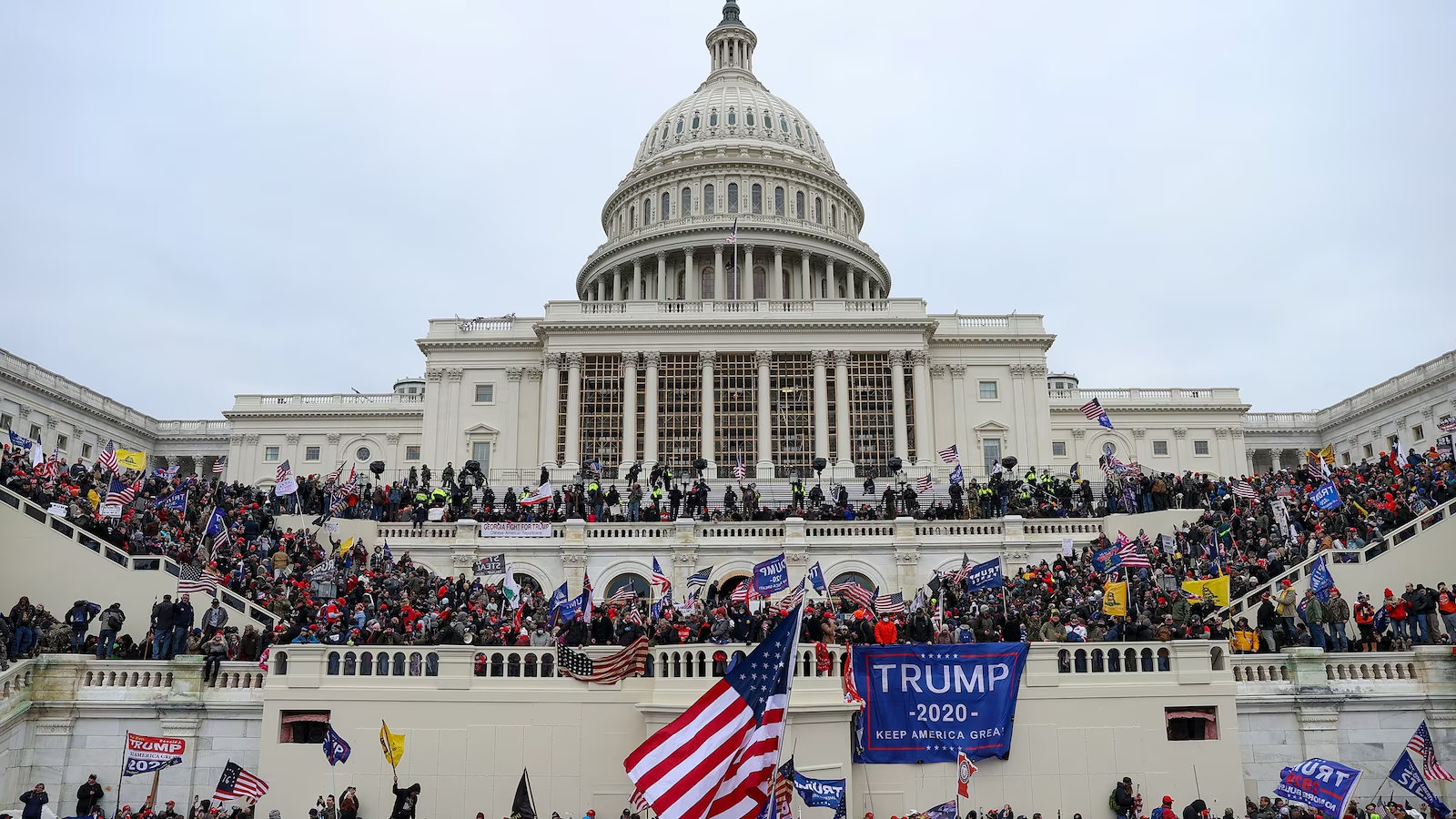
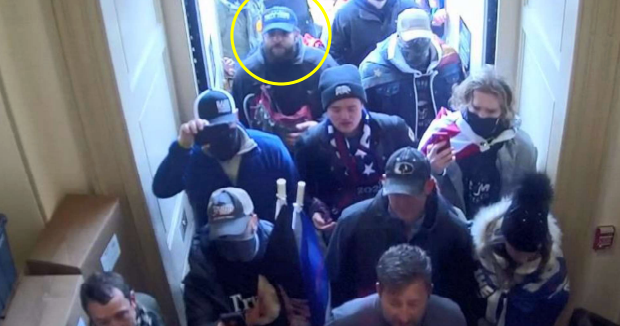
Ahead of the five-year anniversary of the Jan. 6 Capitol attack, a report by House Democrats highlights the aftermath during Trump's second term, including widespread pardons for defendants, the firing of Justice Department officials involved in the investigation, and the rise of individuals linked to the attack into influential roles, raising concerns about the implications for public safety and accountability.
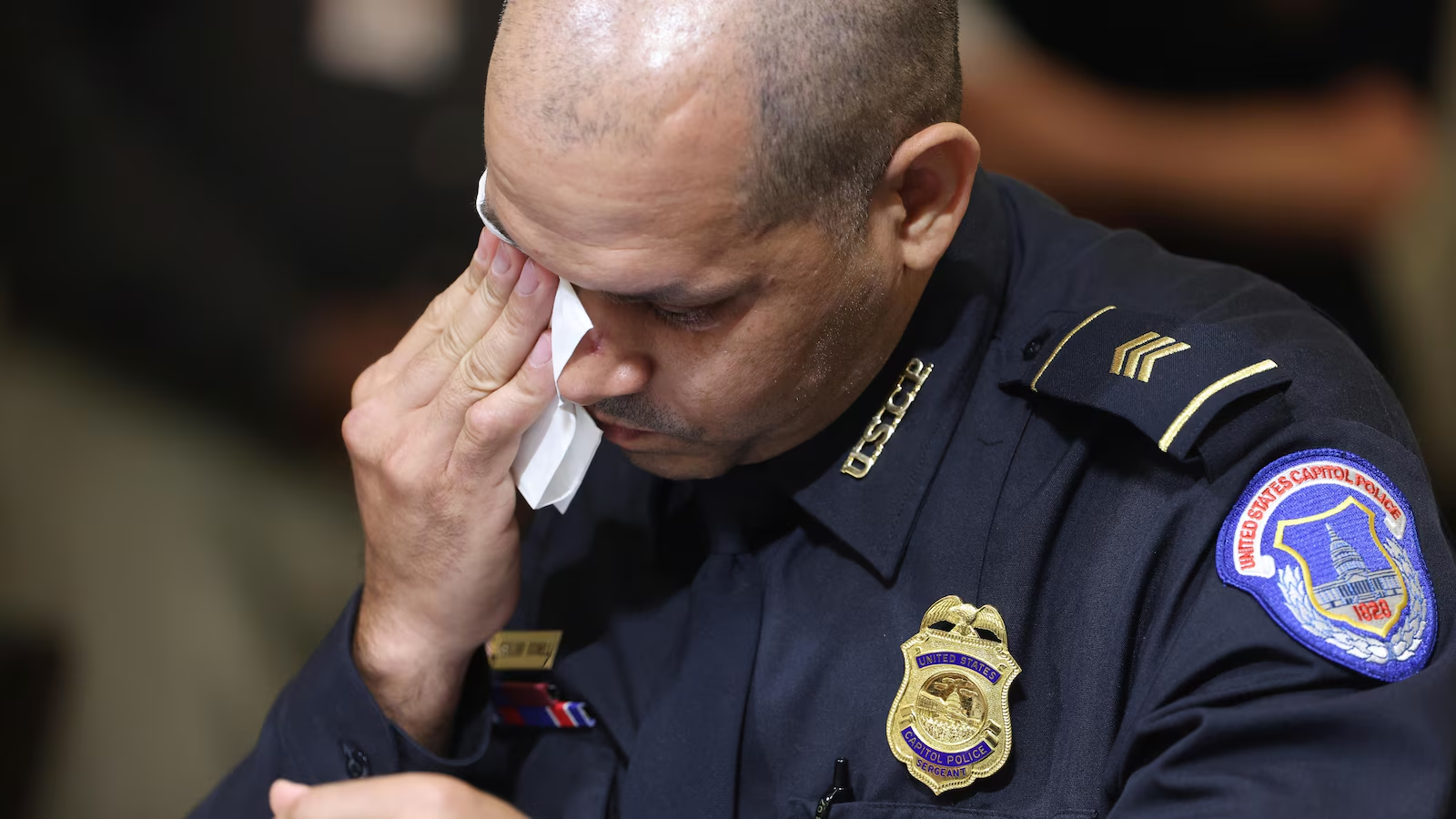
Five years after the Jan. 6 Capitol riot, officers who defended the building still struggle with injuries, trauma, and the impact of pardons granted to rioters by President Trump, amid ongoing debates about the violence and its recognition.
The article discusses the Supreme Court's refusal to revisit the 2015 gay marriage ruling, examines Donald Trump's extensive use of pardons to support his political and legal strategies, highlights polling showing widespread voter disapproval of Trump's actions perceived as authoritarian, and explores the broader implications of these developments for American democracy.
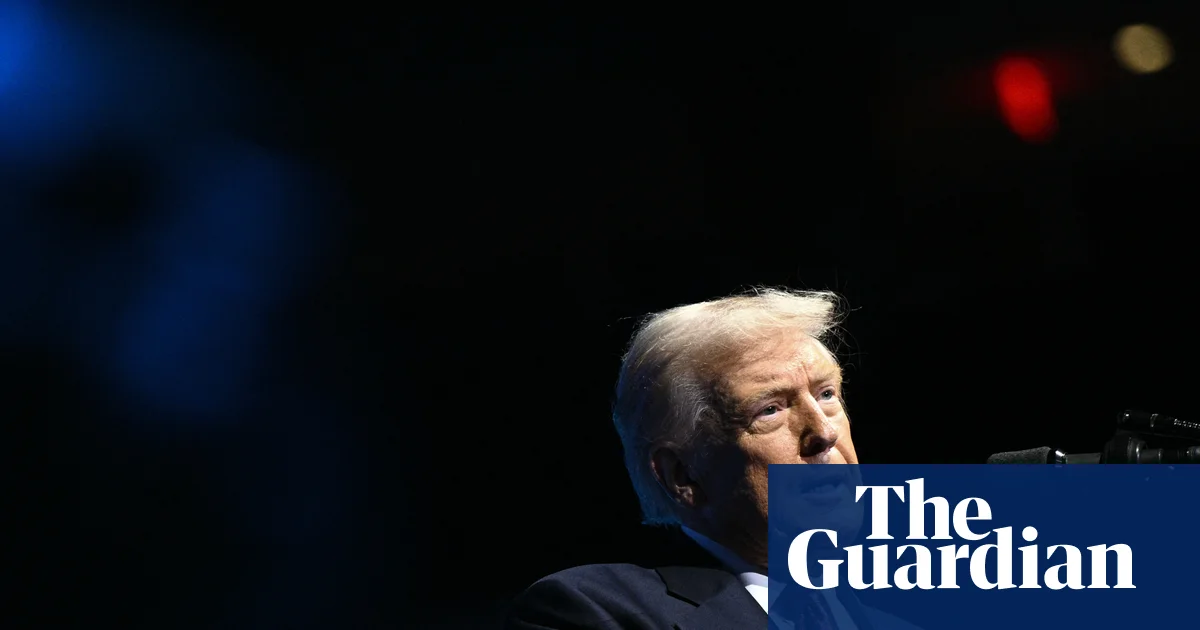
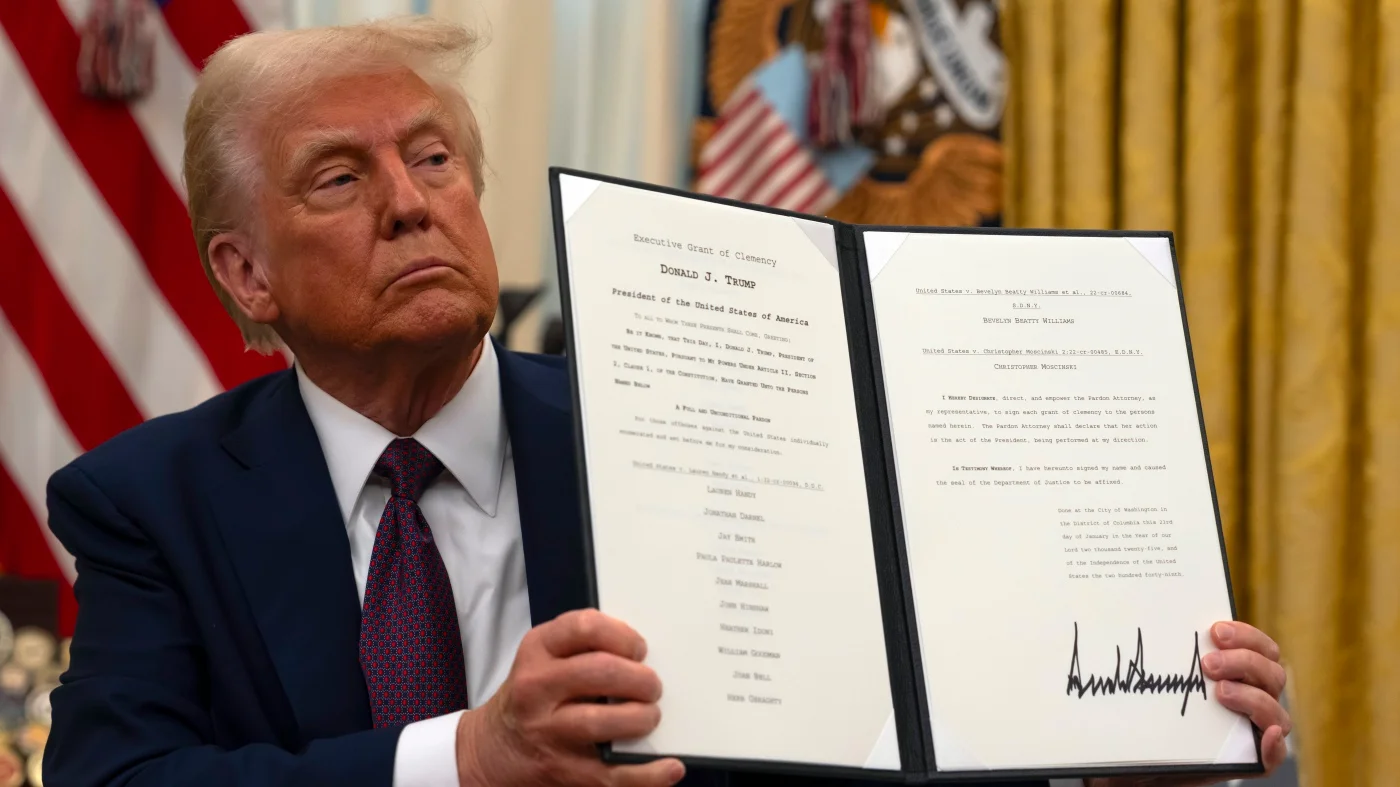
Donald Trump's recent pardons for friends and allies have sparked outrage and concerns over corruption, conflicts of interest, and politicization of the justice system, with critics warning that these actions resemble authoritarian tactics and undermine the rule of law.
A former pardon attorney criticizes Trump's recent pardons, arguing they set an alarming precedent by potentially testing the limits of the presidential pardon power to include state crimes, which could be unprecedented and politically motivated, especially as they seem to serve as a message to the MAGA base that crimes committed in Trump's name might go unpunished.
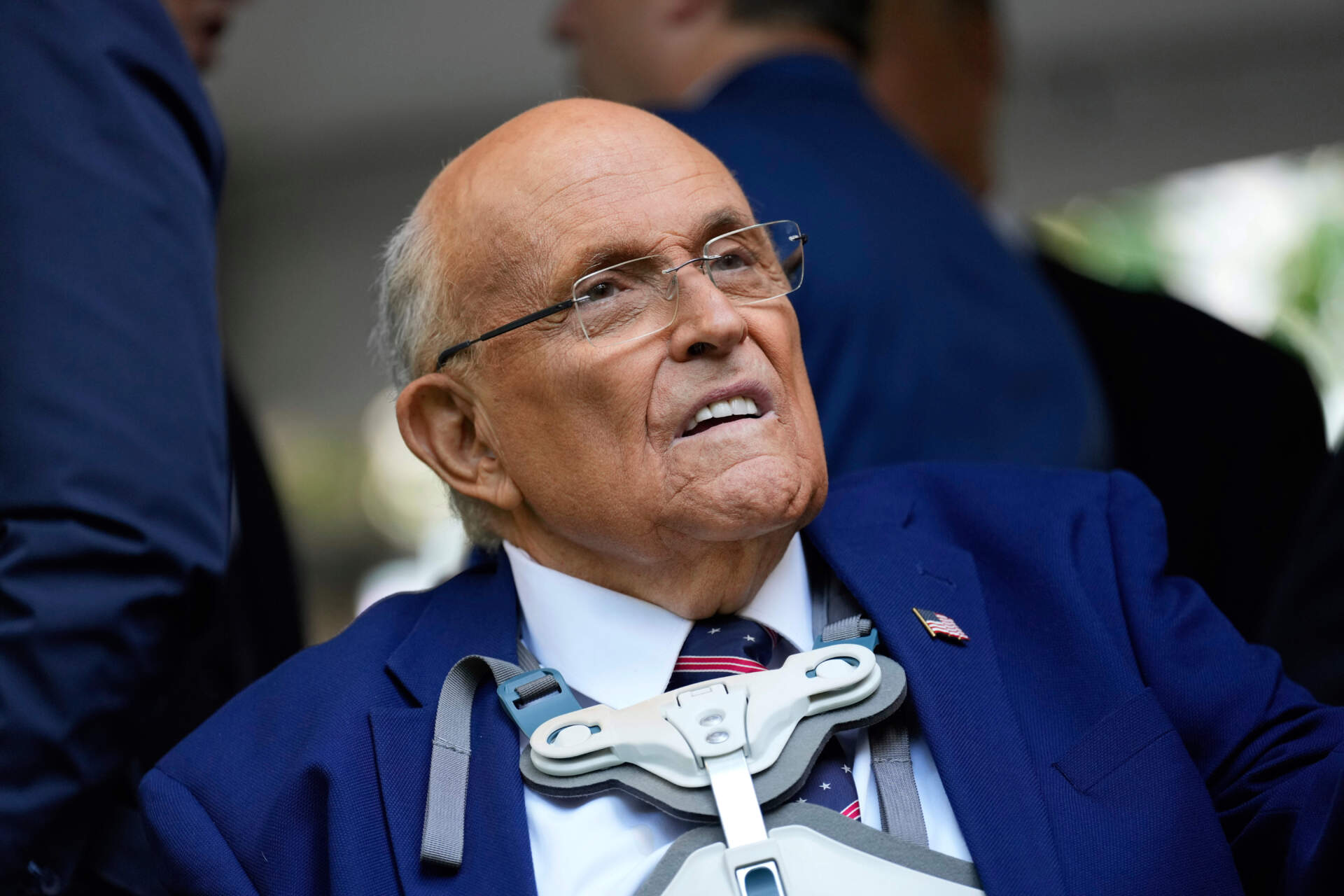
President Trump has issued pardons and commutations to various individuals, including political allies and those connected to his personal and political interests, notably trying to overturn the 2020 election results, with his actions reflecting a more politicized use of clemency compared to previous presidents.
The Justice Department placed two D.C.-based prosecutors on leave after they filed court documents describing the Jan. 6 Capitol riot as a 'mob of rioters,' which included references to a case involving pardoned individual Taylor Taranto. The filings and descriptions led to personnel changes amid ongoing political and legal debates over the riot and related pardons by President Trump.
The DOJ placed two federal prosecutors on leave after they referred to Jan. 6 defendants pardoned by Trump as a 'mob of rioters' in a sentencing memo, amid ongoing investigations into their conduct and the broader implications of the pardons.
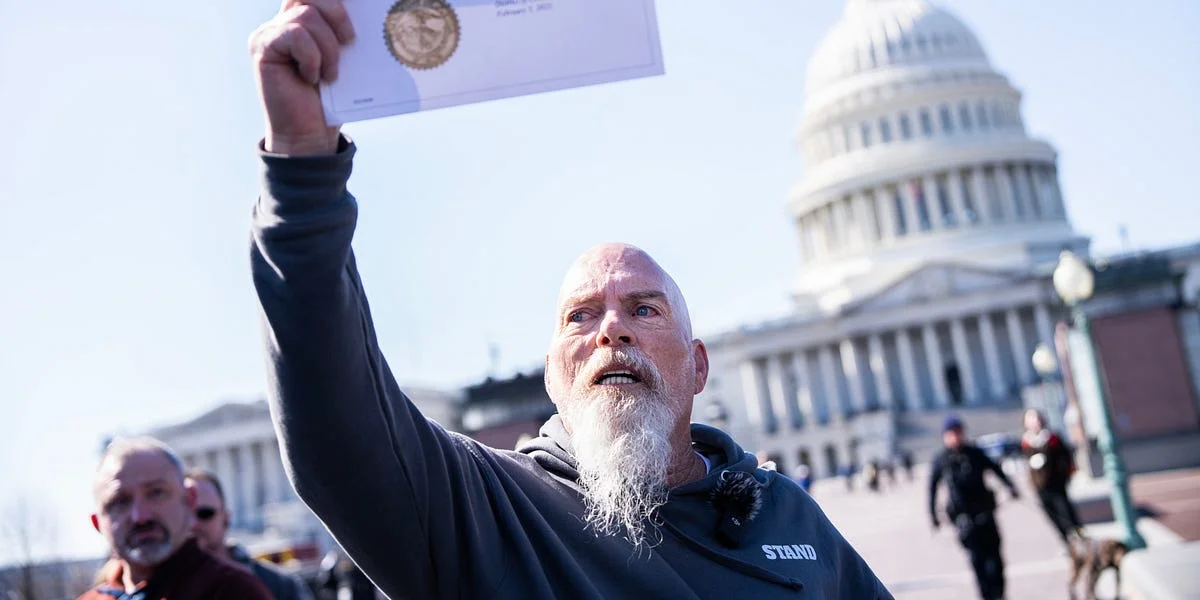
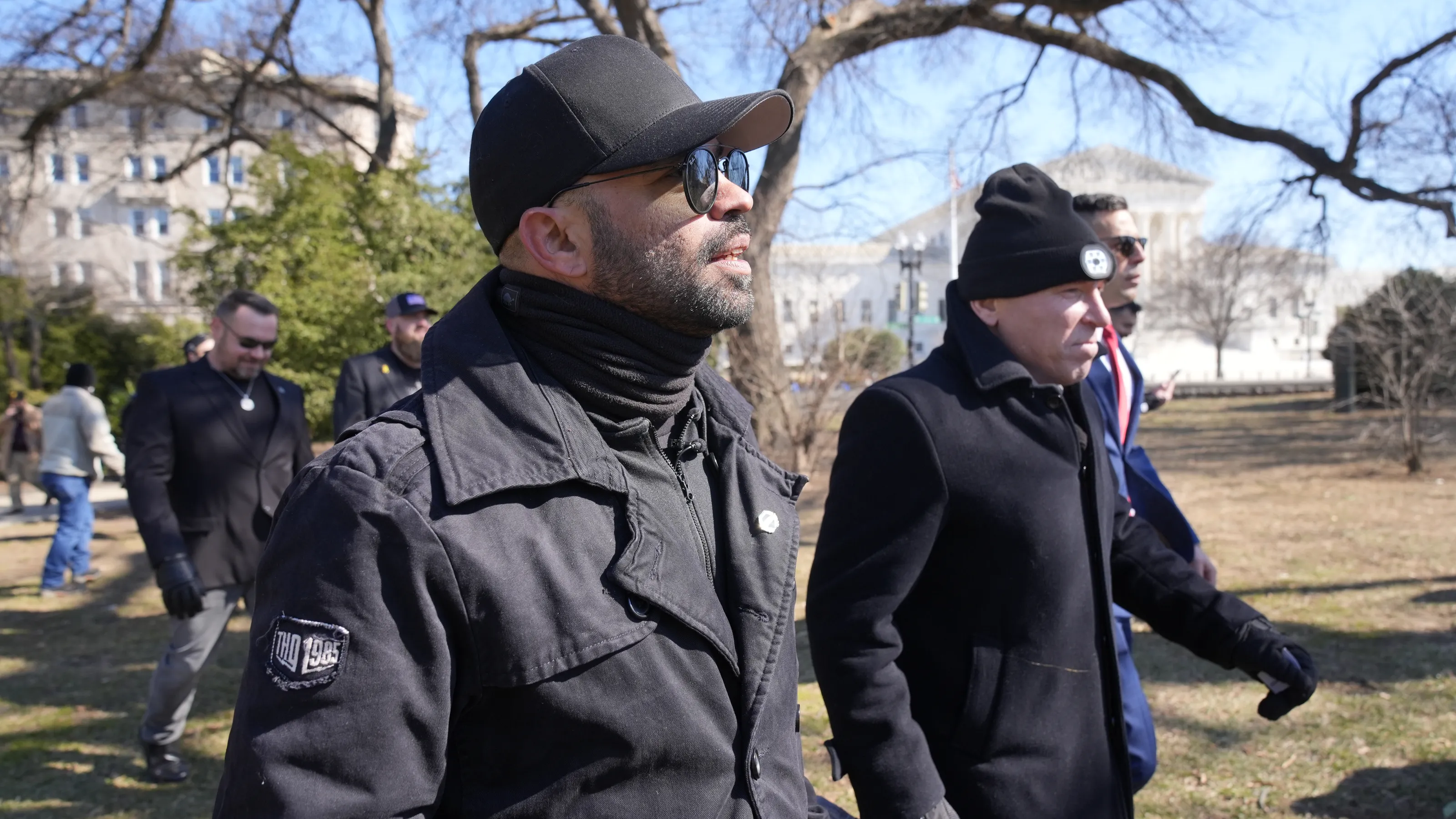
Five Proud Boys members involved in the January 6 Capitol storming are suing the U.S. government for over $100 million, claiming violations of their constitutional rights during their arrest and detention, despite being pardoned by President Trump in 2025. The lawsuit includes allegations of forceful raids, solitary confinement, and cruel treatment, and seeks damages and interest. Some members have expressed intentions to run for office and defend their actions.
Five Proud Boys leaders, convicted for their roles in the January 6 Capitol riot and later pardoned by Trump, have sued the US government for $100 million, alleging violations of their rights and political bias in their prosecution.
Proud Boys leaders, pardoned by Trump for their roles in the Jan. 6 Capitol riot, have sued the federal government claiming constitutional rights violations and seeking $100 million in damages, alleging systemic abuse of the legal system to punish political allies of Trump.
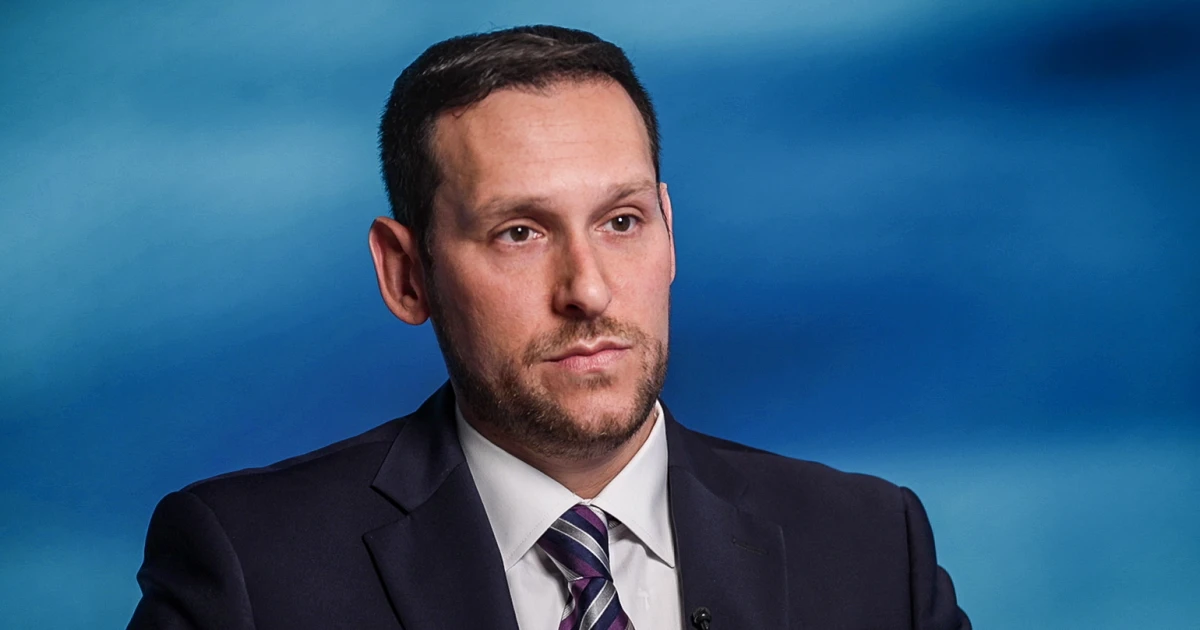
The former chief of the Capitol Siege Section criticizes Trump's pardons for Jan. 6 rioters, arguing they send a message that political violence is acceptable and undermine the rule of law, while defending the integrity of the prosecution process and emphasizing the importance of impartial justice.
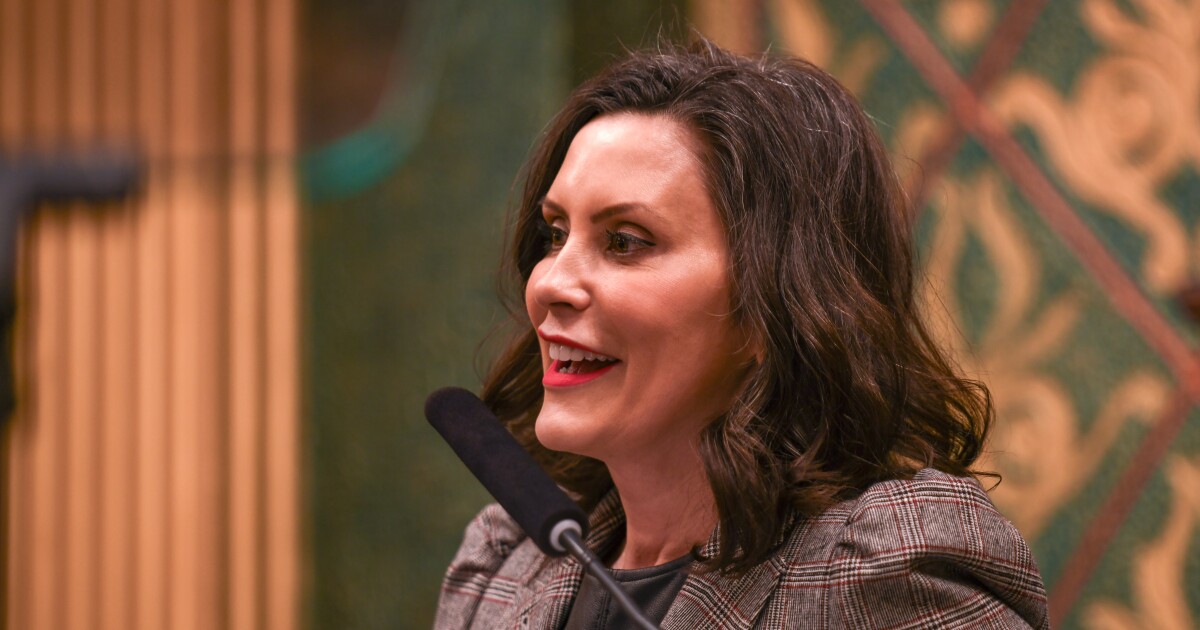
Governor Gretchen Whitmer expressed strong opposition to President Trump potentially pardoning two men convicted of conspiring to kidnap her, emphasizing the importance of condemning political violence, and discussed the economic impact of tariffs on Michigan, highlighting the need for diversification and infrastructure development.
President Donald Trump has issued a series of pardons and commutations, including some to campaign contributors and supporters, amidst a broader pattern of clemency actions during his presidency, raising concerns about potential political favoritism.