The article discusses the Supreme Court's refusal to revisit the 2015 gay marriage ruling, examines Donald Trump's extensive use of pardons to support his political and legal strategies, highlights polling showing widespread voter disapproval of Trump's actions perceived as authoritarian, and explores the broader implications of these developments for American democracy.
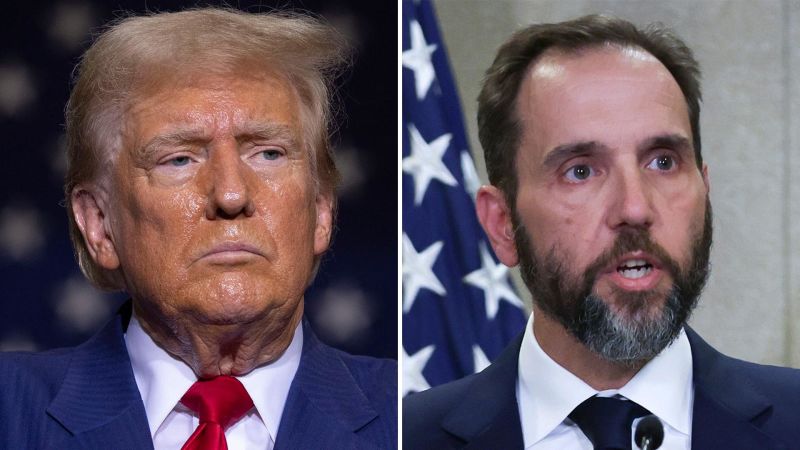
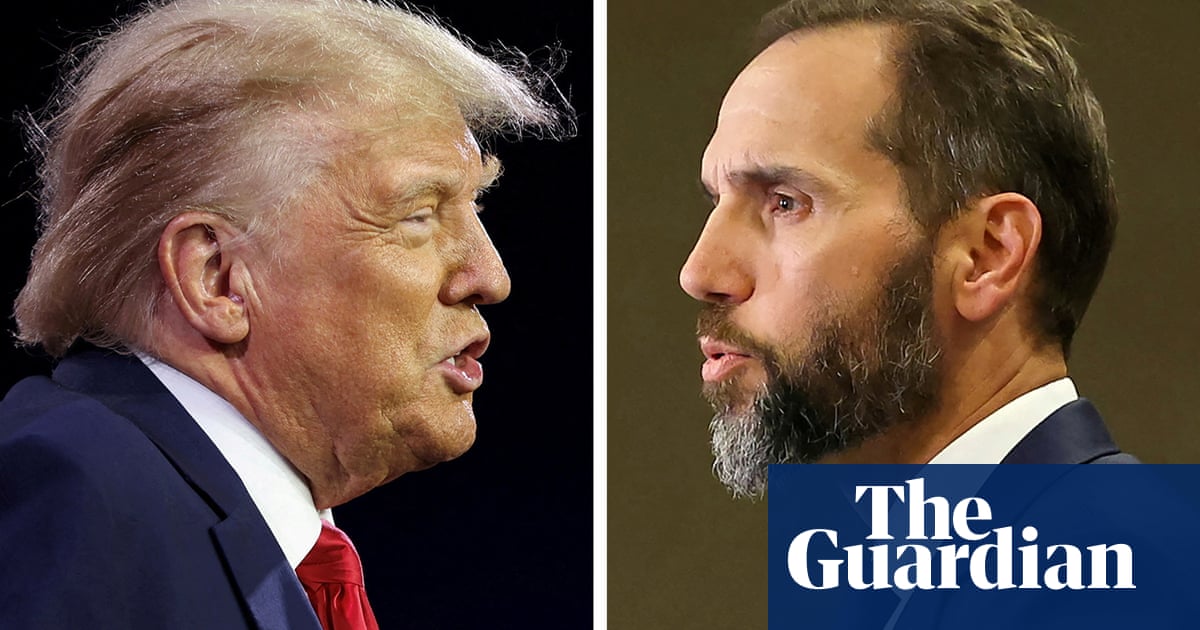
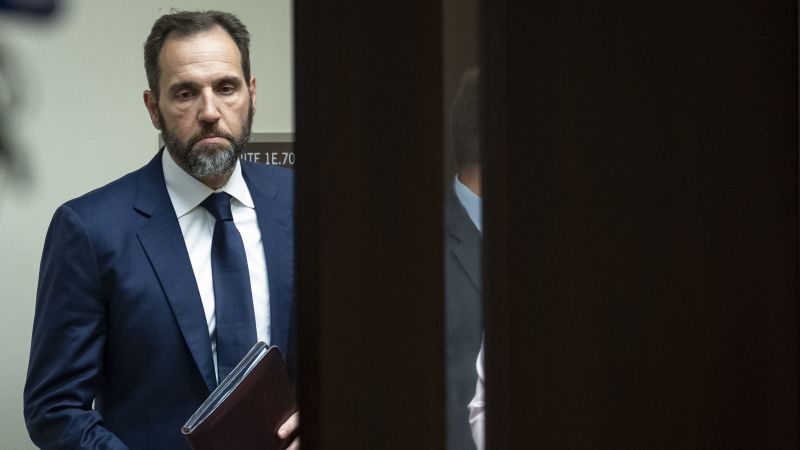
Special counsel Jack Smith has dropped the federal election subversion case against President-elect Donald Trump, citing constitutional requirements for dismissal before inauguration. This decision follows a Supreme Court ruling granting Trump some presidential immunity, which delayed the trial. Trump, who has pleaded not guilty, views the dismissal as a victory against political weaponization of the justice system. The status of other cases against Trump, including those involving classified documents and state charges in Georgia and New York, remains uncertain.
The Supreme Court's recent ruling granting President Trump broad immunity from prosecution for actions within his constitutional powers has sparked concerns about unchecked presidential authority as he prepares for a potential second term. The decision, which was opposed by the court's liberal justices, raises questions about the limits of this immunity and its implications for future presidents. Critics worry it could embolden Trump to push legal boundaries, while supporters argue it prevents politically motivated prosecutions. The ruling leaves many legal questions unresolved, particularly regarding what constitutes 'official actions' entitled to immunity.
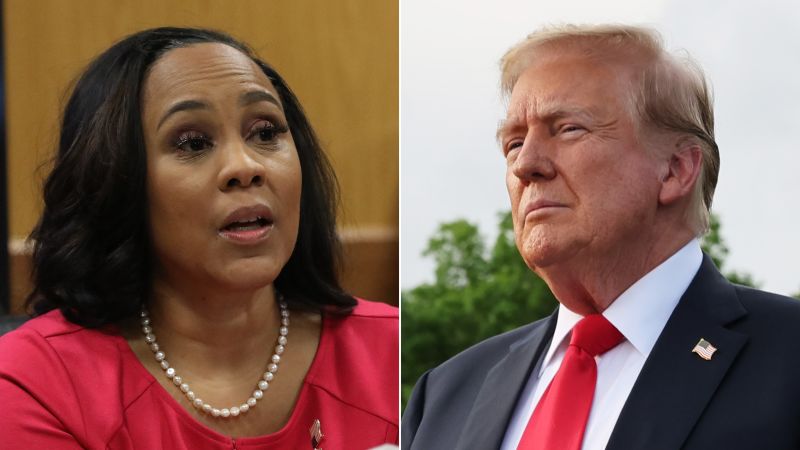
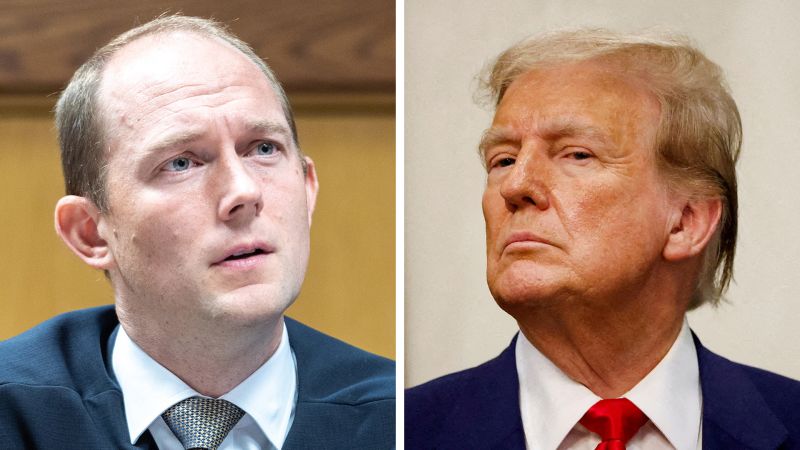
The Georgia Court of Appeals has indefinitely paused the election subversion conspiracy case against Donald Trump and several co-defendants, delaying any trial until at least March 2025. The court will decide whether Fulton County District Attorney Fani Willis should be disqualified due to alleged misconduct. This decision marks a significant legal victory for Trump, who has been challenging prosecutors and delaying proceedings.
The U.S. Supreme Court is set to hear cases involving Donald Trump's efforts to avoid prosecution for attempting to overturn the 2020 election results and a man indicted in the Capitol attack. The cases could have implications for Trump's potential 2024 presidential run. Trump faces multiple criminal cases, including charges related to hush money paid to a porn star. The court's decisions could impact the prosecution of hundreds of Capitol riot defendants, including Trump, and may influence the outcome of Trump's trial on election-related charges before the 2024 election.
The special counsel pursuing federal criminal charges against Donald Trump for his efforts to overturn the 2020 election loss urged the U.S. Supreme Court to reject Trump's bid for immunity from prosecution, arguing that no person is above the law. The case is set to be argued on April 25, with Trump appealing a lower court's rejection of his immunity request. The special counsel and a group of retired military officers and national security officials have backed the rejection of Trump's claim of immunity, while Trump and his allies continue to argue that a former president has absolute immunity from criminal prosecution for official acts.
The special counsel pursuing federal criminal charges against Donald Trump for his efforts to overturn the 2020 election urged the US Supreme Court to reject Trump's bid for immunity, arguing that no person is above the law. The case is set to be argued on April 25, with Trump appealing a lower court's rejection of his immunity request. The special counsel and a group of retired military officers and national security officials argue that Trump's claim of immunity is contrary to democratic principles and could jeopardize national security. Trump faces four federal criminal counts related to election subversion, and his immunity claim has been rejected by lower courts.
Special counsel Jack Smith urged the Supreme Court to reject Donald Trump’s claims of sweeping immunity and deny him any opportunity to delay a trial on charges related to the 2020 election subversion. Smith argued that Trump's actions were private and not protected by immunity, emphasizing that no person, including the president, is above the law. The Supreme Court is set to hear arguments on April 25, with a decision expected by July.
Prosecutors are urging the Supreme Court to reject former President Donald Trump's claim of immunity from prosecution in a case accusing him of scheming to overturn the 2020 election results. The outcome of the upcoming Supreme Court arguments will likely determine whether Trump faces trial this year. Prosecutors argue that federal criminal law applies to the president and even if some immunity for official acts is recognized, the case should still move forward as it involves Trump's private conduct.
A judge in Georgia rejected former President Donald Trump's attempt to dismiss a criminal indictment related to his efforts to overturn the 2020 election on free speech grounds, ruling that the alleged speech and conduct were not protected political speech. The judge's decision allows the state racketeering case against Trump to move forward, although a trial date has not been set. Trump's lawyer expressed disagreement with the ruling and indicated that they will explore their options, while the Fulton County district attorney's office declined to comment.
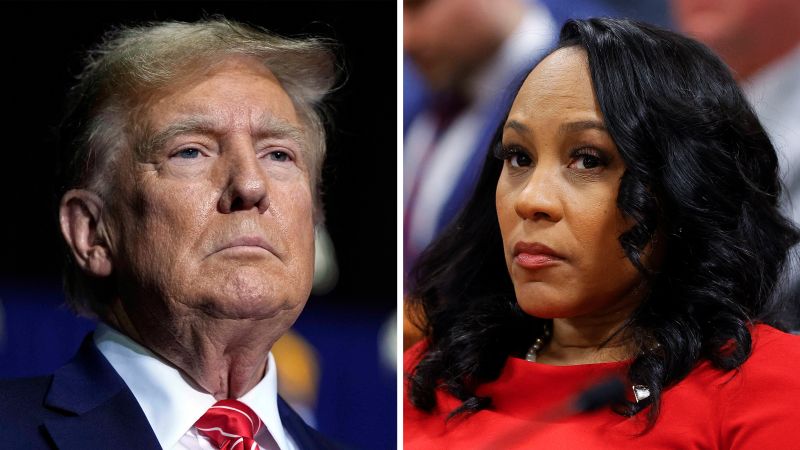
Former President Donald Trump and his co-defendants are appealing a judge's ruling that allowed Fulton County District Attorney Fani Willis to remain on the Georgia election subversion case, despite her previous romantic relationship with the special prosecutor. The defense attorneys are seeking to disqualify the entire DA's office, citing ethical concerns. The judge criticized Willis and the special prosecutor's relationship but did not find an actual conflict under Georgia law. Trump and 14 allies are facing charges related to their efforts to reverse Georgia's 2020 presidential election result, and they have pleaded not guilty.
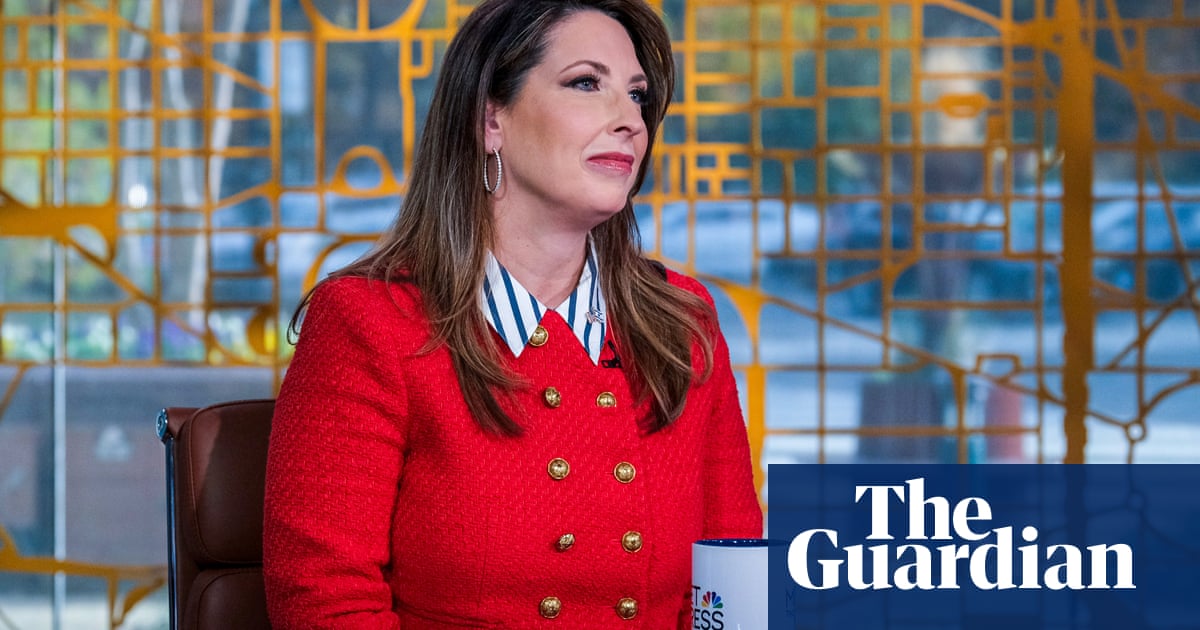
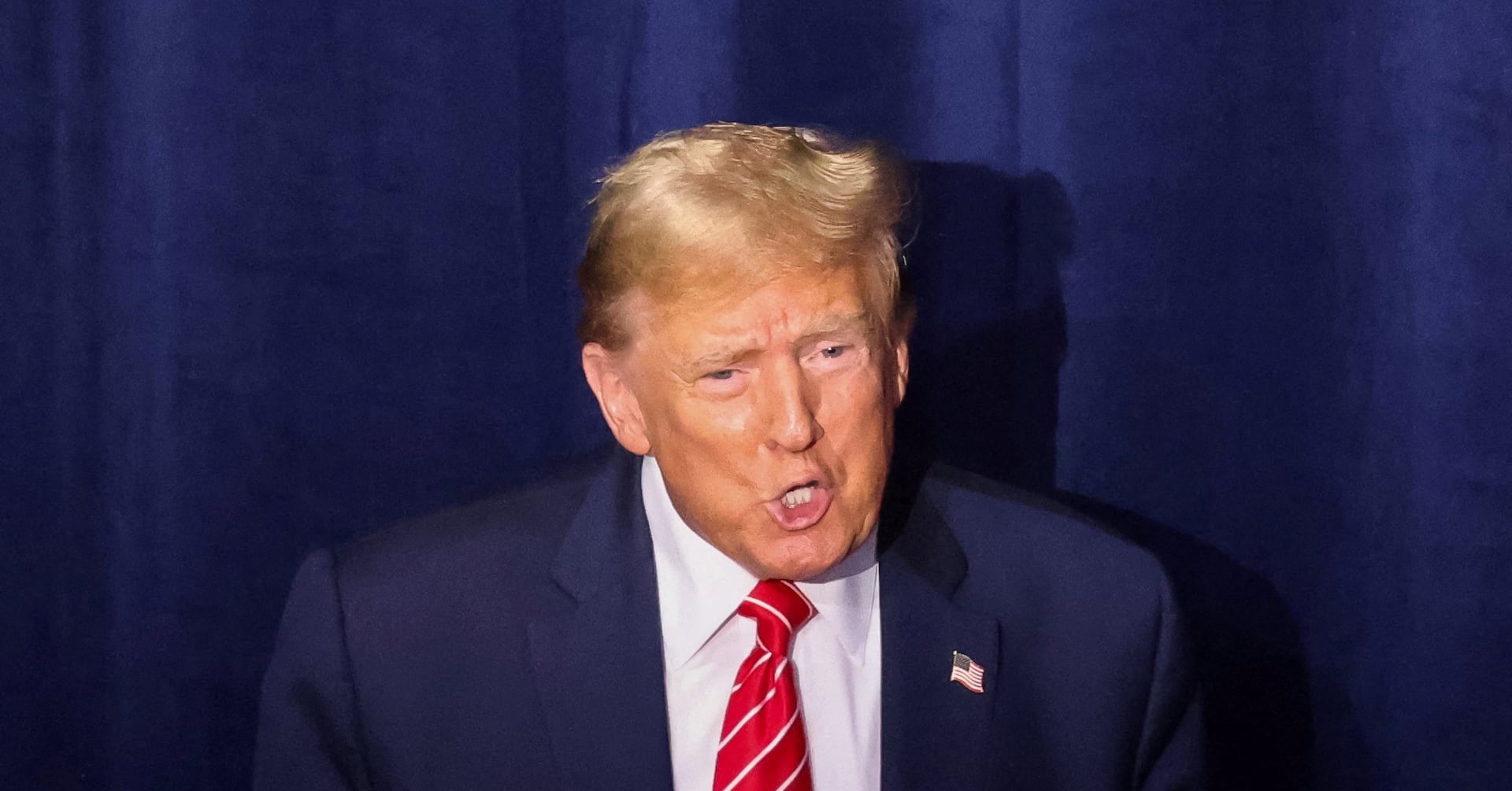
Former President Donald Trump mocked Ronna McDaniel for being fired by NBC just two days after being hired as a political analyst, claiming she was in "NEVER NEVERLAND." McDaniel's hiring sparked protests from on-air talent and an NBC union group due to her combative relations with the press during her tenure as RNC chair. Trump and other rightwingers criticized NBC's decision, while liberals cited McDaniel's support for Trump's election subversion as the chief issue. McDaniel is reportedly considering legal options and expects to be paid in full for her reported $600,000 two-year deal.
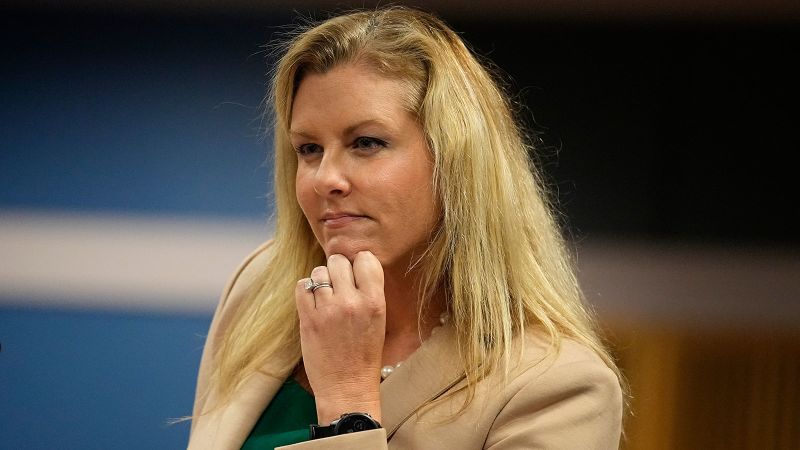
A judge in Donald Trump's Georgia election subversion trial dismissed three criminal counts against him and three against co-defendants, while letting the overall case proceed. The judge found that the allegations by state prosecutors were not detailed enough to sustain those counts but left 35 other criminal counts intact, including a central racketeering charge. Trump and his co-defendants have pleaded not guilty to charges of forming a criminal conspiracy to overturn his loss to Biden in Georgia. The judge said prosecutors could seek a new, more detailed indictment on the dismissed counts, and a decision is pending on whether the prosecutor overseeing the case should be disqualified over a romantic relationship with a lawyer she hired to run the prosecution.
The Georgia state Senate committee investigating Fulton County District Attorney Fani Willis will hear testimony from defense attorney Ashleigh Merchant, who initially raised allegations of Willis's alleged improper relationship with special prosecutor Nathan Wade. The committee, consisting of six Republicans and three Democrats, aims to investigate potential conflicts of interest or misuse of public funds by Willis. They have also requested key documents used by Merchant in her attempts to disqualify Willis from the election interference case against former President Donald Trump. The committee lacks the power to directly sanction Willis but can amend Georgia law or create new legislation, and plans to subpoena additional witnesses as part of the investigation.
Text messages and emails revealed that right-wing attorney Kenneth Chesebro continued proposing ways to overturn the 2020 presidential election, including the fake electors plot, even after the Capitol attack. The materials, disclosed as part of a lawsuit, show Chesebro's push for the electors plot regardless of lawsuit outcomes, contradicting his recent testimony. The texts also reveal communication between Chesebro and a Trump lawyer about the plan, including sending a memo to the White House. Chesebro's lawyer declined to comment, and Chesebro and his attorneys maintain that his legal work for the Trump campaign was done in good faith.