The Senate confirmed over 100 Trump administration nominees following rule changes, amidst ongoing government shutdown negotiations and political tensions, including debates over funding, investigations, and legislative priorities.
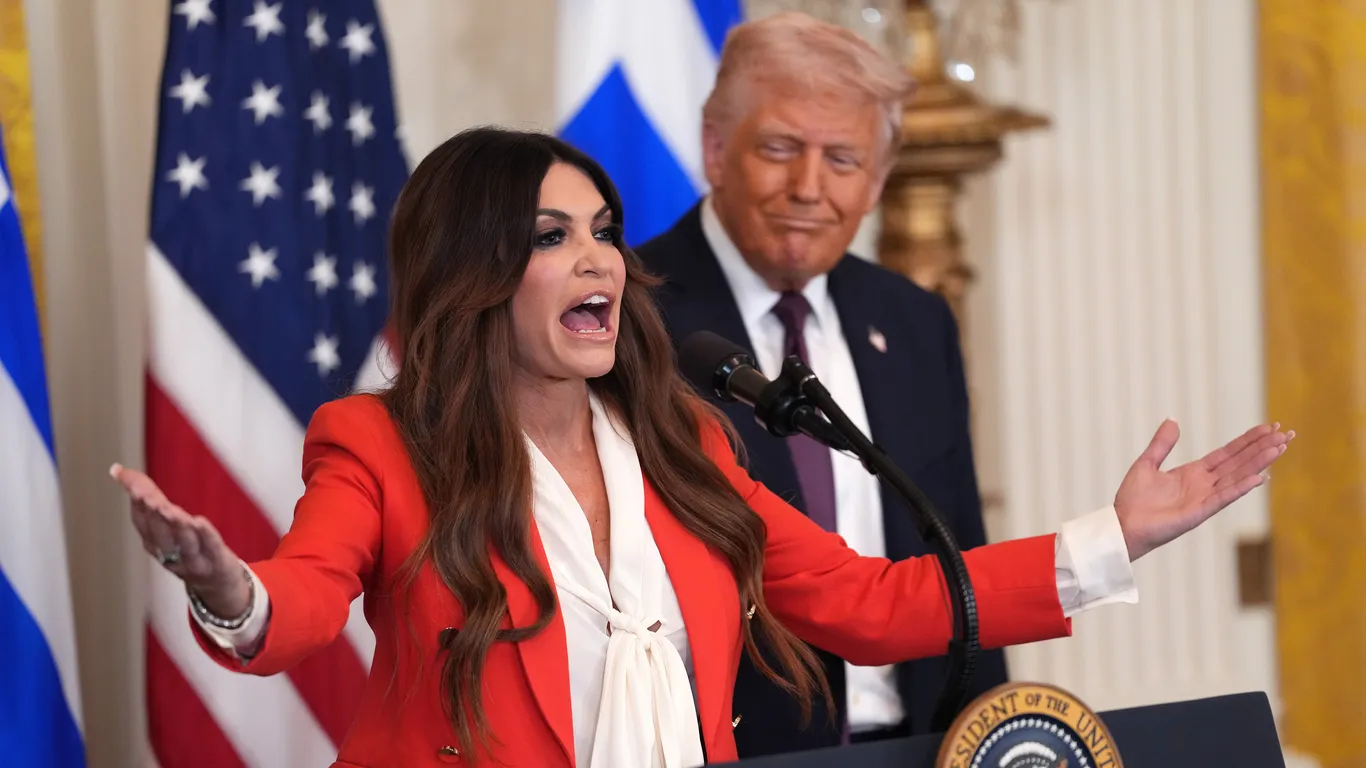
The Senate confirmed 48 of President Trump's nominees using the 'nuclear option,' which changed chamber rules to a simple majority, allowing faster confirmation of nearly 100 civilian nominees amid Democratic opposition, including Kimberly Guilfoyle as ambassador to Greece.
The Senate confirmed 48 of President Trump's nominees in a single vote after Republicans used the 'nuclear option' to change rules and expedite confirmations, including ambassadors and a nuclear security official.
Senate Republicans voted to change the chamber's rules using the 'nuclear option' to expedite the confirmation of President Trump's nominees, allowing batch confirmations for certain executive branch positions, in an effort to reduce delays in the process.
Senate Republicans used the 'nuclear option' to change Senate rules along party lines, allowing them to confirm multiple Trump administration nominees more quickly by removing the need for individual votes, a move that could accelerate future confirmations and diminish minority party powers.
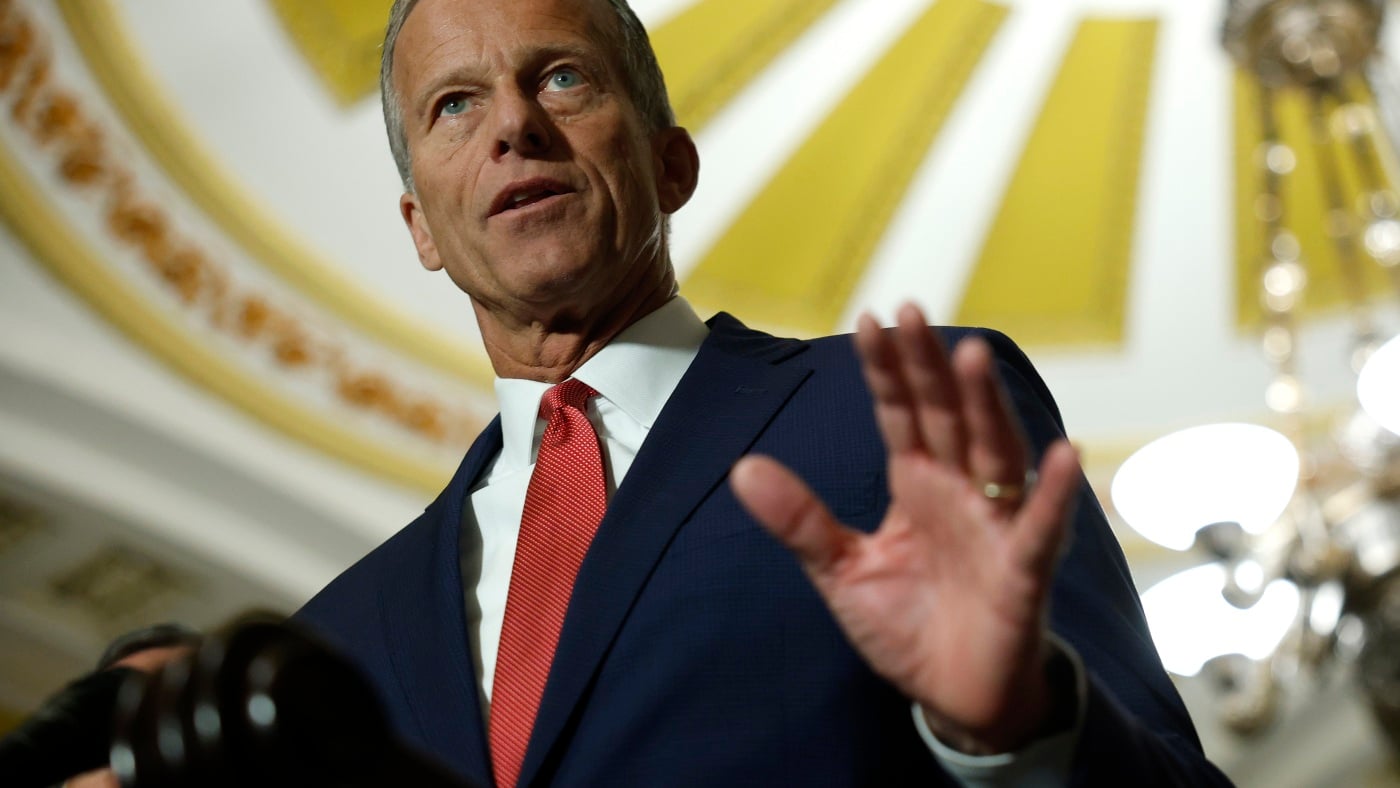
Senate Majority Leader Thune announced that Republicans plan to change Senate rules to expedite the confirmation of President Trump's executive branch nominees, citing Democratic delays as unsustainable. The move involves grouping nominations for quicker votes, excluding high-profile positions, and requires a simple majority. This strategy follows years of bipartisan rule changes and escalating confirmation standoffs, with potential to confirm over 100 nominees soon.
Senate Republicans are considering using the 'nuclear option' to change rules and confirm multiple Trump administration nominees more quickly, amid Democratic opposition and concerns about setting a precedent for future partisan use.
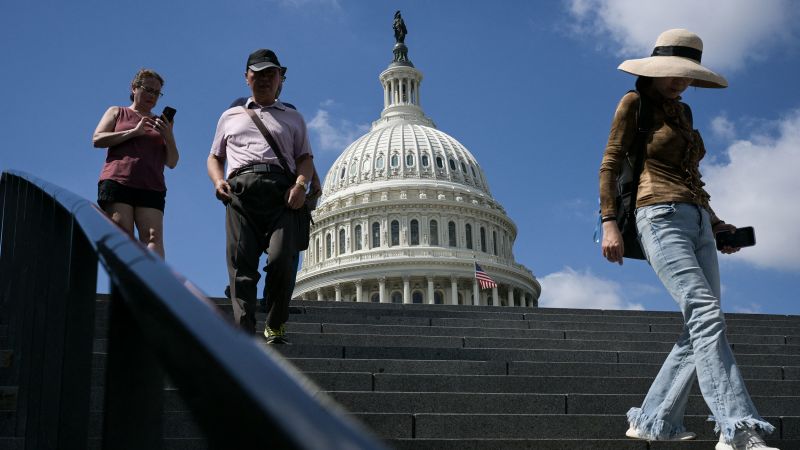
Congress returns from recess facing a critical government funding deadline, with negotiations on a shutdown and transparency regarding the Epstein files dominating the agenda, alongside debates on D.C. federalization, Trump nominees, and foreign policy issues involving Ukraine and Russia.
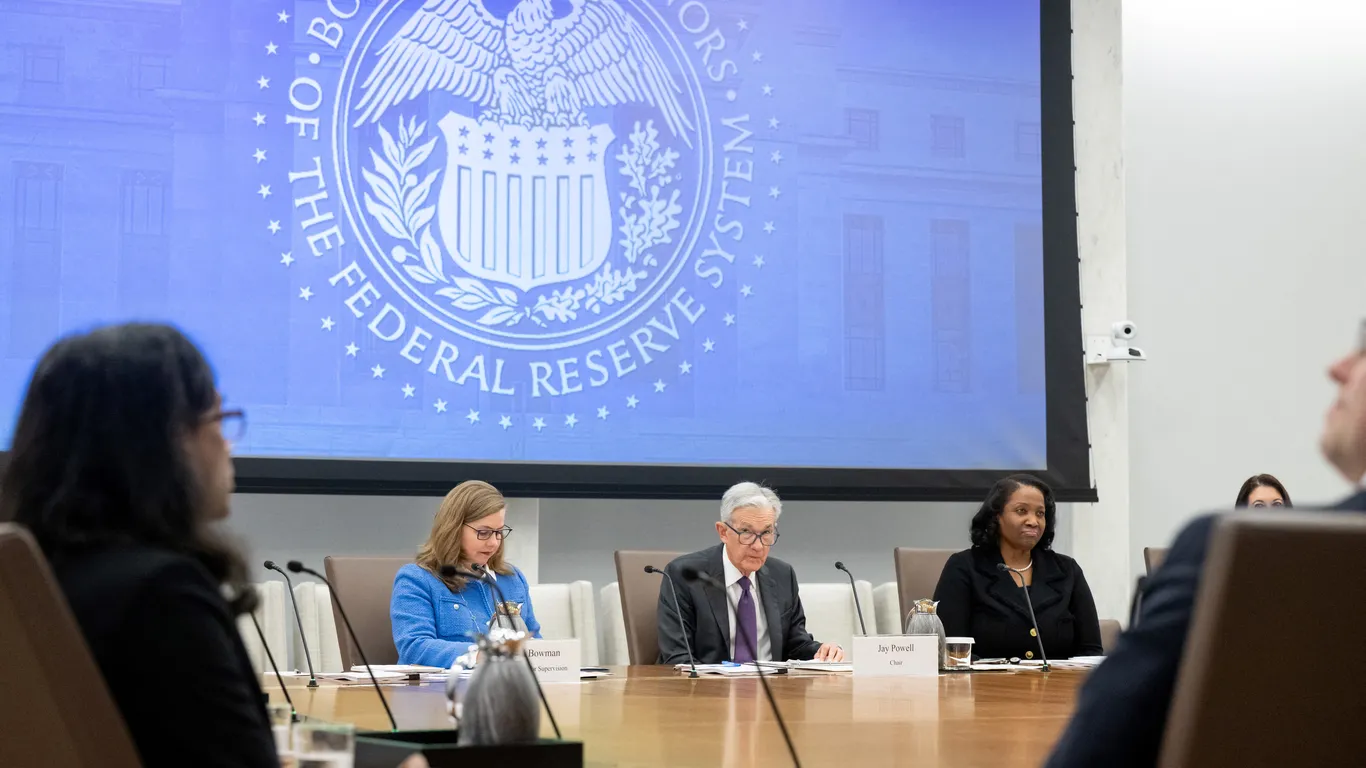
Top Senate Democrats are demanding a delay in the confirmation hearing for a key Fed nominee, accusing President Trump of attempting to undermine the Fed's independence by firing Governor Lisa Cook and influencing appointments, which has intensified the political battle over Fed nominations amid broader tensions over monetary policy and presidential influence.
Senate negotiations on confirming Trump's over 150 nominees have faced setbacks but may gain momentum as senators, exhausted from prolonged talks, consider reaching an agreement to expedite confirmations in exchange for policy wins, with some indications that Trump has been persuaded to ease his stance.
The Senate is facing a backlog of over 130 Trump administration nominees, with negotiations ongoing between Democrats and Republicans to expedite confirmations before the summer recess, amid broader political tensions and discussions about potential rule changes. Meanwhile, other legislative and oversight issues, including housing legislation and judicial nominations, are also progressing with bipartisan support or controversy.
Senator Thom Tillis announced he will oppose any Trump administration nominees who support the Jan. 6 Capitol attack, emphasizing his disapproval of those pardoned or commended for their actions during the insurrection, and signaling a potential shift in his voting on judicial nominations. The article also covers various political developments including legislative efforts, partisan conflicts, and upcoming confirmations.
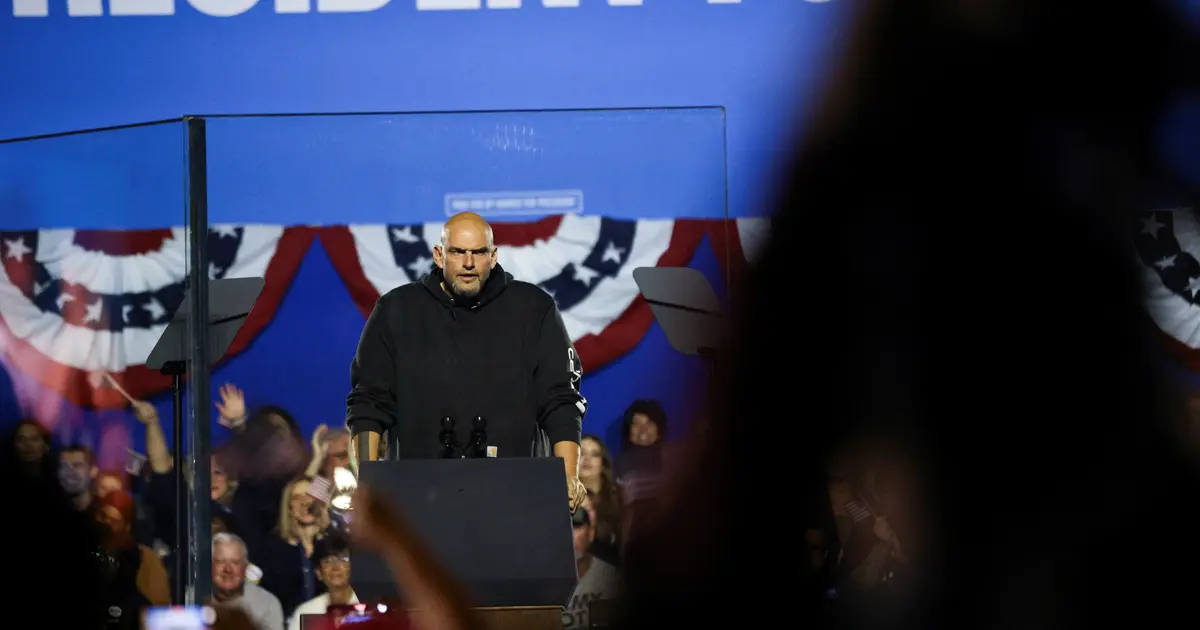
Senate Democrats are adopting a more measured approach to Donald Trump's Cabinet picks compared to their staunch opposition during his first term. While they are unlikely to support nominees like Robert F. Kennedy Jr., Pete Hegseth, and Tulsi Gabbard, they are not expected to engage in the same level of public resistance as before. Democratic leaders, including Sen. John Fetterman and Senate Democratic Whip Dick Durbin, emphasize the importance of exercising constitutional responsibilities without unnecessary obstruction, although some Democrats may still seek to delay confirmations as a form of political payback.
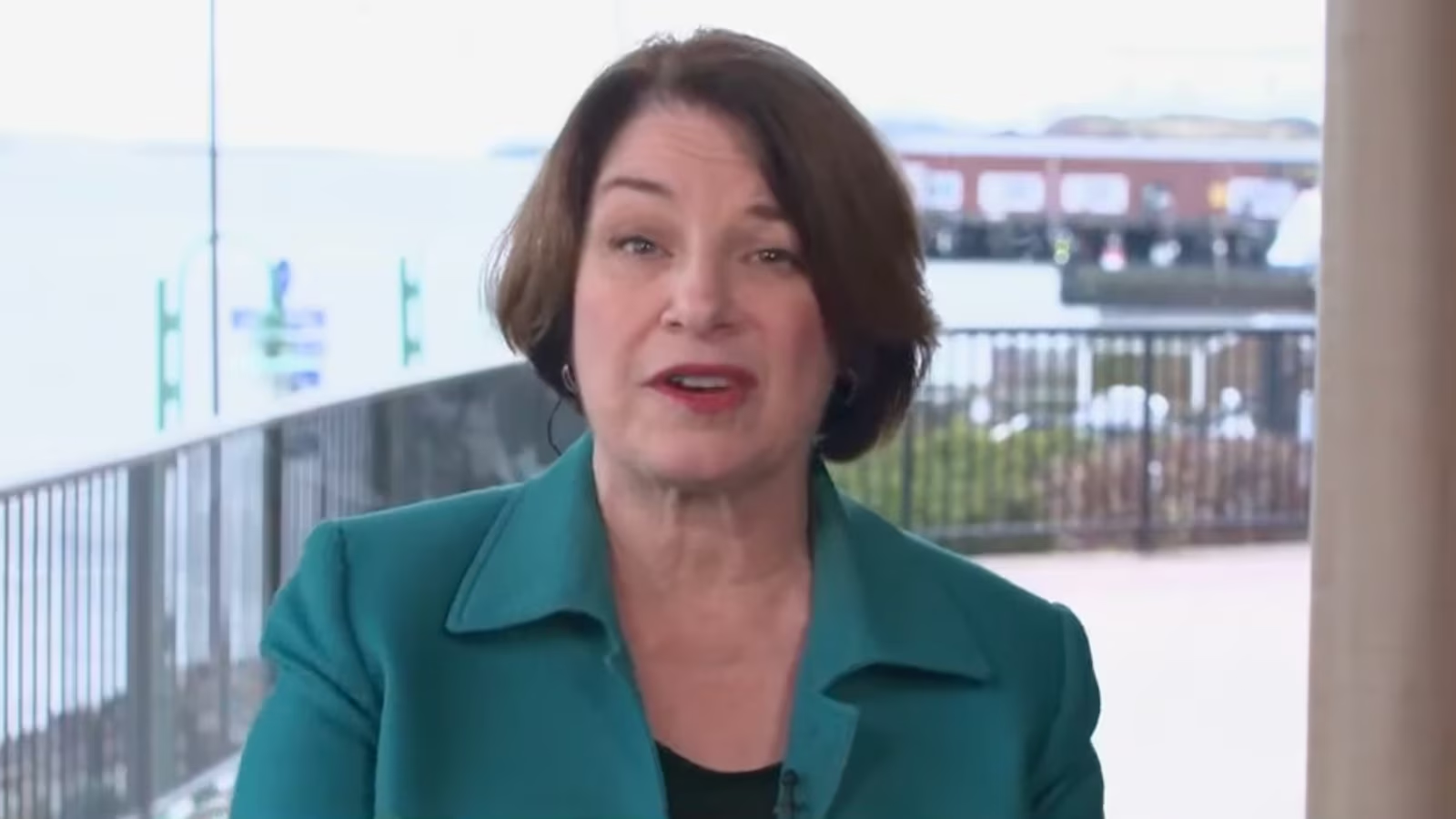
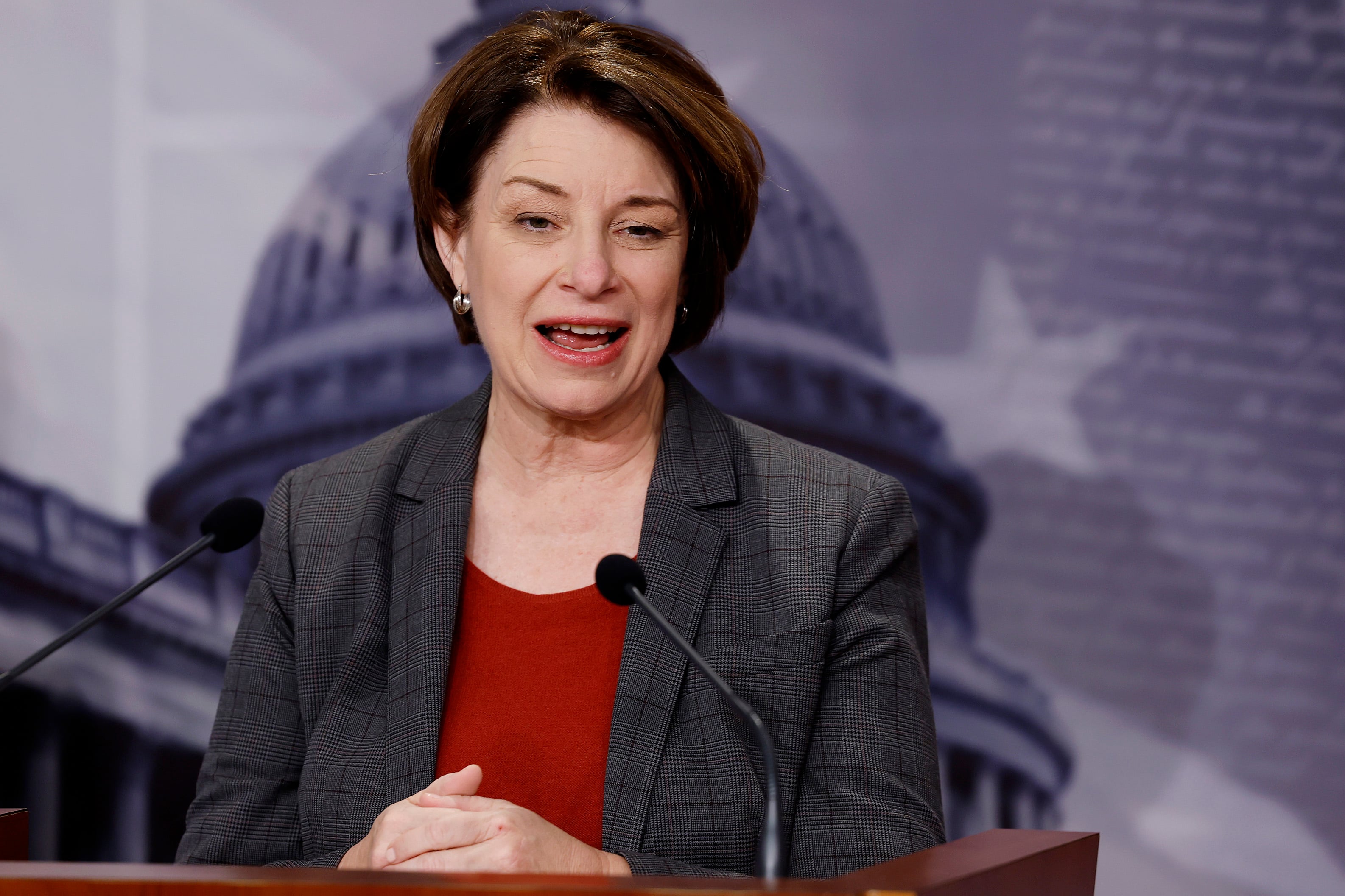
Senator Amy Klobuchar stressed the necessity of FBI background checks for Trump's Cabinet nominees, expressing concern over potential delays in confirmations due to the Trump transition team's lack of cooperation. She highlighted her apprehensions about nominees like Pam Bondi, emphasizing the importance of evaluating nominees based on their qualifications and alignment with American values. Klobuchar also dismissed the likelihood of Trump making recess appointments without Senate confirmation, citing opposition from some Republican senators.
Senator Amy Klobuchar emphasized the necessity of FBI background checks for President-elect Donald Trump's nominees, arguing that such checks are standard for federal positions and should apply to top government roles. While Republican senators have the votes to confirm nominees without Democratic support, Klobuchar noted that any delays would stem from Republican disagreements. Some Republicans, like Senator Bill Hagerty, downplayed the importance of these checks, while others, including Senator Kevin Cramer, acknowledged their necessity. Klobuchar also mentioned the possibility of Trump using recess appointments if confirmations are delayed.