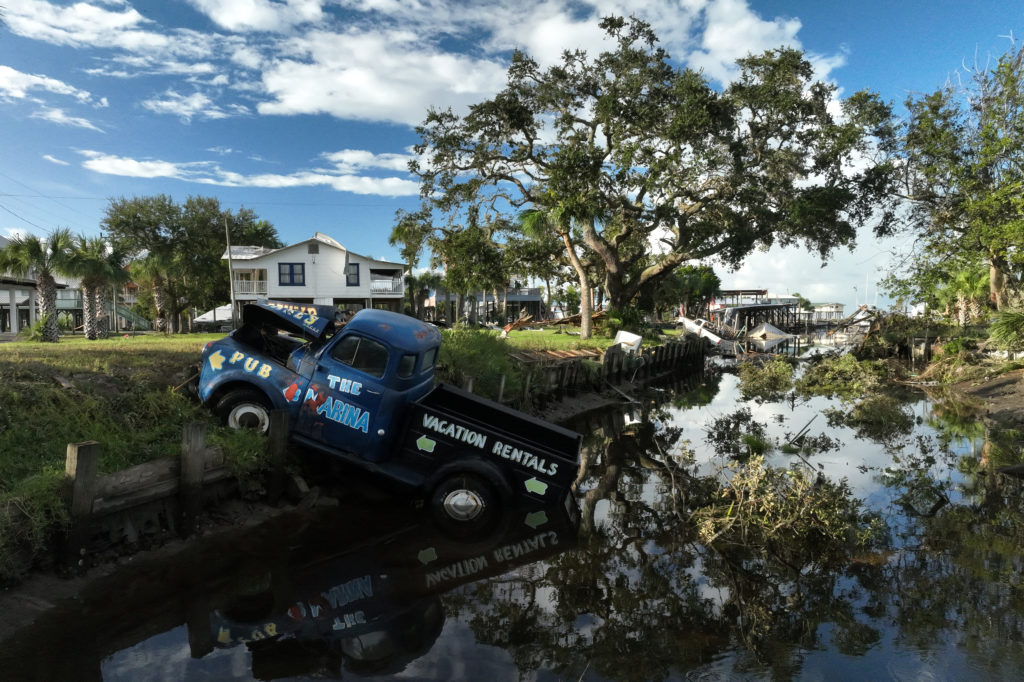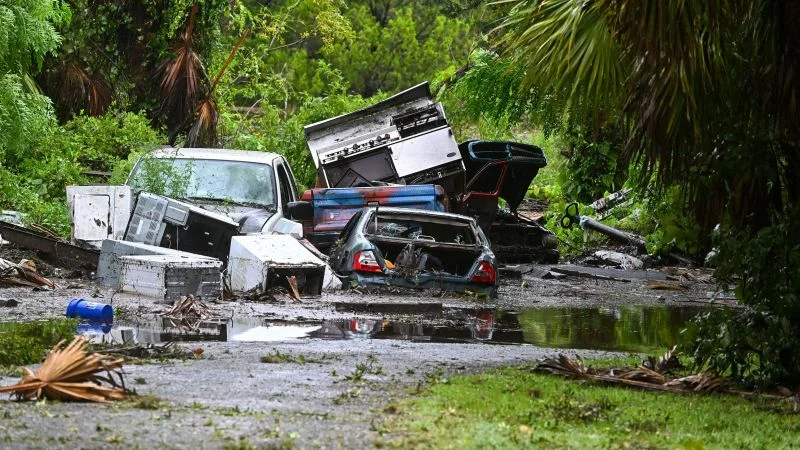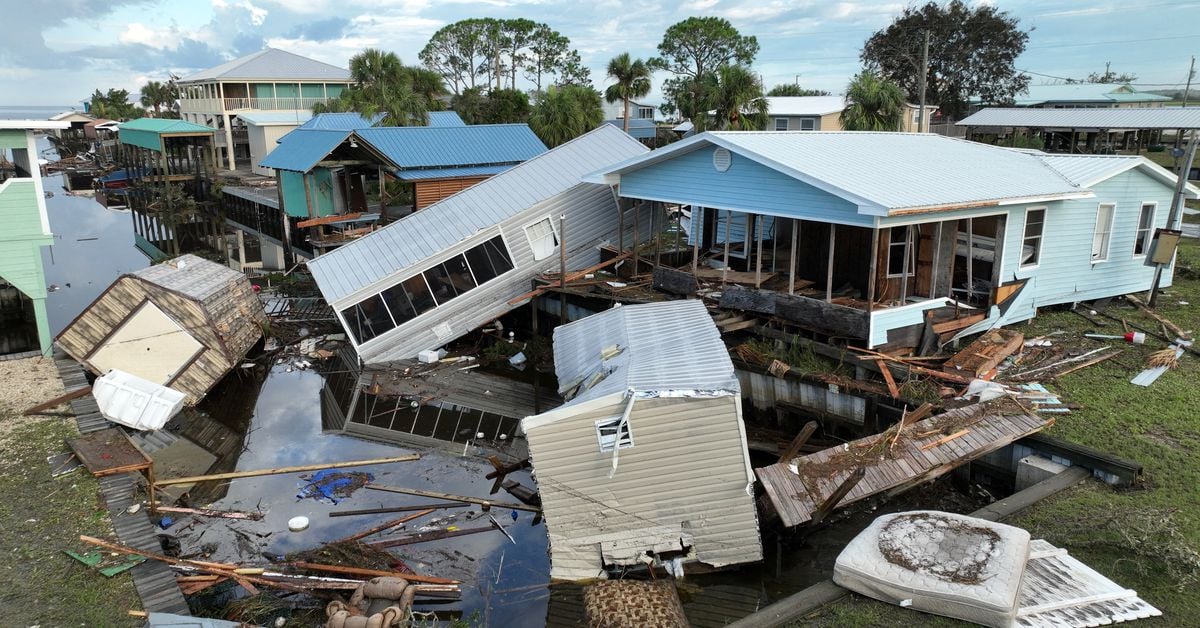
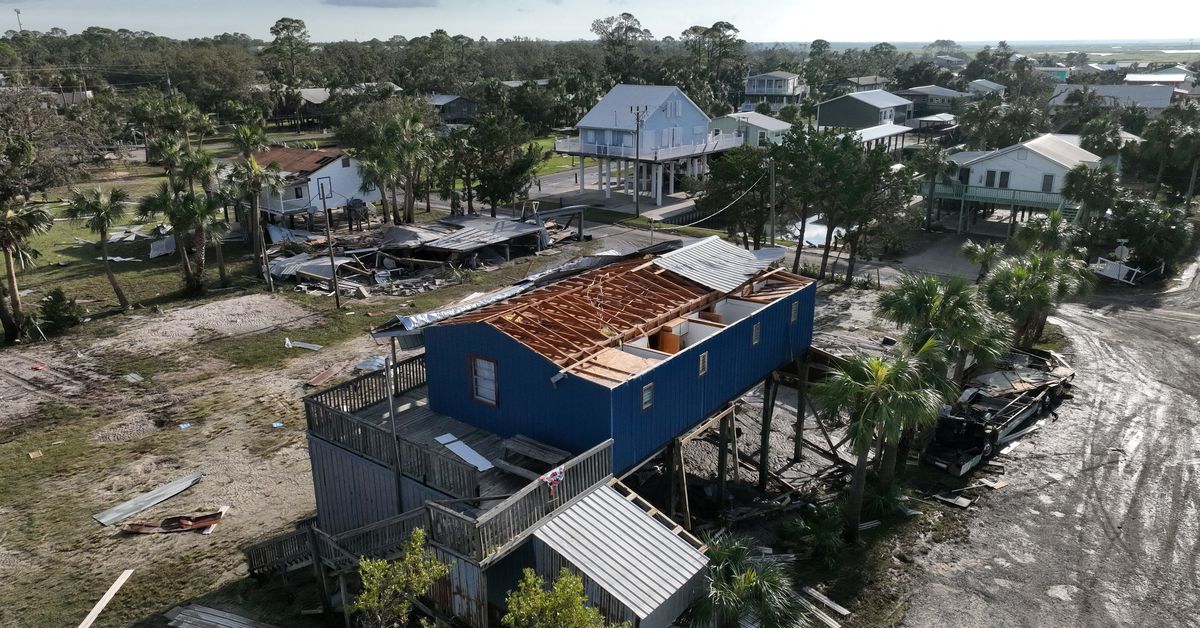
Tropical Storm Idalia drenched the Carolinas with heavy rains, posing a threat of flash flooding, while Florida's Gulf Coast began recovery efforts after the storm hit as a Category 3 hurricane. The storm produced heavy downpours along the coastline, with potential for life-threatening flash flooding. Coastal communities in Florida sustained major damage, but the storm was less destructive than Hurricane Ian. Florida has requested a major disaster declaration, and authorities will assess the extent of the damage. Idalia highlighted the trend of rapidly intensifying cyclonic storms, attributed to climate change.
President Joe Biden called Florida Governor Ron DeSantis to inform him that he signed a major disaster declaration and authorized federal resources to assist with the response to tropical storm Idalia.
Tropical Storm Idalia has caused flooding and destruction in the Southeast, including Florida, Georgia, South Carolina, and North Carolina. The storm left a trail of devastation, with power outages affecting half a million customers and causing damage to infrastructure. While the storm was less destructive than initially feared, it still caused significant damage to rural areas. Idalia is expected to weaken as it moves towards the Atlantic Ocean, but coastal areas should remain cautious of life-threatening surf and rip currents. Rescue and repair efforts are underway, and President Joe Biden has assured the affected states of his administration's support.
Tropical Storm Idalia continues to cause devastation as it moves offshore, with power outages exceeding 300,000 customers across Florida, Georgia, South Carolina, and North Carolina. The storm has brought heavy rainfall, flash flooding, and damaging winds to the region, resulting in flooded streets, record water levels, and thousands of damaged homes. Emergency response efforts are focused on restoring power, clearing debris, and rescuing stranded residents. President Joe Biden has approved a disaster declaration for South Carolina, and FEMA is coordinating relief efforts. Idalia is expected to continue bringing rain and gusty winds to eastern North Carolina before moving out over the Atlantic Ocean.
Tropical Storm Idalia, previously a Category 3 hurricane, has caused devastating flooding and damage in Florida, Georgia, and the Carolinas. Thousands of homes have been damaged, and record water levels have been reported in several areas. Power outages have affected hundreds of thousands of residents, and there have been reports of fatalities. The storm is currently a tropical storm and continues to pose a threat of flash flooding in North Carolina. Cleanup and recovery efforts are underway, with some school districts reopening.
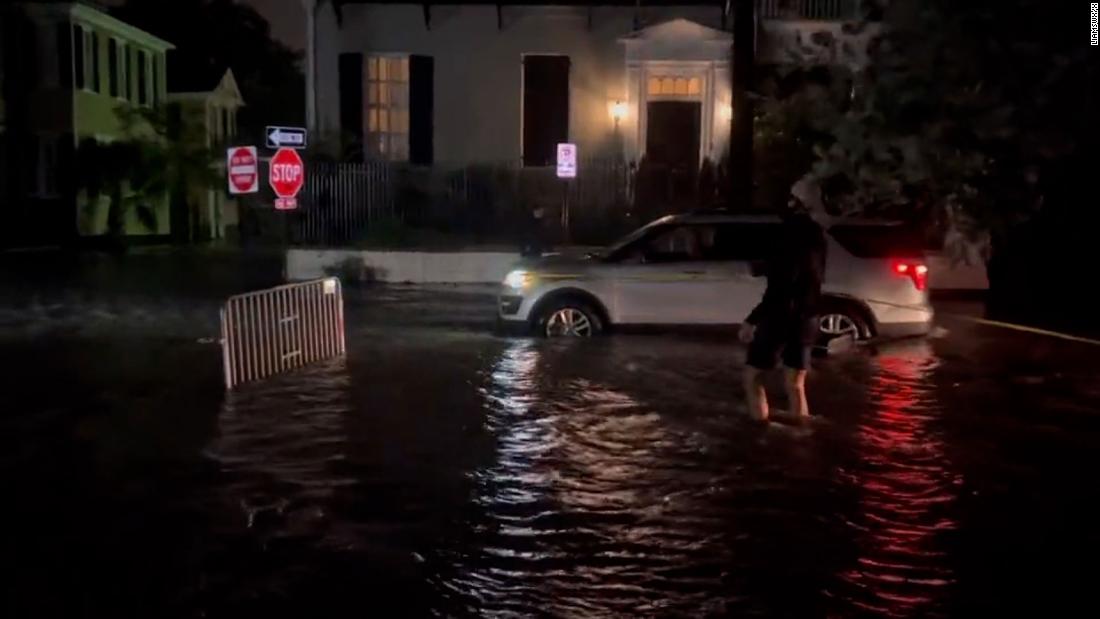
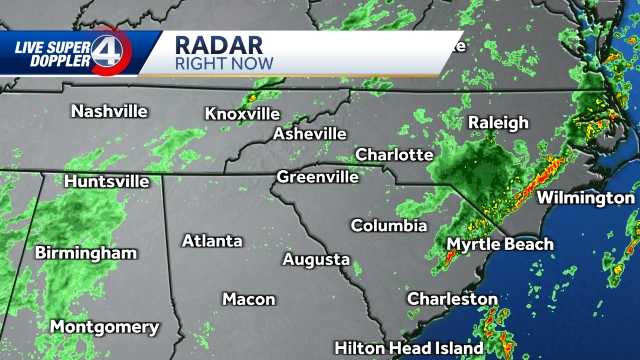
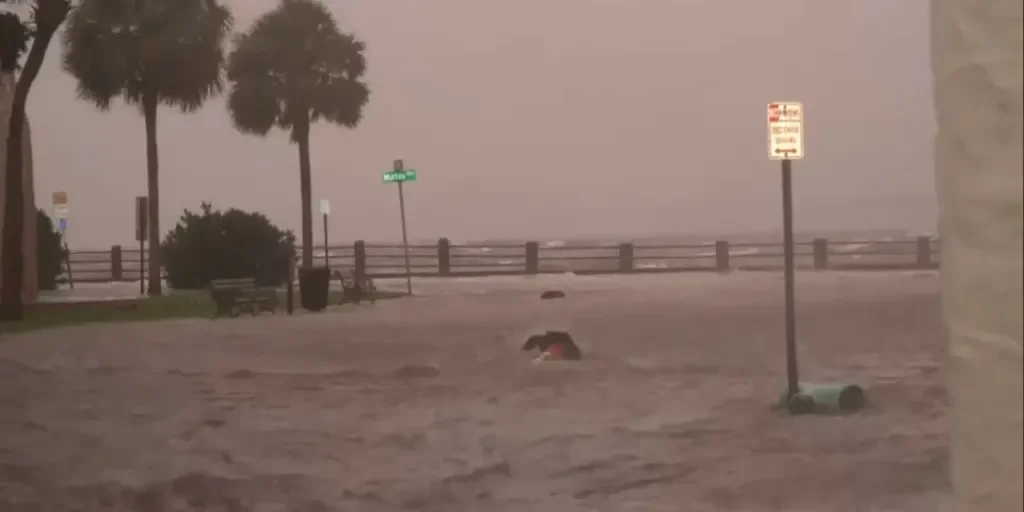
Tropical Storm Idalia is hitting the South Carolina coast with heavy rain, strong winds, and high storm surge. Wind gusts are currently at 65 mph, and the storm made landfall in Florida as a category 3 storm. Flooding is being reported in the Charleston area, and tide levels in the Charleston Harbor are over 9 feet. Wind gusts along the coast could reach 70-80 mph. The storm is also bringing scattered rain to the Upstate region of South Carolina.
Tropical Storm Idalia has caused storm surge and major coastal flooding in Charleston, South Carolina, with water breaching the Charleston Battery and tide levels in the Charleston Harbor reaching over 9 feet. The combination of Idalia, swells from Franklin, and the full moon has created the perfect conditions for flooding in low-lying communities in the Carolinas. The water levels in Charleston are the 5th highest ever reported in the city.
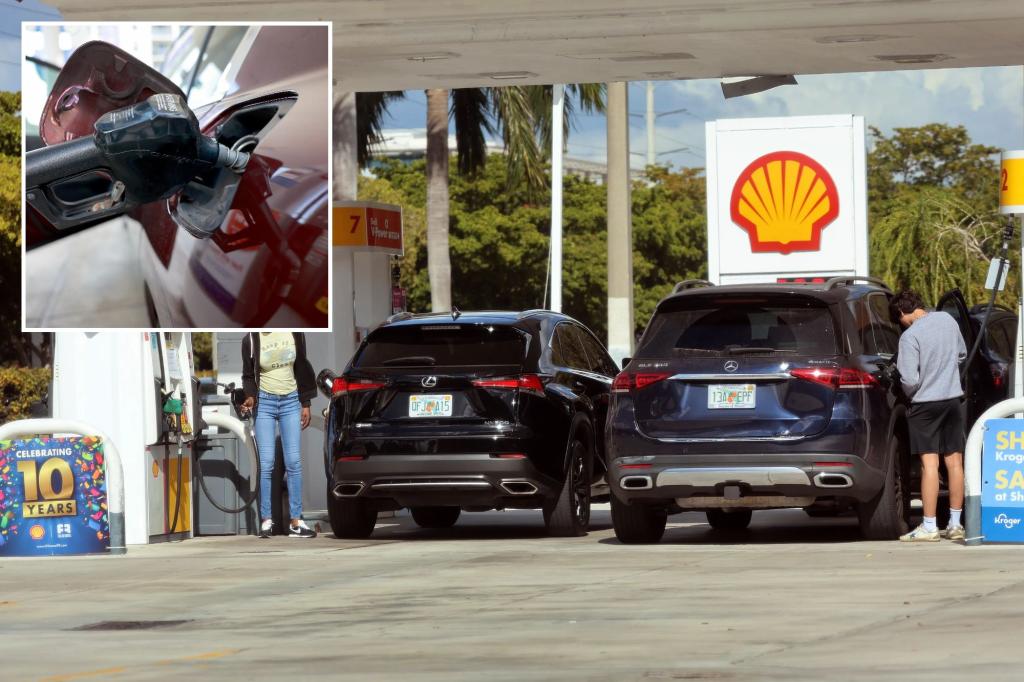
Gas stations in Southwest Florida serviced by the Port of Tampa received contaminated gasoline due to human error, potentially impacting drivers ahead of Tropical Storm Idalia's arrival. The Florida Department of Agriculture & Consumer Services (FDACS) has identified the issue and urged affected drivers to file complaints. Governor Ron DeSantis confirmed that diesel was mistakenly put into tanks meant for regular gas. The contamination was discovered through a weight check, and two out of three inspected gas stations tested positive for contamination. As Idalia intensifies and approaches Florida's Gulf Coast, more than half of the state's counties are under states of emergency, with storm surge, rain, and hurricane-force winds expected to arrive on Tuesday.
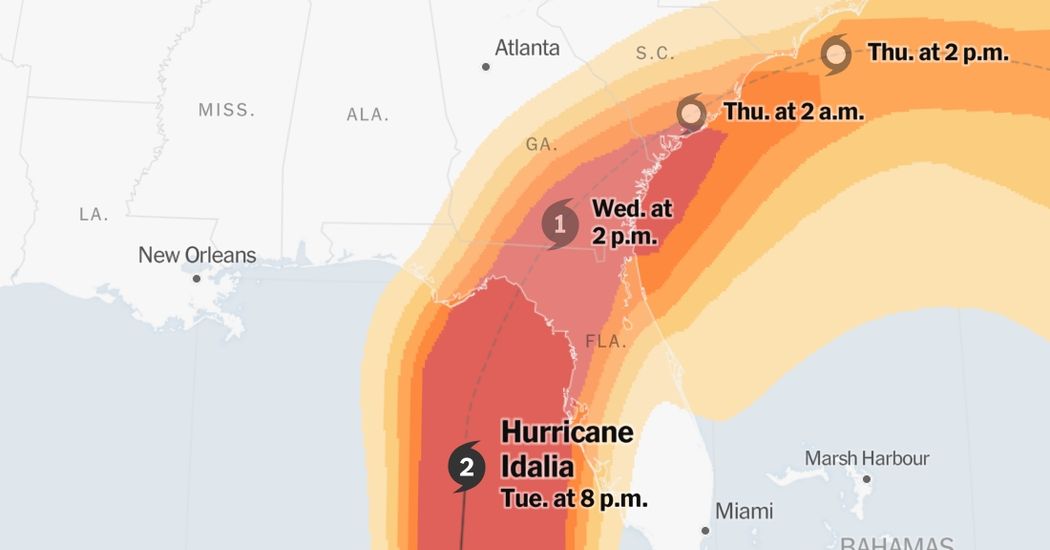
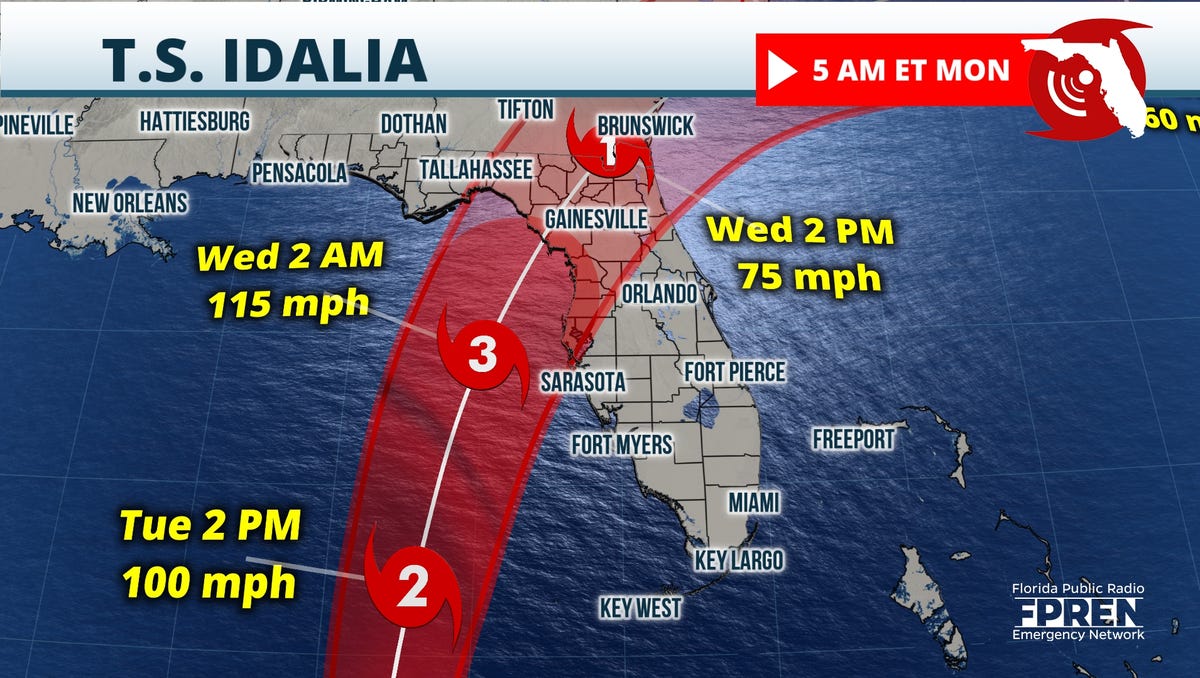
Tropical Storm Idalia is expected to rapidly intensify into a Category 3 hurricane as it heads towards Florida's Gulf Coast, posing a major threat of dangerous storm surge and winds. The storm is forecasted to make landfall on Wednesday morning near the Big Bend of Florida, with potential impacts felt across the state and into neighboring areas. Evacuations have been ordered in several counties, airports are closing, and emergency declarations have been issued. Residents are urged to take the storm seriously and prepare for power outages. The storm's rapid intensification is attributed to the warm waters of the Gulf of Mexico.
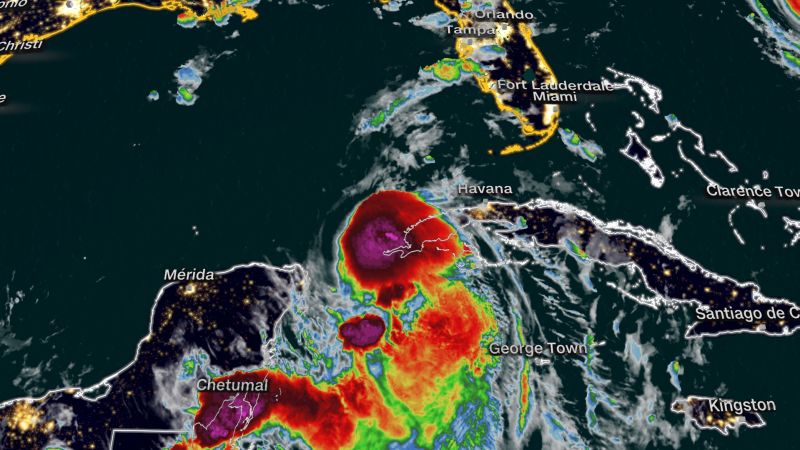
Tropical Storm Idalia is currently in the Gulf of Mexico with sustained winds of 70 mph. It is forecasted to strengthen into a major hurricane before making landfall in Florida early Wednesday. Tropical-storm-force winds are expected to arrive as weather conditions deteriorate, serving as a deadline for storm preparations and potential evacuations. This year's Atlantic hurricane season is expected to be near-normal, with the presence of El Niño increasing wind shear and potentially impeding hurricane formation. However, heightened sea surface temperatures pose additional threats, including the potential for supercharged storms.
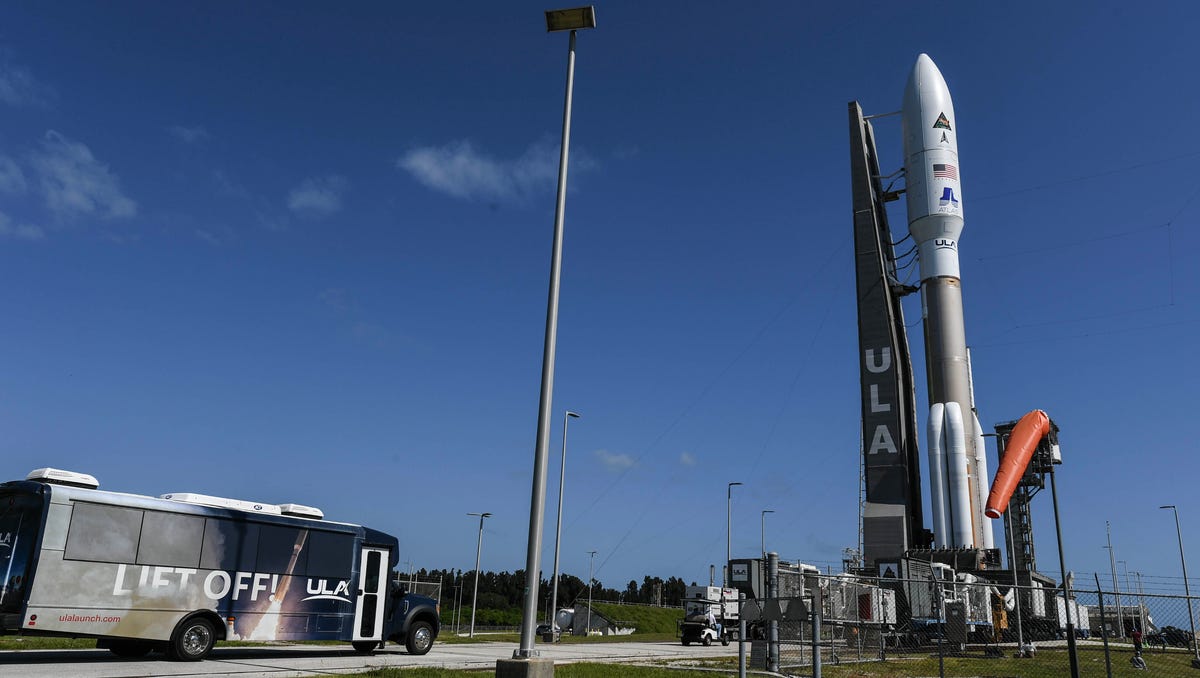
United Launch Alliance (ULA) postponed the Atlas 5 launch from Cape Canaveral due to Tropical Storm Idalia, which is expected to become a Category 3 hurricane. The launch, carrying a critical national security payload for the Silentbarker mission, was rolled back to the Vertical Integration Facility for personnel safety. The mission aims to track satellites in geostationary orbit and detect any unexpected or threatening activities. ULA will determine a new launch date after the storm passes.
United Launch Alliance (ULA) has delayed the launch of the NROL-107 mission due to the approaching Tropical Storm Idalia. The Atlas V rocket carrying a classified national security payload will be rolled back to ULA's vertical integration facility at Cape Canaveral Space Force Station for protection. The new launch date has not been announced yet.
Tropical Storm Idalia is projected to bring rain and winds to the Savannah area on Wednesday, with the storm expected to strengthen into at least a Category 3 hurricane before making landfall. The National Weather Service has issued a tropical storm watch and storm surge warning for the Georgia coast, including Bryan, Chatham, Liberty, McIntosh counties, and coastal Effingham County. There is a 40% chance of flash flooding in Savannah, according to the NWS Charleston.
Mandatory and voluntary evacuations have been issued for parts of the Suncoast in Florida as Tropical Storm Idalia approaches, with Sarasota County issuing a mandatory Level A evacuation on August 29 and Manatee County issuing a mandatory Level A evacuation and voluntary Level B evacuation on August 28.
President Biden has approved an emergency declaration for the State of Florida in response to the conditions caused by Tropical Storm Idalia. The declaration authorizes FEMA to coordinate disaster relief efforts and provide assistance to save lives and protect property in multiple counties. FEMA will mobilize necessary resources and equipment, with emergency protective measures funded at 75 percent by the federal government. Brett H. Howard has been appointed to coordinate federal recovery operations in the affected areas.