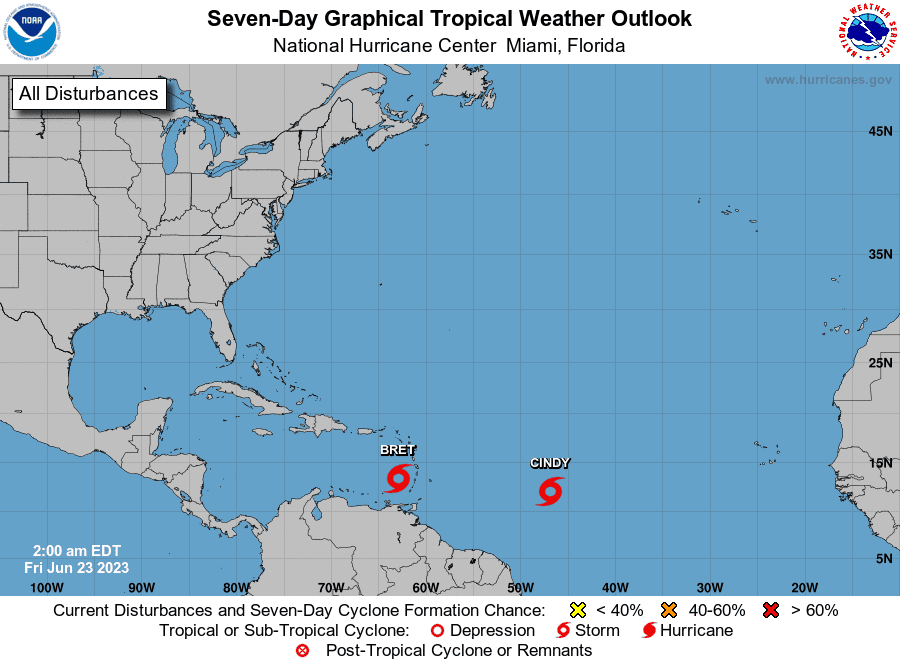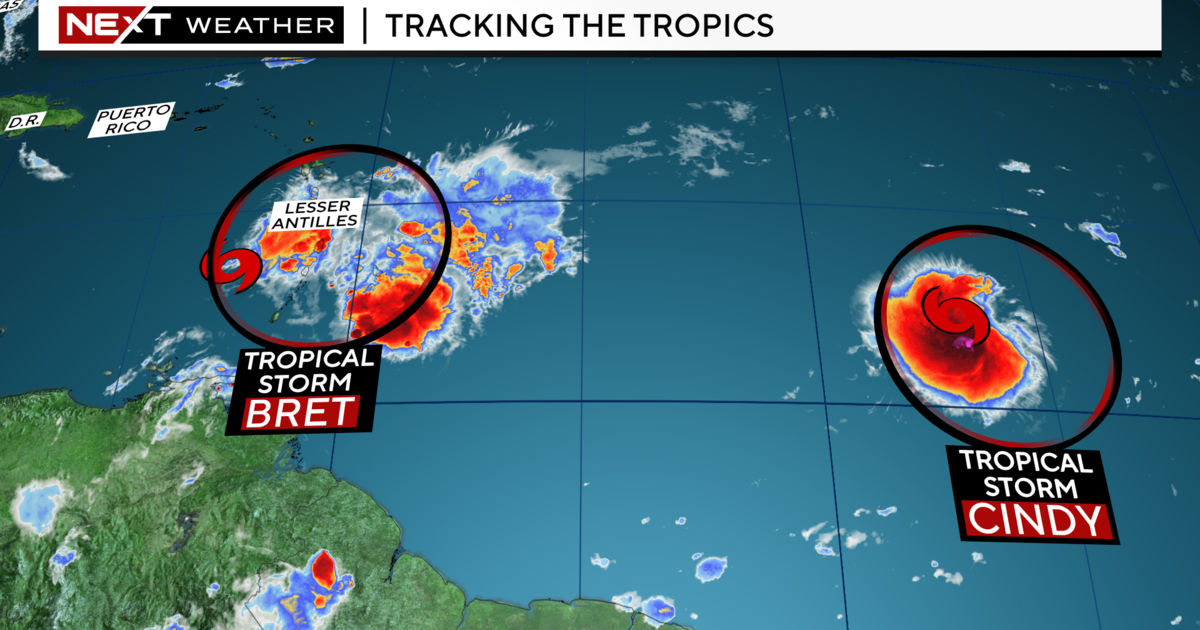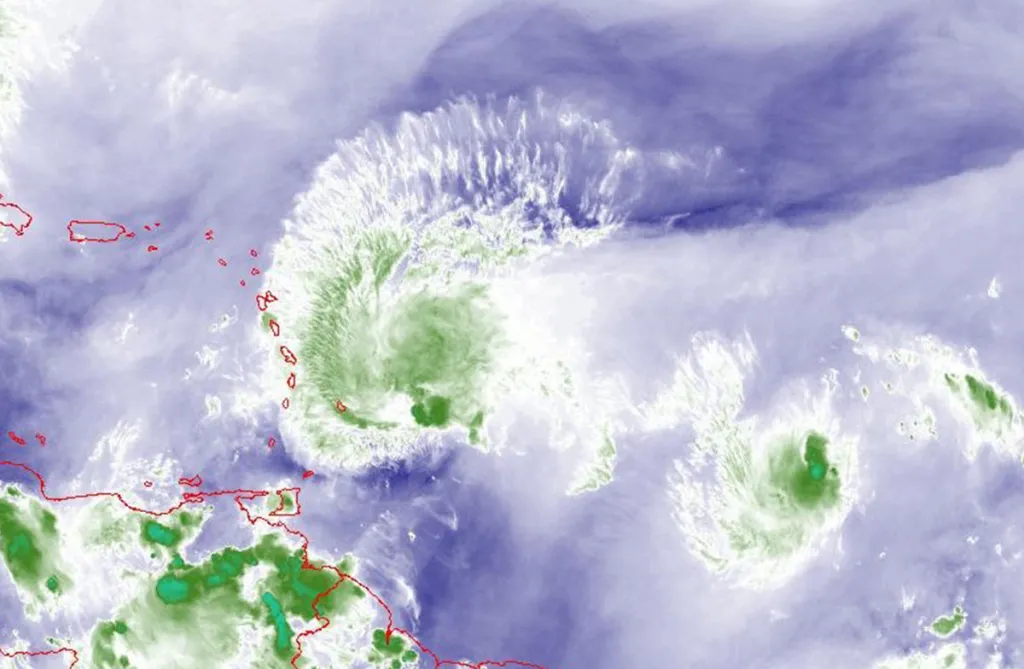
Tropical Storm Cindy and Tropical Storm Bret are expected to weaken and dissipate over the next few days, with no hazards to land expected. The US is not expected to be impacted by either storm, but residents are urged to continue monitoring the tropics and to always be prepared. The peak of the hurricane season is Sept. 10, with the most activity happening between mid-August and mid-October, according to the Hurricane Center.
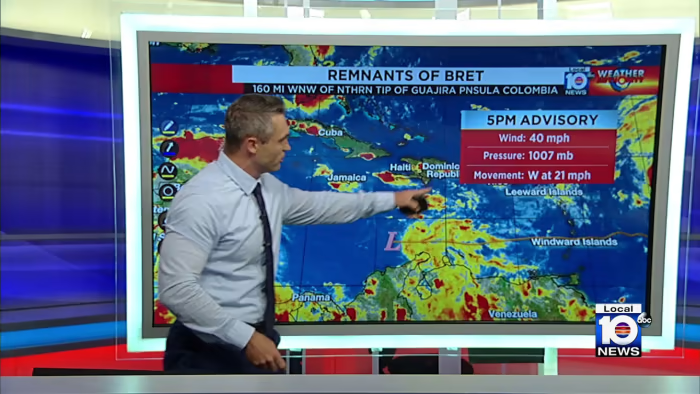
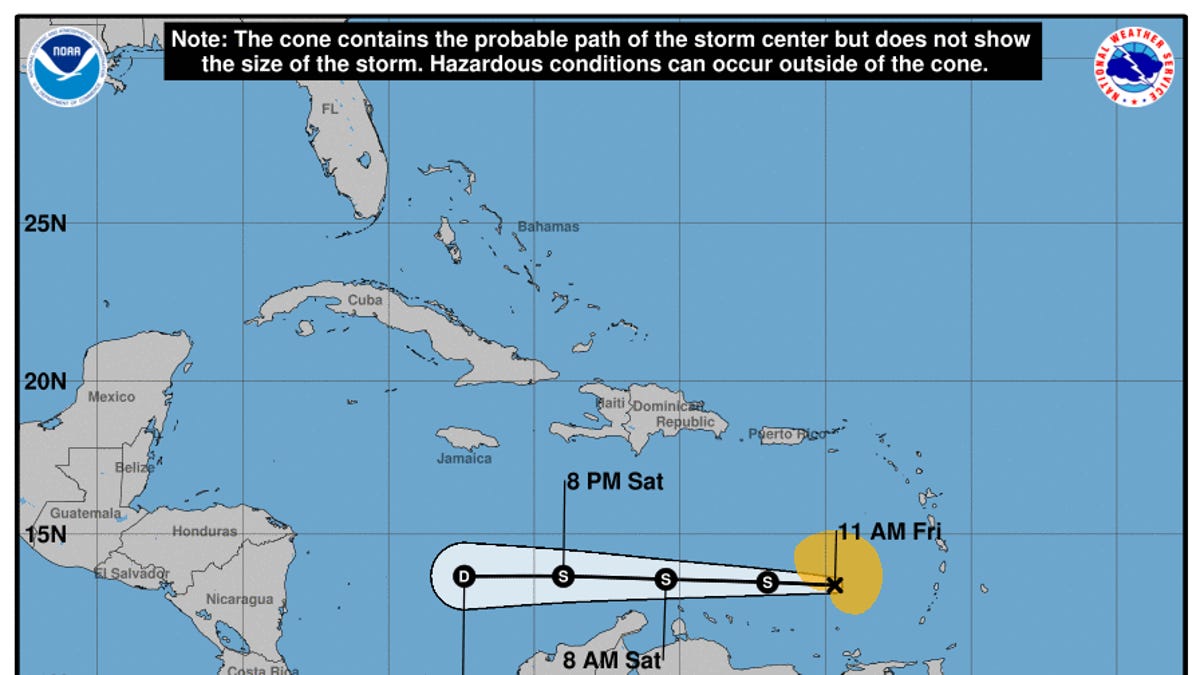
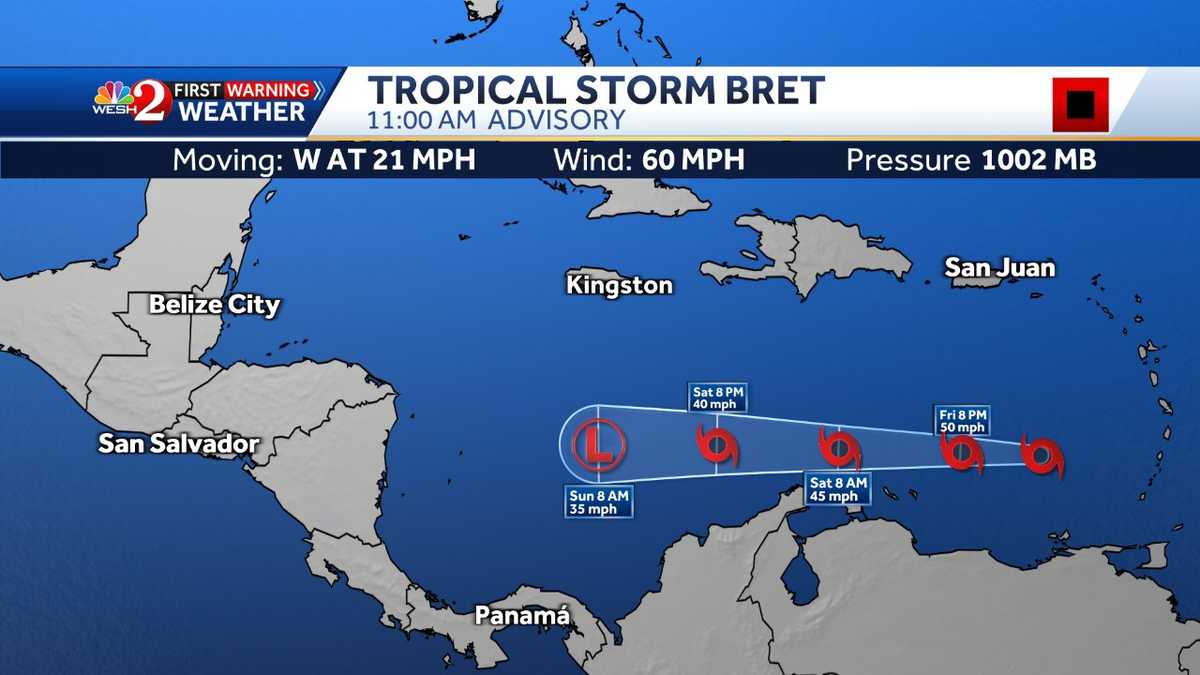
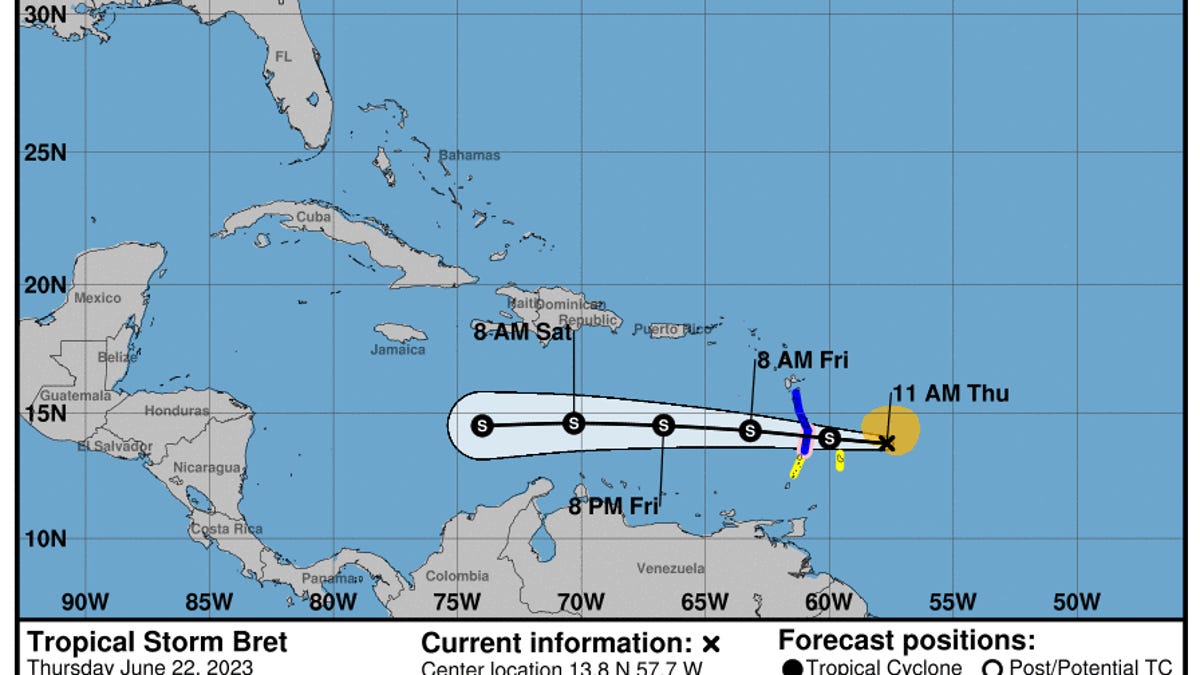
Tropical Storm Cindy is expected to weaken and fizzle out by late Tuesday or Wednesday after interacting with an upper-level shear that should last over 72 hours. Meanwhile, Tropical Storm Bret is expected to dissipate by Saturday night as it heads towards the central Caribbean Sea. There are no severe storm warnings in the U.S. as Cindy’s projected path keeps it away from landfall for now. This is the first time since 1968 that two tropical storms have formed in June at the same time. The National Oceanic and Atmospheric Administration has forecast 12 to 17 named storms for this year’s hurricane season.
Tropical Storms Cindy and Bret are moving westward, with Cindy expected to continue in this direction over the next few days and Bret losing strength over the eastern Caribbean Sea. Neither storm is expected to affect Southwest Florida. Cindy is not expected to reach hurricane status, while Bret is expected to dissipate over the central Caribbean Sea over the weekend.
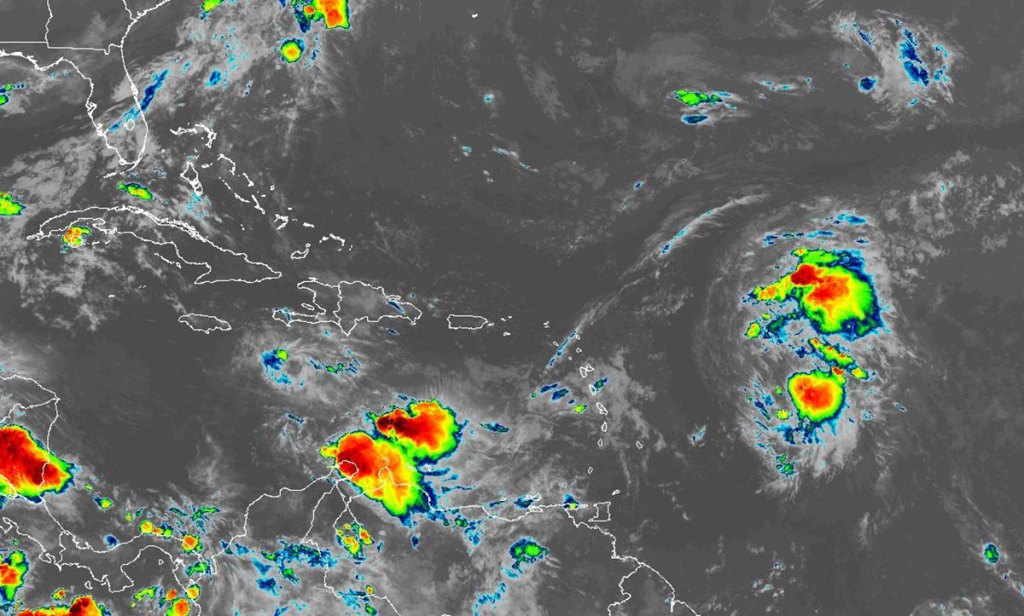
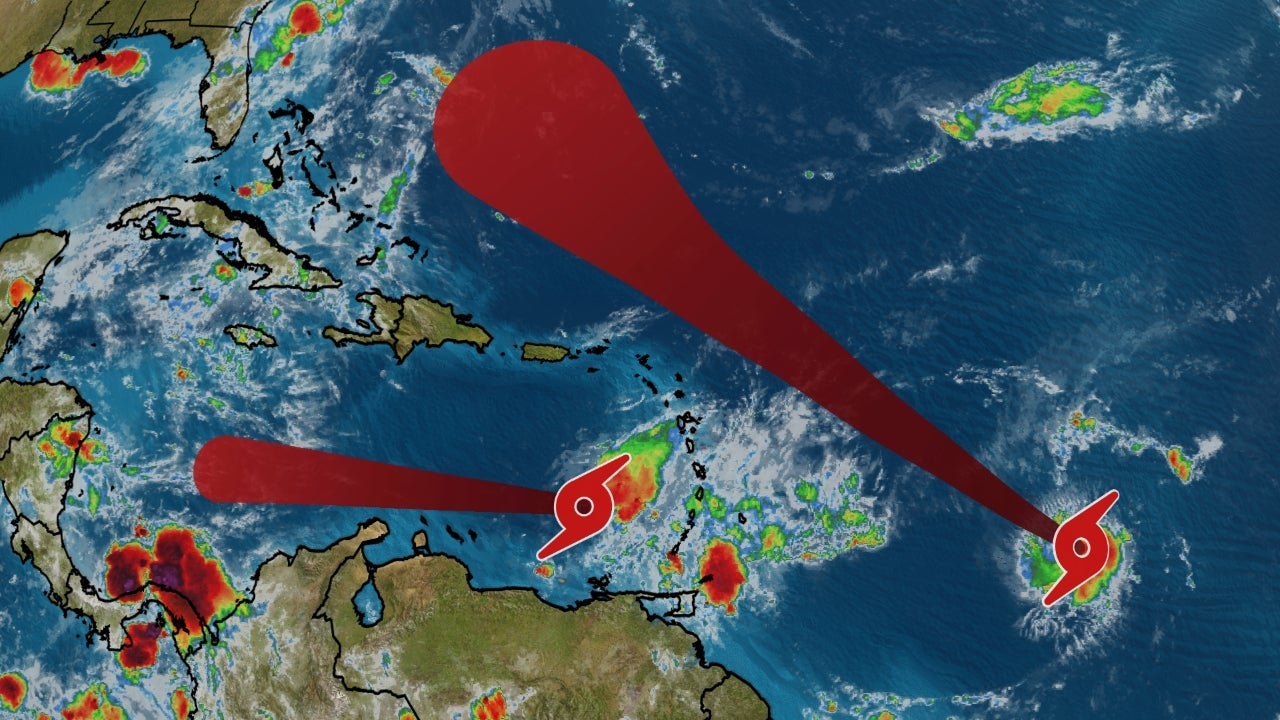
The Atlantic hurricane season has two named storms, Bret and Cindy, at the same time in June for the first time since 1968. Bret caused damage in the Caribbean, while Cindy is not forecast to approach any land areas as it spins far from land in the open Atlantic. The historic event signals an early and aggressive start to the Atlantic hurricane season that began June 1 and whose peak usually runs from mid-August to mid-October.
Tropical Storm Cindy gains strength with sustained winds of 60 mph, while Tropical Storm Bret weakens and is expected to dissipate over the central Caribbean Sea. Cindy is not expected to become a hurricane and is no threat to land for now. This is the first time since 1968 that the Atlantic has two named storms in June simultaneously. The National Oceanic and Atmospheric Administration projects an average hurricane season with 12 to 17 named storms, of which five to nine would grow into hurricanes.
Tropical Storm Bret weakens as it moves away from the eastern Caribbean islands after producing wind gusts upwards of 60 mph. All Tropical Storm Warnings have been dropped as the storm moves farther away. The NHC predicts that the storm will weaken further and dissipate over the central Caribbean Sea by early Sunday. This marks the first time in recorded history that two tropical cyclones have formed east of the Lesser Antilles in the tropical Atlantic during June.
Tropical Storm Bret is producing gusty winds and heavy rain, but is expected to weaken and dissipate over the central Caribbean Sea by Sunday. Flash flooding remains a concern in the Windward Islands and Lesser Antilles. All watches and warnings have been canceled. Another storm, Tropical Storm Cindy, has formed but is not expected to impact Central Florida.
Tropical Storm Bret weakened in the Caribbean after bringing heavy rain and strong winds to parts of the eastern Caribbean. Meanwhile, Tropical Storm Cindy formed east of the Lesser Antilles, becoming the second rare June deep tropics storm. The combination of Bret and Cindy made history as the first time two tropical storms formed east of the Lesser Antilles in June. Ocean warmth contributed to the development of both storms, with water temperatures in the Atlantic Ocean between Africa and the Lesser Antilles smashing mid-June records.
Today will see an increase in rain and thunderstorms, with caution advised for any outdoor plans due to the risk of dangerous lightning or flash flooding. The weekend will be warmer and more humid, with the chance of storms mainly in the afternoon or evening each day. Tropical Storm Bret is in the Eastern Caribbean, with winds slowing down. More rain is expected for much of next week, but the risk of rain almost every day does not mean all-day washouts.
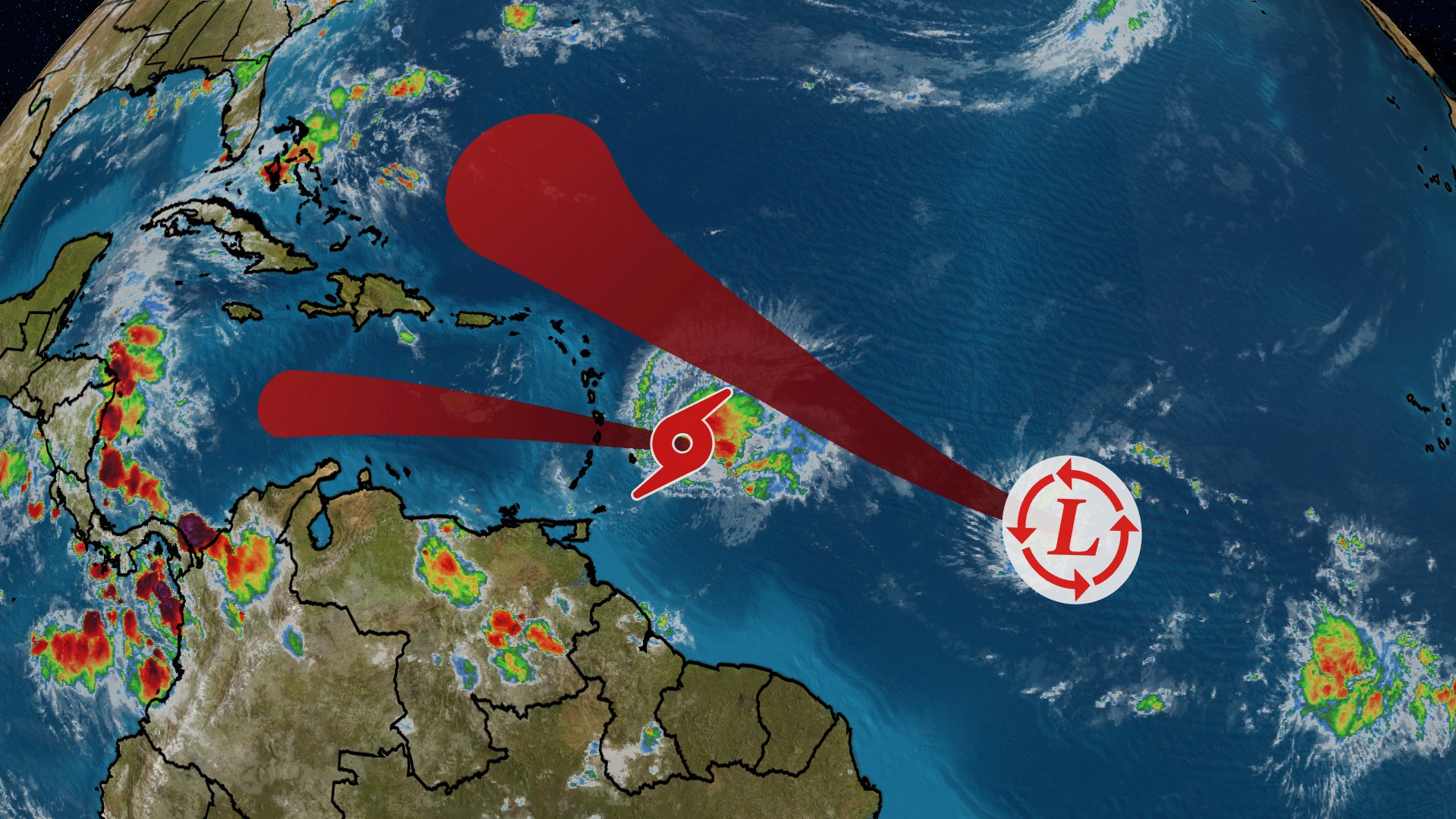
The National Hurricane Center is tracking two tropical storms, Cindy and Bret, in the Atlantic basin. Bret is expected to weaken and become a tropical depression due to wind shear in the Caribbean Sea, while Cindy is not likely to impact land. This is the first time since 1968 that two named storms have occurred in the Atlantic in June at the same time. The Atlantic hurricane season runs from June 1 through Nov. 30, with the peak of the season on Sept. 10.
Tropical Storm Cindy has formed over the Atlantic Ocean and is moving west-northwest at 15 mph, but is not expected to pose a threat to Florida. Meanwhile, Tropical Storm Bret is swirling in the Caribbean with sustained winds of 60 mph and is expected to dissipate over the central Caribbean Sea by Saturday night or Sunday. No coastal watches or warnings have been issued so far for either storm.
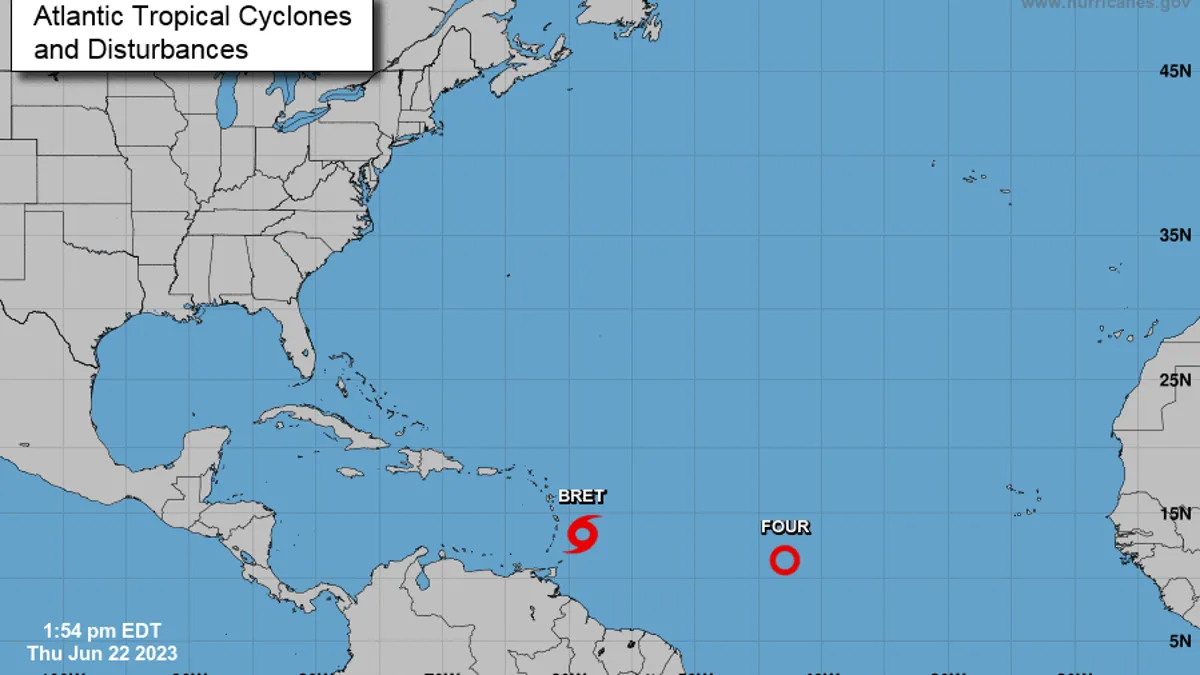
Tropical Storm Cindy has formed in the Central Tropical Atlantic, becoming the third named storm of the early hurricane season, while Tropical Storm Bret is making its way through the Caribbean's Leeward Islands. A second system in the Atlantic became Tropical Depression Four on Thursday morning, according to the National Hurricane Center. The NHC warned storm rainfall through Saturday could be from 3 to 6 inches with some areas seeing as much as 10 inches across the Lesser Antilles from Guadeloupe south to St. Vincent and the Grenadines, including Barbados.
Tropical Storm Bret is near Barbados with maximum sustained winds of 65 mph, while Tropical Depression Four is expected to become a tropical storm soon. The National Hurricane Center is also monitoring two tropical waves in the Atlantic basin. Residents are urged to monitor the tropics and be prepared. The Atlantic hurricane season runs from June 1 through Nov. 30, with the peak of the season on Sept. 10.
Tropical Storm Bret is moving towards the Lesser Antilles, while Tropical Depression Four has formed in the Central Atlantic. Bret is expected to weaken in the eastern Caribbean Sea and bring strong wind gusts, heavy rain, and dangerous waves to the Lesser Antilles. Meanwhile, Tropical Depression Four is no immediate threat to land and is expected to turn towards the northwest over the next few days. The development of these storms is attributed to record ocean warmth in the main development region of the Atlantic Ocean.
Tropical Storm Bret is approaching the eastern Caribbean islands with a hurricane watch issued for St. Lucia. A tropical storm warning is also in effect for Martinique and Dominica, where there is a risk of flooding from heavy rainfall, strong winds, and dangerous waves along the coast. The storm is expected to be near hurricane strength as it passes through the islands. Another storm, Tropical Depression Four, is also spinning in the open Atlantic Ocean.