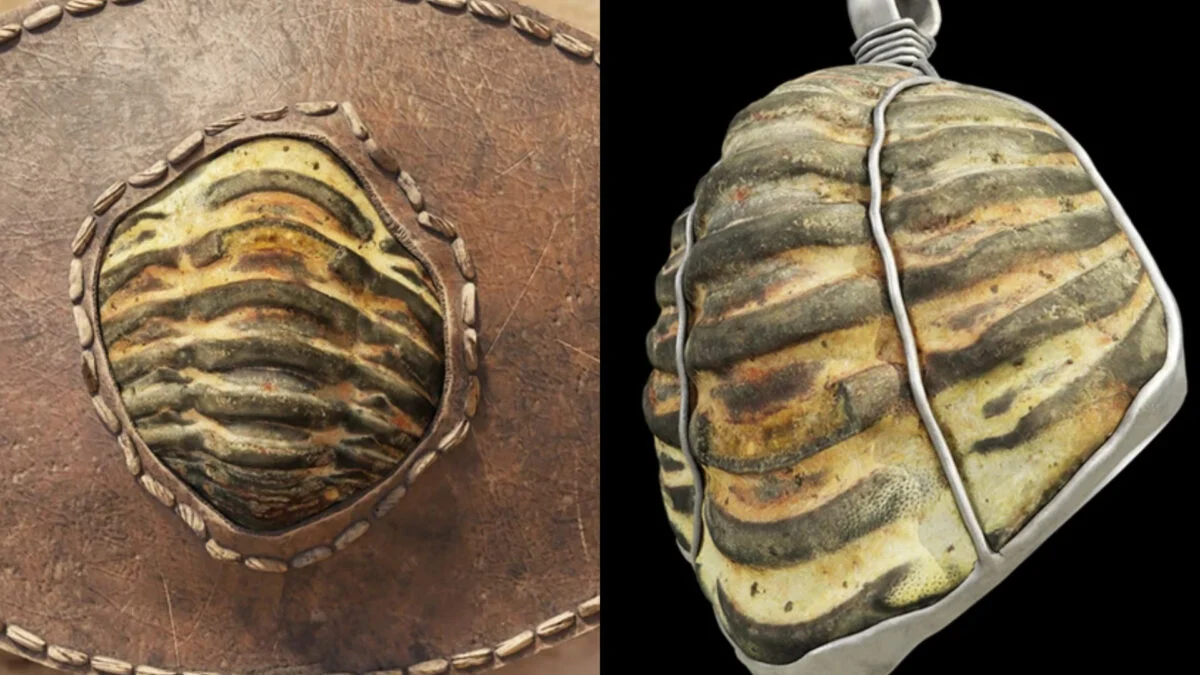
An ancient Roman artifact crafted from a 453-460 million-year-old trilobite fossil was discovered in Spain, representing the earliest known intentional manipulation of such fossils in classical antiquity, likely used for supernatural or medicinal purposes.
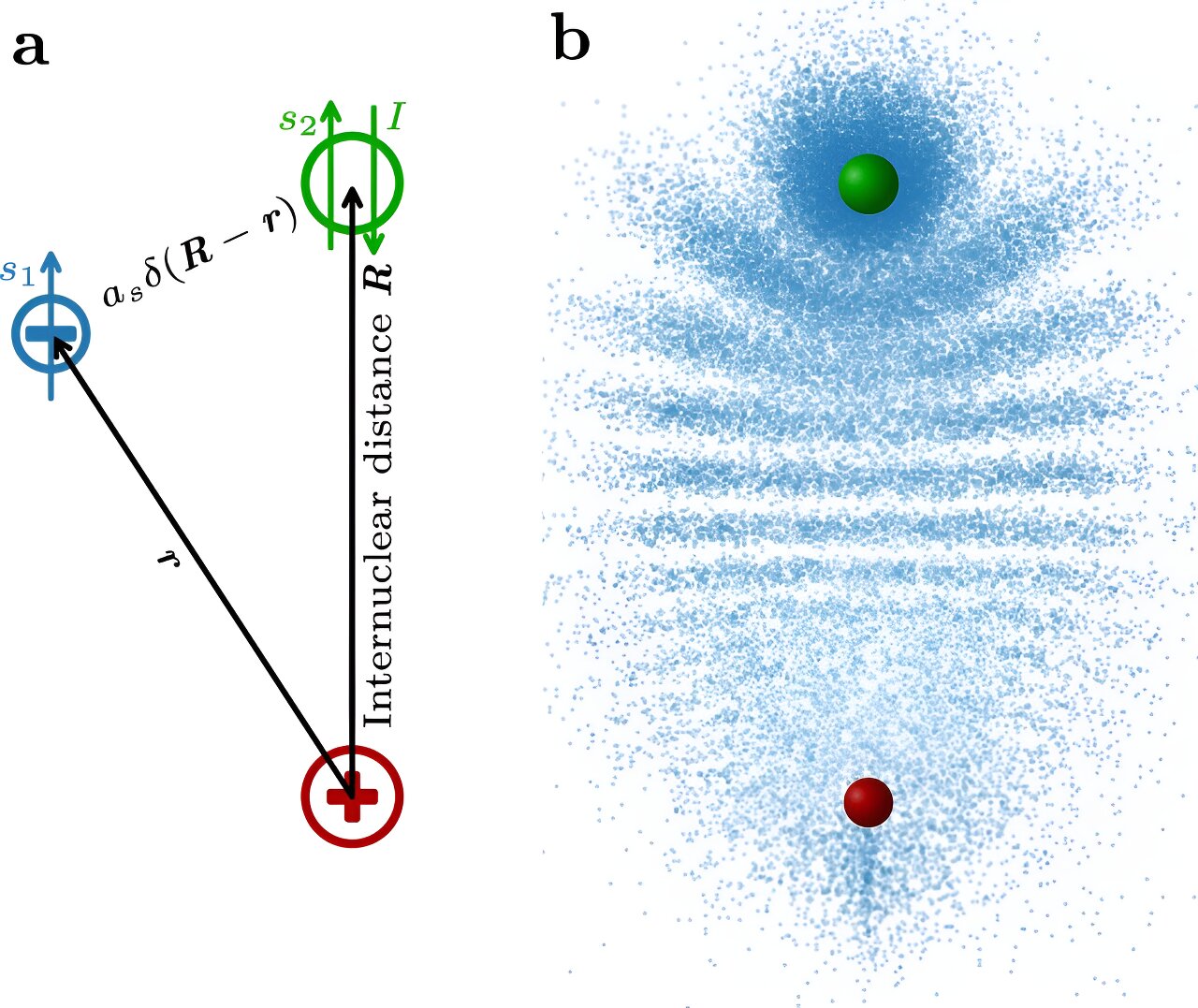
Physicists at the University of Kaiserslautern have successfully observed trilobite Rydberg molecules, which have a unique shape resembling trilobite fossils and the largest electric dipole moments of any known molecule. Using a specialized apparatus, the researchers prepared these molecules at ultralow temperatures and discovered their distinct chemical binding mechanisms. The molecules are formed through the quantum mechanical scattering of a Rydberg electron from a ground state atom, resulting in an effective attraction. The properties of these molecules, including their interference pattern and large bond length, provide insights into fundamental binding mechanisms and their potential applications in quantum computing.
Researchers have discovered the first trilobite specimen with its last meal preserved inside. The Bohemolichas incola trilobite, preserved in 3D detail within siliceous pebbles, had tightly packed shell fragments in its digestive system. The intact shells suggest that the trilobite's digestive system was neutral or basic, similar to modern crustaceans and spiders. The trilobite's prey included benthic invertebrates such as ostracods, hyolith conch snails, and extinct starfish and sea urchin relatives. The researchers suggest that the trilobite was an opportunistic scavenger, feeding on easily disintegrated or small prey. The trilobite's full digestive tract and distortions in its thorax indicate it may have been about to molt.