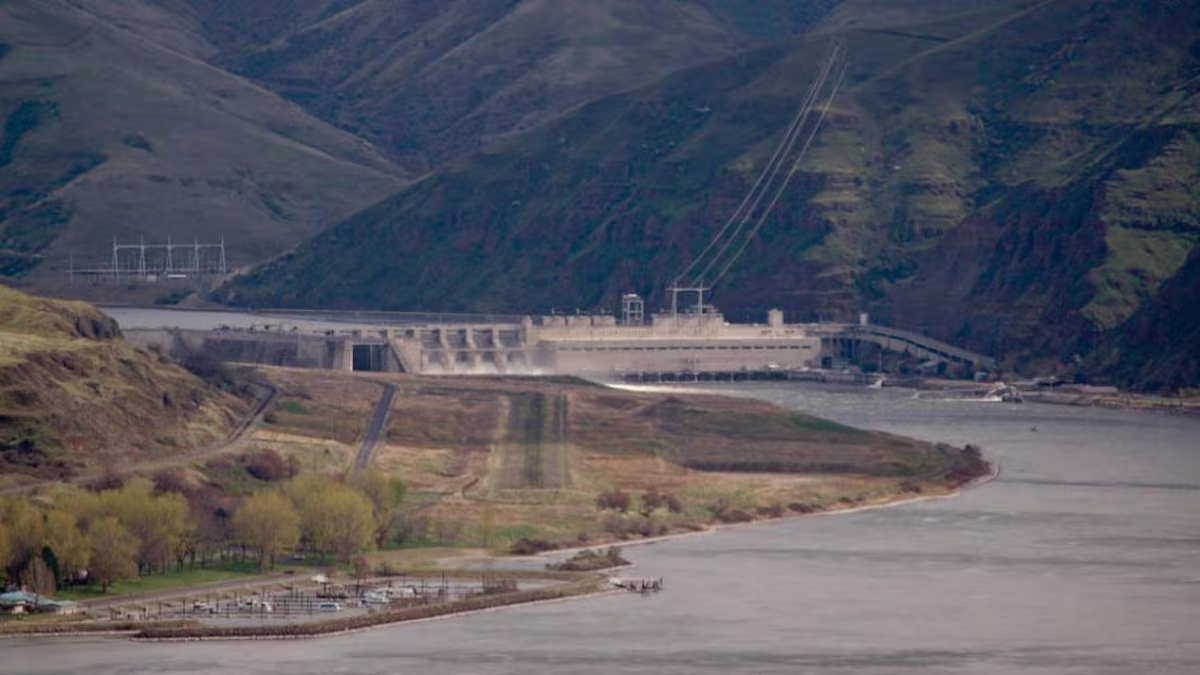
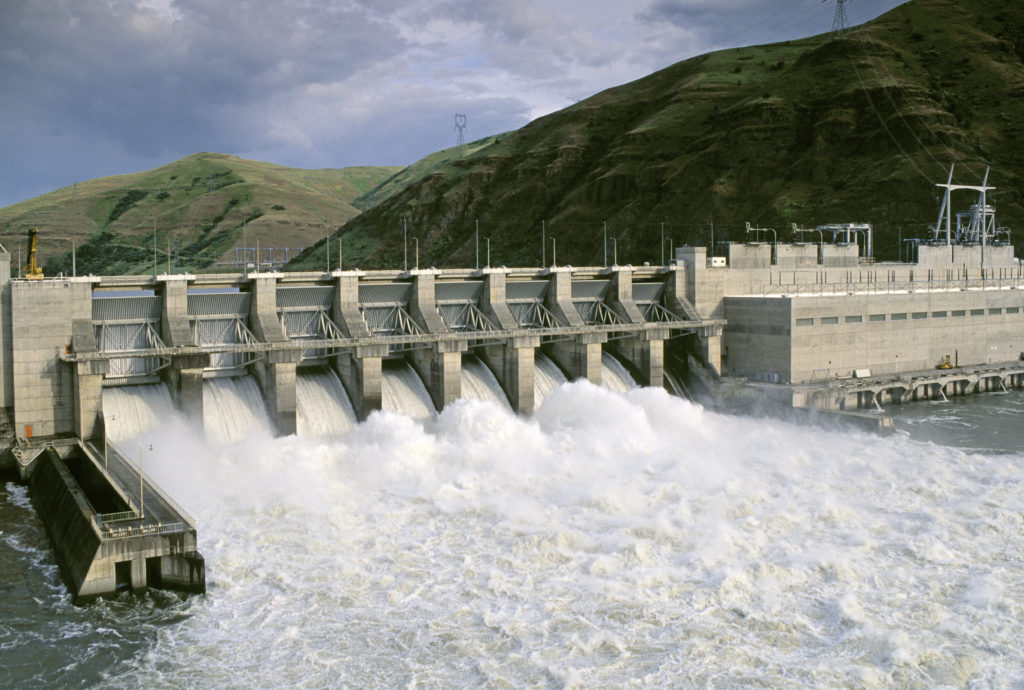
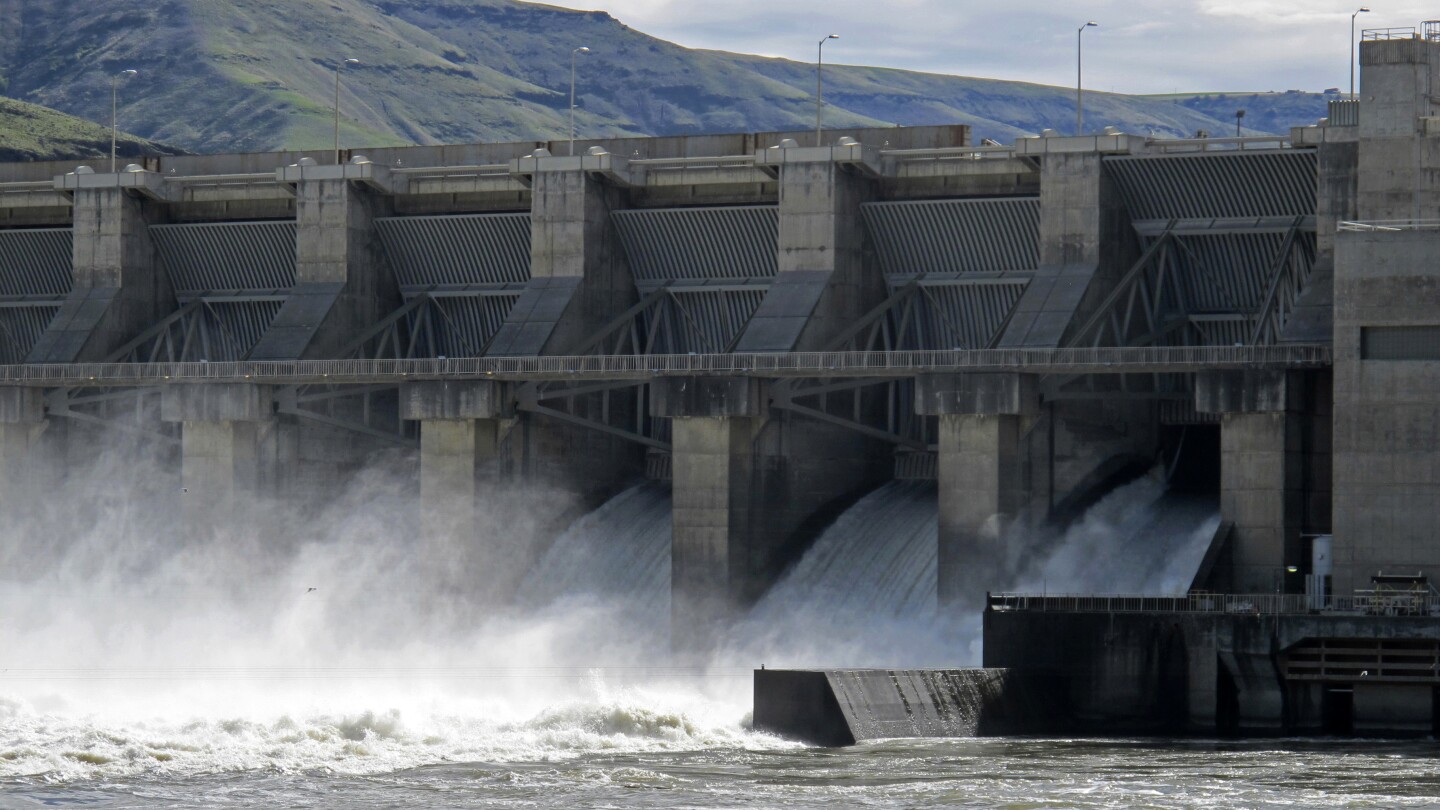
President Trump reversed a 2023 agreement aimed at salmon recovery and dam removal in the Columbia River Basin, halting federal funding and initiatives that supported tribes and environmental efforts, leading to condemnation from tribes and environmental groups and raising concerns about future legal and ecological impacts.
A leaked document from the Biden administration reveals that the U.S. government is willing to support the construction of clean energy projects in the Pacific Northwest as a replacement for the hydropower generated by the controversial Snake River dams. Conservationists see the potential removal of the dams as crucial for restoring depleted salmon runs, but Congress would need to agree on their removal, which is unlikely in the near future. The draft agreement, part of ongoing mediation talks with tribes and conservation groups, also includes funding for analyzing energy needs, improving infrastructure, and restoring native fish populations. Utility and business groups oppose dam breaching, citing potential negative impacts on ports, farmers, and electricity prices.
A leaked document reveals that the U.S. government is willing to support the construction of clean energy projects in the Pacific Northwest to replace the hydropower generated by the controversial Snake River dams. Conservationists see the potential removal of the dams as crucial for restoring depleted salmon runs. However, Congress would need to approve the dam removal, which is unlikely to happen soon. The draft agreement also includes funding for analyzing energy needs, improving infrastructure, and restoring native fish populations. Utility and business groups oppose the agreement, citing potential negative impacts on ports, farmers, and electricity prices. The negotiations are ongoing, and the tribes involved have not commented on the document.
The Navajo Nation, already facing severe water scarcity, has been dealt a blow by a Supreme Court ruling that will make it even harder to secure water for its 170,000 enrolled tribal members. The court ruled that an 1868 treaty "contains no language imposing a duty on the United States to take affirmative steps to secure water for the Tribe." The decision is a win for states that rely on the Colorado River, but leaves the tribe at a serious disadvantage. The Navajo Nation must now ask Congress to act or the Supreme Court to reopen a prior case to access water from the lower Colorado River.
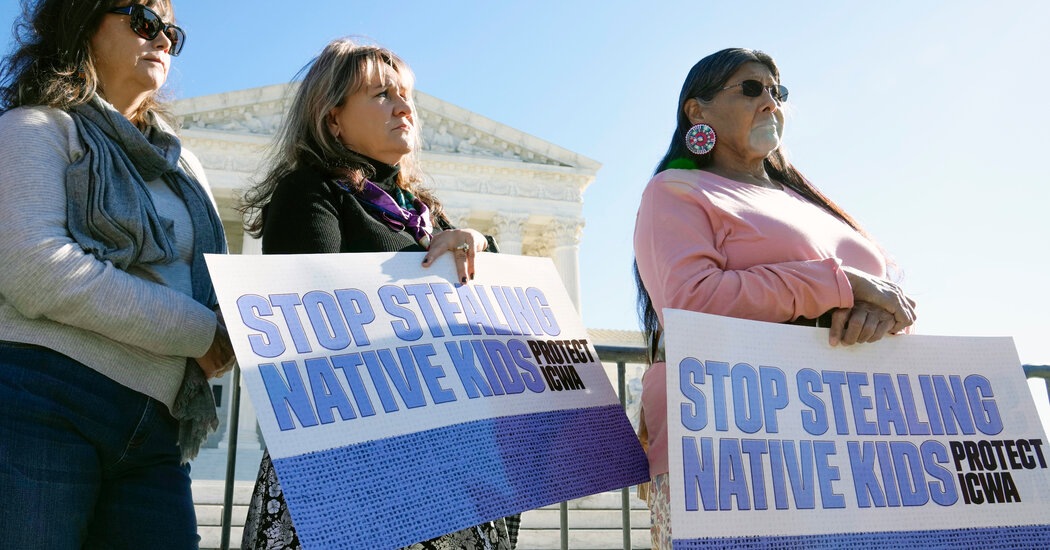
The Supreme Court upheld the Indian Child Welfare Act of 1978, which aims to keep Native American adoptees within their tribes and traditions. The law prioritizes adoption by extended family members, then members of the tribe, and finally "other Indian families." The case pitted a white foster couple from Texas against five tribes and the Interior Department. The couple argued that the law violated equal protection principles and discriminated against Native children and non-Native families who wanted to adopt them. The tribes argued that doing away with the law could imperil nearly every aspect of Indian law and policy, including measures that govern access to land, water, and gambling.
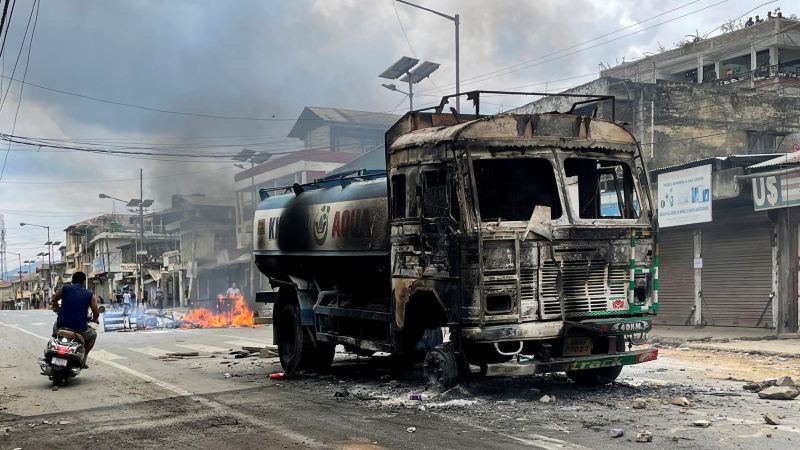
Authorities in Manipur, India have issued "shoot-at-sight" orders after violent clashes broke out between tribal and non-tribal groups over the potential inclusion of the Meitei ethnic group in India's "Scheduled Tribe" grouping. Scheduled tribes are among the most socio-economically disadvantaged groups in India and have historically been denied access to education and job opportunities. The clashes have resulted in properties and vehicles being set ablaze, and troops from the Indian army have been deployed to violence-affected areas.