Tag

Triassic Era

All articles tagged with #triassic era

"Triassic Discovery: Uncovering a New Crocodile Ancestor in Ancient Tanks"
paleontology1 year ago

"Triassic Discovery: Uncovering a New Crocodile Ancestor in Ancient Tanks"

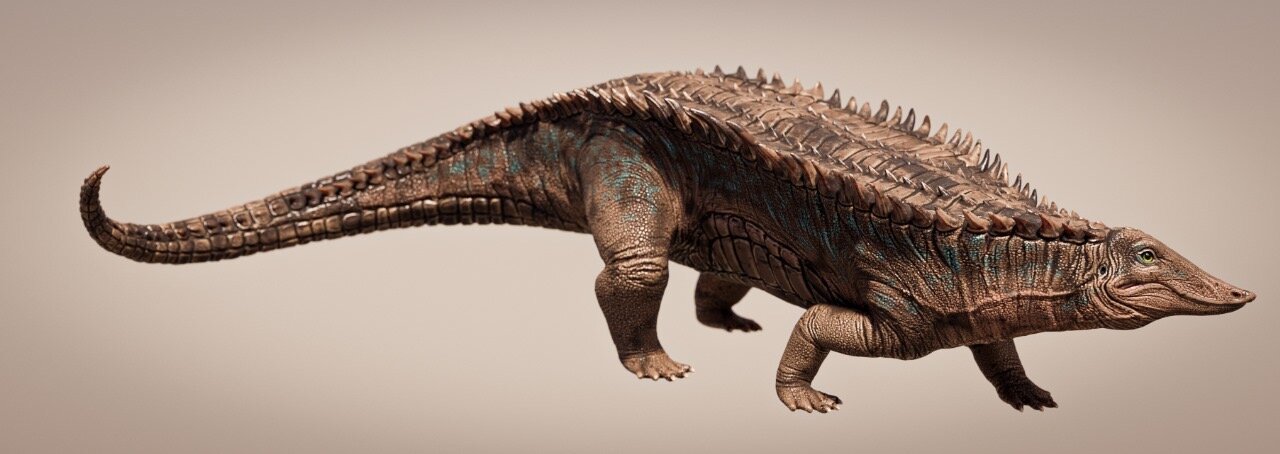
Researchers at The University of Texas at Austin have identified a new aetosaur species, Garzapelta muelleri, from a 70% complete suit of armor found in northwest Texas. This heavily armored crocodile ancestor lived about 215 million years ago and had bony plates embedded in its skin, along with curved spikes for protection. The study also revealed that the spikes on Garzapelta evolved independently, leading to challenges in determining its place in the aetosaur family tree. The research highlights the significance of museum collections in paleontological studies and raises questions about the impact of age and sex on aetosaur armor appearance.
Ancient Flying Reptile Unearthed in Somerset Hills
paleontology2 years ago

Ancient Flying Reptile Unearthed in Somerset Hills

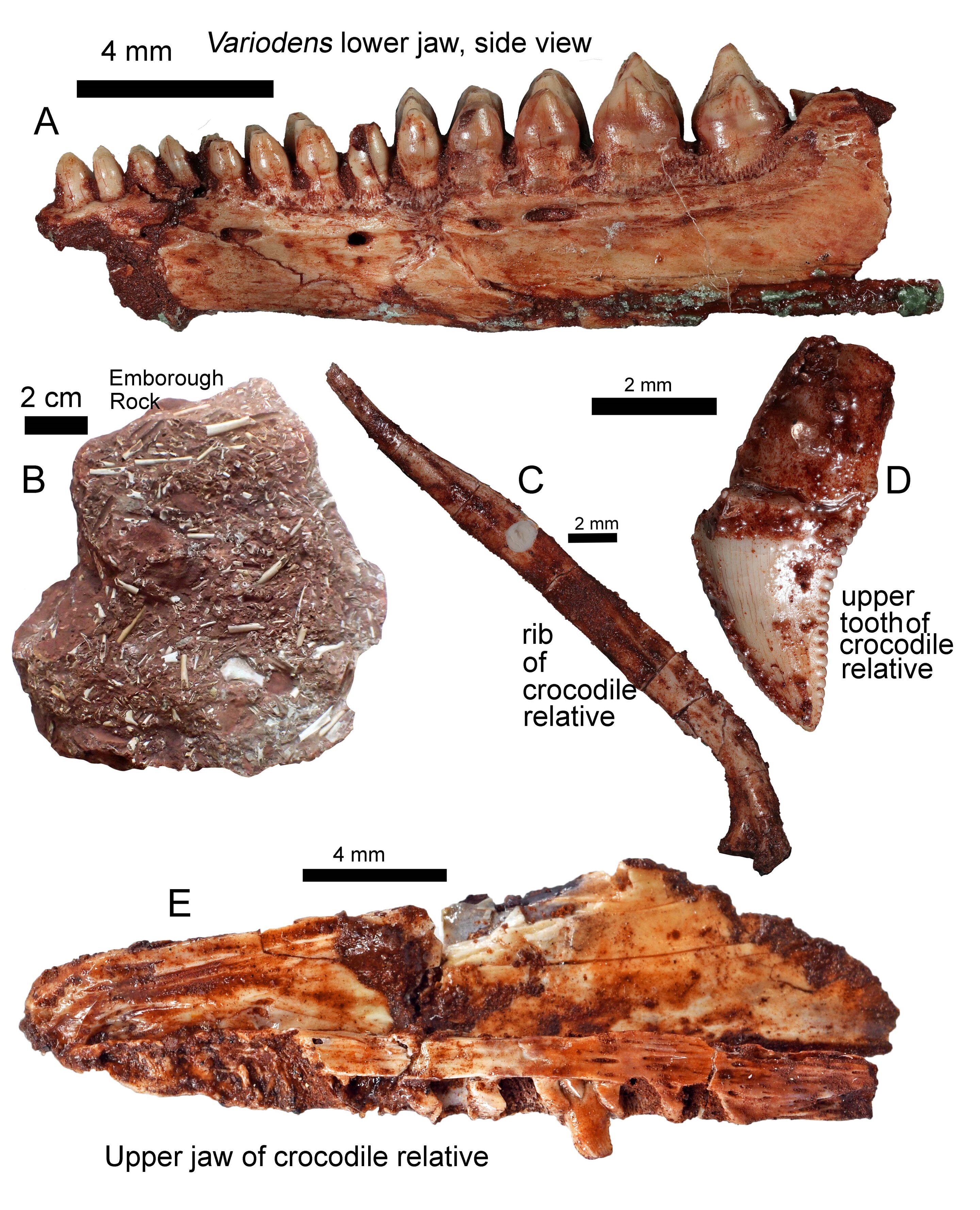
A University of Bristol student, Mike Cawthorne, has discovered the partial skeleton of a 200-million-year-old gliding reptile called Kuehneosaurus in Somerset. The reptile, resembling a lizard but closely related to crocodilians and dinosaurs, had the ability to glide from tree to tree using its elongated side ribs. The discovery was made while researching reptile fossils from limestone quarries on the Mendip Palaeo-island, which was a sub-tropical island during the Late Triassic period. The study also revealed the presence of other small reptiles, such as the trilophosaur Variodens and the aquatic Pachystropheus, indicating a diverse ecosystem in the area.

Prehistoric Creatures' Eating Flaw Revealed.
science2 years ago

Prehistoric Creatures' Eating Flaw Revealed.

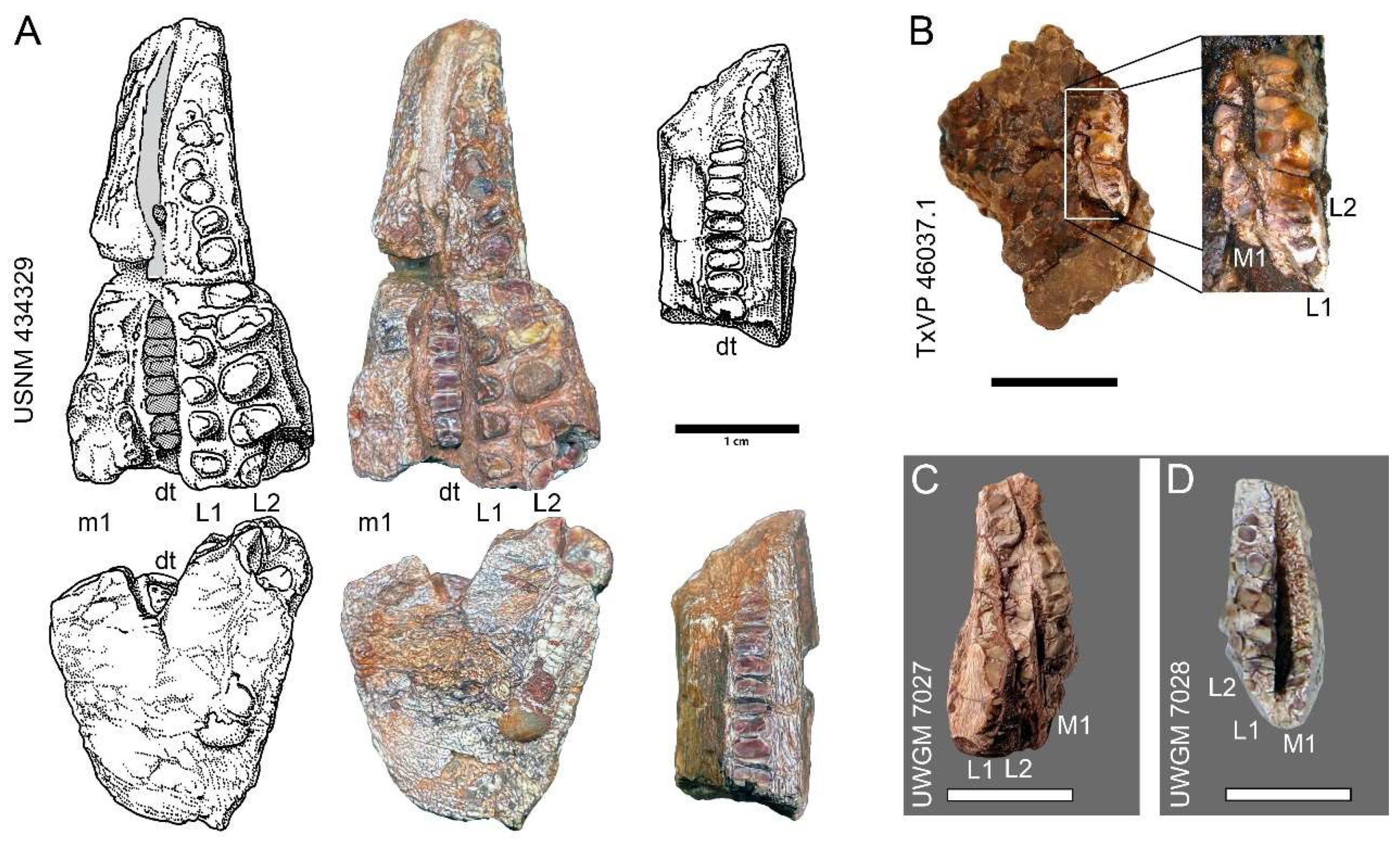
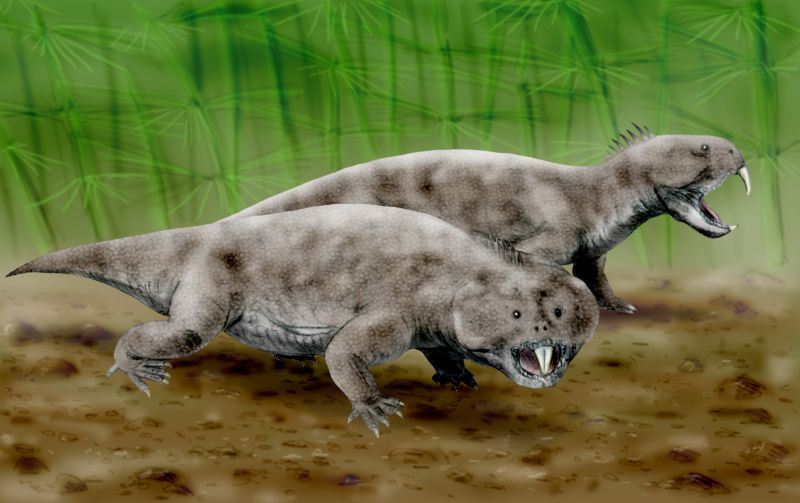
Rhynchosaurs, herbivorous creatures that lived around 245 million years ago in the Triassic Era, had a critical design flaw that made their fossil-based reputation as "grinning" reptiles a lie. Due to physiological limitations in their jaws, rhynchosaurs likely starved to death once they hit old age. They favored a diet consisting of tough vegetation that ground their teeth down to such a point that they would no longer be able to get adequate nutrition. The changes to their jaw and mouth also left them with what appeared to be a permanent grin.

Wyoming yields new rhynchosaur species, Beessiiwo cooowuse.
paleontology2 years ago

Wyoming yields new rhynchosaur species, Beessiiwo cooowuse.

A new species of rhynchosaur, Beessiiwo cooowuse, has been identified from fossils found in the Popo Agie Formation of Wyoming. The lizard-like creature with a beak lived around 232 million years ago and was about half a meter in length. The unique dental morphology of 12 new specimens allowed paleontologists to confirm it as a new Rhynchosauria. The taxonomic name of the new beast was created by the studies First Nation co-authors in the Arapaho language meaning "big lizard from the Alcova area."