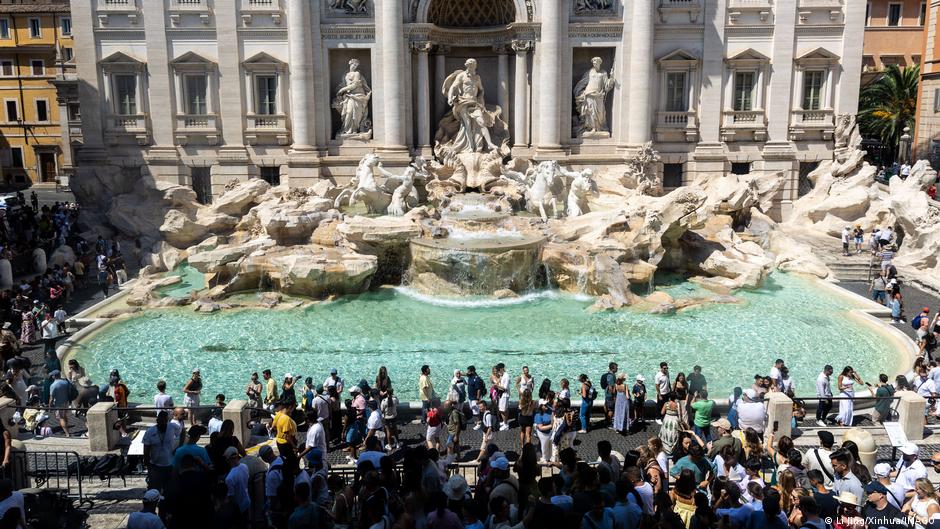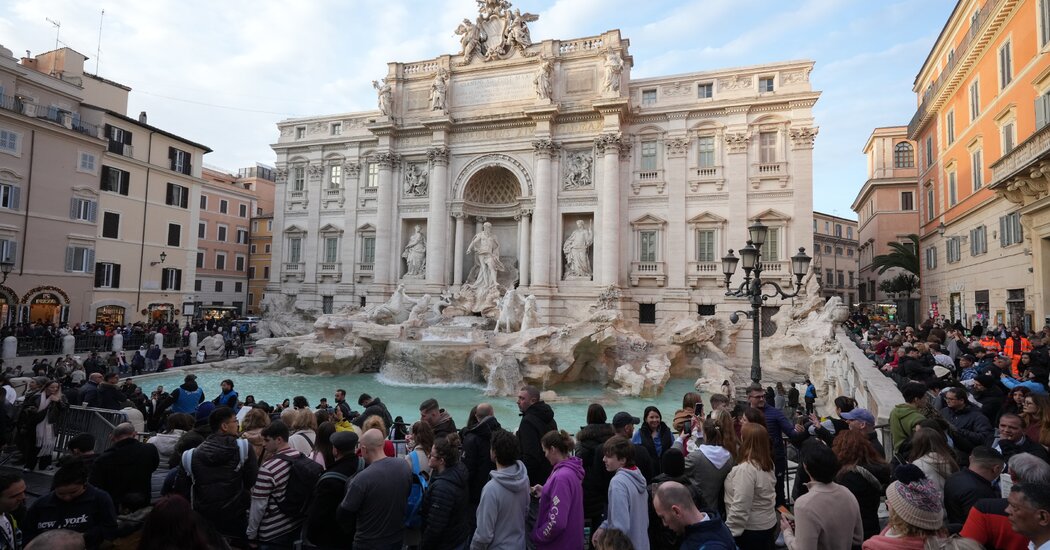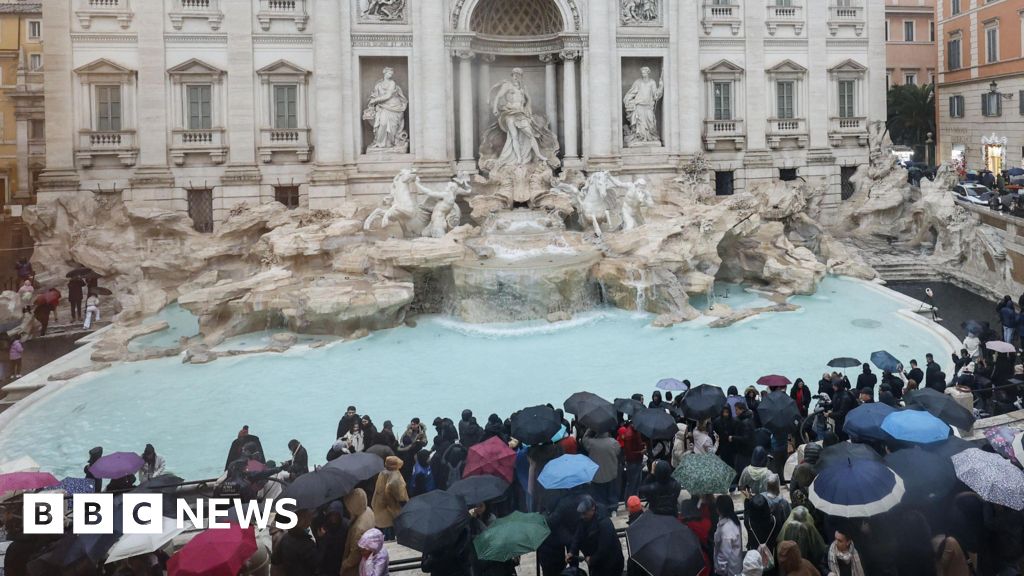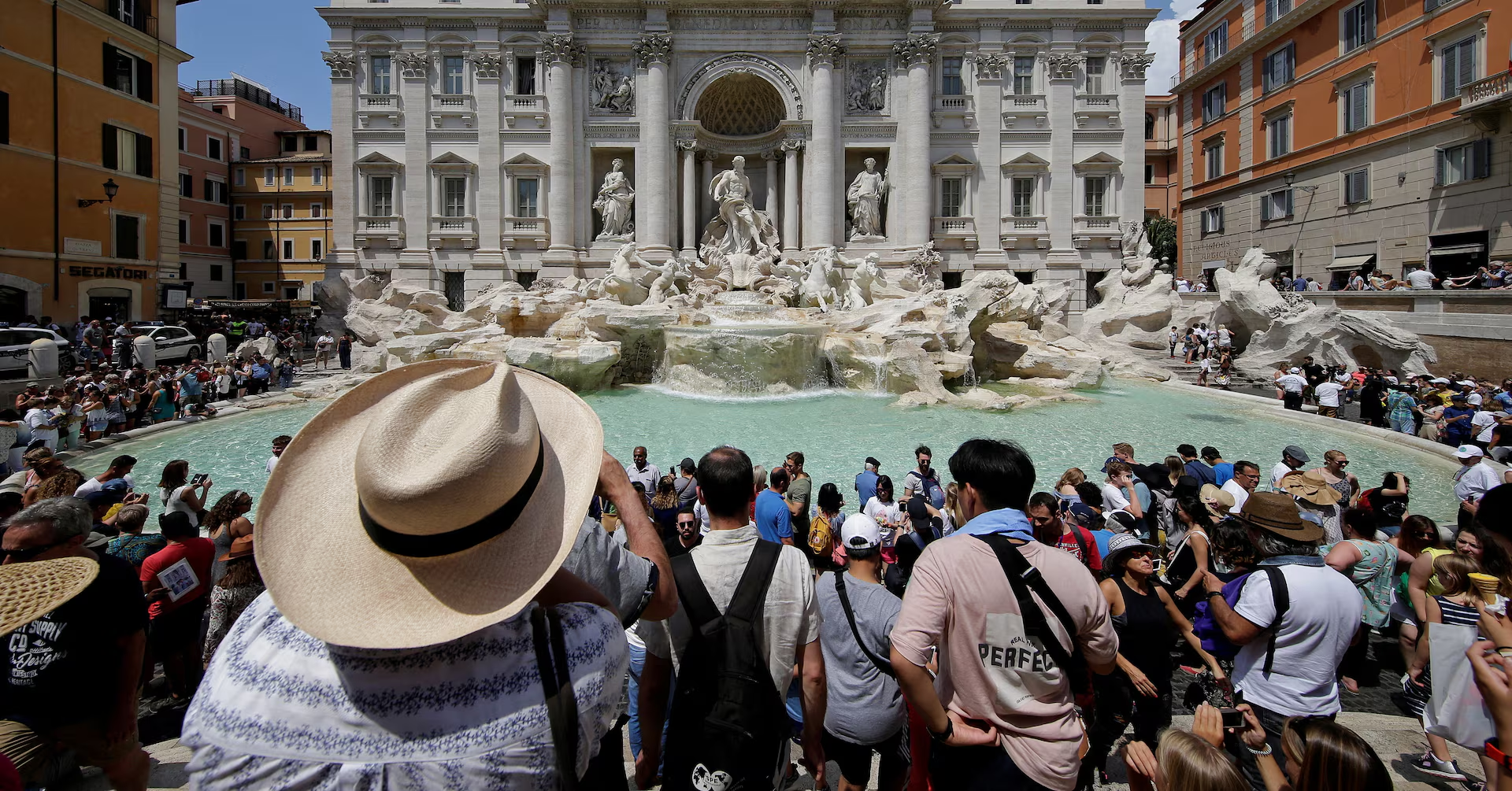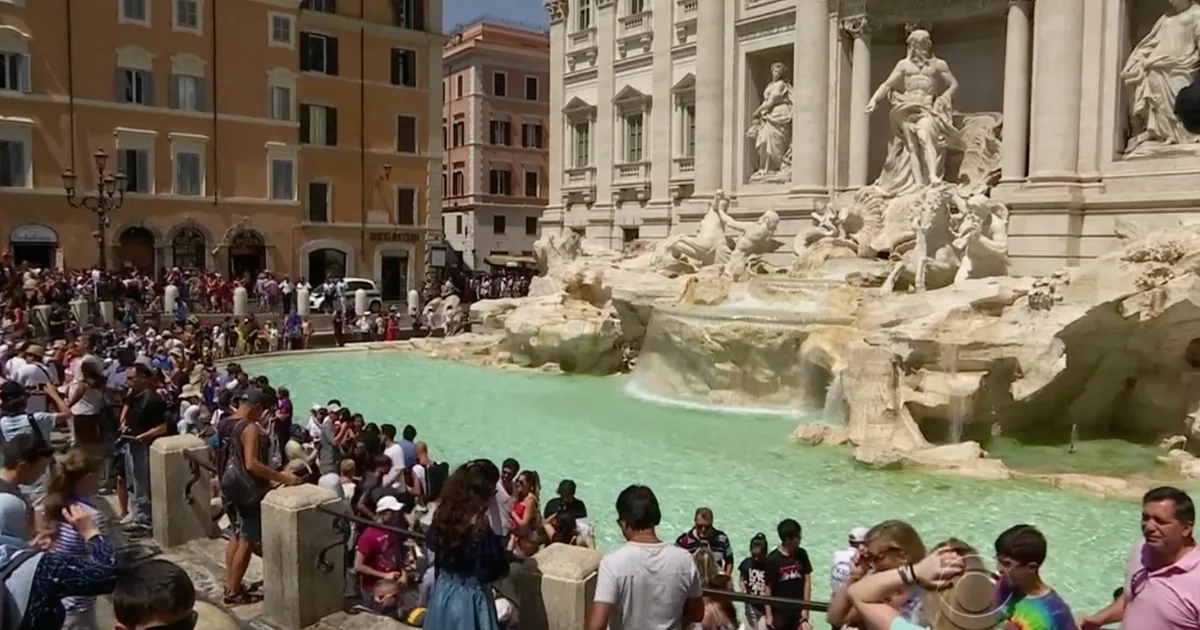
Rome will start charging a €2 entry fee for closer access to the Trevi Fountain and five other historic sites from February 1, aiming to manage overtourism, with residents still able to access for free. The city has already limited crowd sizes and introduced other measures to curb mass tourism.
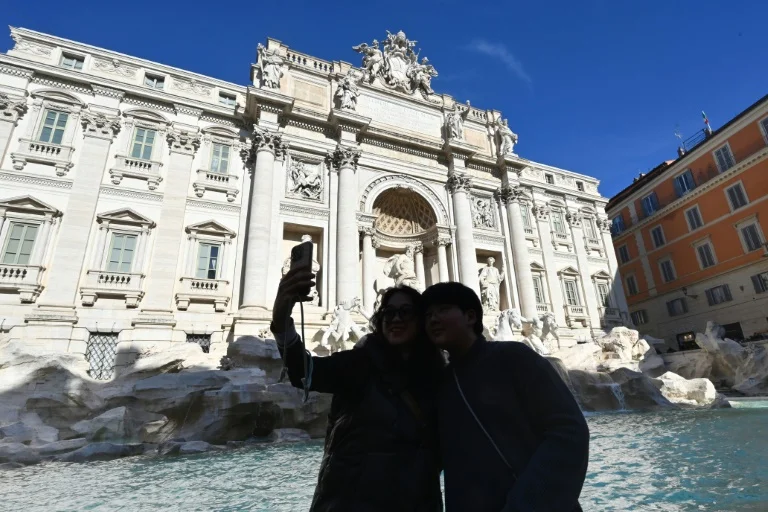
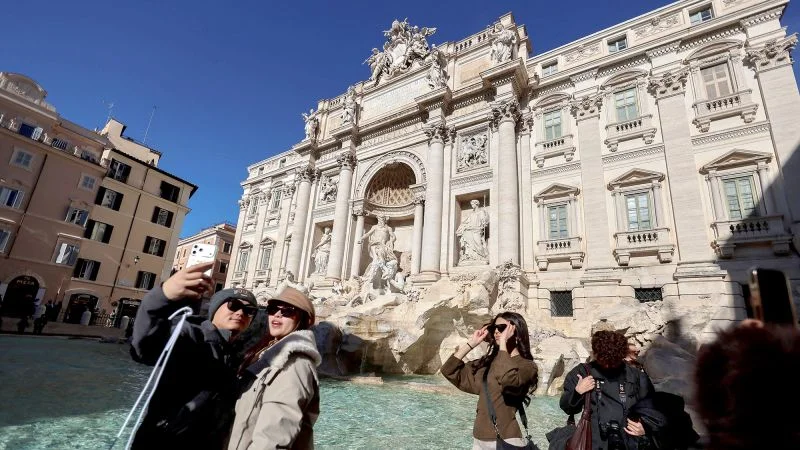
Starting February 1, Rome will charge a 2-euro fee for tourists, including non-residents, to access the basin of the Trevi Fountain, a move aimed at limiting crowding and protecting the historic site.
Starting February 2026, tourists will need to pay a €2 fee to get close to Rome's Trevi Fountain, with the funds used for maintenance and managing visitor flow, as part of a broader effort to regulate access to city attractions and reduce crowding.
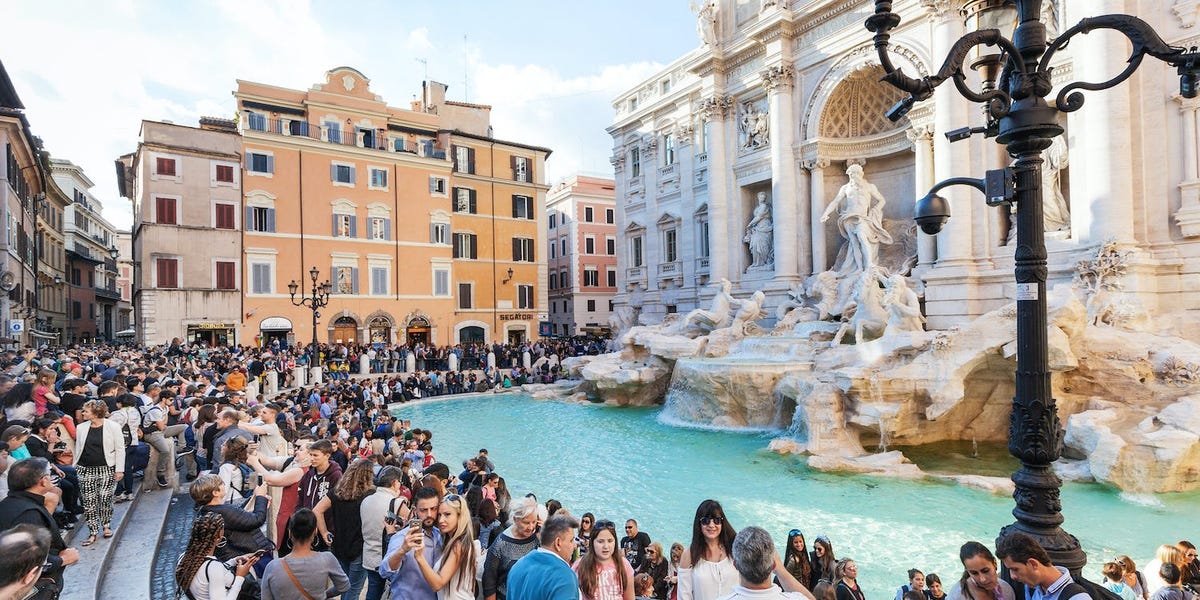
Rome will start charging tourists two euros to get close to the Trevi Fountain from February 1, aiming to manage crowds and generate revenue, with plans to implement similar fees at other historic sites. Citizens will still have free access, and the fee is expected to raise 6.5 million euros annually.
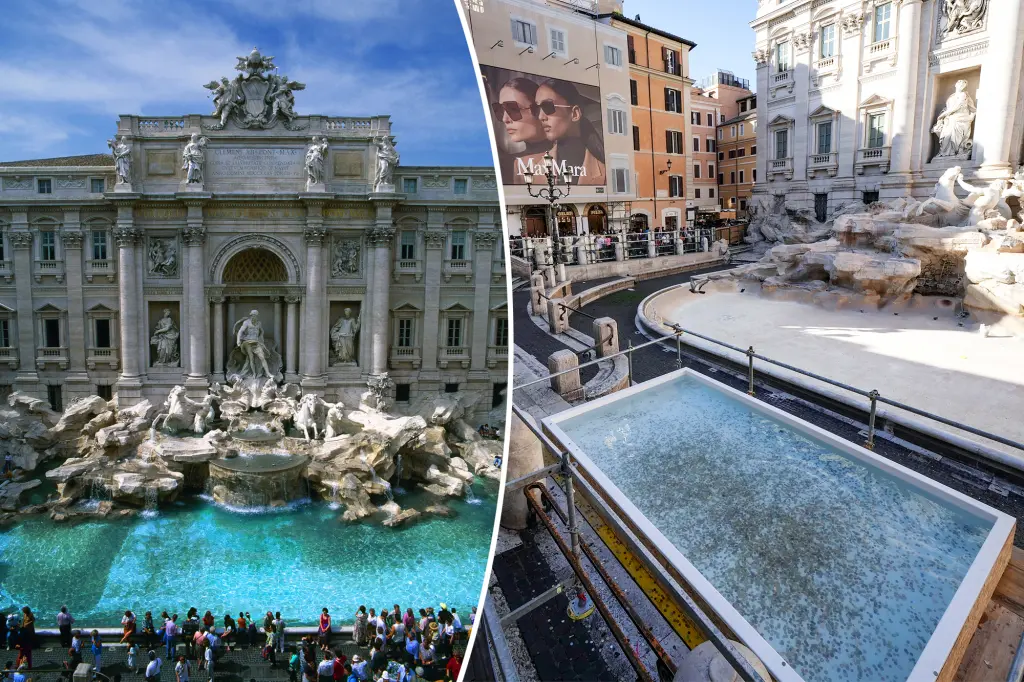
Rome's iconic Trevi Fountain is temporarily replaced by a makeshift wishing well resembling a 'municipal swimming pool' due to construction work. The refurbishment is part of a plan to introduce a $2 admission fee to manage the site's four million annual visitors and protect the city's cultural heritage. The move has sparked criticism, with social media users mocking the temporary setup. Once renovations are complete, timed reservations will be required for prime viewing areas, marking the first regulation attempt since the fountain's construction in 1732.
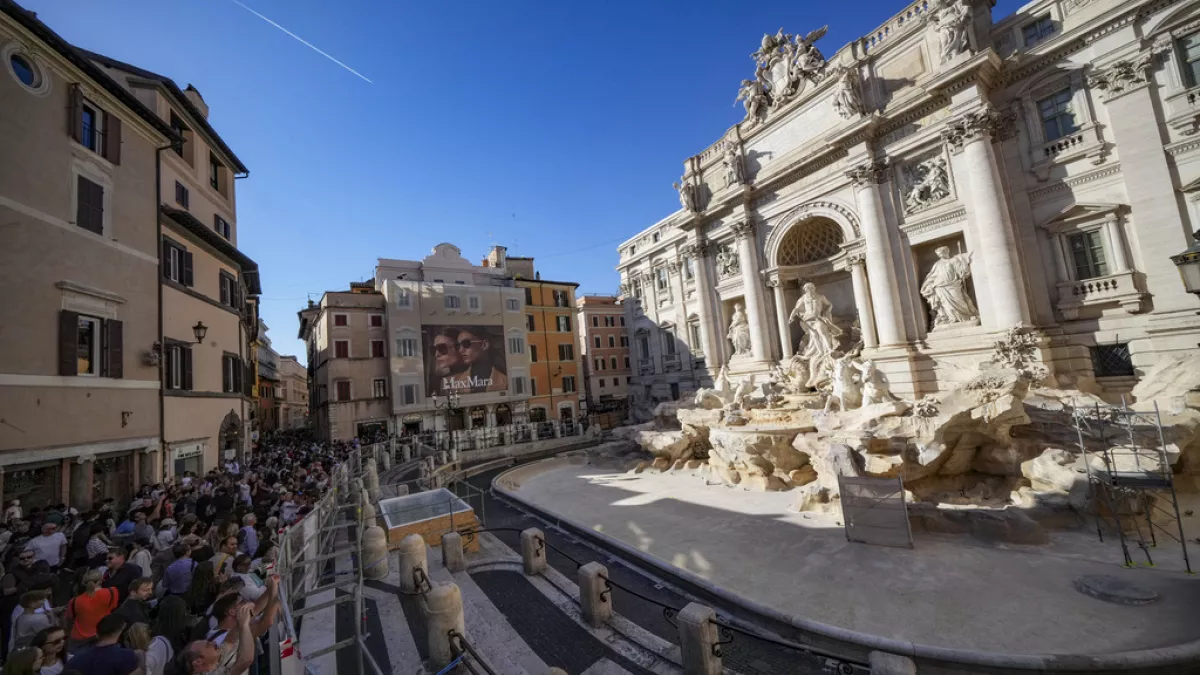
Rome has introduced an elevated walkway for tourists to view the Trevi Fountain during maintenance work, prohibiting the traditional coin tossing into the drained fountain. Instead, a small pool has been set up for coin donations, which support the Caritas charity. The walkway, accommodating 130 people at a time, will remain until the maintenance is completed by the end of the year. Future plans include requiring visitors to book online and pay a fee for timed access to the fountain area.
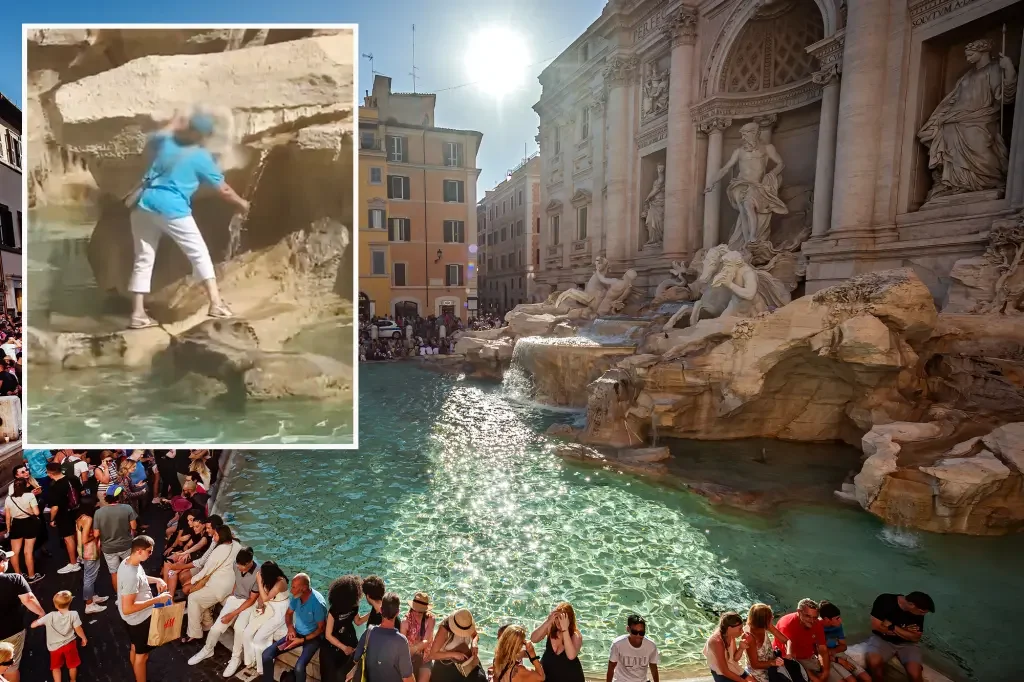
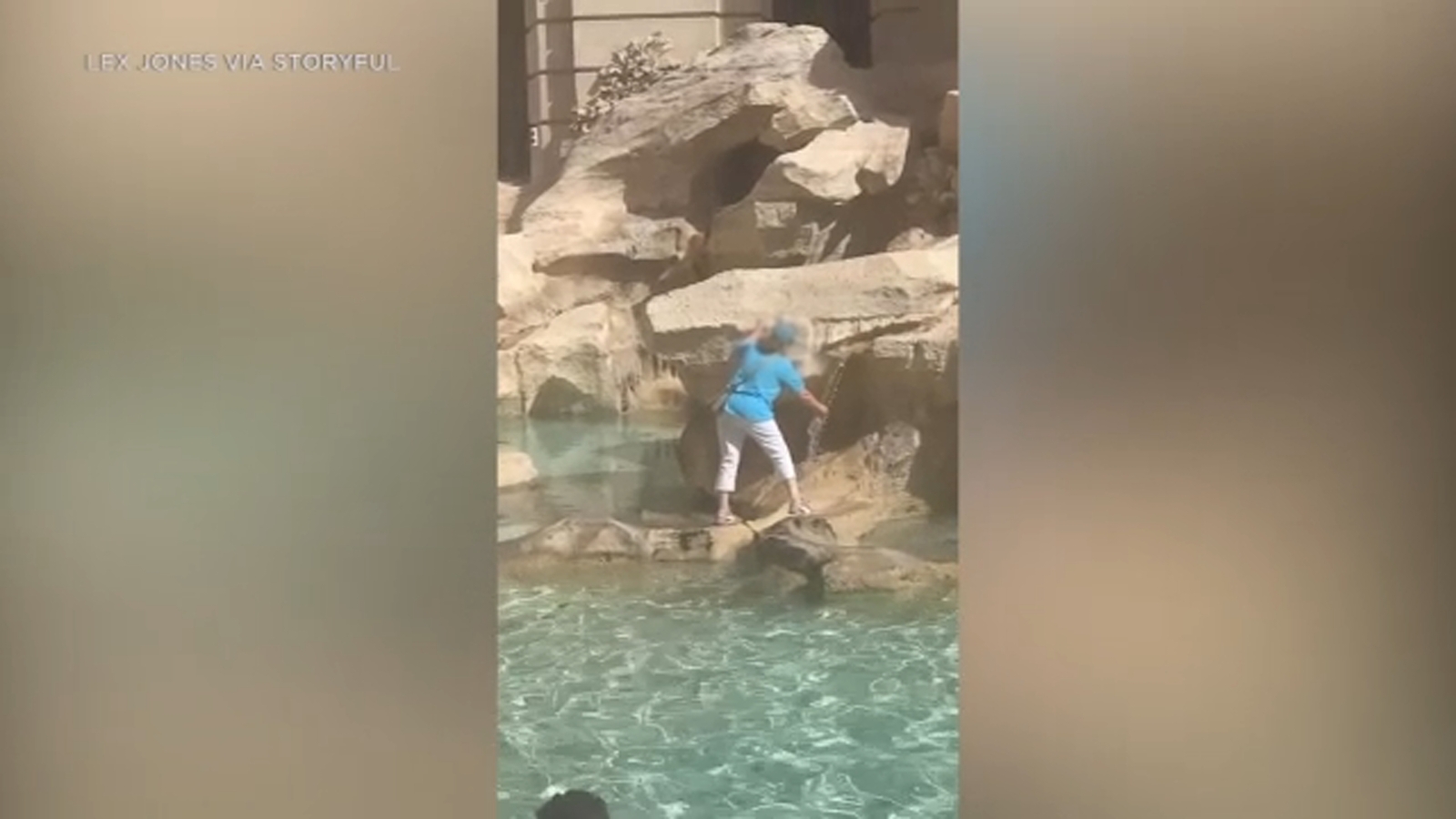
A video has surfaced on social media showing a woman climbing into Rome's Trevi Fountain to fill up a water bottle. The footage, captured by a tourist, shows the woman trespassing and filling the bottle underneath the fountain's spout. A security guard confronts her and takes her away, but it is unclear what punishment she faced. The Trevi Fountain is a popular tourist attraction, and trespassers can be subject to heavy fines. This incident follows recent cases of tourists disrespecting monuments in Rome.
A clueless tourist was caught on video climbing into Rome's iconic Trevi Fountain to fill her water bottle, despite signs clearly stating it was not allowed. The incident is the latest in a series of disrespectful acts by tourists in Rome, including a Swiss girl carving her initials into the Colosseum and a fitness trainer defacing the ancient amphitheater. The woman in the fountain incident did not seem to understand why she was in trouble, and it is unclear if she faced any consequences for her actions.
A video captured a tourist climbing into Rome's Trevi Fountain to fill her water bottle, despite signs prohibiting such behavior. When confronted by a guard, the tourist seemed unaware of her wrongdoing. This incident adds to a series of cases involving tourists breaking laws and defacing historic sites in Rome. Authorities are calling for stricter enforcement of rules against drinking and bathing in historic fountains.
A tourist in Rome shocked onlookers by trespassing at the iconic Trevi Fountain to fill her water bottle, despite signs prohibiting such actions. The incident was captured on video and shows a guard escorting the woman away. The tourist seemed confused about why she was in trouble and attempted to explain her side. The Trevi Fountain is a popular tourist attraction where visitors traditionally throw coins into the water.
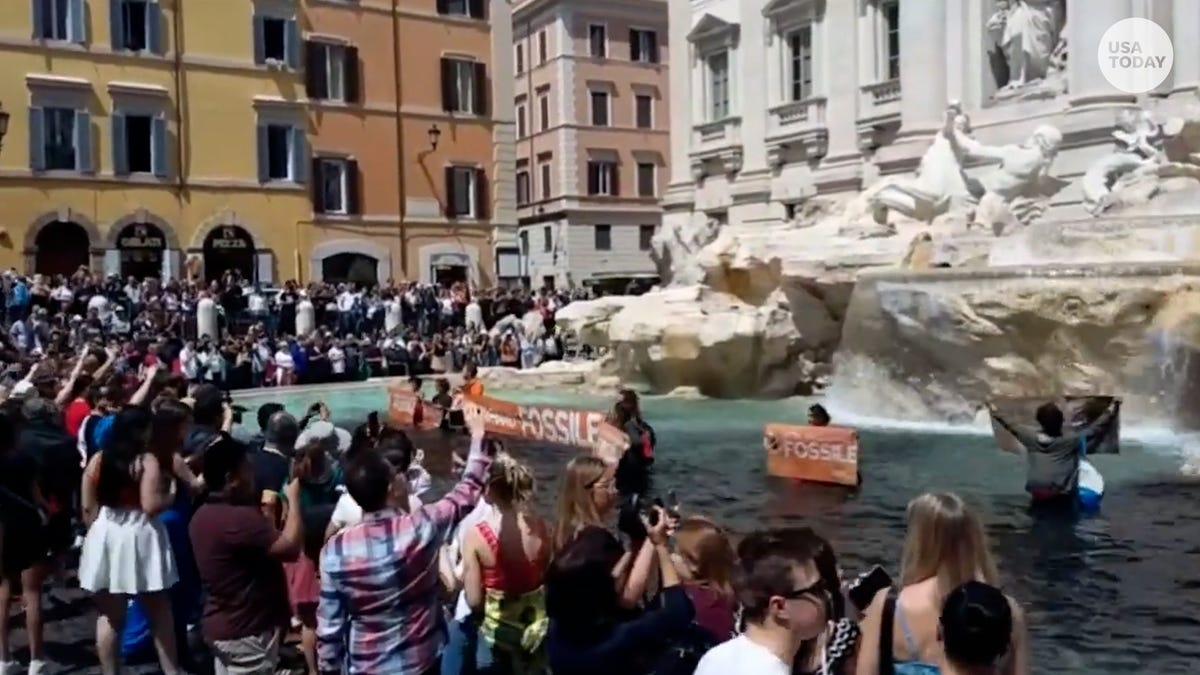
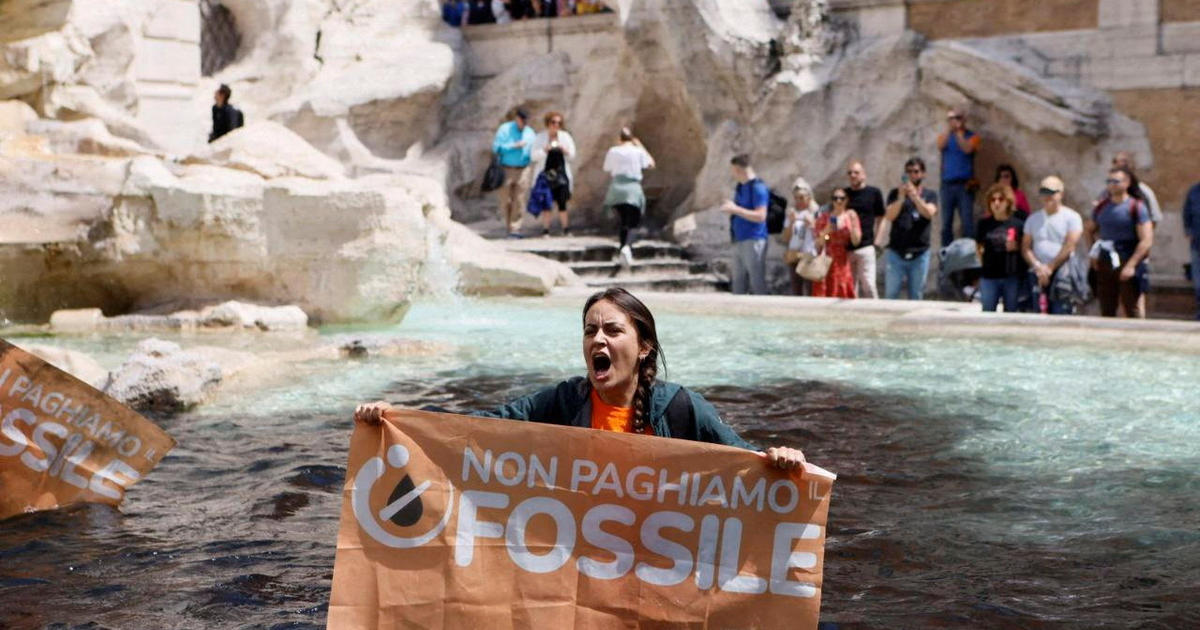
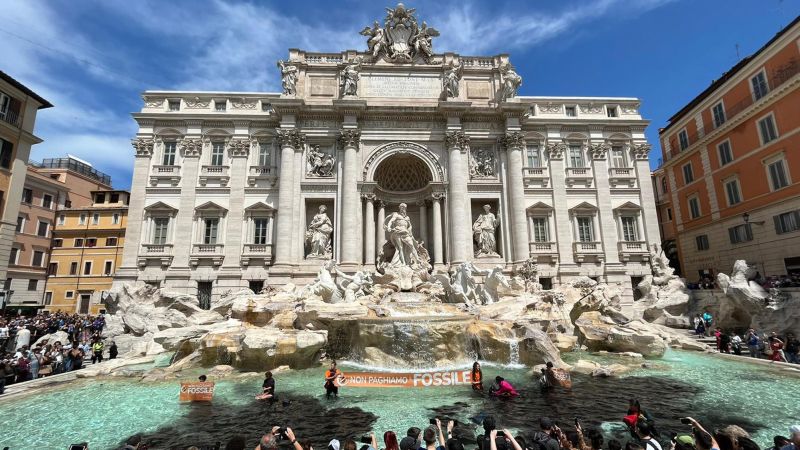
Climate activists from the "Ultima Generazione" group poured black vegetable charcoal into Rome's Trevi Fountain to demand an immediate stop to public subsidies for fossil fuels after deadly floods hit Emilia-Romagna in northern Italy. Floods in Emilia-Romagna have killed at least eight people, forced 10,000 people to evacuate, and left 50,000 people without electricity. The group's protest was condemned by Rome's mayor, who invited the activists to discuss the issues but didn't want monuments at risk.
Climate activists poured "vegetable charcoal" into Rome's Trevi Fountain to protest against fossil fuels and demand an "immediate stop" to fossil fuel subsidies. The protest was linked to the recent floods that devastated northern Italy's Emilia Romagna region, which killed at least 14 people and caused thousands to evacuate their homes. The World Meteorological Organization's announcement that the planet is more likely than ever to surpass 1.5 degrees Celsius of warming compared with pre-industrial times within the next five years also influenced the protest. No damage was committed to the fountain, according to the activist group Ultima Generazione.
Climate activists from Ultima Generazione turned the Trevi Fountain in Rome black with diluted charcoal to protest against the Italian government's lack of action on climate change. The group has previously targeted other famous fountains in the city. All activists were arrested and face vandalism charges. The Rome Mayor and local officials condemned the act, stating that it will cost time, effort, and water to restore the fountain. The Italian government has been criticized for not being prepared for climate change in the wake of the deadly flooding in northern Italy.
Climate activists dumped charcoal in Rome's iconic Trevi Fountain to call for action against climate change after deadly flooding devastated the Emilia-Romana region in northern Italy. The water turned black and police arrested the activists.
Climate activists from the Ultima Generazione group turned the water of Rome's Trevi fountain black by pouring diluted charcoal into it. The group was protesting against public subsidies for fossil fuels and linked their action to deadly floods in Italy's northern Emilia-Romagna region. Uniformed police removed the activists from the fountain while onlookers had mixed reactions.