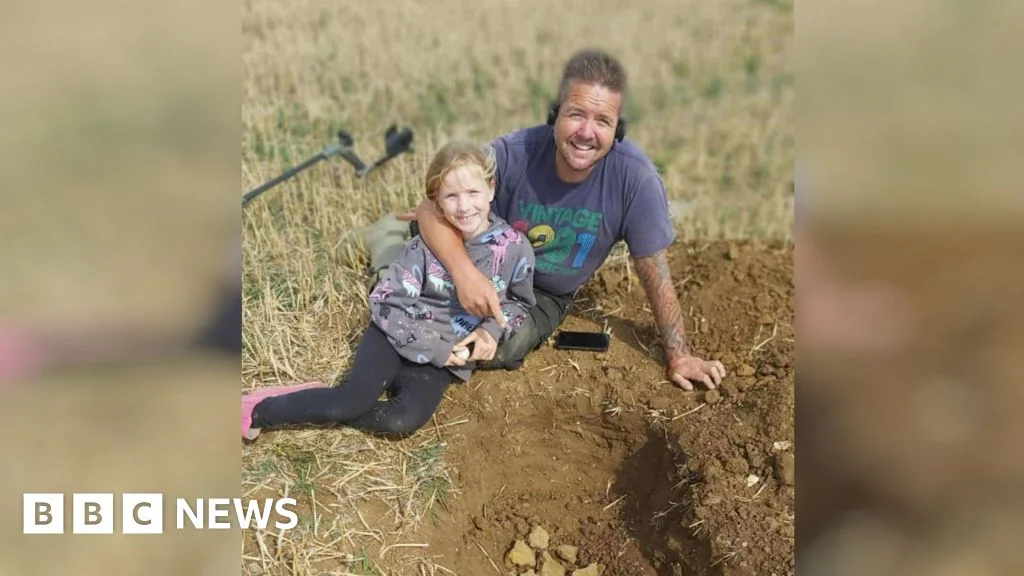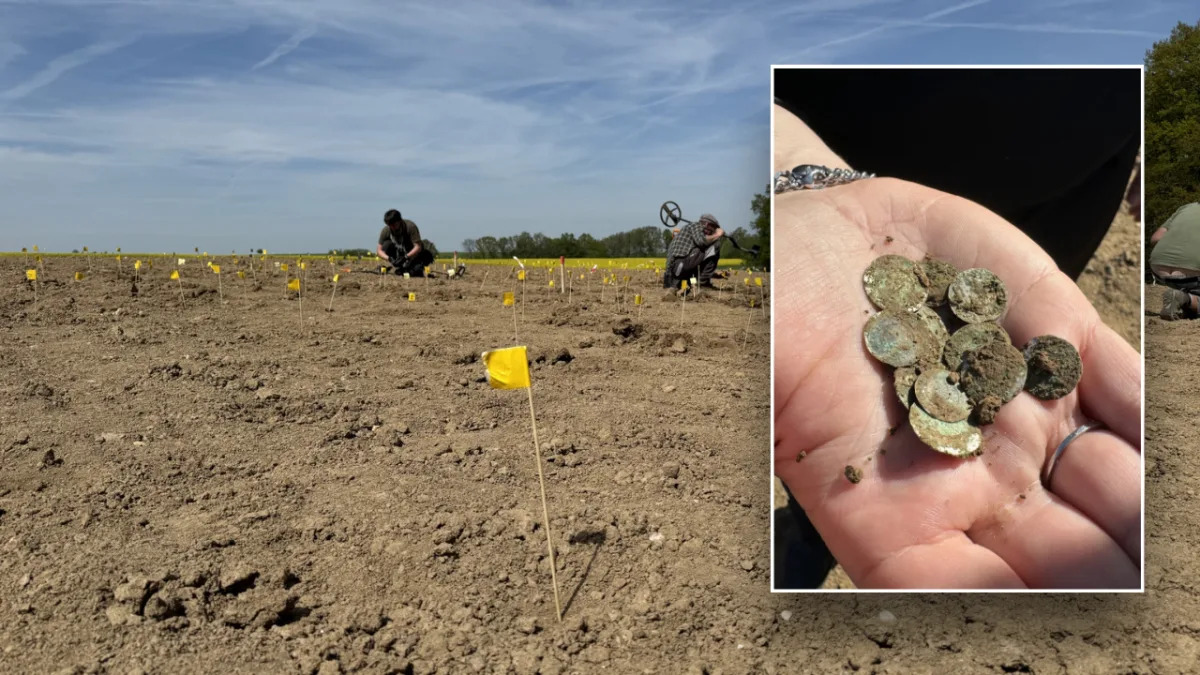
A family in Lewes, East Sussex, discovered 3,000-year-old Bronze Age copper ingots and bronze artifacts while metal detecting, which they donated to a local museum, highlighting the historical significance of their find.
An Australian man using a consumer-grade metal detector discovered a 4.6-kilogram gold-rich rock worth approximately $160,000 in Victoria's historic 'Golden Triangle,' highlighting the region's ongoing gold potential. The find, split in two during extraction, underscores the area's rich history of gold discoveries and the enduring allure of prospecting, especially amid record-high gold prices.
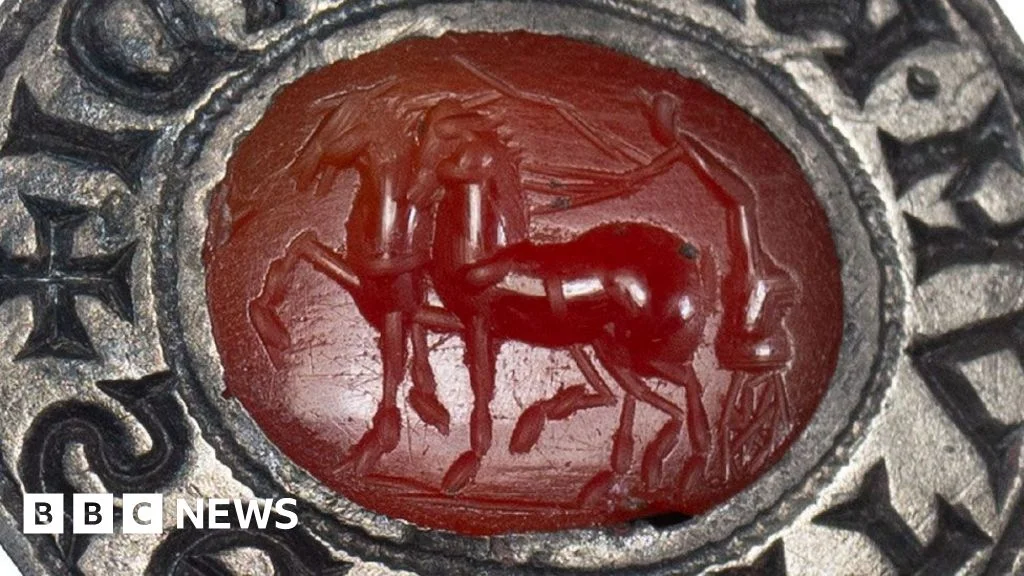
A metal detectorist in Essex discovered a unique medieval seal matrix featuring a Roman gemstone depicting a charioteer, dating from 1200 to 1400, which has been declared treasure and is sought after by Braintree Museum.
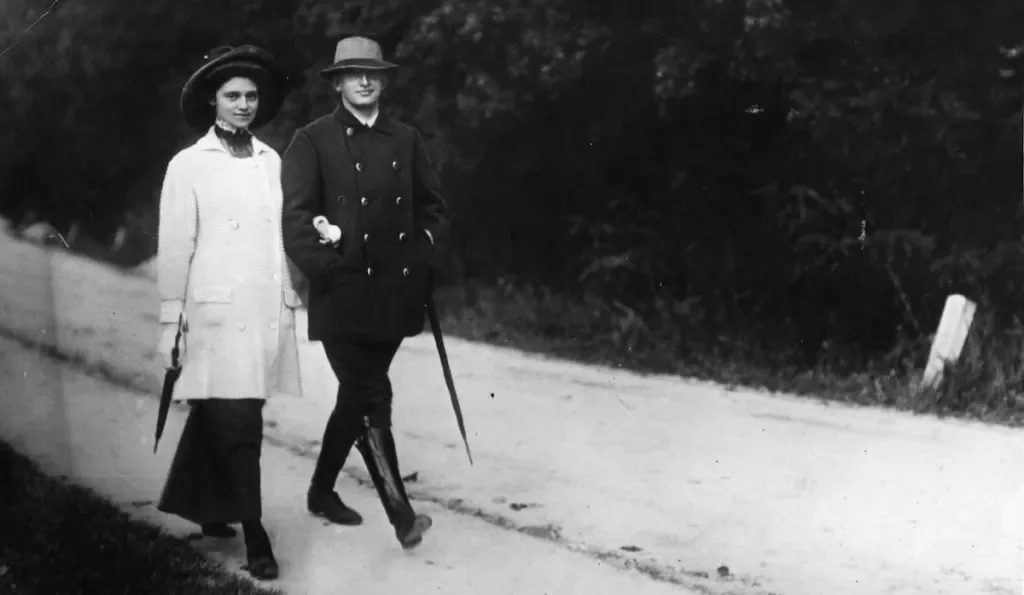
A 137-carat Florentine Diamond, once owned by European royal families and thought to have vanished, was discovered in a Canadian bank vault after being kept secret for nearly a century due to family vows. The Habsburg descendants revealed the diamond's location and expressed interest in exhibiting it publicly in Canada, emphasizing its historical significance.
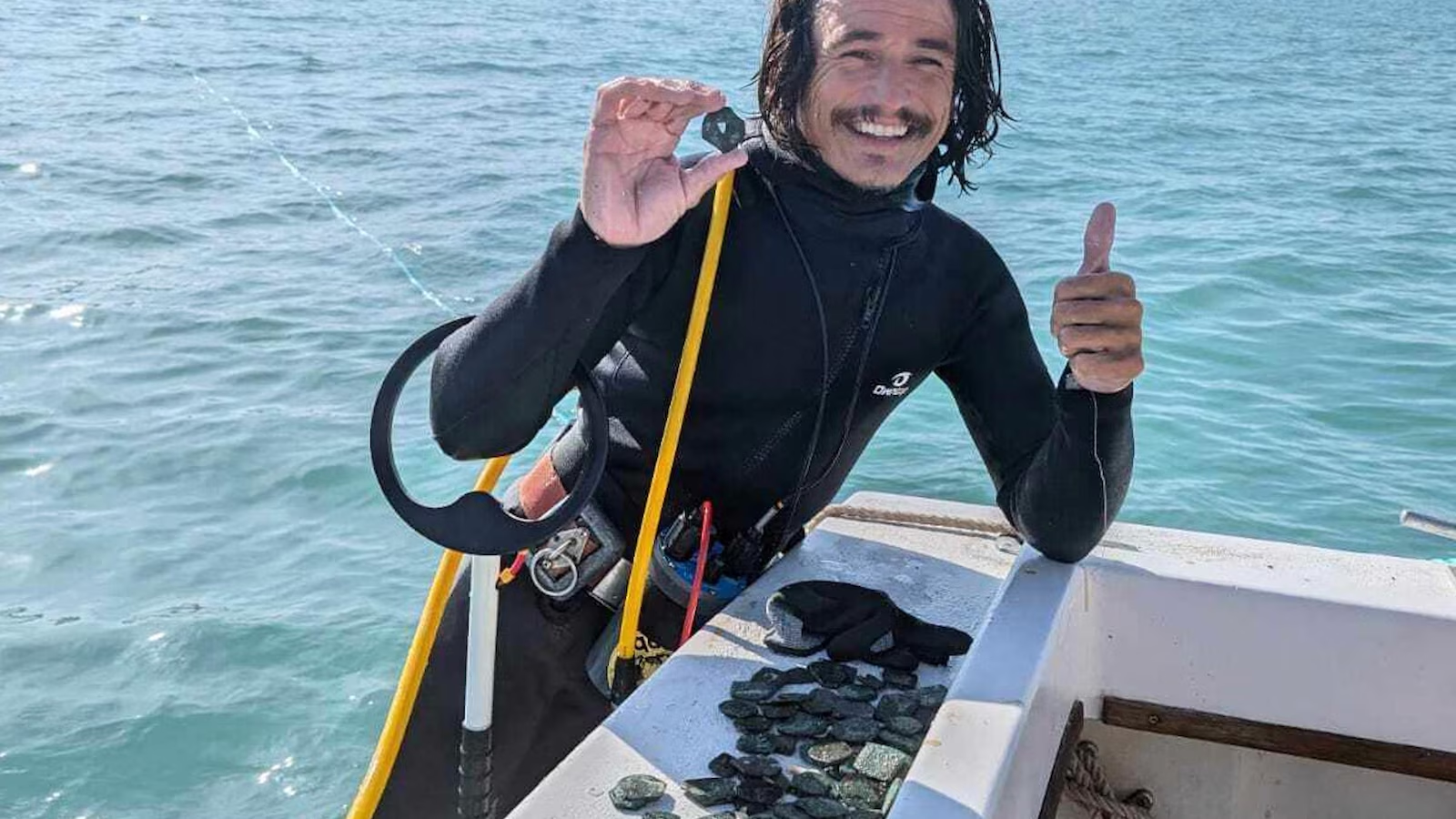
Excavators off Florida's Treasure Coast have uncovered $1 million worth of Spanish gold and silver coins from a 1715 shipwreck, offering valuable historical insights and highlighting the area's rich maritime history.
Archaeologists have discovered the 300-year-old wreck of the Portuguese ship Nossa Senhora do Cabo off Madagascar, believed to be captured by pirates in 1721, containing a vast treasure including gold, pearls, and artifacts from Goa, with over 3,300 artifacts recovered and more to explore.
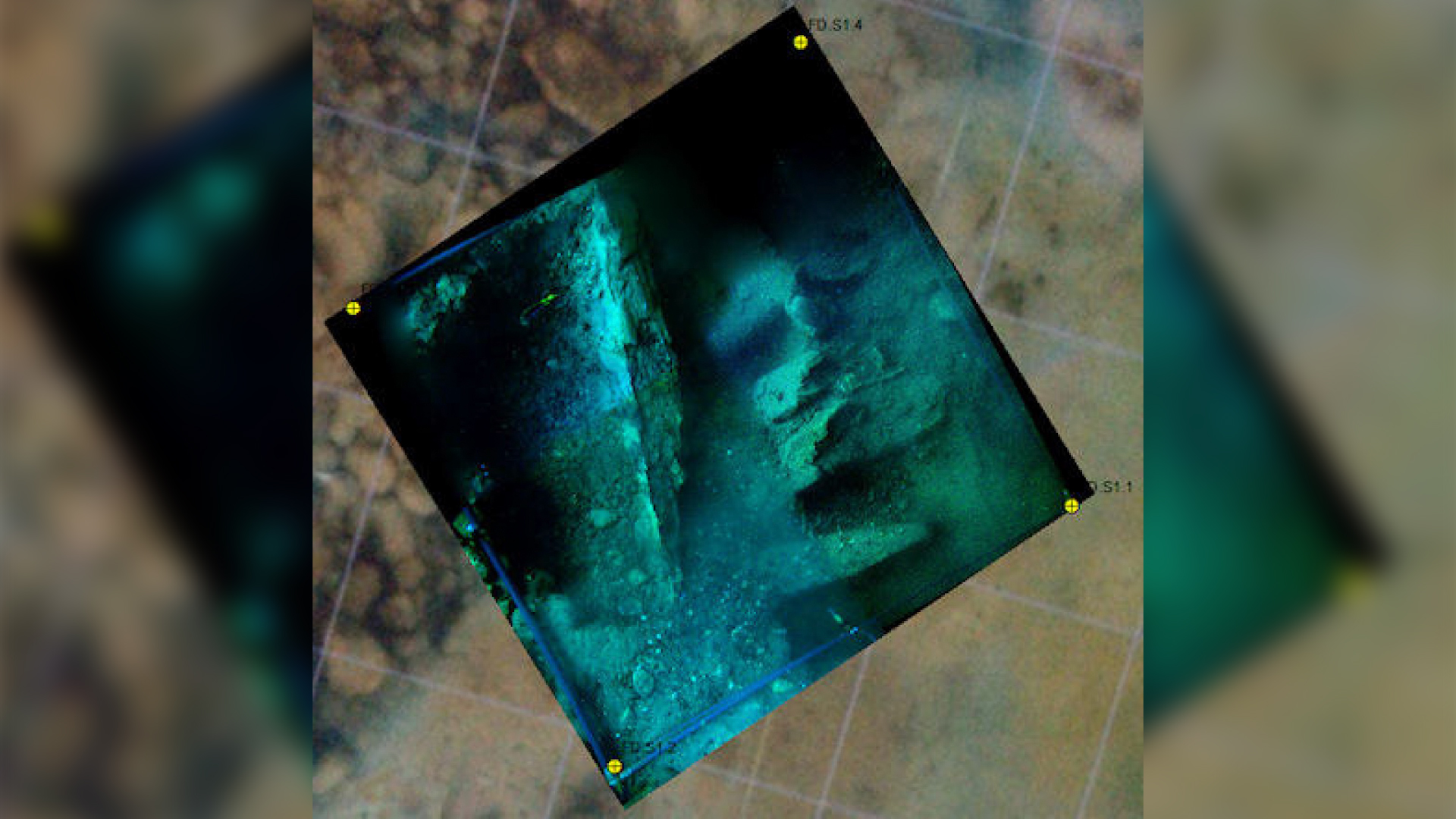
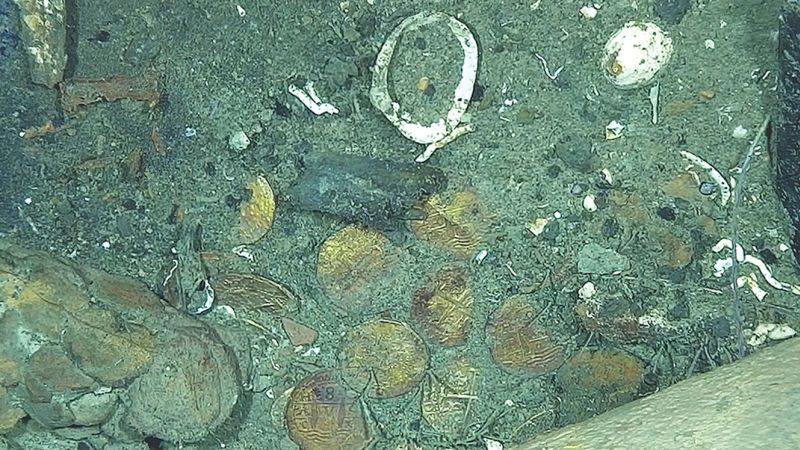
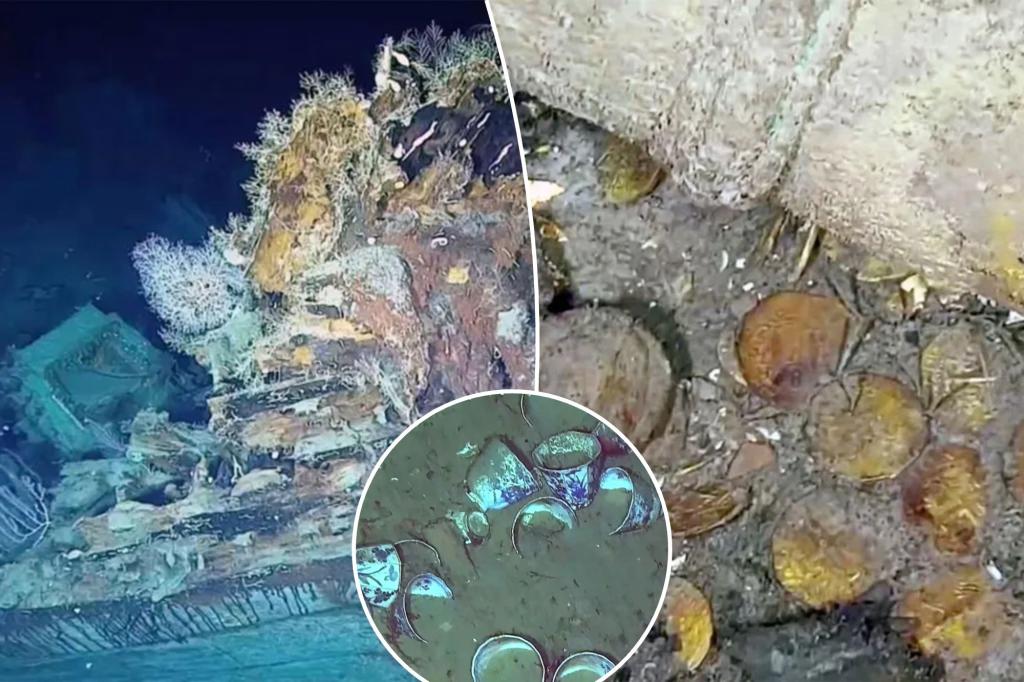
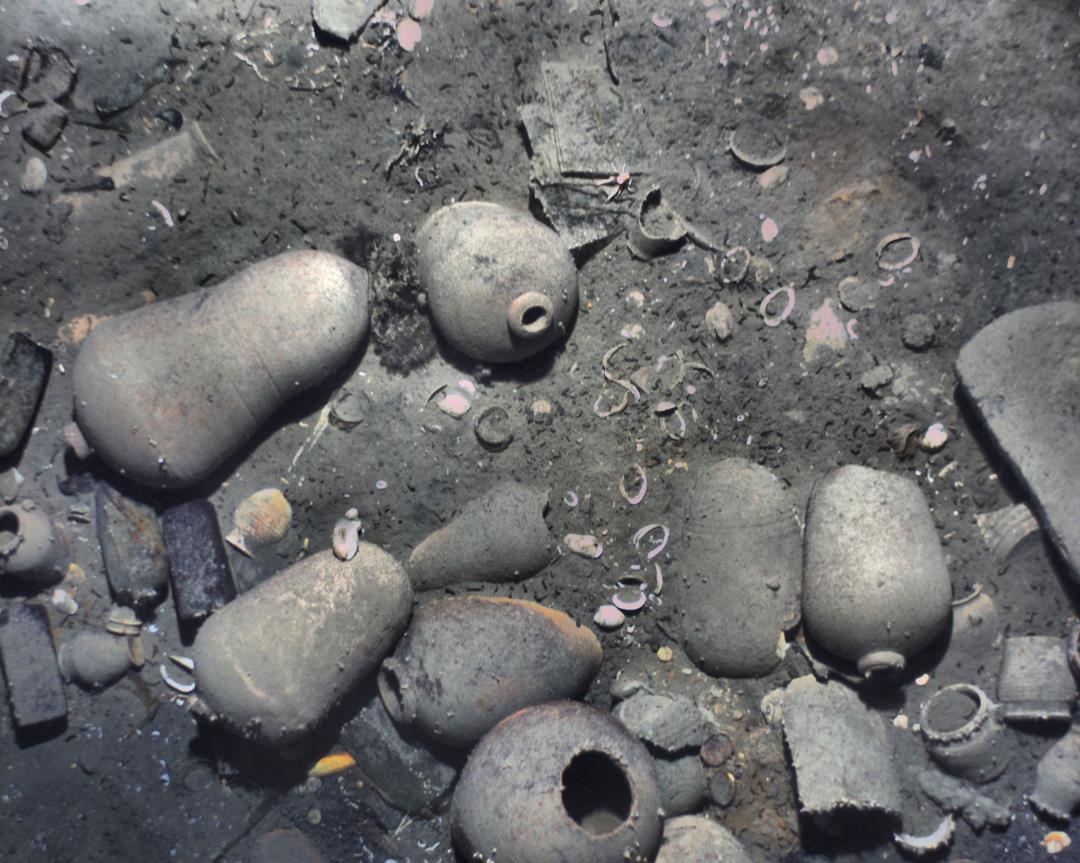
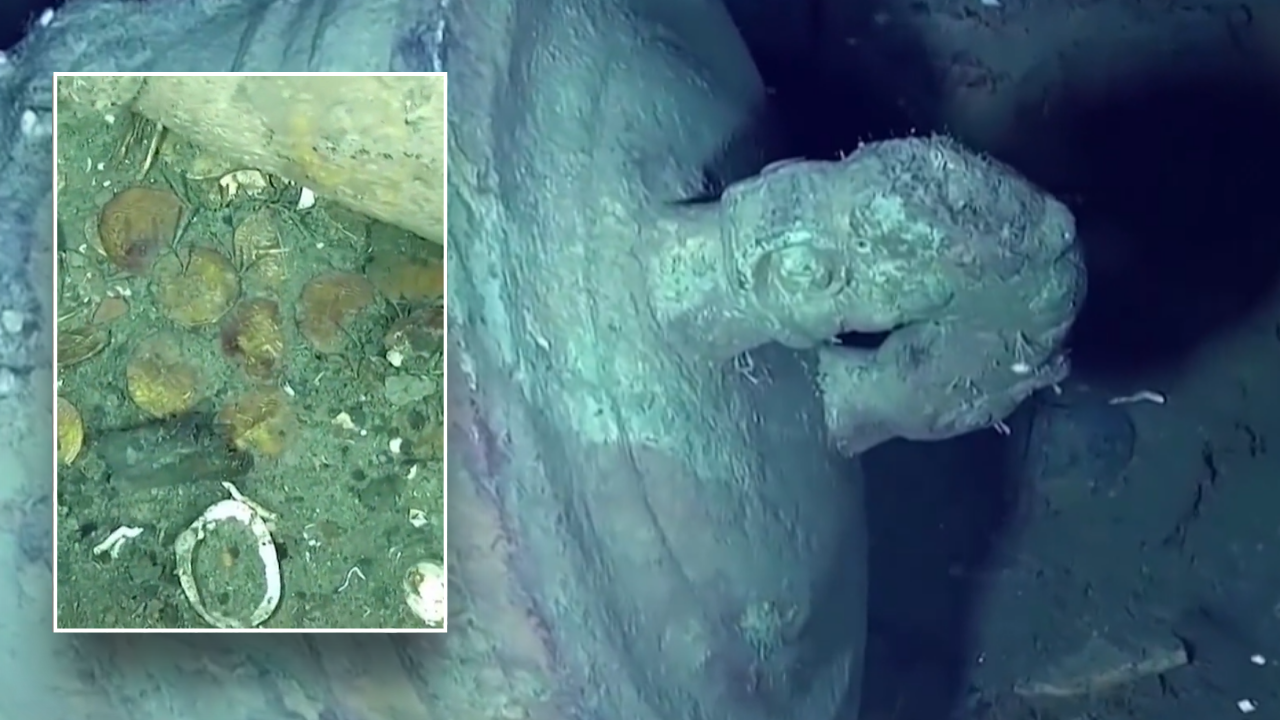
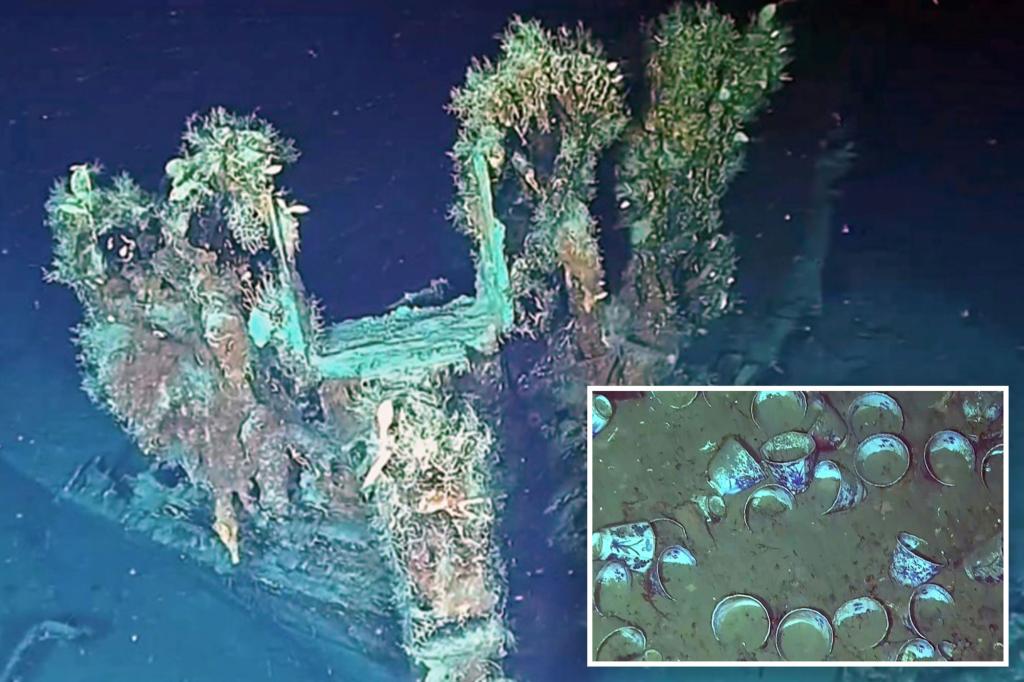
New images and research confirm the shipwreck off Colombia as the San José galleon, a 300-year-old Spanish warship believed to contain artifacts worth billions, including gold coins minted in Lima in 1707, strengthening claims of its identity amid ongoing legal disputes over its treasure.
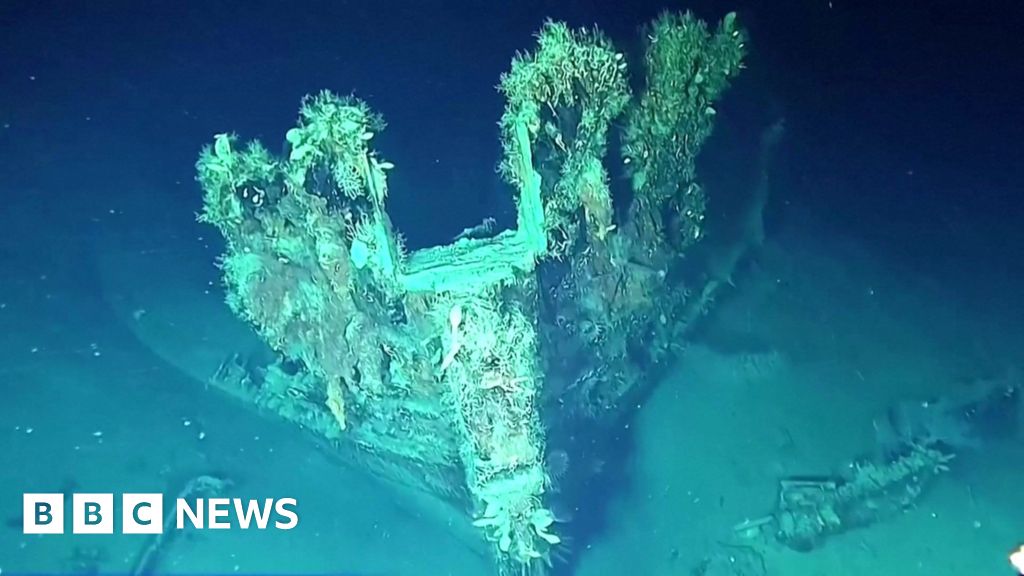
Colombia has launched a deep-water expedition to explore the San José shipwreck, an 18th-century galleon believed to contain $20 billion worth of gold, silver, and emeralds. The ship, which sank in 1708, was discovered in 2015 and is considered the "Holy Grail of Shipwrecks." The Colombian government has invested $45 million in the exploration, aiming to claim the heritage elements of the wreck. The exact location of the ship remains a state secret, with rights to the treasure claimed by Colombia, Spain, and the United States.
The Colombian government has begun an unprecedented mission to explore the San Jose galleon, a Spanish ship that sank in 1708 with an estimated $20 billion in treasure. The site has been declared a protected archaeological area, and the initial phase involves using remote sensors and sea-capable robots to document the ship and its contents. The rights to the artifacts are under dispute among Colombia, Spain, a US salvage firm, and Indigenous Bolivians. Colombian officials emphasize the mission's focus on historical and cultural understanding rather than treasure hunting.
Colombia has launched a deep-water expedition to explore the San José shipwreck, an 18th-century galleon believed to contain billions of dollars worth of gold, silver, and emeralds. The ship, which sank in 1708, was discovered in 2015 and is often referred to as the "Holy Grail of Shipwrecks." The exact location remains a state secret, and the treasure's ownership is contested by Colombia, Spain, and the United States.
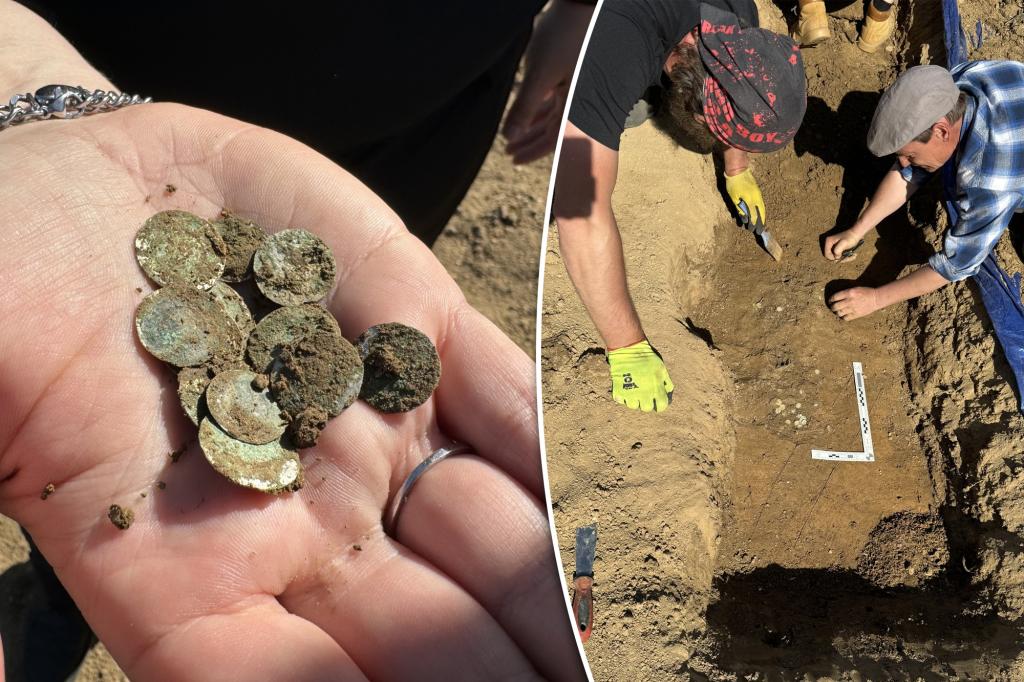
A woman in Kutná Hora, Czech Republic, discovered over 2,150 silver coins from the Middle Ages, a find deemed a once-in-a-decade discovery by the Institute of Archaeology of the Czech Academy of Sciences. The coins, minted between 1085 and 1107, were likely hidden during a period of political instability and are now being studied and prepared for a 2025 exhibit.
Colombia has begun exploring the San José galleon, an 18th-century Spanish shipwreck carrying an estimated £16bn ($20bn) in treasure, sunk by the British Royal Navy in 1708. The site has been declared a protected archaeological area, and the initial phase involves using remote sensors and underwater robots to study the wreck. The project aims to preserve the site due to its significant scientific and heritage value, amid ongoing legal disputes over ownership of the treasure.
A woman in Kutná Hora, Czech Republic, discovered over 2,150 silver coins from the Middle Ages, a find deemed a once-in-a-decade discovery by archaeologists. The coins, minted between 1085 and 1107, were likely hidden during a period of political instability. The treasure will be analyzed and displayed in an exhibit by 2025.
Colombia has designated a "protected archeological area" around the San Jose shipwreck, which contains an estimated $17 billion in treasure, to ensure its long-term preservation and facilitate research. The 60-gun galleon, which sank near Cartagena during the war of Spanish Succession, has been the subject of ownership disputes involving Colombia, Spain, Bolivia’s indigenous communities, and a US-based company. Researchers are currently using non-intrusive methods to study the wreck, with potential future expeditions to recover archaeological materials.
Colombia has declared a "protected archaeological area" around the site of the San Jose galleon, a Spanish ship that sank off its Caribbean coast in 1708 with billions of dollars in treasure. The move aims to preserve the shipwreck and facilitate scientific research. The San Jose, often called the "holy grail" of shipwrecks, has been claimed by Spain, Indigenous Qhara Qhara Bolivians, and a U.S.-based salvage company. The exact location remains secret to prevent looting.