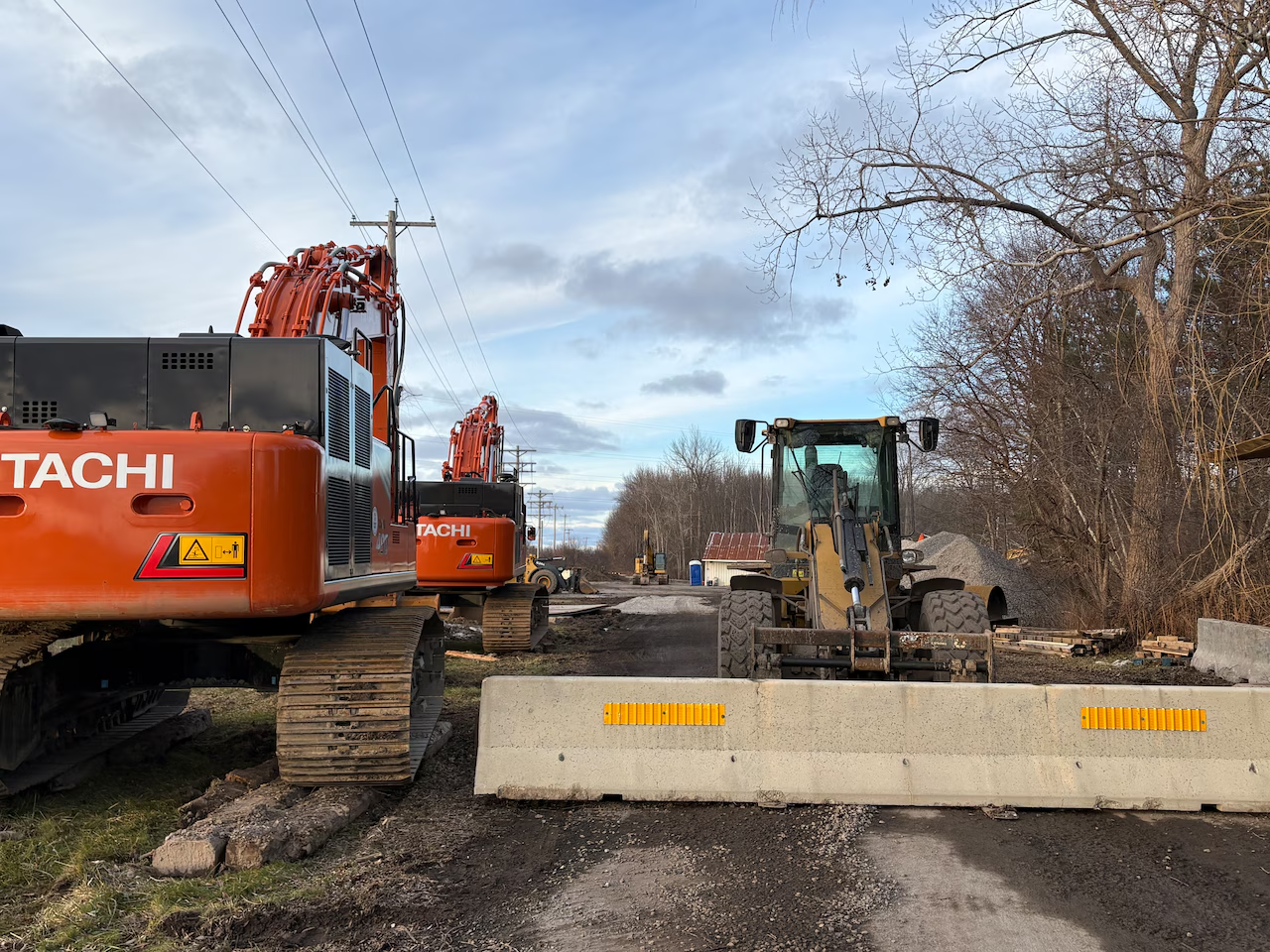
The Onondaga County Water Authority has been battling multiple leaks in a critical transmission line in Cicero since summer, leading to a shutdown of the line in December and a water conservation effort across six towns east of Syracuse, with emergency supplies and reduced water use helping to manage the crisis.
The Department of Energy has terminated its $4.9 billion loan guarantee for the Grain Belt Express project, citing financial concerns and a review of federal support for energy projects, as part of a broader effort to ensure responsible use of taxpayer dollars and focus on energy expansion initiatives.
NextEra Energy, a major clean energy developer, has been actively opposing a crucial Canadian hydropower transmission line in New England, despite its public image as a climate change leader. The company's efforts to block the project, which aims to deliver clean power to the region, have included legal battles, political maneuvering, and substantial financial investments. Critics argue that NextEra's actions contradict its commitment to climate progress and clean energy, highlighting the complex dynamics of corporate interests in the fight against climate change.
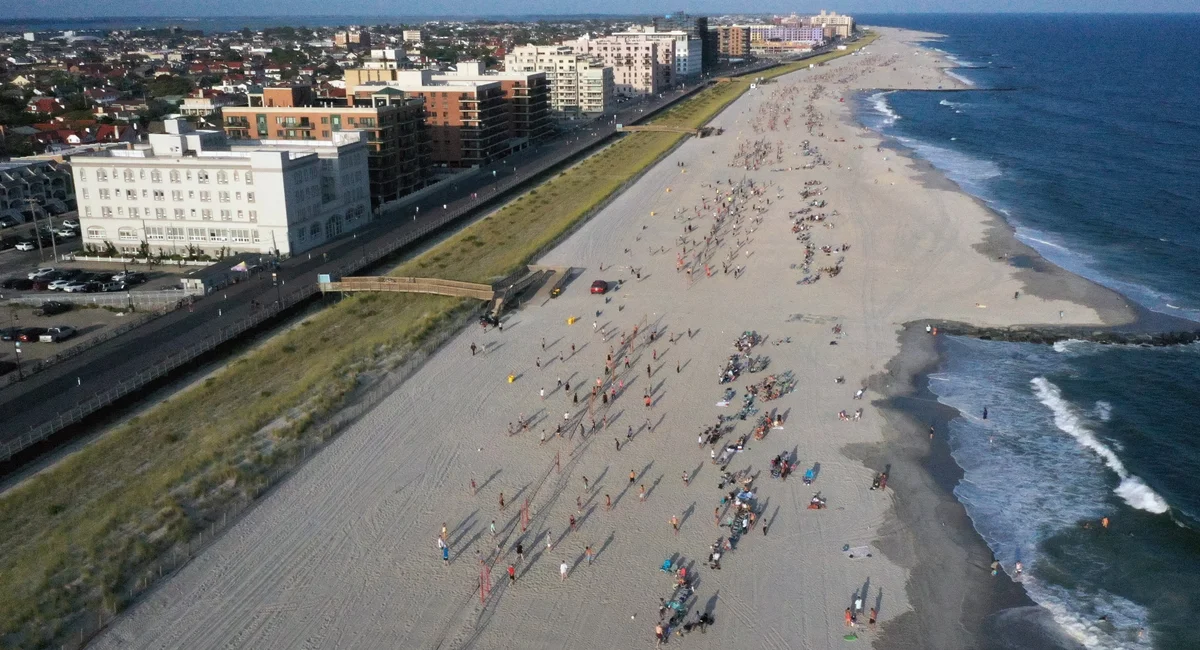
New York Governor Kathy Hochul has vetoed a bill that would have expedited an offshore wind project off the coast of Long Island, throwing the future of the Long Beach wind project into doubt. The veto was prompted by the City Council of Long Beach's opposition to allowing a transmission line under the public beach. Clean energy supporters criticized the veto, arguing that it hampers the state's climate goals. Long Beach residents expressed concerns about the impact on tourism and rising sea levels. The wind developer, Equinor, was faulted for not addressing community concerns. The project's future now appears uncertain.
The US Department of the Interior has approved the SunZia Southwest Transmission Project, a 520-mile transmission line that will transport renewable energy from New Mexico to Arizona and California. The project will provide 4,500 MW of primarily wind-generated electricity and create union jobs. It is the largest clean energy infrastructure project in the US to date and is part of the Biden Administration's goal of achieving a 100% clean electricity grid by 2035. Construction will begin this summer, and commercial operations are targeted for 2026.
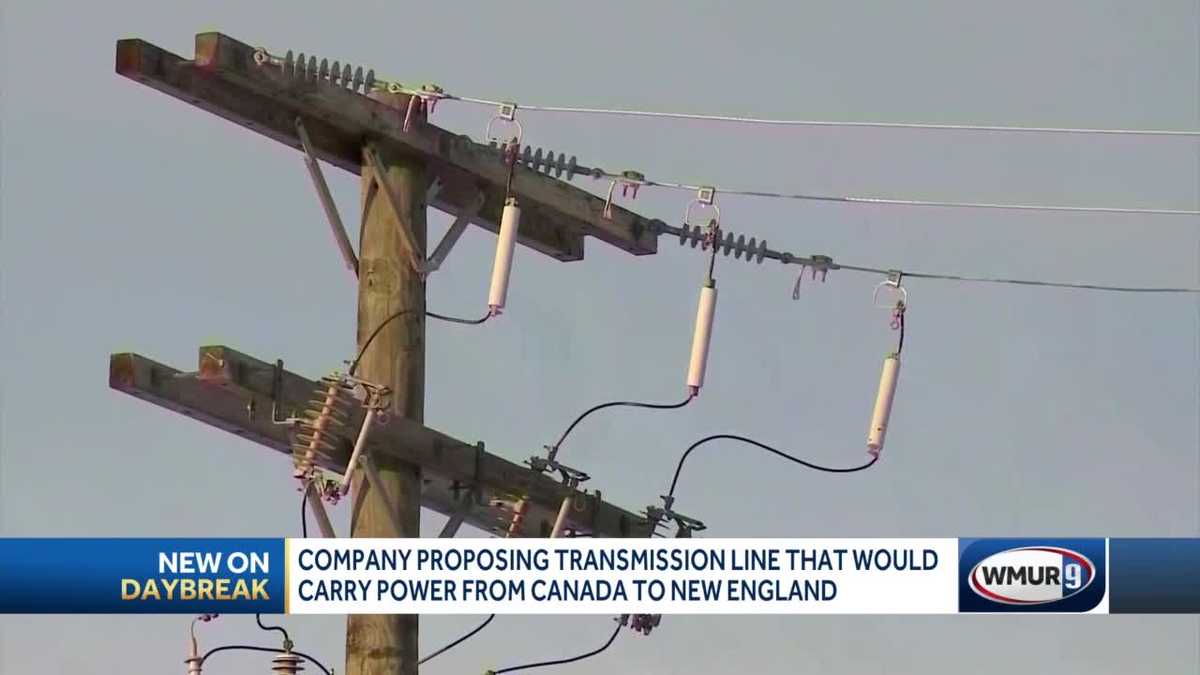
National Grid has proposed a $2bn, 211-mile Twin State Clean Energy Link transmission line from Canada to New England that would also be able to send renewable energy produced by future power generators off the New England coast or other sources to Quebec. The line would be used to bring additional clean energy to the region to balance variable resources, such as offshore wind. If approved, the earliest the New Hampshire project could begin construction would be 2026.
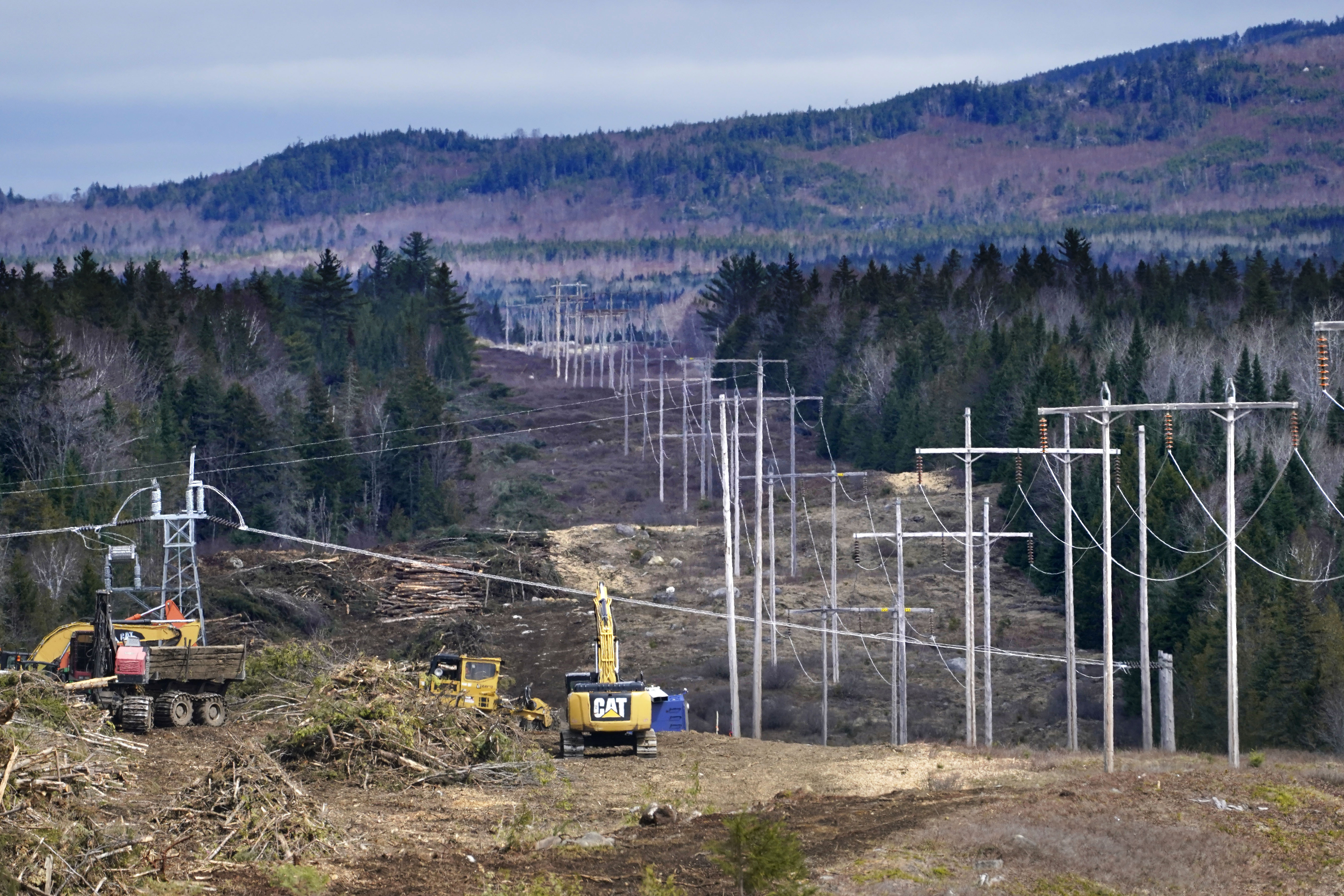
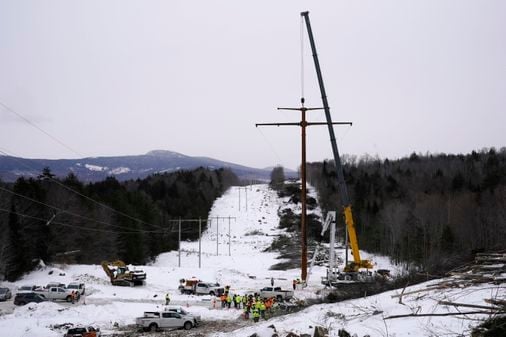
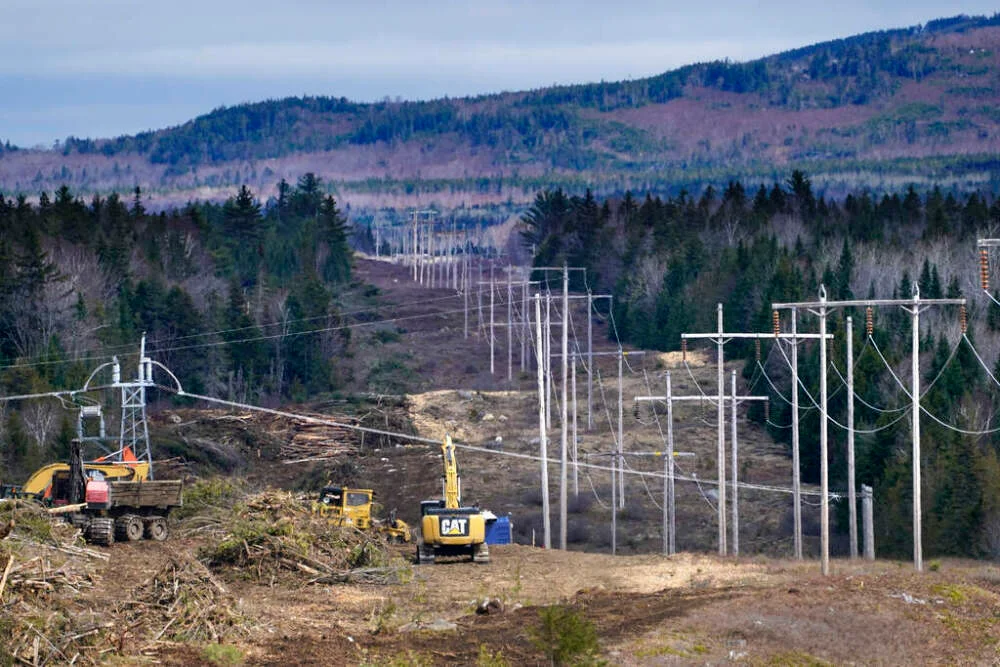
A Maine jury has ruled that Avangrid can proceed with the construction of a $1 billion clean energy transmission line from Canada to New England. The high-voltage line, known as the New England Clean Energy Connect, would transmit up to 1,200 megawatts of electricity, enough to power approximately 1 million homes. The project would ultimately be paid for by Massachusetts ratepayers and could decrease energy prices throughout New England. The decision clears the way for construction on the 145-mile transmission line to continue, although Maine officials can still appeal.
A jury has ruled that New England Clean Energy Connect (NECEC) can resume construction on its electricity transmission line, a major victory for Central Maine Power's affiliate. The decision comes after a legal battle that lasted for years and involved multiple regulatory agencies and courts. NECEC still faces legal challenges in state and federal court, including appeals of a permit granted by the Maine Department of Environmental Protection and the U.S. Army Corps of Engineers. Opponents of the project expressed disappointment following the verdict and said they would continue to evaluate their options.