A judge quashed a DOJ subpoena targeting QueerDoc, an online provider of information and referrals for gender-affirming care, citing concerns that the government’s actions aimed to eliminate such care under the guise of investigation, reflecting broader political and legal conflicts over transgender health services for minors.
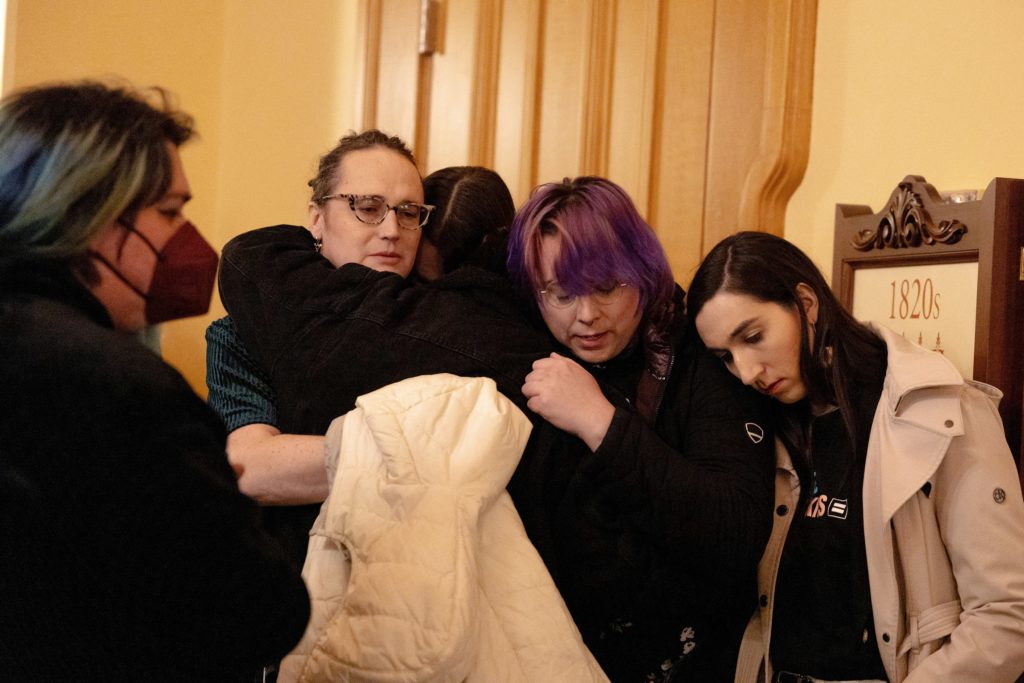
Ohio Governor Mike DeWine has proposed rules that could restrict access to gender-affirming care for transgender adults, requiring extensive counseling and involvement of specialists before receiving treatment, while also banning gender-affirming surgery for minors. Advocates argue that the rules go beyond standard care and could create barriers for lower-income, minority, and rural transgender individuals. The proposed regulations have sparked controversy and public comment, with concerns raised about the potential impact on transgender individuals' access to necessary healthcare.
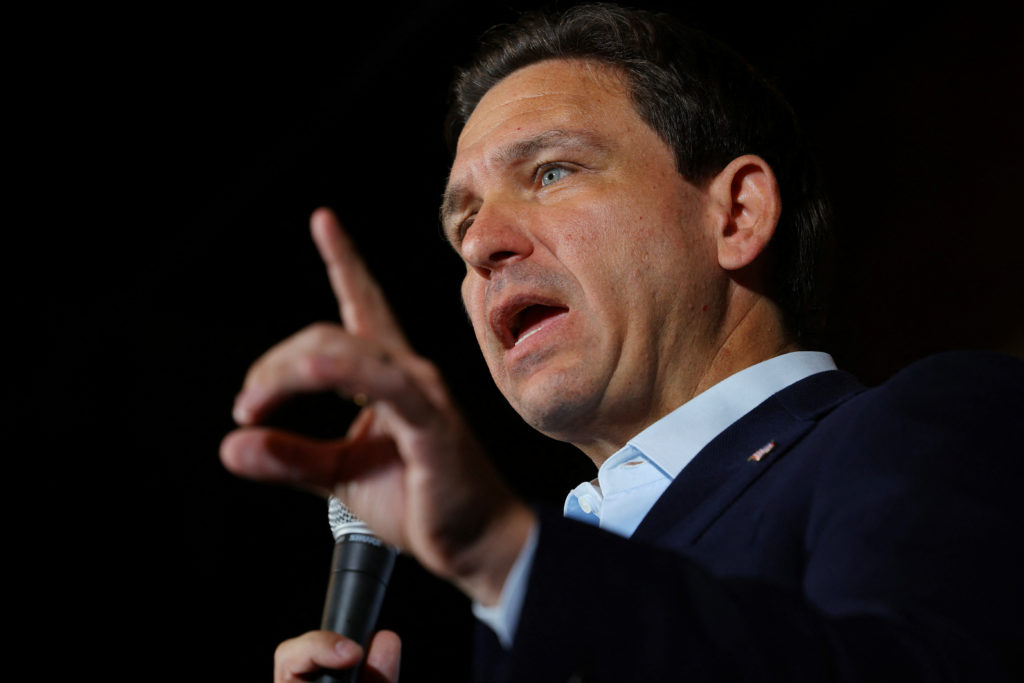
A federal judge in Florida has criticized Republican Governor Ron DeSantis for spreading false information about doctors mutilating children's genitals while pushing for transgender health care restrictions. The judge questioned the governor's motivation and will rule in the new year on whether the new law deliberately targeted transgender people. The trial challenges Florida's ban on medical treatment for transgender children and restrictions on adult trans care. At least 22 states have enacted similar laws, with mixed rulings from courts.
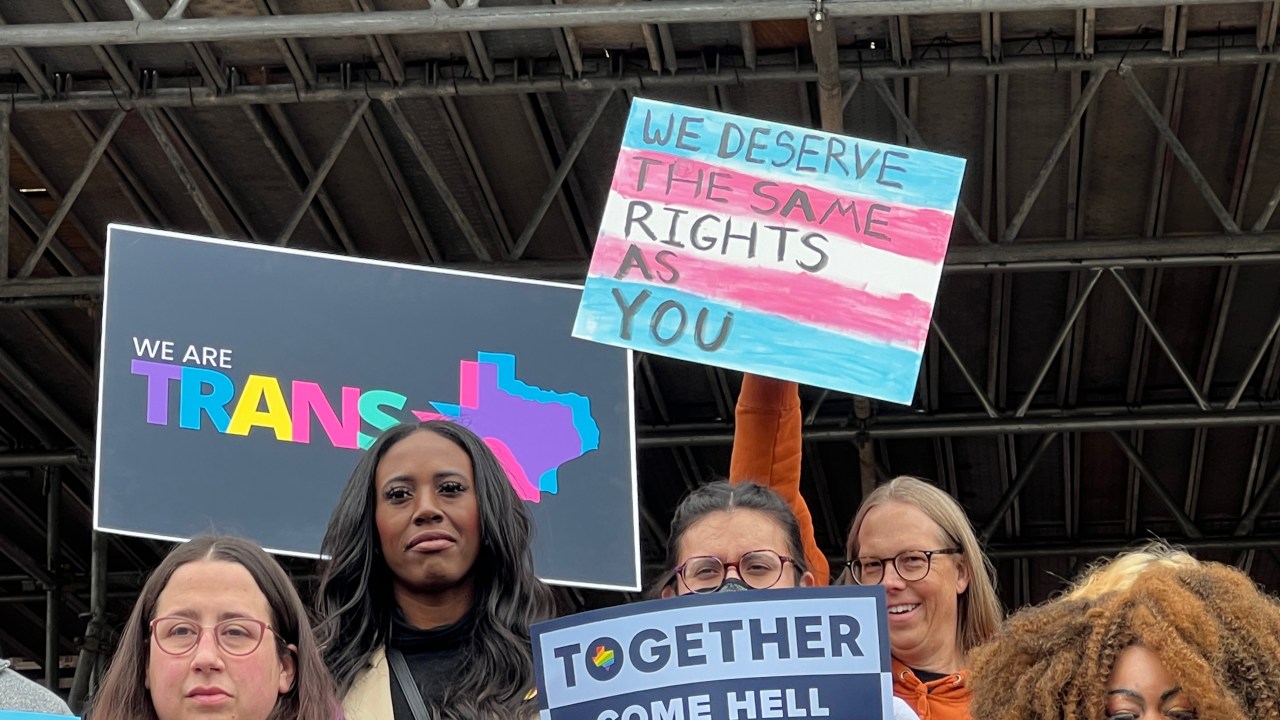
A new Texas law banning transgender health care for minors will go into effect on September 1 after the Texas Supreme Court denied a motion for temporary relief. The law, known as SB 14, was temporarily blocked by a district judge who found it likely violated parents' and doctors' rights under the Texas Constitution. However, the Office of the Attorney General filed an appeal, arguing that the state has the right to regulate parental decisions when it poses a threat to minors. The Supreme Court's ruling has been criticized by the ACLU, who called it cruel and said it puts transgender youth at risk.
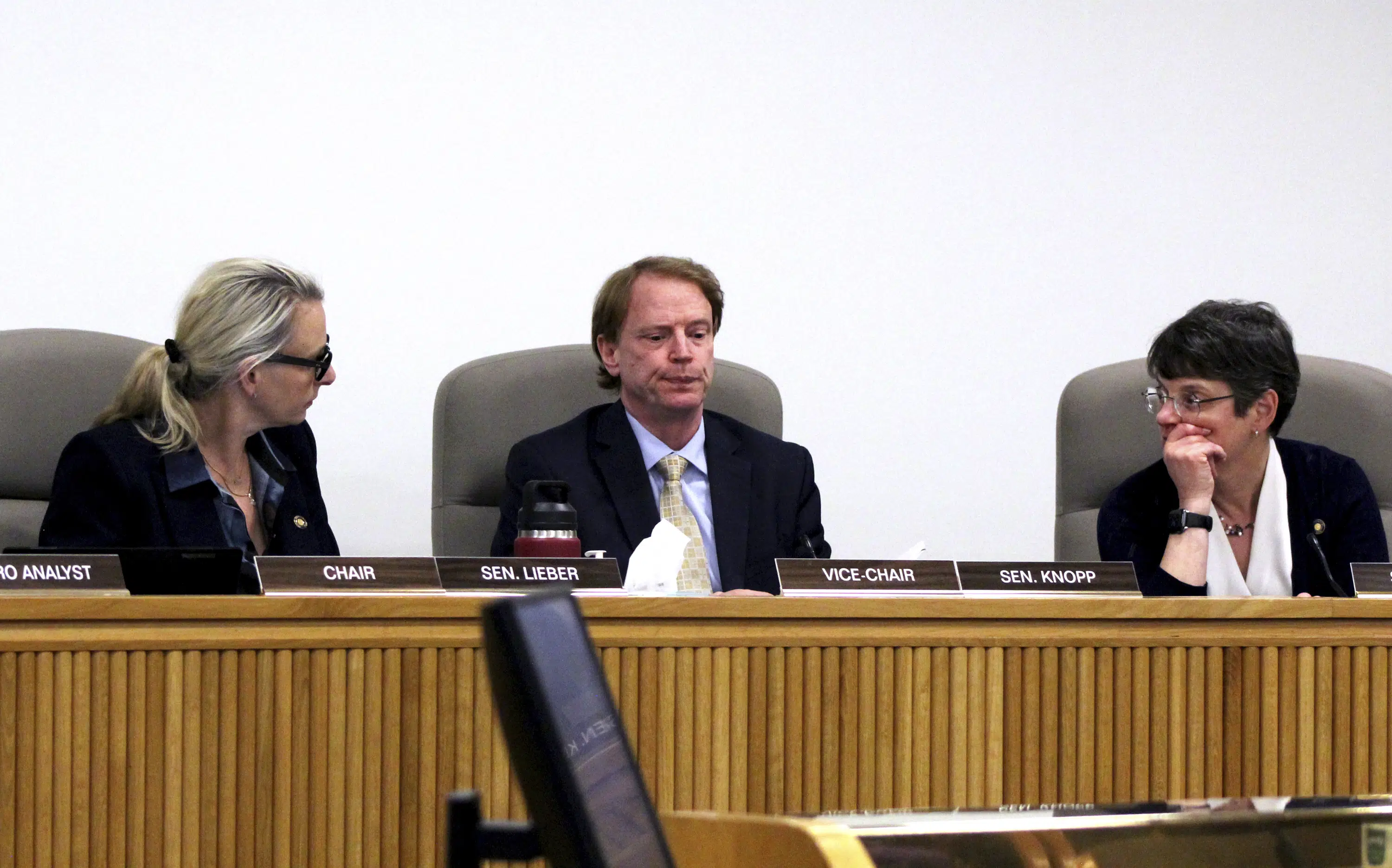
Republican senators in Oregon ended their six-week walkout that blocked hundreds of bills, including some on abortion, transgender health care, and gun safety. The boycott was prompted by a sweeping measure on abortion and gender-affirming care that Republicans said was too extreme. The walkout also blocked the approval of the two-year state budget and a gun-safety measure opposed by the GOP that would increase the purchasing age to 21 for semiautomatic rifles. The longest walkout in the Legislature’s history happened despite voters passing a ballot measure in 2022 that disqualifies lawmakers with 10 or more unexcused absences from reelection.
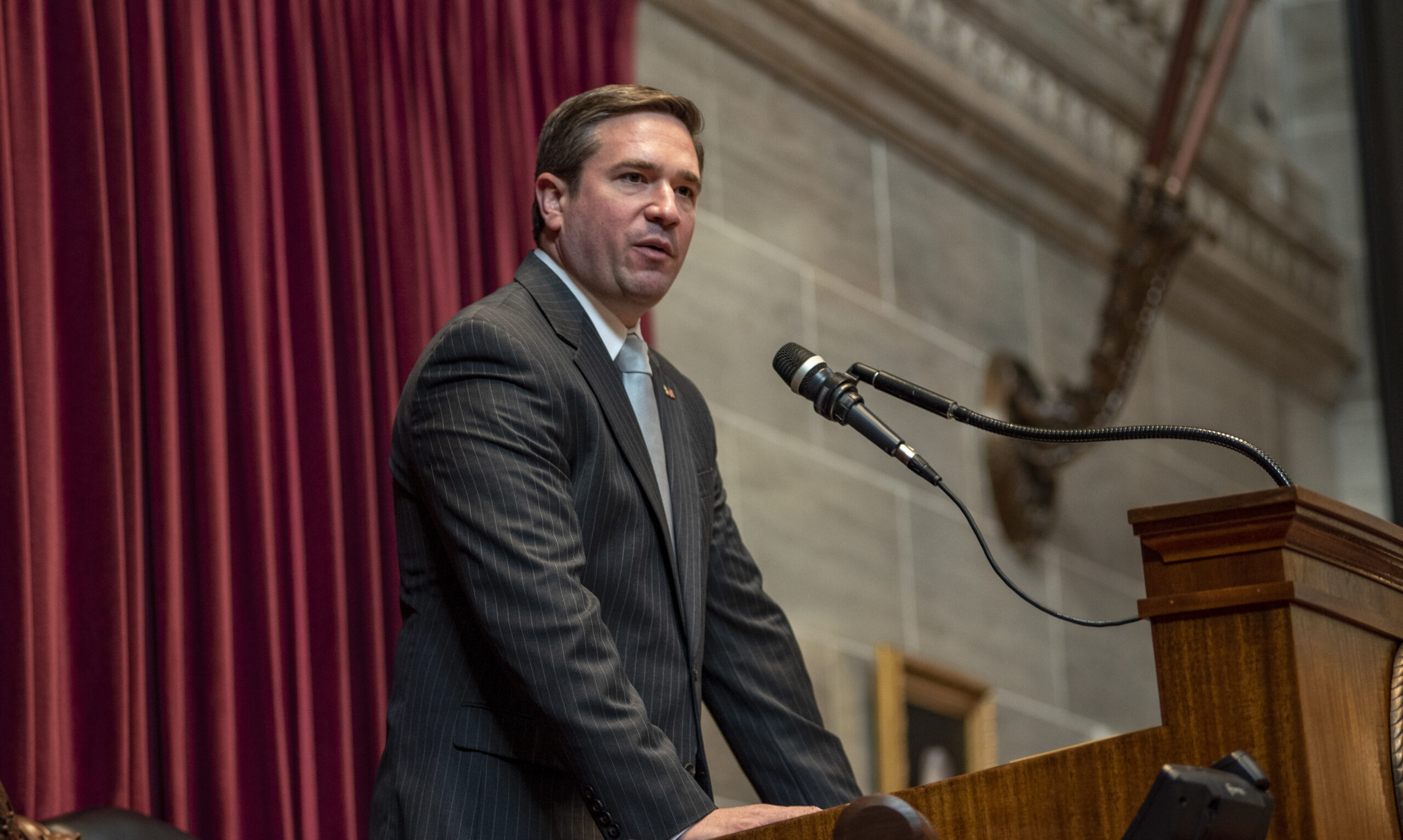
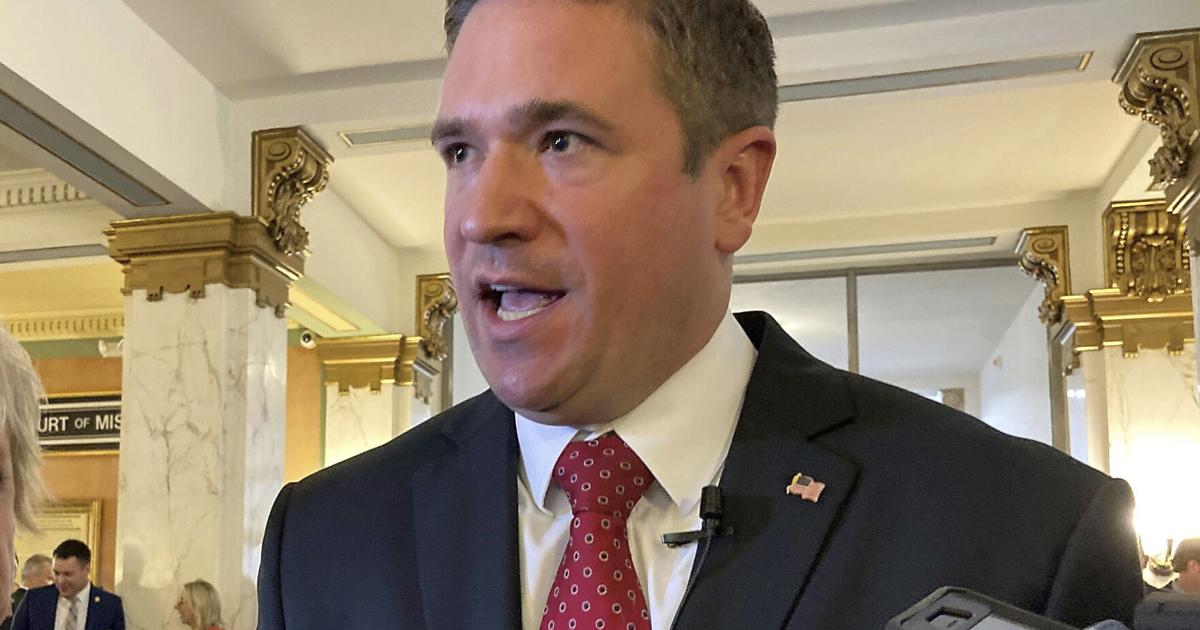
Missouri Attorney General Andrew Bailey has withdrawn his emergency rule on gender-affirming care, which would have set barriers to accessing puberty blockers, hormone therapy, and gender-affirming surgery for adults. The ACLU of Missouri filed a lawsuit in April to block the rule, and a judge put it on hold until July. Bailey did not state the reasoning for revoking the order, but if he wishes to enact it, he must restart the process. The now-terminated emergency order would have affected adults, causing fear in the LGBTQ+ community.
Missouri Attorney General Andrew Bailey has withdrawn his emergency rules that would have greatly restricted care for transgender adults, including minors. The rules, which included a new therapy requirement that created an 18-month waiting period for care, were terminated effective Tuesday. Bailey's action effectively ends a court fight in St. Louis County over the rules. The Missouri Legislature passed restrictions on transgender health care for minors last week, which Governor Mike Parson is expected to sign.
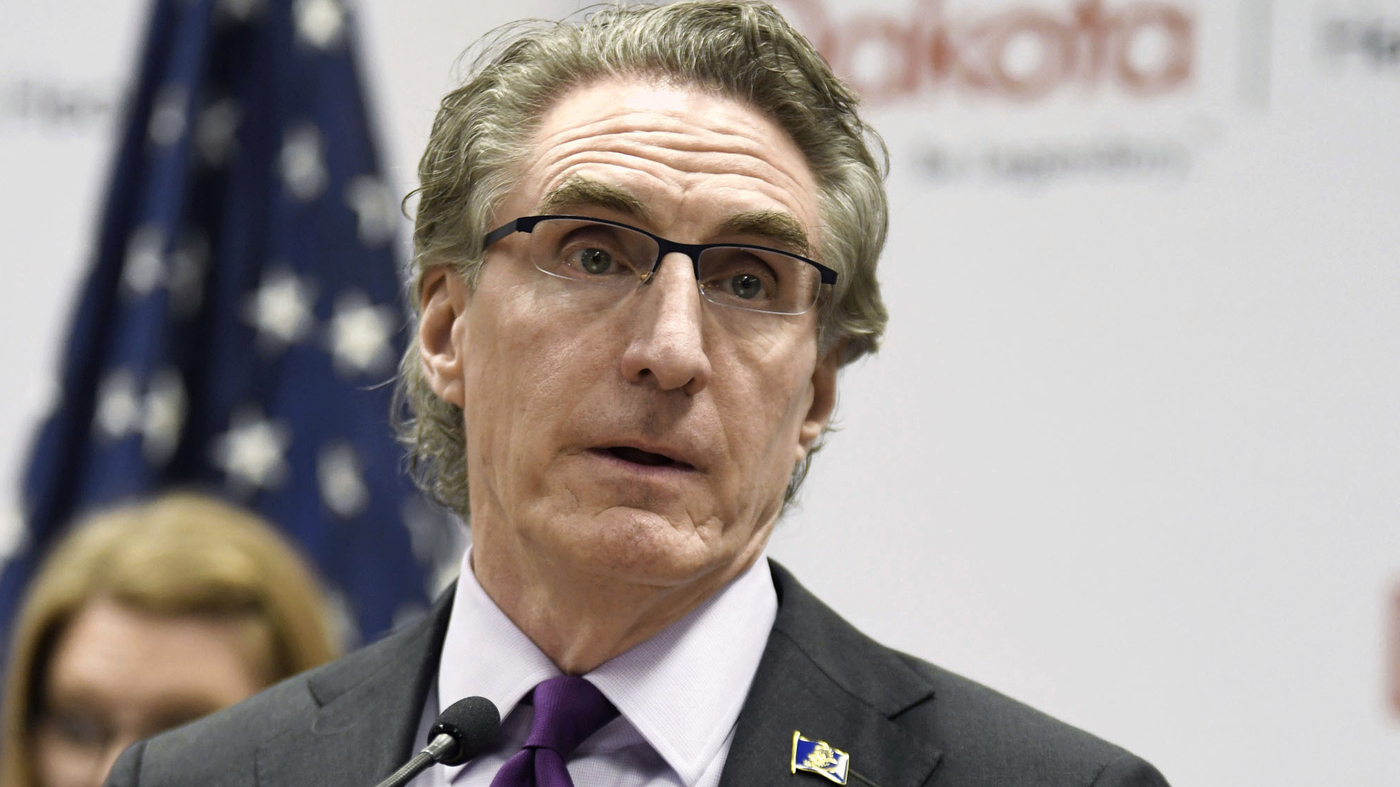
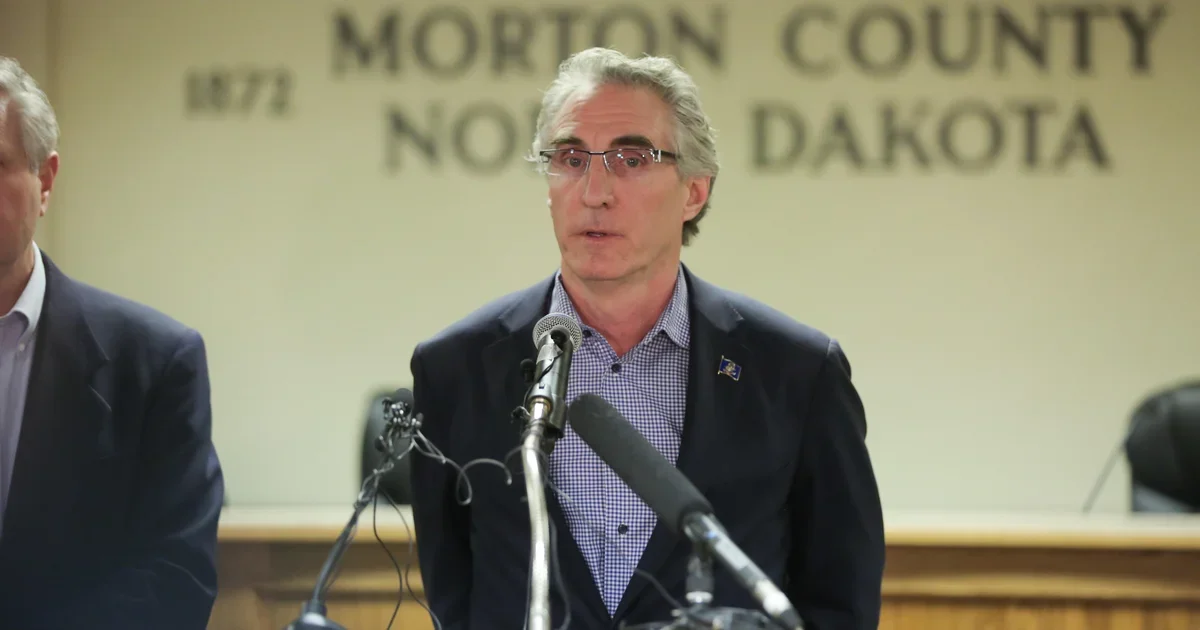
North Dakota Governor Doug Burgum has signed a bill into law that restricts transgender health care, making it a crime to give gender-affirming care to people under 18. The new law allows prosecutors to charge a health care provider with a felony for performing sex reassignment surgery on a minor and a misdemeanor for giving gender-affirming medication to a trans child. The American Civil Liberties Union of North Dakota denounced the new law as "a vast government overreach that undermines the fundamental rights of parents" and violates constitutional guarantees of equal protection and due process.
North Dakota's Republican Governor Doug Burgum signed a bill into law that restricts transgender health care in the state, making it a crime to give gender-affirming care to people younger than 18. The new law takes immediate effect and allows prosecutors to charge a health care provider with a felony for performing sex reassignment surgery on a minor. North Dakota joins at least 13 other states that have enacted laws restricting or banning gender-affirming care for minors.
Republican governors in Indiana and Idaho have signed bills banning gender-affirming care for minors, making those states the latest to restrict transgender health care. More than a dozen other states are considering similar bills. Supporters argue that the banned care is irreversible or carries side effects, while opponents say such care is vital and often life-saving for trans kids. The ACLU plans to sue over both laws, arguing they violate the U.S. Constitution's equal protection guarantees as well as federal laws regarding essential medical services.
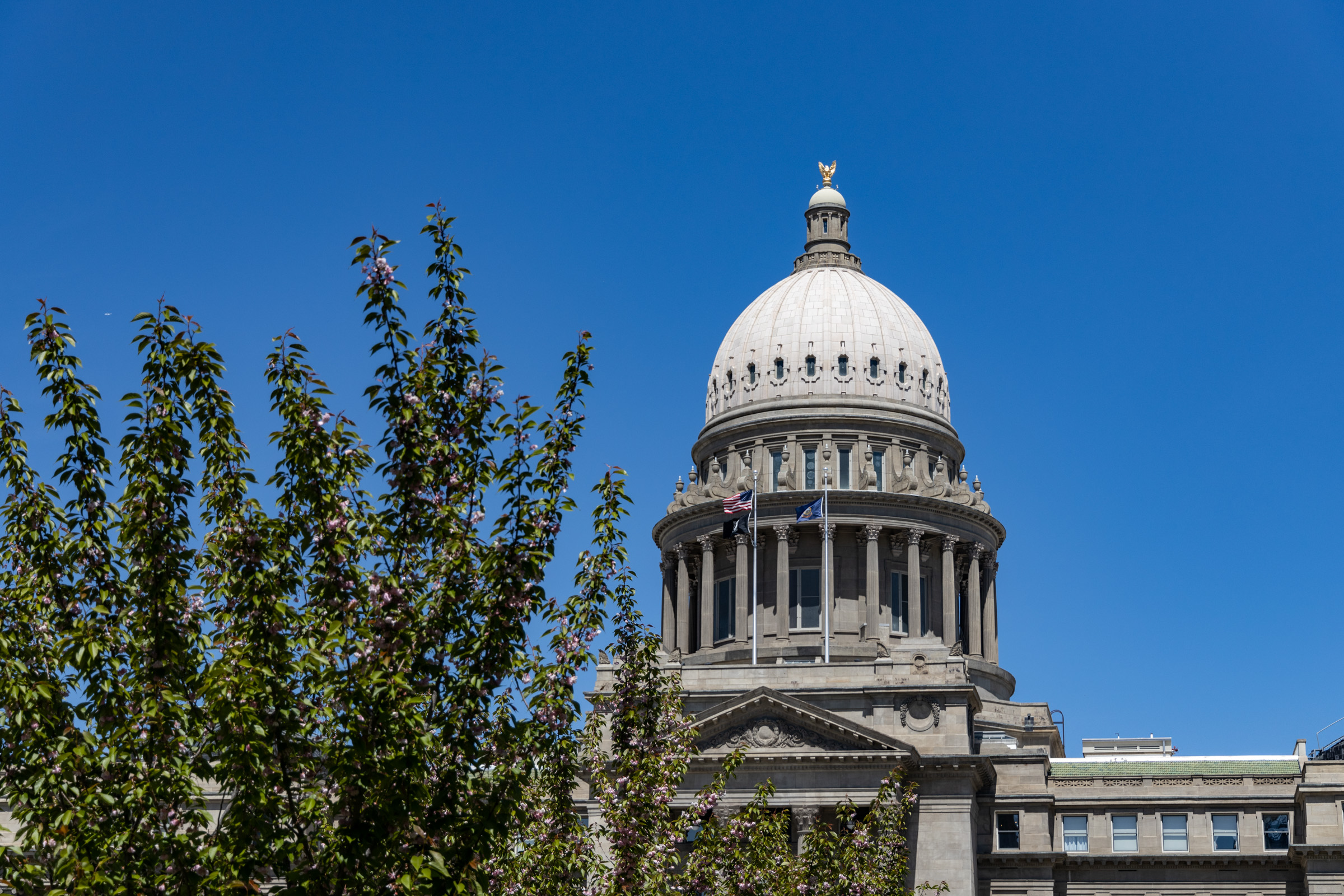
Idaho Governor Brad Little signed House Bill 71 into law, which bans gender-affirming care for transgender youth and makes it a felony for medical practitioners to help minors seek gender-affirming treatment. Little's office received more than 14,800 emails and calls in favor of the bill and more than 6,500 calls and emails asking Little to veto the bill. Conservative groups urged Idahoans to voice support for the bill, while community organizations worked on a campaign to veto it.