PayPal is expanding its crypto payment services, allowing merchants worldwide to accept over 100 cryptocurrencies with significantly reduced transaction fees of up to 90%, facilitating near-instant settlements and broadening global commerce opportunities.
The USDA has announced a new rule prohibiting schools from charging transaction fees on electronic deposits for low-income families' school lunch accounts, effective in the 2027-28 academic year. This policy aims to alleviate financial burdens on families eligible for free and reduced-price meals, whose incomes are 185% or less of the federal poverty level. The move has been praised by anti-hunger advocates and is seen as a step towards ensuring equitable access to school meals, with further efforts to eliminate such fees for all families.
The Bitcoin halving, which occurs every four years, led to a surge in transaction fees as a new Bitcoin-based system called Runes launched. The halving reduced the amount miners get rewarded for creating new bitcoin, and fees soared as speculators rushed to mint digital tokens. The event, venerated in the blockchain community, saw a record-high 37.6 BTC fee attached to the halving block, and fees remained far higher than normal in the aftermath. The launch of the Runes protocol for fungible tokens also contributed to the spike in fees, reflecting intense competition by users. The halving is seen as a momentous occasion in the crypto community, symbolizing Bitcoin's original concept as an autonomous, decentralized financial network with a non-inflationary monetary policy set by code.
Bitcoin has completed its fourth halving, reducing miners' block subsidy reward from 6.25 BTC to 3.125 BTC. This event marks a new epoch for the network, with hopes of landing on the memeable date of 4/20 failing to materialize for the U.S. market. The reduction in subsidy rewards could see some miners exiting the market, potentially impacting the network's processing abilities. Transaction fees will become increasingly important for miners as the primary revenue stream, and the industry anticipates a shift in mining power and increased innovation and efficiency improvements within the sector.
Visa and Mastercard have reached a $30 billion settlement over allegations of fixing credit card swipe fees in the US, potentially ending a 16-year legal battle. The settlement, which is subject to court approval, would resolve a class-action lawsuit brought by millions of US businesses.
The Dencun upgrade on Ethereum Layer-2 networks like Optimism, Zora, and Base has significantly reduced transaction costs, with some fees now appearing as less than a penny. This upgrade introduced proto-danksharding, allowing for the division of data into smaller pieces to process it more efficiently, resulting in lower operational costs for L2 networks and cheaper transaction costs for users. However, some experts caution that these low costs may not be sustainable as demand for the new data storage method, known as blobs, increases over time.
Apple has sparked outrage by introducing transaction fees that could cost iPhone and iPad app users more money, despite a US judge's order to change its 30% levy on subscriptions and in-app purchases. The company will still profit after introducing a 27% commission on purchases, leading to concerns that this move could be introduced in the UK. Tech watchdog Digital Markets Unit is being urged to legislate to prevent this, with Spotify calling for an end to Apple's fees through the Digital Markets, Competition and Consumers Bill.
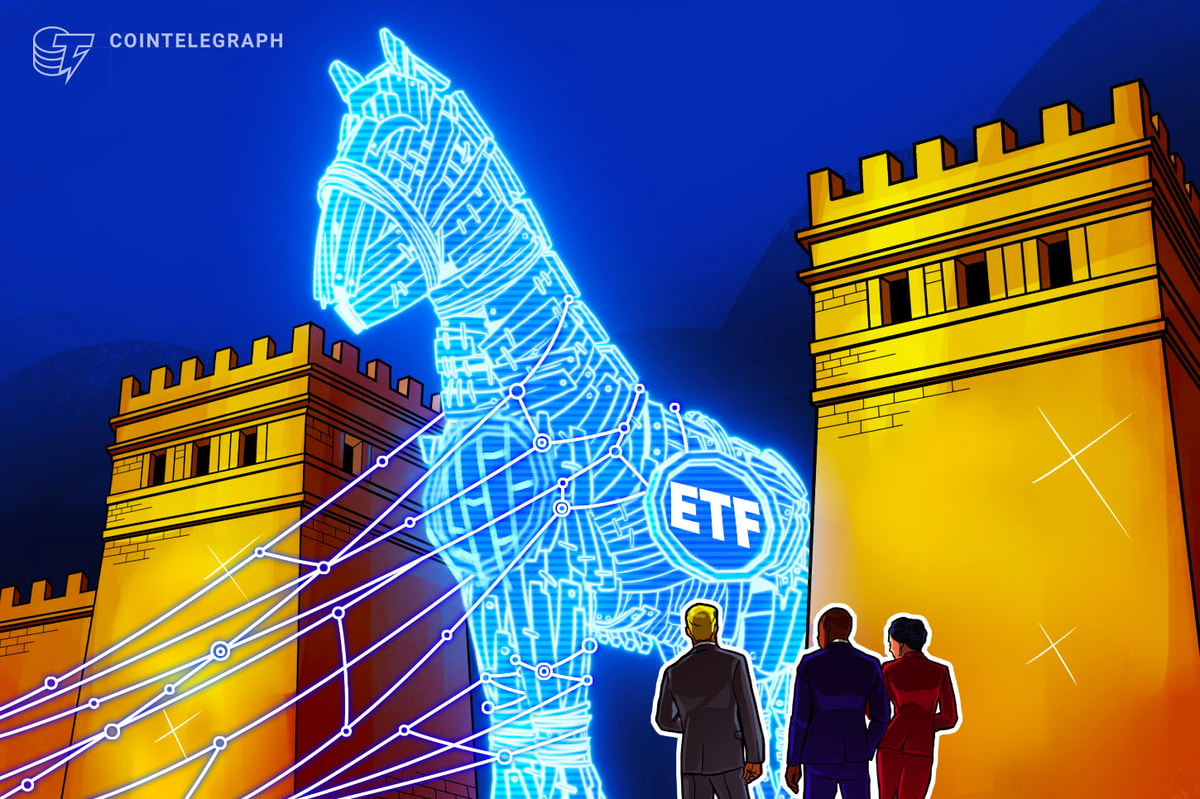
Analysts warn that the approval of a spot Bitcoin ETF in the United States could have negative consequences for centralized cryptocurrency exchanges like Coinbase. The lower transaction fees offered by a spot Bitcoin ETF would attract retail buyers and sellers, potentially leaving crypto exchanges with outdated retail trade execution and commissions. The ETF would also create more price competition in the industry, diverting money back to investors from exchanges that rely heavily on transaction fees for revenue. Coinbase, for example, earned $2.4 billion in transaction fees in 2022, accounting for 77% of its total net revenue.
The global supply of Ethereum (ETH) has increased by nearly 30,000 ETH in the last 30 days, equivalent to around $47.9 million, due to a decline in transaction flow on the Ethereum network. This surge in ETH supply is a result of lower transaction fees, which means less ETH is being burned and permanently removed from circulation. Some crypto users and investors are concerned about Ethereum's recent inflationary trend, but the Ethereum team appears largely unconcerned, stating that it is insignificant in the grand scheme of things.
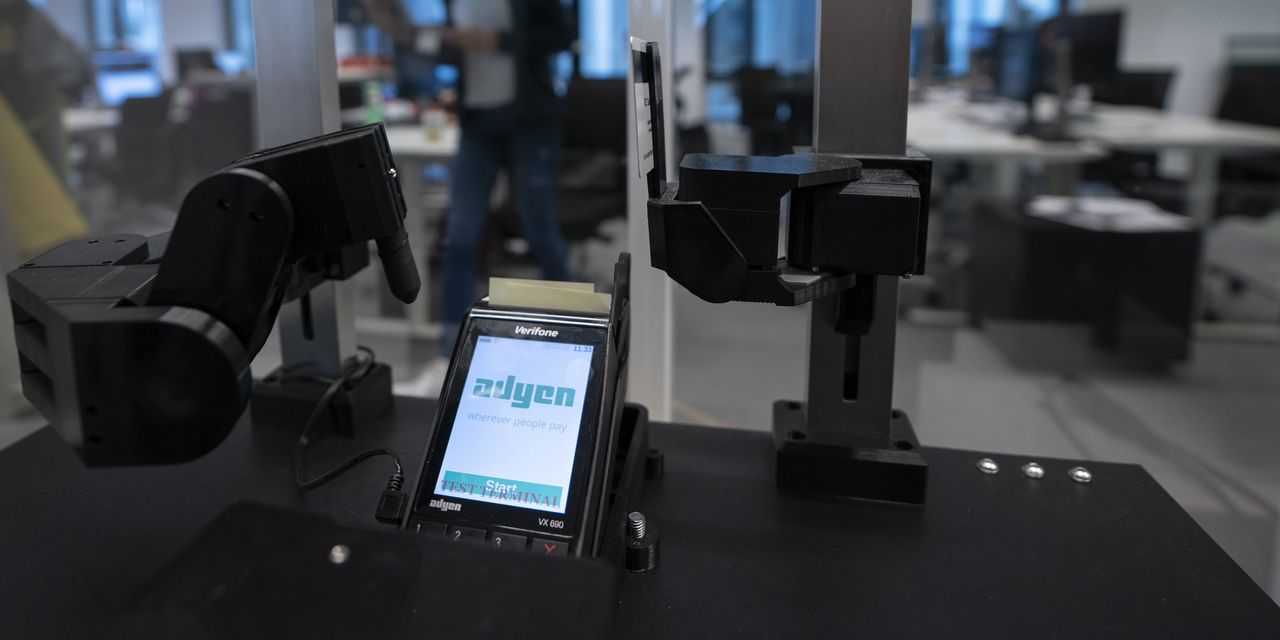
Digital payments may not be as cost-effective as they seem, as hidden fees and transaction costs can add up, according to a news article. While digital payment methods offer convenience and ease of use, users should be aware of the potential costs associated with these services.
The Bitcoin network is experiencing increased fees and a backlog of transactions due to the popularity of BRC-20 memecoins minted on the BTC blockchain. Unlike conventional token standards, BRC-20 does not use smart contracts and operates only with wallets supporting the Bitcoin blockchain. The average fee per transaction has skyrocketed, exceeding $16 and peaking at $29 on May 9. The total market capitalization of BRC-20 tokens surpassed $1 billion on May 9. Bitcoin core developers are considering taking action against BRC-20 tokens and ordinals, which they consider network spam.
Transactions on the Litecoin blockchain have hit an all-time high of over 525,000 in a day, as users seek alternatives to Bitcoin's high transaction fees caused by the frenzy of new Bitcoin-based BRC-20 tokens. The rising popularity of BRC-20 tokens has pushed Bitcoin transaction fees to the highest level since May 2021, leading users to seek cheaper alternatives such as stablecoins and the Lightning network. The surge in activity has also led to a record number of active wallet addresses and new Litecoin addresses being created.
For the first time since 2017, Bitcoin transaction fees in a single block have surpassed the block rewards given to miners. The fees in the block were 6.7 Bitcoin, beating the block subsidy of 6.25 Bitcoin. This spike in fees benefits Bitcoin miners, who run expensive computers to secure the network. Transaction fees are one of two sources of income for miners, and their fluctuation makes it uncertain if they will provide a consistent source of income in the future.
Fees on the Bitcoin blockchain have surged to two-year highs as demand for block space increases due to the rising popularity of the Ordinals protocol and the 'Bitcoin Request for Comment' (BRC-20) tokens. The number of non-fungible tokens (NFTs) tied to the Bitcoin blockchain has surged above 3 million, mainly consisting of text-based assets. The BRC-20 token standard allows users to issue transferable tokens directly through the network, which has spurred a collection of digital artwork and meme tokens built on Bitcoin. However, the rapid transactional activity has caused network congestion, with nearly 415,000 unconfirmed Bitcoin transactions at writing time on Monday.
Binance temporarily paused bitcoin withdrawals due to the bitcoin blockchain being overwhelmed with pending transactions and high fees. On-chain data shows nearly 400,000 unconfirmed Bitcoin transactions, with the average transaction fee doubling since March to a two-year high of just over $8. The adoption of the BRC-20 standard for inscription tokens is driving fees up, with a market cap of $482 million across 14,000 tokens.