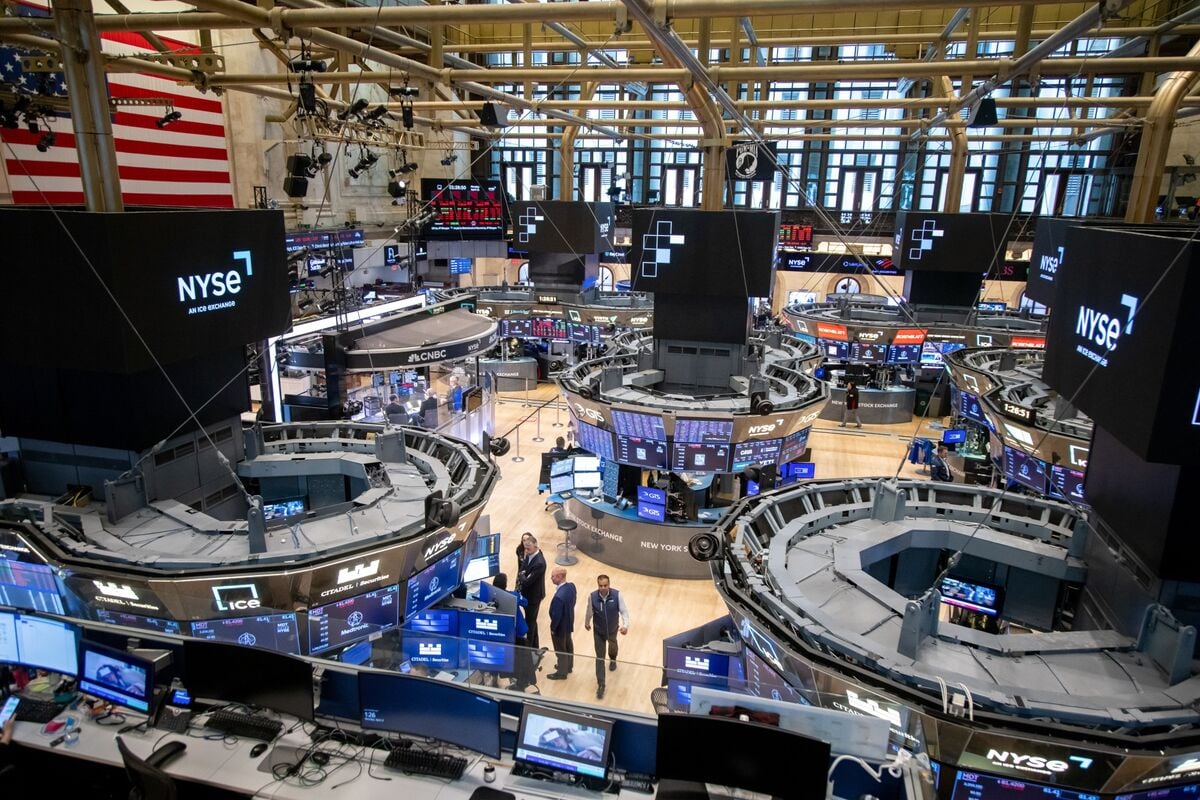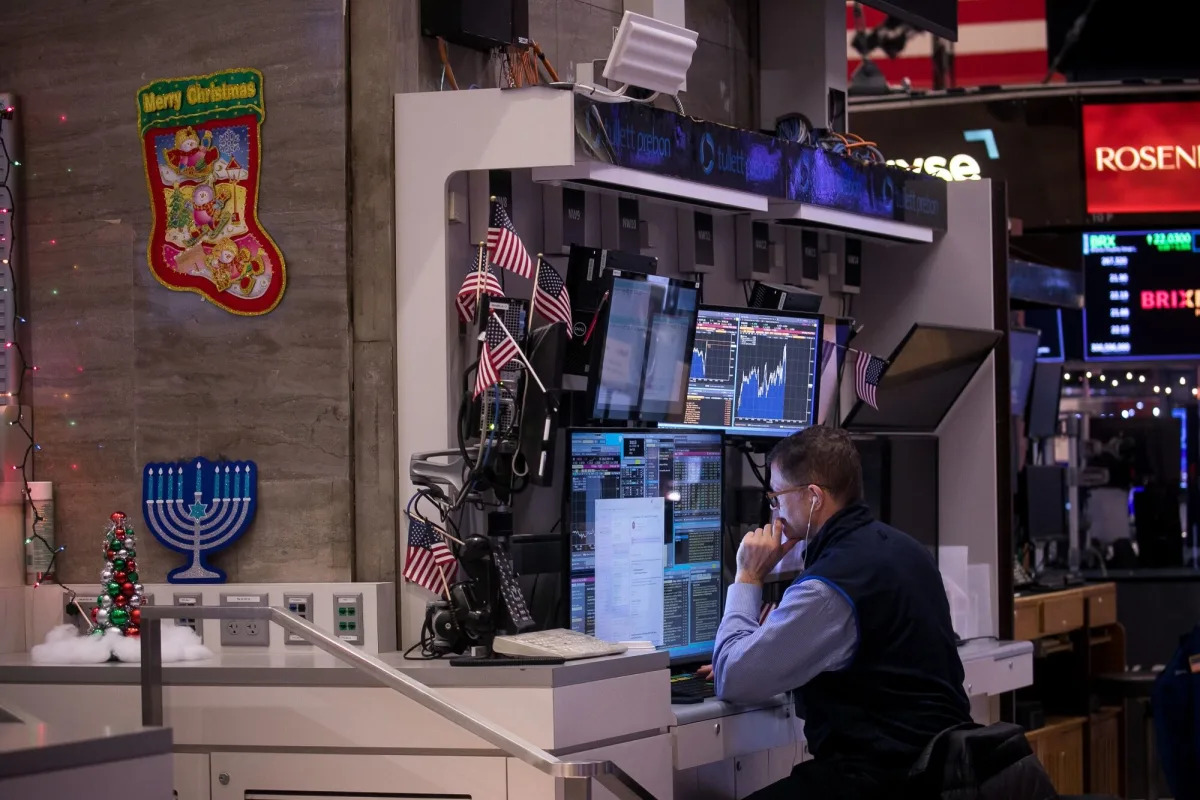
The article discusses upcoming earnings reports for major companies from August 4-8, highlighting how implied volatility tends to spike before earnings and drop afterward. It provides expected stock move ranges based on options data, suggesting trading strategies like spreads and iron condors, and also mentions using stock screeners to find stocks with high implied volatility.
The article discusses how oil traders anticipated and responded to the Middle East conflict, highlighting their strategies and insights into the oil market during geopolitical tensions.
Traders are increasing hedges against a wide range of Federal Reserve interest rate outcomes amid economic uncertainty, with market positions reflecting expectations of possible rate cuts or stability, influenced by economic data and trade policies, and with significant activity in options and futures markets.
Wall Street traders are strategizing to profit from the volatility caused by US trade tensions and tariff announcements, with some betting against the market during escalations and buying after resolutions, as recent patterns suggest potential gains amid ongoing trade war uncertainties.
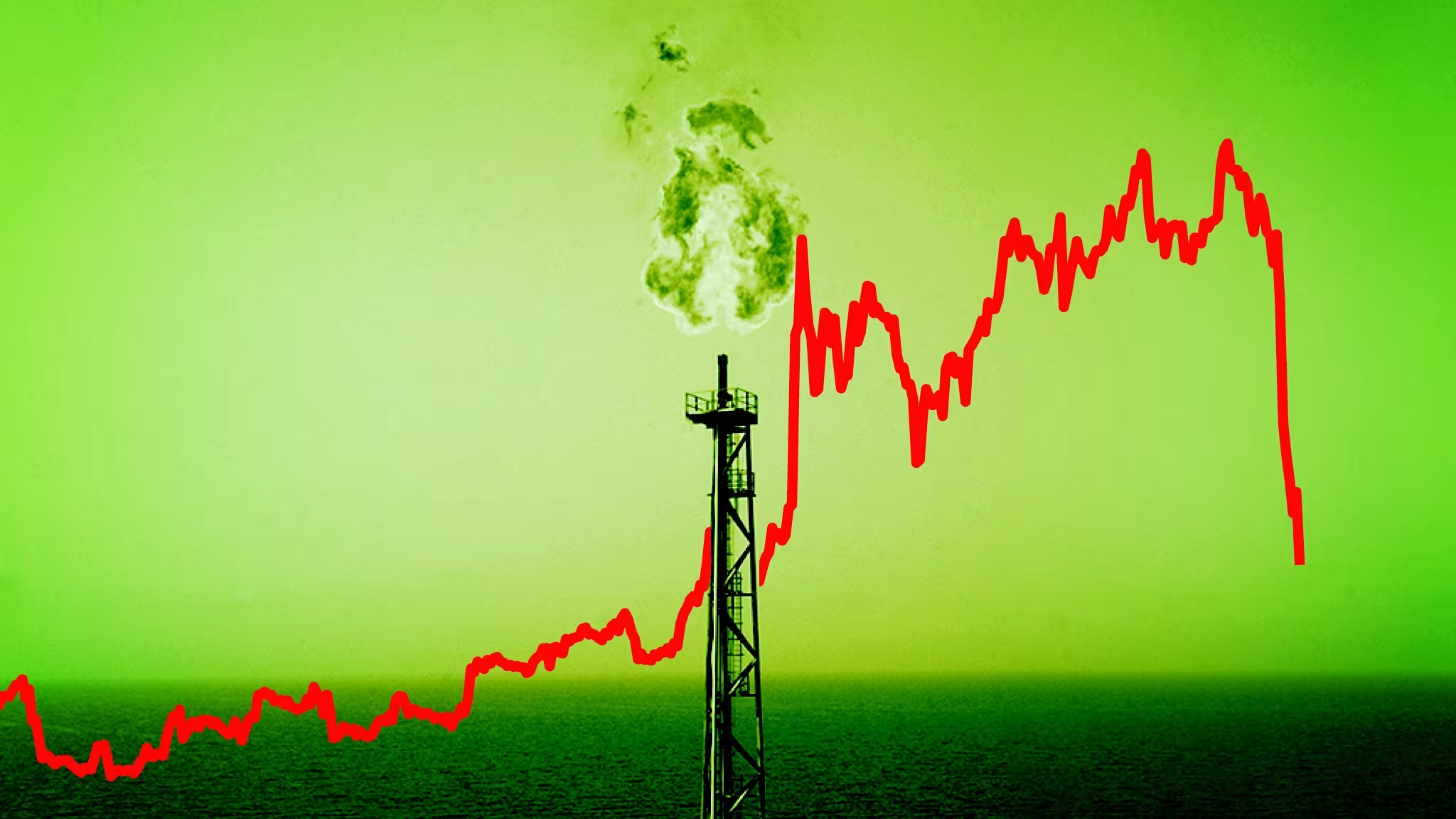
U.S. Natural Gas futures have surged due to speculative buying and short-covering, driven by immediate weather conditions rather than long-term economic indicators. Winter weather impacts the market, with varying regional effects on heating and cooling demand. Traders are cautioned against following the current bullish trend and advised to wait for selling opportunities, considering the potential for a market reversal due to milder temperature forecasts. Strategic trading recommendations emphasize the need for caution and long-term market focus amidst the volatility of the weather-driven natural gas market.
Zero-day options, specifically put options expiring within 24 hours, are being blamed for the sharp decline in US equities on Wednesday. Market observers suggest that the heavy trading volume in these options prompted market makers to hedge their exposure, pushing the market lower. The S&P 500 Index dropped 1.5%, its biggest decline since September, with the selloff attributed to the combination of overbought conditions, thin trading ahead of the holidays, and the influence of zero-day options. The debate continues on the broader impact of these options, with institutional investors using them to hedge short-term risk while retail investors make big bets with little money down.
Natural gas futures opened lower due to a forecast for milder weather, which reduces demand for heating fuel. Despite an increase in the US natural gas rig count, warmer weather predictions threaten to suppress heating demand. The market is also grappling with complex dynamics in LNG exports and high storage levels. Trading strategies among energy firms have yielded mixed results. The outlook for natural gas prices in the short term appears bearish, with high inventory levels and reduced heating demand weighing on market sentiment. Technical analysis suggests a potential downtrend in both medium and longer-term views.
Zero-day options now make up 50% of S&P options volumes, indicating a growing trend in the use of these financial derivatives. Traders are increasingly utilizing zero-day options as part of their trading strategies, highlighting the importance of staying informed about market trends in the finance industry.