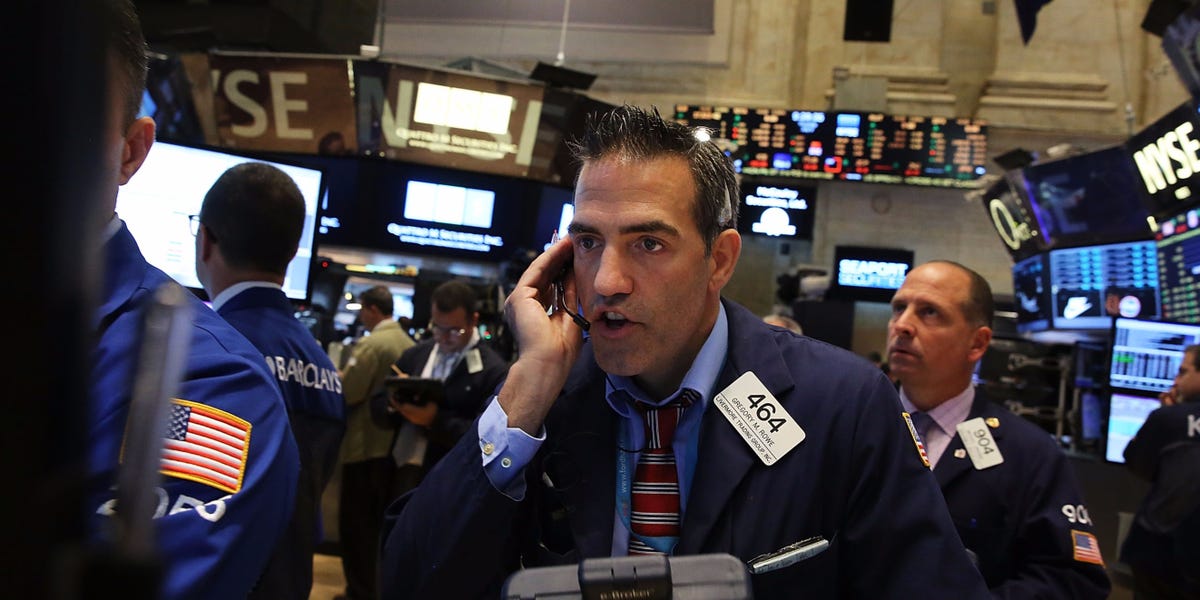
Zero-day options, specifically put options expiring within 24 hours, are being blamed for the sharp decline in US equities on Wednesday. Market observers suggest that the heavy trading volume in these options prompted market makers to hedge their exposure, pushing the market lower. The S&P 500 Index dropped 1.5%, its biggest decline since September, with the selloff attributed to the combination of overbought conditions, thin trading ahead of the holidays, and the influence of zero-day options. The debate continues on the broader impact of these options, with institutional investors using them to hedge short-term risk while retail investors make big bets with little money down.

Michael Burry, the investor famous for predicting the subprime mortgage crisis, has revealed significant bets against the stock market through his hedge fund, Scion Asset Management. The fund held put options against 2 million shares of the SPDR S&P 500 ETF Trust and 2 million shares of the Invesco QQQ ETF, valued at $886.6 million and $738.8 million respectively at the end of the second quarter. Burry's portfolio also includes smaller positions in travel and healthcare companies. The outcome of these bets remains uncertain in the current market environment.
The cost of protecting against a stock market sell-off is currently at its lowest since 2008, according to Bank of America. Low equity volatility and high interest rates have driven down the price of S&P 500 put options, making it a bargain for investors looking to hedge against potential market weakness. Despite the recent rally in US stocks, concerns over high interest rates, stretched valuations, and recession risks have prompted investors to consider buying these options at the current low prices.
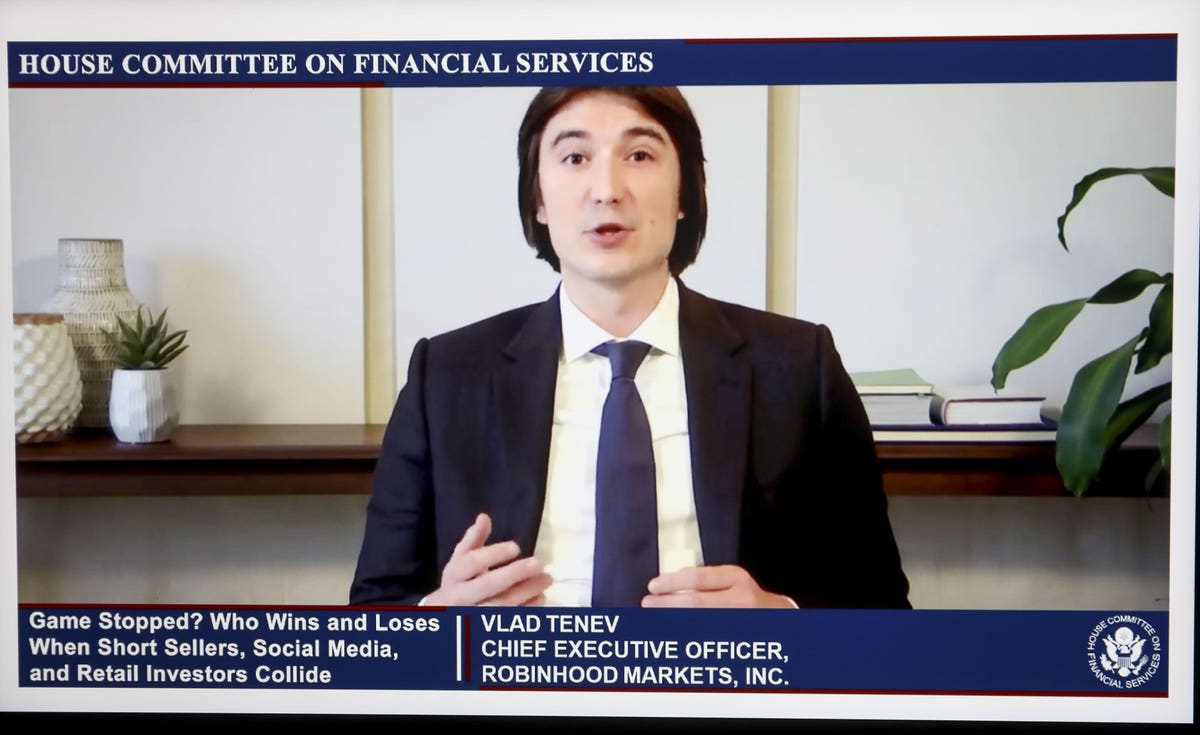
Robinhood users who purchased put options on the now-collapsed Silicon Valley Bank and Signature Bank are unable to cash in on their profitable bets, as the trading app is not allowing them to sell their contracts or get paid. Robinhood's reasons for not letting users exercise their options are due to the logistical nightmare of buying the shares if they don't already own them to satisfy the contract. Fidelity has also faced criticism for its failure to pay up. Users are questioning why they were allowed to buy put contracts on stocks they didn't own in the first place.