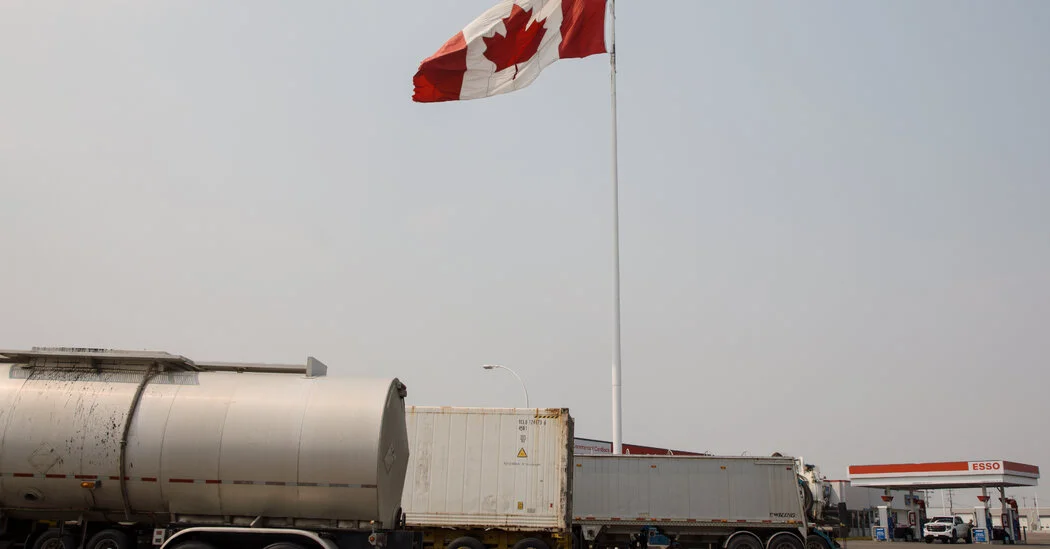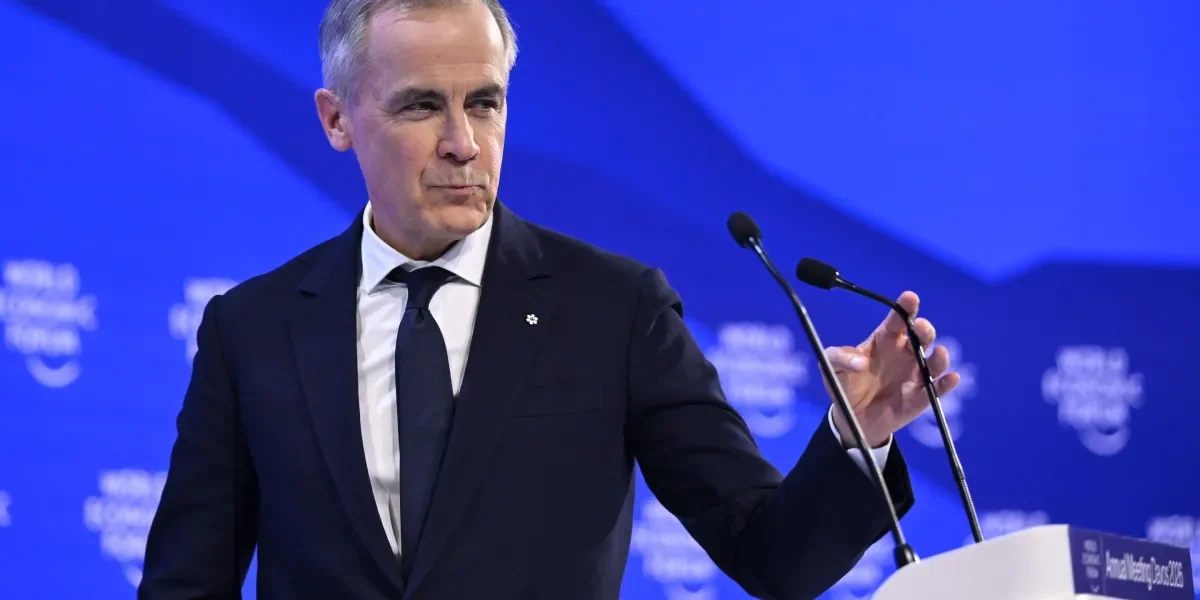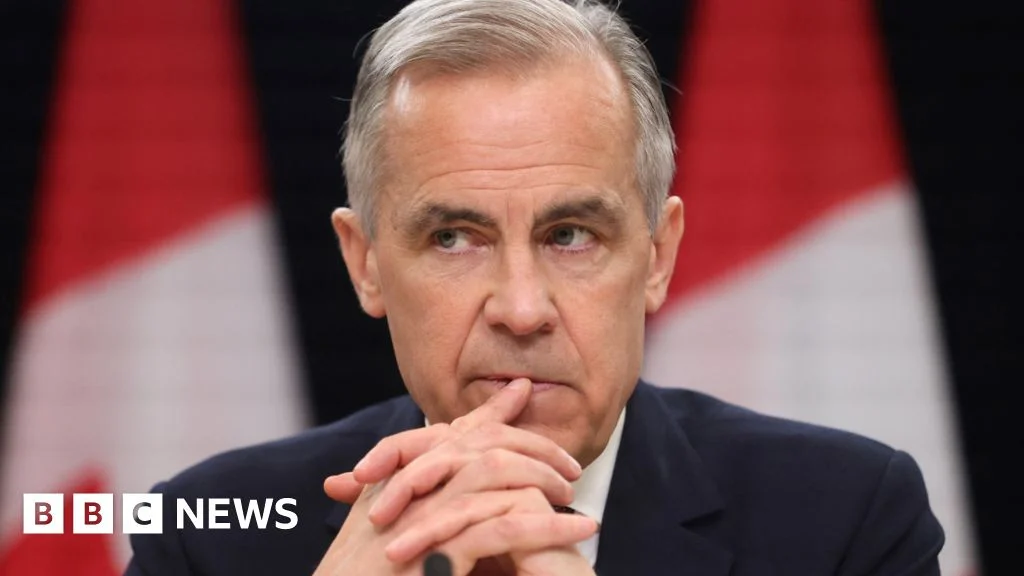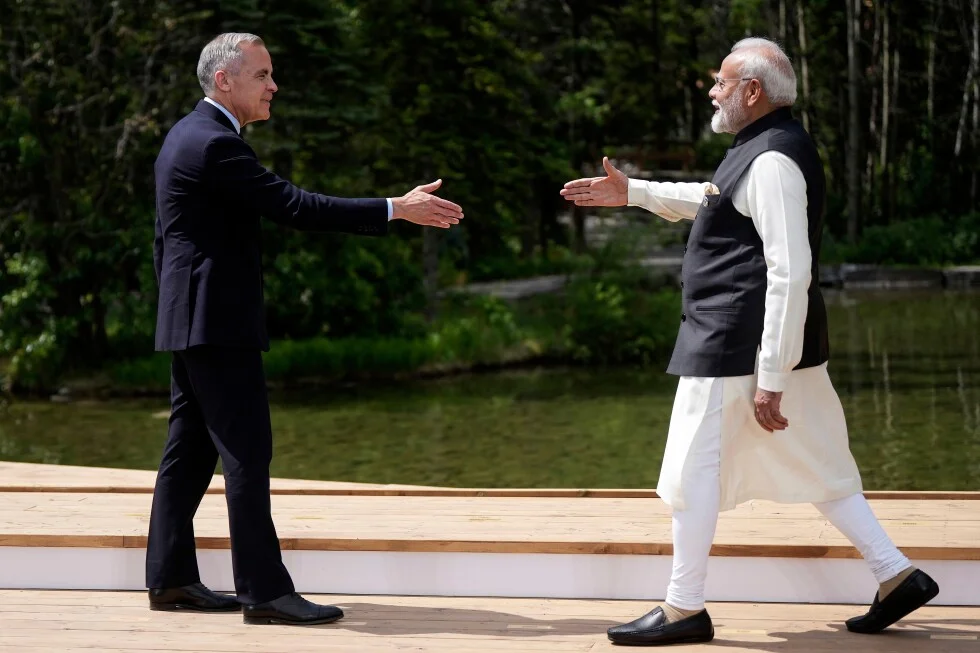
Amid strained US-Canada relations under Trump, Canada is rapidly diversifying its trade away from the US, focusing on Europe, the Middle East, China, and India, with a new trade strategy expected soon to reduce dependence on the US and adapt to a shifting global economic landscape.
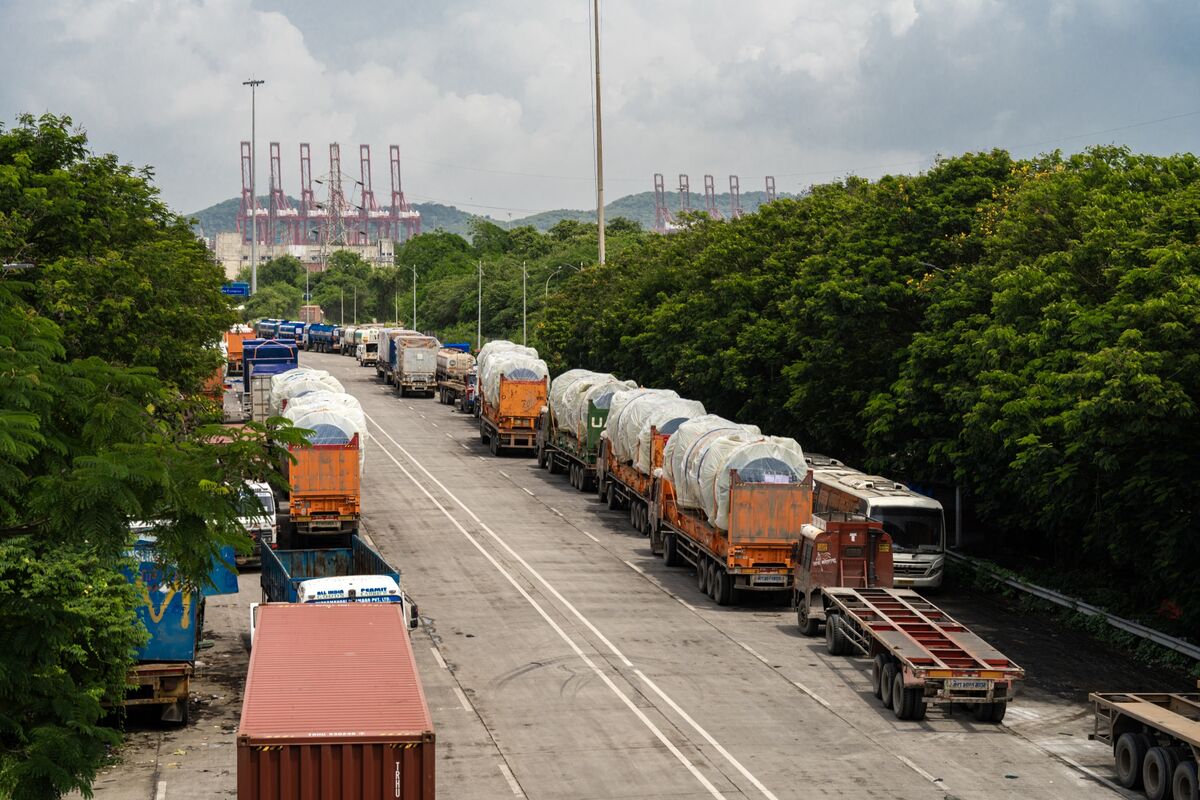
India's exports reached a decade-high in November, driven by buoyant electronics exports and diversification, helping it withstand Trump's tariffs, while the rapid growth and intense competition in India's e-commerce sector signal a potential market shakeout ahead.
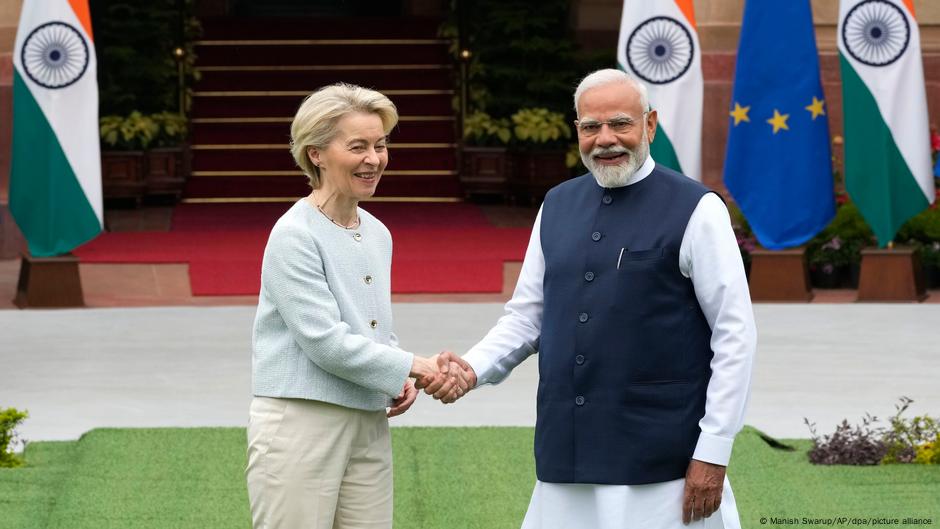
India and the EU are close to finalizing a free trade agreement amid global turmoil and US tariffs, aiming to diversify trade partnerships, reduce dependency on the US, and strengthen geopolitical ties, with negotiations focusing on market access and addressing challenges like the EU's Carbon Border Adjustment Mechanism.
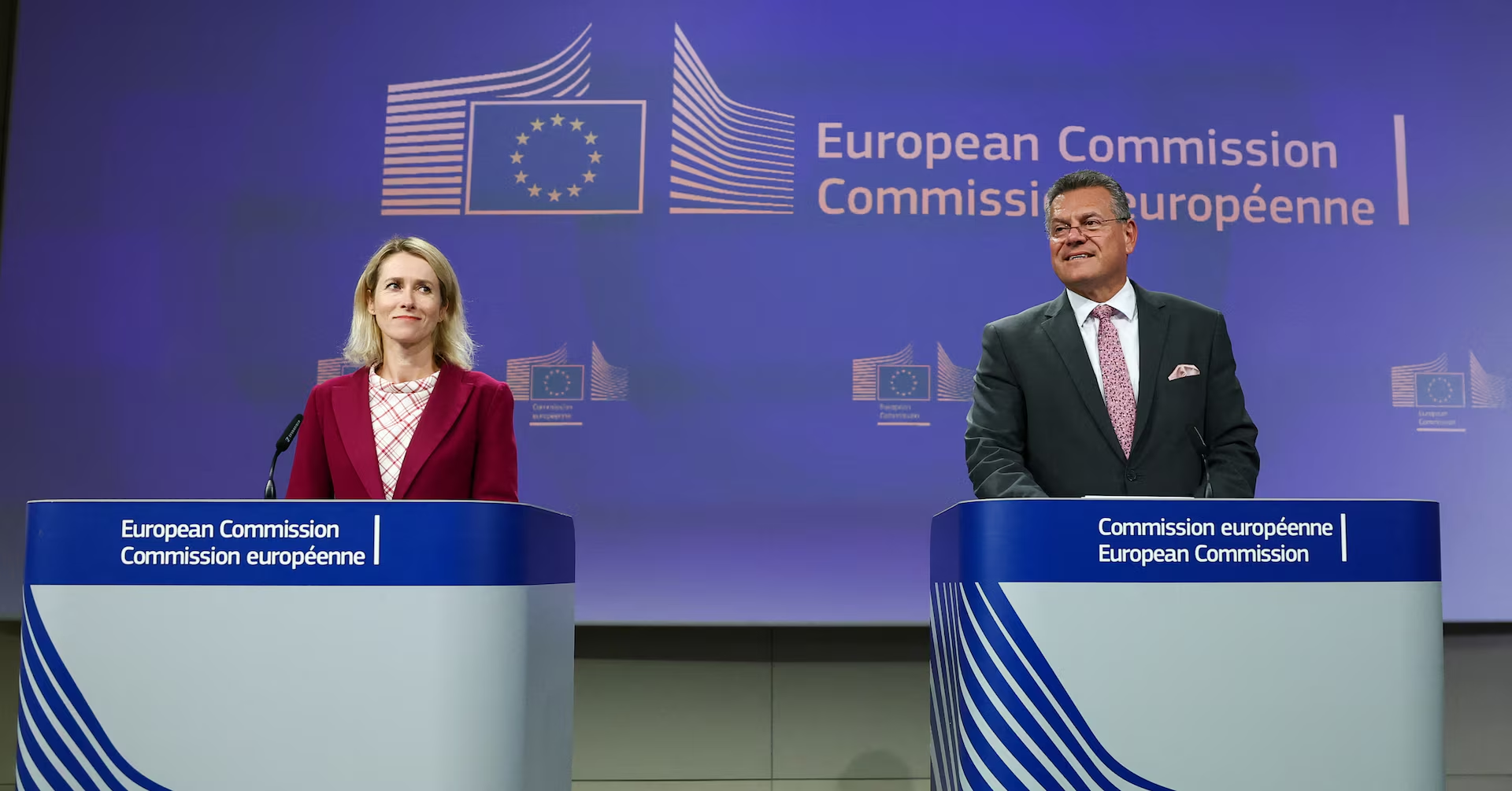
The European Commission is seeking approval for a trade agreement with Mercosur, aiming to offset US tariffs and reduce reliance on China, despite opposition from EU farmers, France, and green groups. The deal includes safeguards for sensitive farm products and is part of the EU's broader strategy to diversify trade partnerships. Approval is uncertain as it requires a majority vote in the EU Parliament and among member states.
China's exports increased by 5.8% in June, surpassing expectations, amid a recent US trade agreement that involved duty reductions. Despite a decline in exports to the US, China has diversified its trade partners to regions like Africa, Latin America, and ASEAN. The trade agreement aims to support China's economy, which faces challenges from domestic demand and global tariffs, with upcoming US tariffs potentially impacting future trade dynamics.
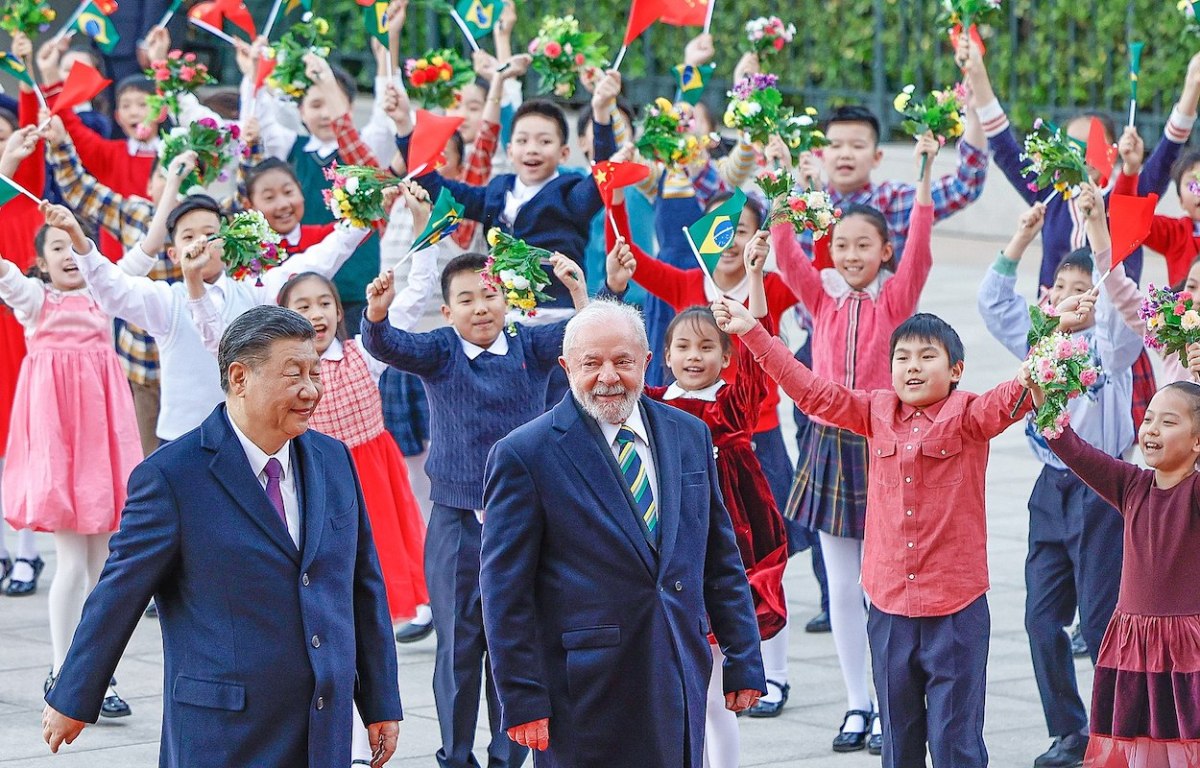
Brazilian President Lula da Silva's visit to China has added momentum to Xi Jinping's ambition to reduce the role of the US dollar in global trade and finance. Lula urged fellow BRICS economies to accelerate efforts to supplant the dollar and said the BRICS-created New Development Bank should take the lead in wrestling financial power away from Washington. Lula's support for a dollar alternative could be a particularly powerful booster for Xi, who has long sought to reduce the dollar's dominance in global commerce.