Skechers has launched kids' sneakers with a hidden compartment for Apple AirTags, allowing parents to track their child's location, raising privacy and ethical questions about surveillance and the use of tracking devices on children.
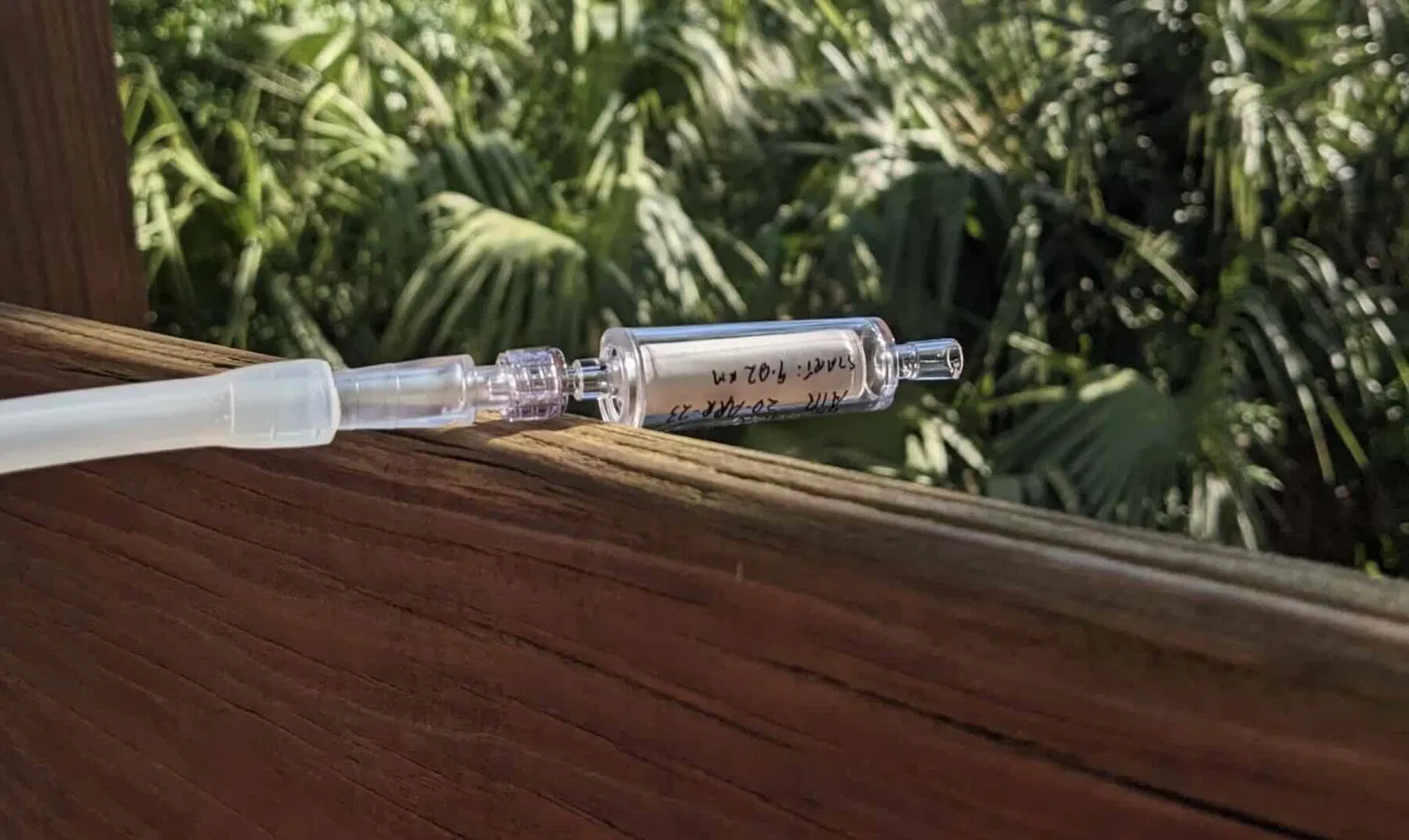
Researchers have developed a groundbreaking method to track wildlife, pathogens, and substances by capturing environmental DNA from the air using a simple vacuum, enabling rapid, non-invasive environmental and health monitoring across various environments.
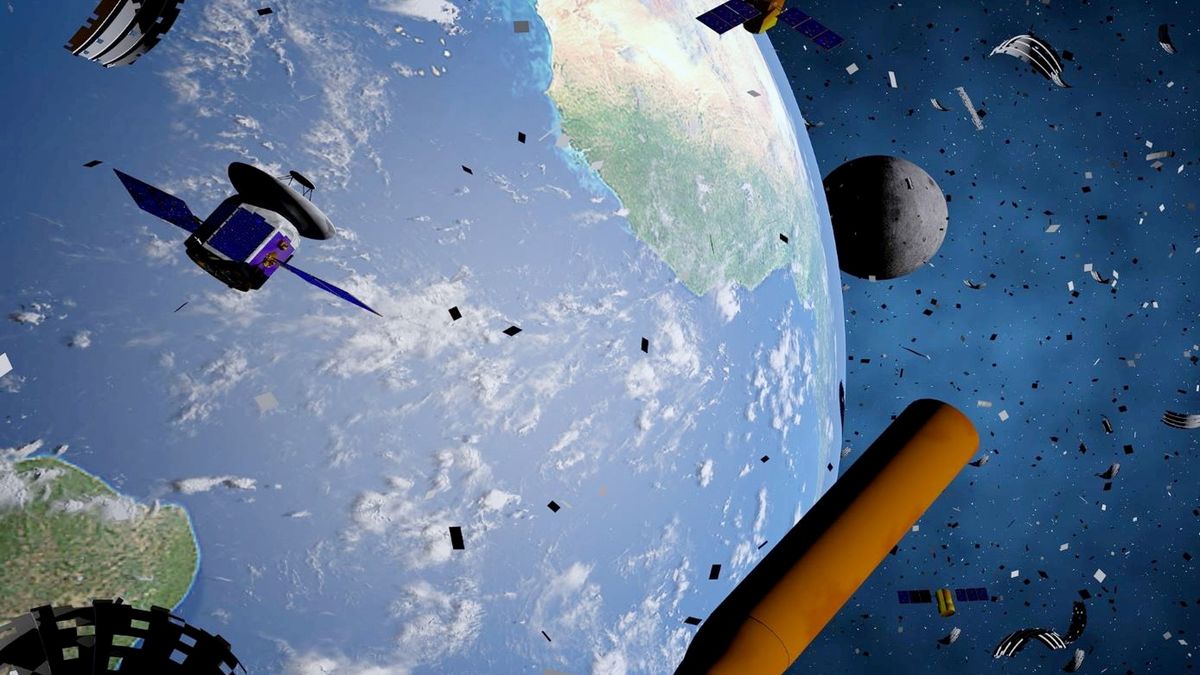
A new federally funded project aims to detect and monitor dangerous pieces of tiny space debris that are currently untrackable. While larger objects in low Earth orbit (LEO) are monitored by the U.S. Air Force's Space Surveillance Network, smaller debris poses a significant threat due to their high speeds. The project, funded by the U.S. government's IARPA program, will first detect and characterize the tiny debris pieces, with the goal of developing technologies and algorithms to track them. One potential solution involves using existing star trackers onboard satellites to map the paths of debris pieces. Experts warn that a major collision among space debris is inevitable without improved tracking technology or changes in behavior.
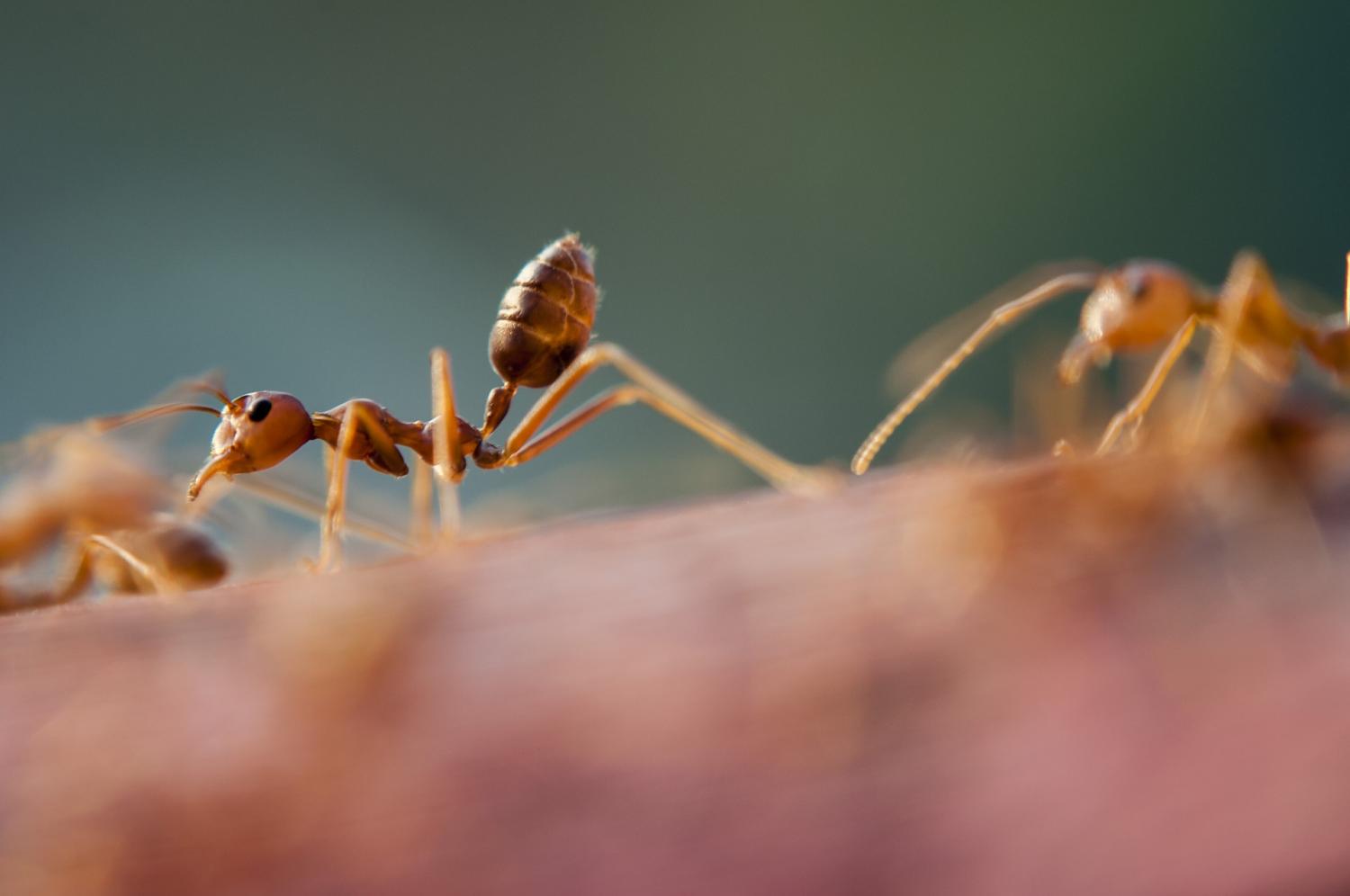
Researchers have developed new tracking technology using computer vision to track individual desert ants over their entire foraging lives, revealing new insights into how they navigate their complex worlds. The ants learn quickly, memorizing their homeward paths after just one successful trip, and their outward routes evolve over time indicating different strategies for exploration versus exploitation. The high-precision data gathered is crucial to understanding how brains can guide animals through their complex world, which could inspire a new generation of bioinspired robots.