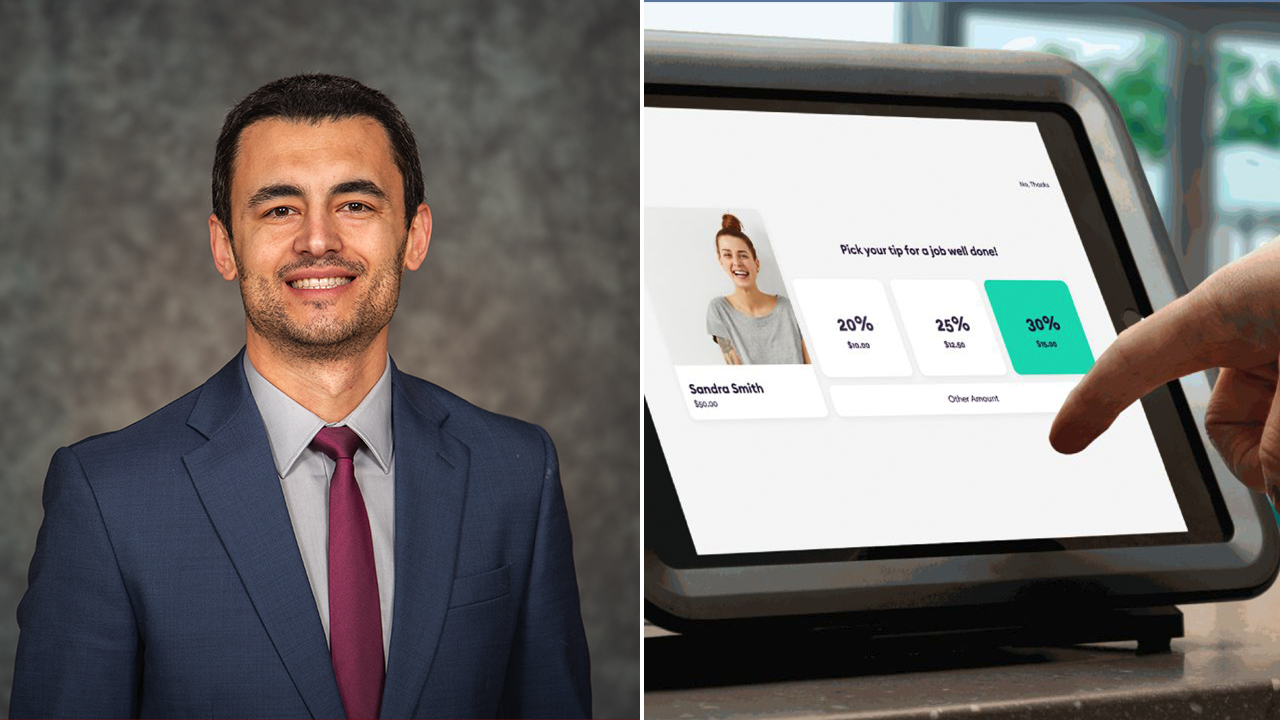
The trend of increased tipping prompts, dubbed "tipflation," has surged during the pandemic, largely due to the rise of digital payment systems and the influence of POS companies like Square and Toast. While this trend benefits businesses and employees, it has also led to customer irritation and frustration, with many Americans feeling that tipping expectations have gone too far. Professor Ismail Karabas suggests that paying with cash may help customers avoid being prompted to tip, and predicts that tipping prompts may continue to expand unless there is government intervention or regulation.
Self-checkout kiosks are no longer a respite from feeling pressured to tip for every transaction, with some prompts requesting a firm 20% tip. Tipflation has inundated consumers in a post-covid world as stores and companies try to snag some extra income, but a corporation asking a customer to tip while that customer is doing all of the work during the transaction is a heinous example of a trend gone too far. Even just automatically being presented the option to tip introduces an increased expectation and social pressure into the equation.
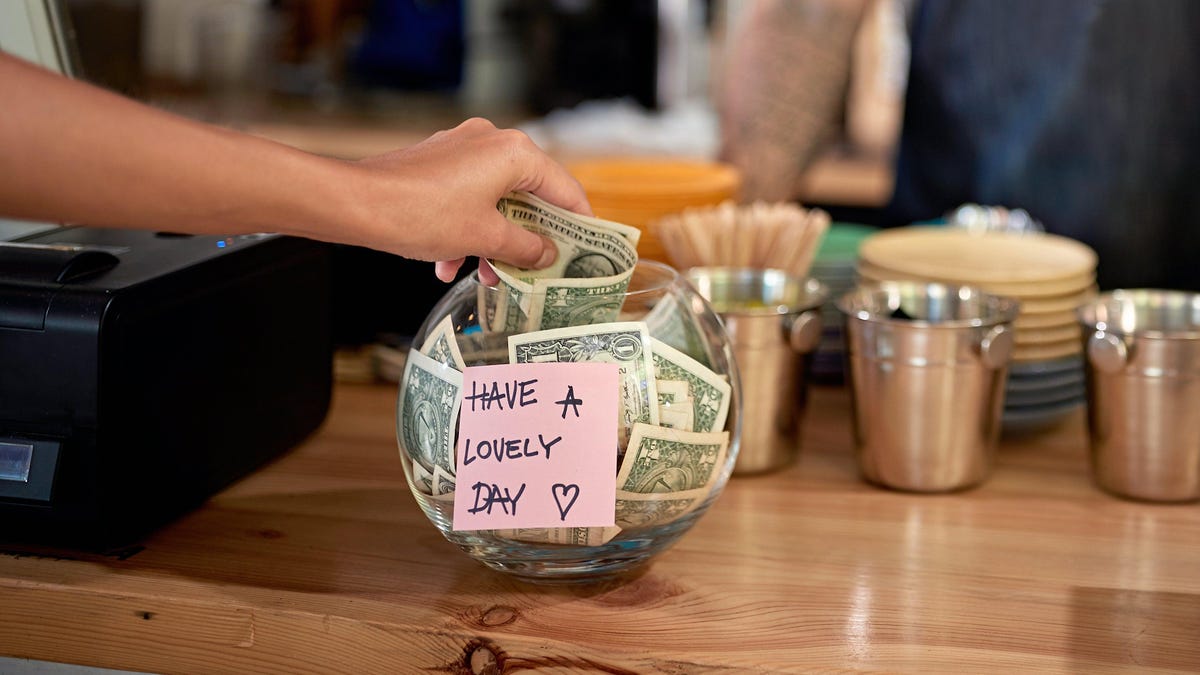
Tipping in the United States has become so prevalent that experts have coined the term "tipflation." Social pressure and the pandemic have contributed to the rise in tips, causing Americans to feel the need to tip higher percentages for more services. The question remains, where is the tipping point?