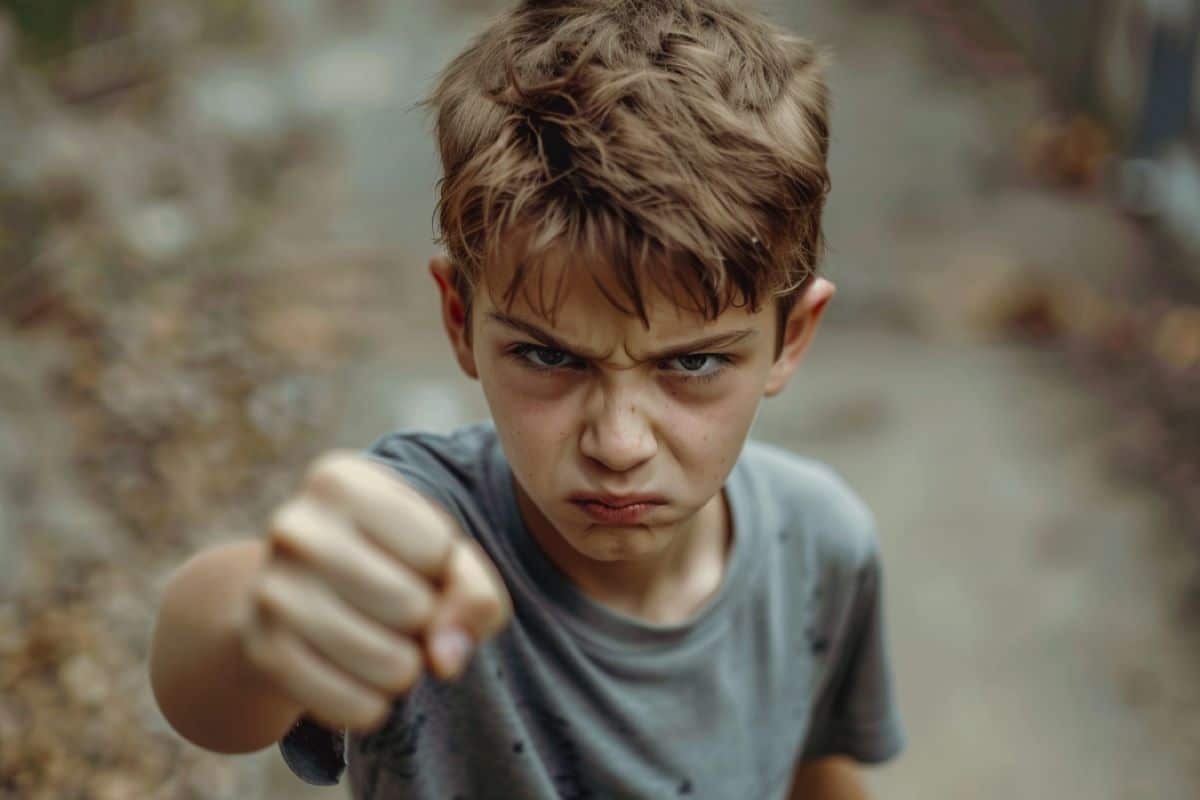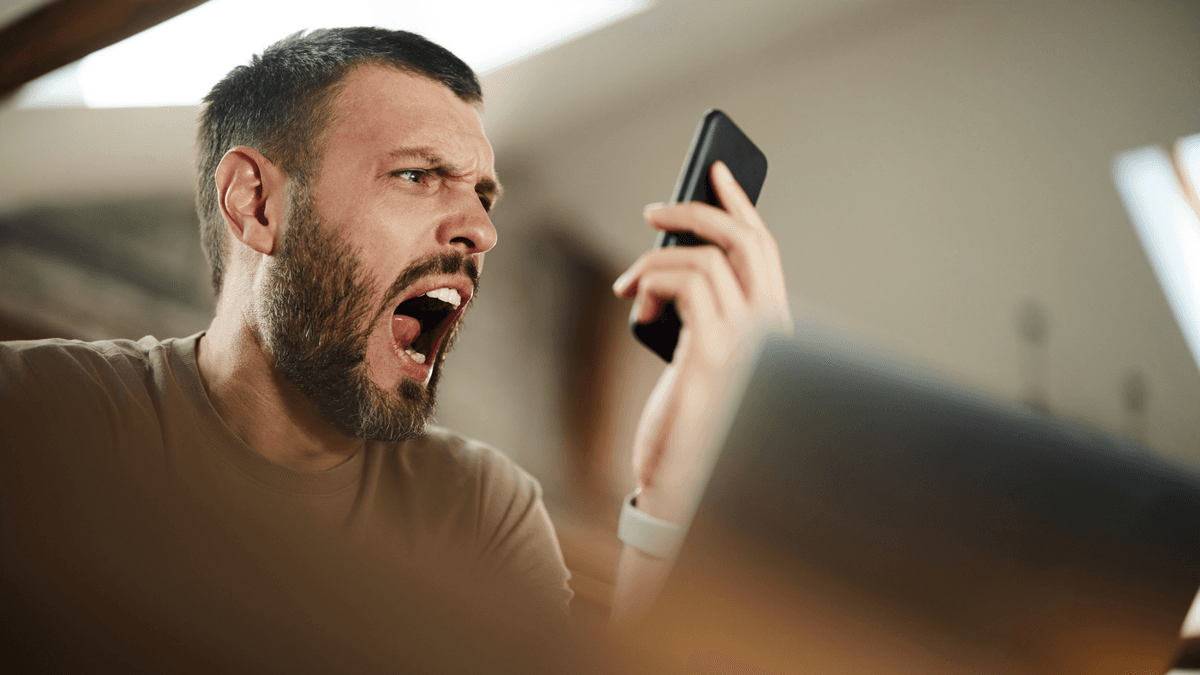
A study published in Developmental Science reveals that adolescent boys, especially those in environments with rigid gender norms, exhibit increased aggression when their masculinity is threatened. The research, led by Adam Stanaland from NYU, highlights the role of social pressure in driving these behaviors and calls for challenging restrictive masculine norms to prevent negative outcomes.
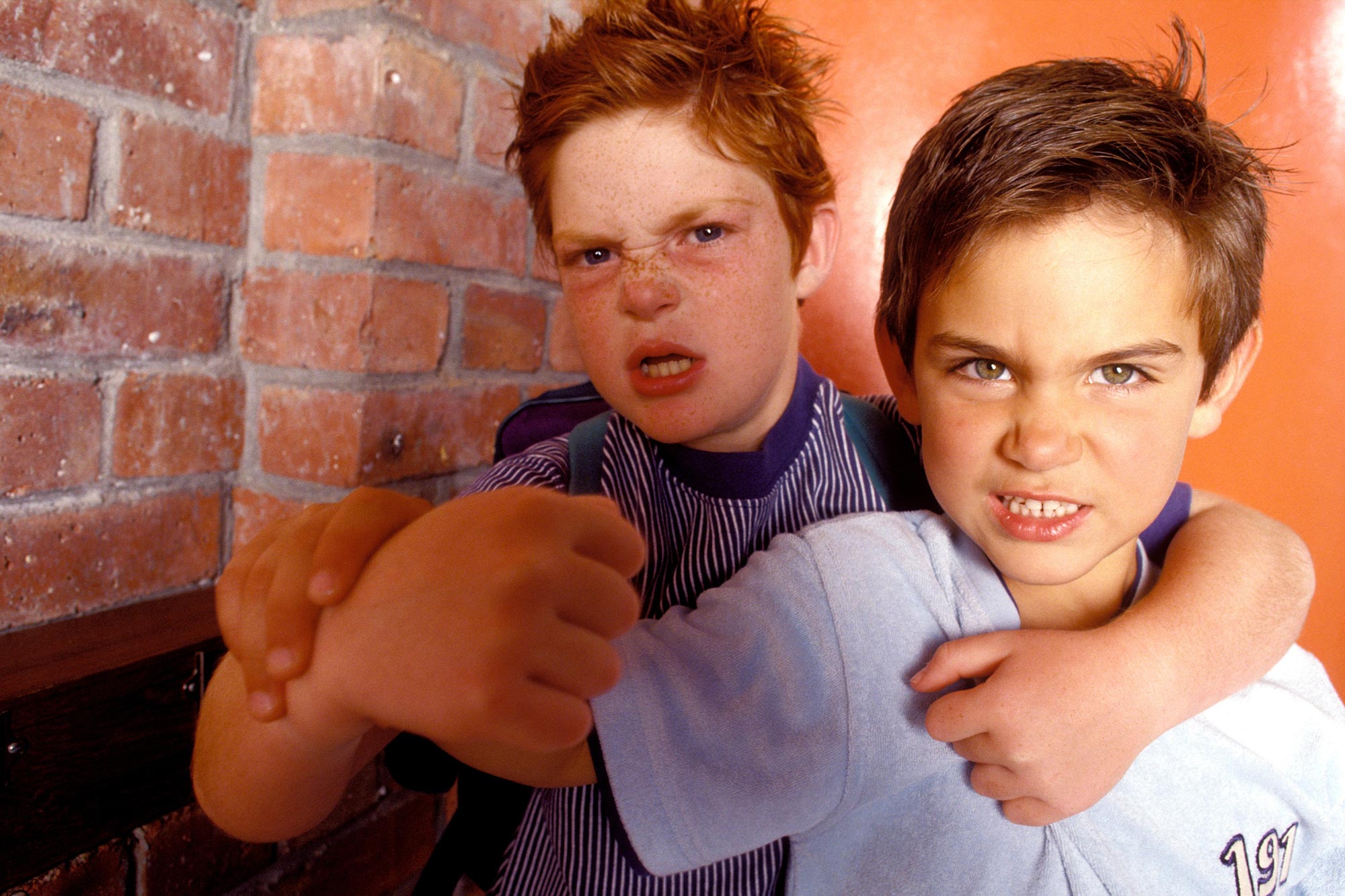
A new study reveals that adolescent boys often respond aggressively to perceived threats to their masculinity, especially when pressured by societal norms to conform to traditional masculine behaviors. The research suggests that interventions during puberty could help mitigate these harmful behaviors and prevent the development of fragile masculinities.
A study by NYU researchers reveals that adolescent boys exhibit increased aggression when their masculinity is threatened, especially in environments with rigid gender norms. This behavior is more pronounced in boys whose masculinity is socially pressured, highlighting the need to address restrictive gender norms to prevent harmful behaviors.
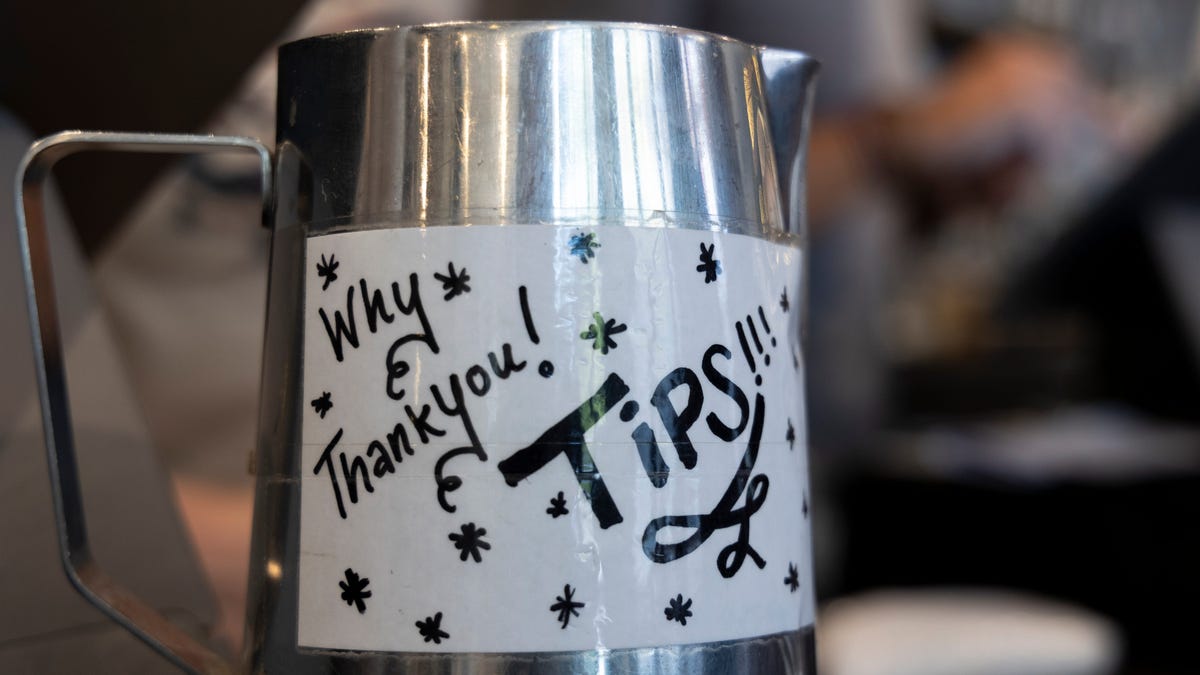
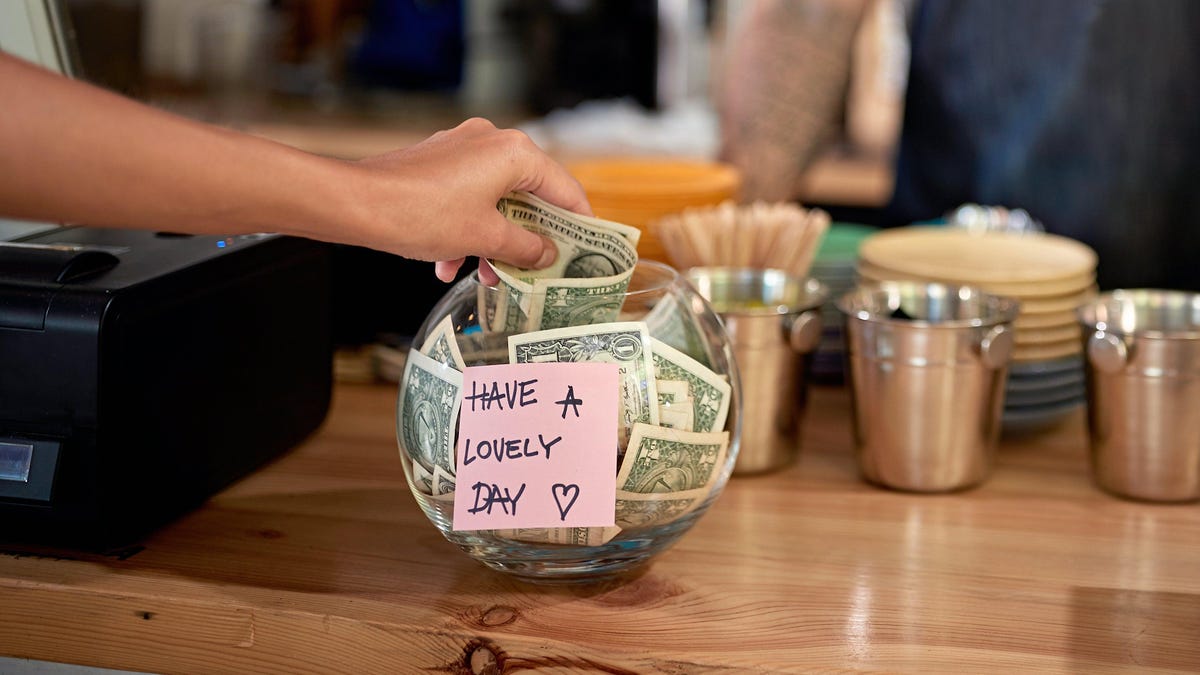
A survey by WalletHub reveals that nearly 3 in 4 people believe tipping culture has become excessive, with many feeling that businesses are relying on tips to replace employee salaries. The survey also indicates that 78% of respondents think automatic service charges should be banned, and half of them feel pressured to leave tips. Experts warn of potential negative outcomes if this trend continues, while recent stats show a growing fatigue with tipping requests. Calls for businesses to increase wages and a new law in California aiming to raise the minimum wage for fast food workers highlight the ongoing debate around tipping and fair compensation.
A study by the American Psychological Association reveals that 77% of people accept unwanted holiday invitations to avoid negative consequences, leading to holiday burnout. The study emphasizes the importance of not overcommitting and declining invitations when necessary, while still maintaining relationships. People tend to overestimate the negative impact of declining invitations, and the study found that the repercussions are often less severe than expected. To avoid holiday burnout, experts suggest having open conversations with loved ones about expectations, learning to say no, and finding moments to appreciate the positives during the holiday season.
Self-checkout kiosks are no longer a respite from feeling pressured to tip for every transaction, with some prompts requesting a firm 20% tip. Tipflation has inundated consumers in a post-covid world as stores and companies try to snag some extra income, but a corporation asking a customer to tip while that customer is doing all of the work during the transaction is a heinous example of a trend gone too far. Even just automatically being presented the option to tip introduces an increased expectation and social pressure into the equation.
Tipping in the United States has become so prevalent that experts have coined the term "tipflation." Social pressure and the pandemic have contributed to the rise in tips, causing Americans to feel the need to tip higher percentages for more services. The question remains, where is the tipping point?
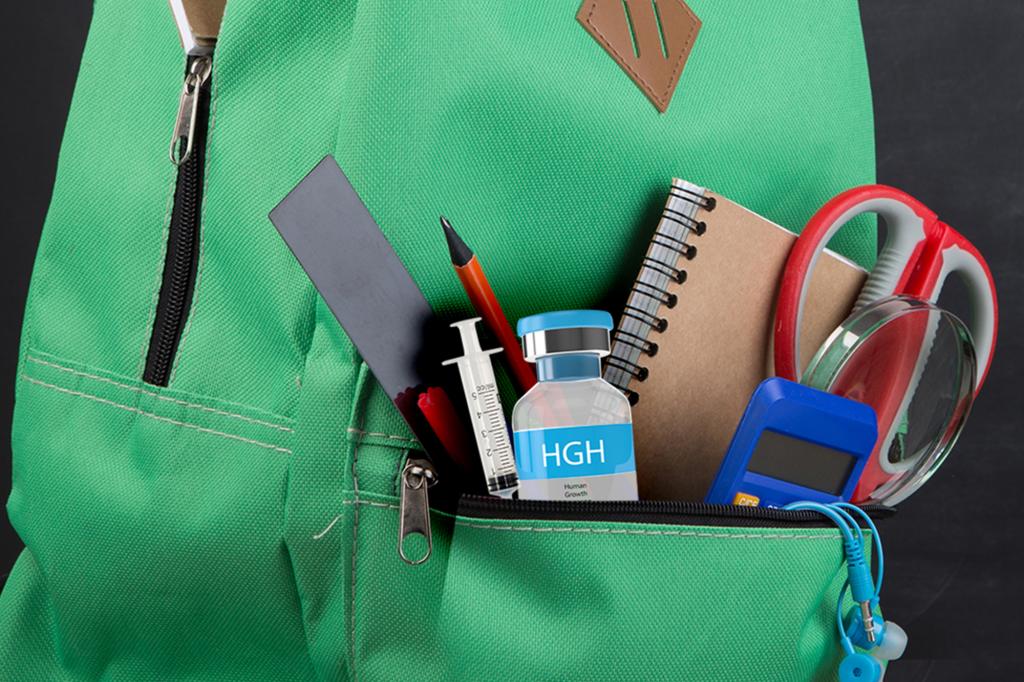
Well-off parents are increasingly seeking human growth hormone prescriptions for their children, even if they don't have a medical condition that hinders growth. Some parents are turning to the injections to prevent bullying or jumpstart an athletic or modeling career. The trend has been dubbed "cosmetic endocrinology" by some pediatricians. While some parents are turning to human growth hormones for their kids for medical reasons, the majority of children deemed short for their age don’t have a medical condition that hinders growth, doctors say. However, the procedure has drawbacks, including negative social messages and an increased risk of heart issues down the line.