A new 'Tickle Lab' at Radboud University is exploring the complex neuroscience behind tickling, including why we can't tickle ourselves, how tickling affects brain development, and differences in ticklishness among individuals, especially those on the autism spectrum, using innovative experiments to better understand this under-researched phenomenon.

Despite over a century of research, scientists still don't fully understand why certain body parts are more ticklish, why we can't tickle ourselves, or the purpose of tickling, highlighting gaps in knowledge about sensory processing, self-awareness, and human behavior. The review emphasizes the need for standardized methods and advanced technology to explore this universal yet mysterious sensation.
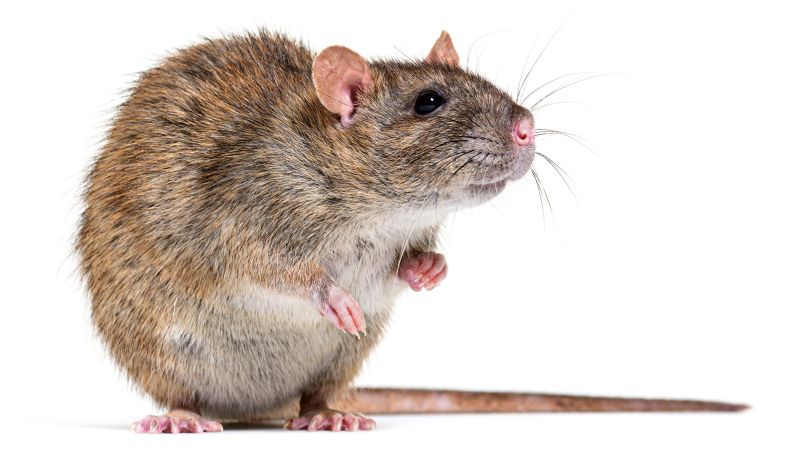
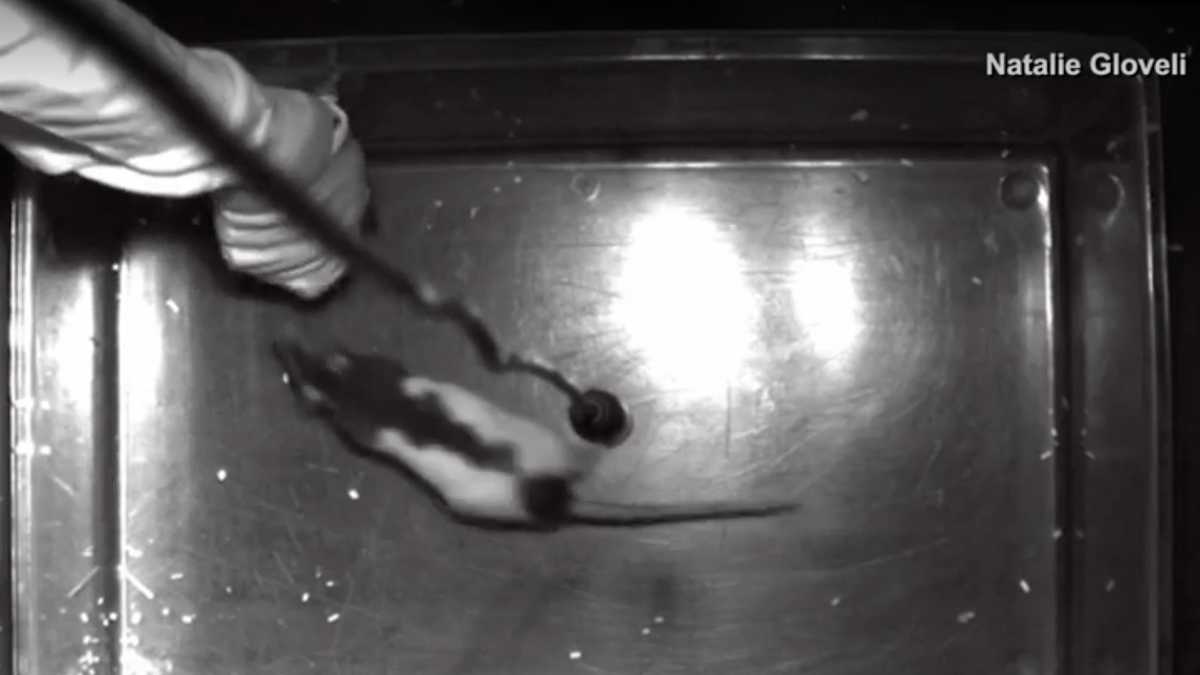
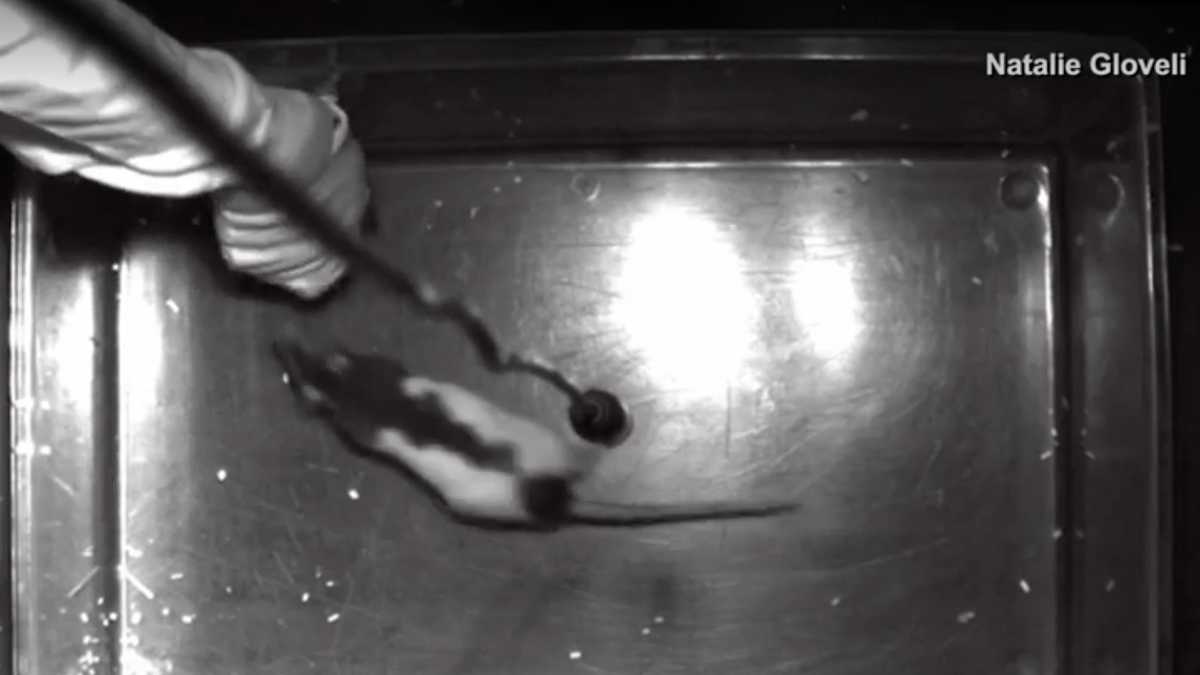
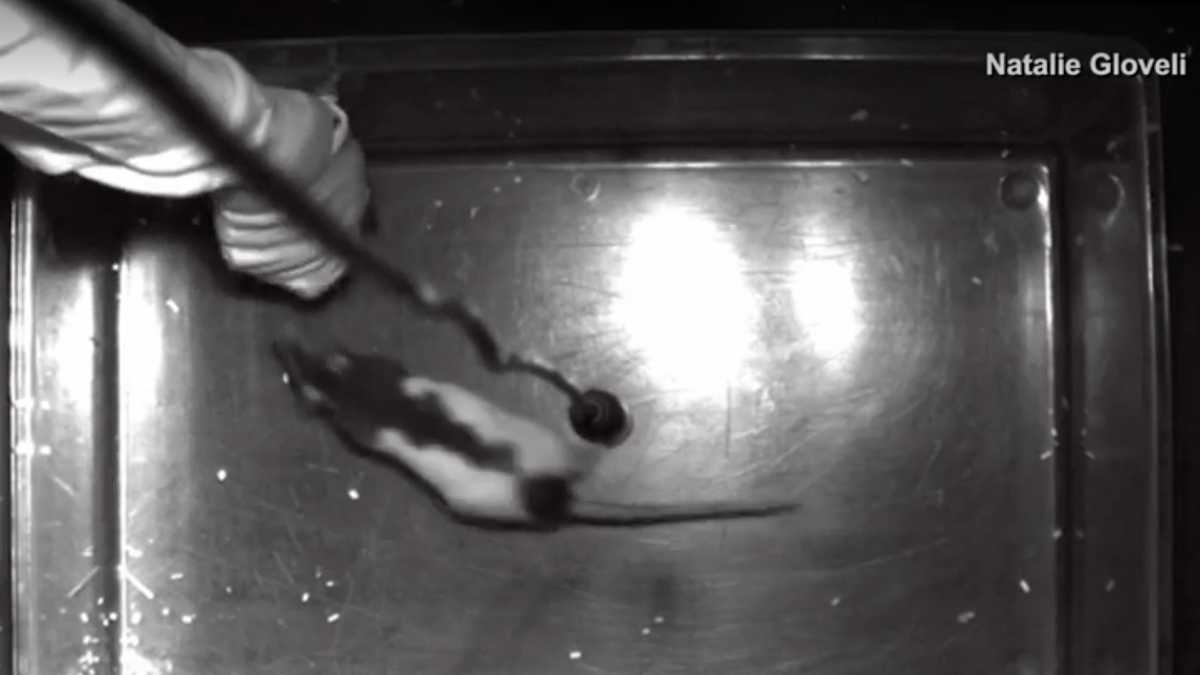
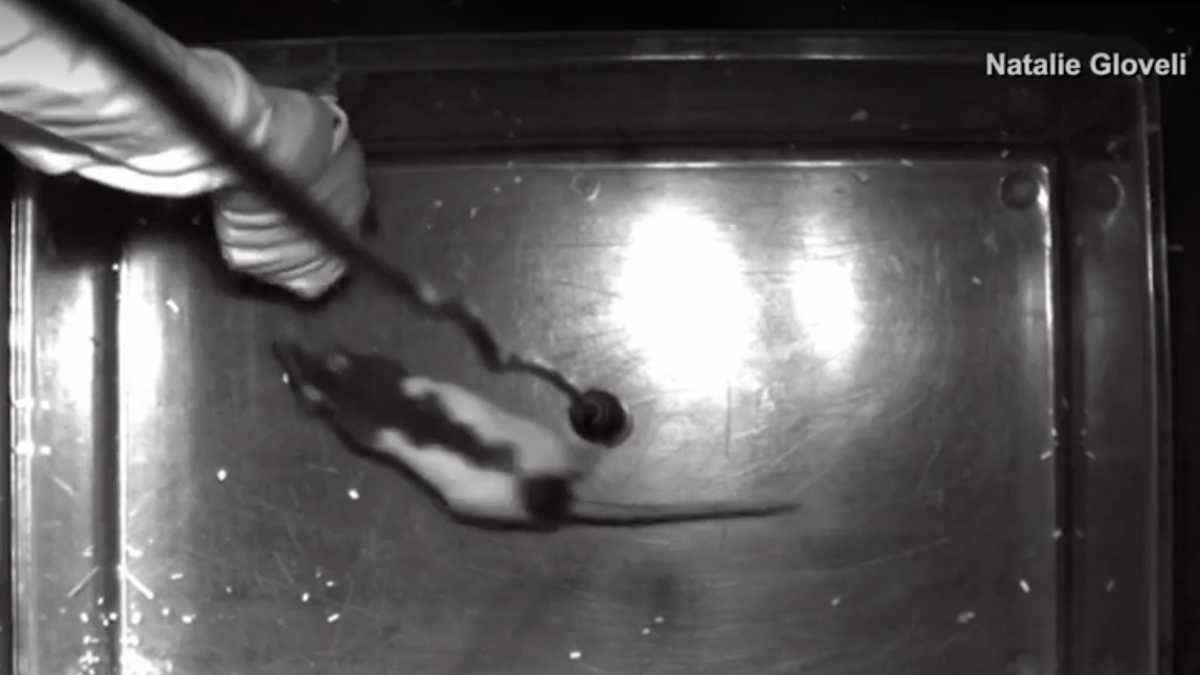
Scientists at Humboldt University in Berlin conducted a study to understand the neuroscience behind play behavior by tickling rats and observing their brain activity. They found that a specific region of the midbrain called the periaqueductal gray (PAG) was active during both play and tickling. Inhibiting activity in the PAG reduced the rats' inclination to play or laugh when tickled. The study suggests that play behavior may have evolved as a means of training the brain and could provide insights into learning and adaptation. Understanding the brain mechanisms behind play could have implications for social functioning in both animals and humans.
Researchers in Germany conducted a study on rats to investigate the link between play and the brain. They tickled and played games with the rats, finding that the periaqueductal gray region of the brain, which supports behavioral responses, reacted to both tickling and play. When this part of the brain was blocked, the rats were less inclined to play or laugh. The study suggests a connection between brain behavior and playtime activities.