Children who exhibit masculine-typical play styles at age 3.5 tend to perform better in mental rotation tasks at age 13, suggesting early play behavior may influence later spatial skills, though causality is not established.
Scientists have observed humpback whales creating large bubble rings during friendly interactions with humans, a behavior that may serve as play or communication, expanding understanding of whale social behaviors and aiding in the search for extraterrestrial intelligence.
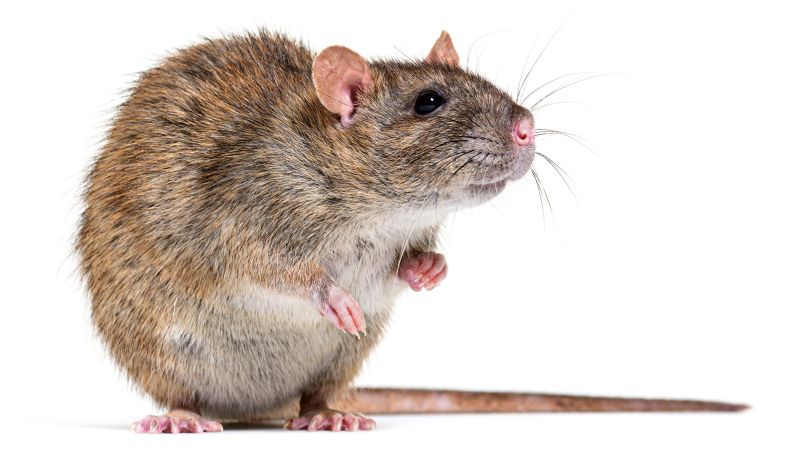
Scientists at Humboldt University in Berlin conducted a study to understand the neuroscience behind play behavior by tickling rats and observing their brain activity. They found that a specific region of the midbrain called the periaqueductal gray (PAG) was active during both play and tickling. Inhibiting activity in the PAG reduced the rats' inclination to play or laugh when tickled. The study suggests that play behavior may have evolved as a means of training the brain and could provide insights into learning and adaptation. Understanding the brain mechanisms behind play could have implications for social functioning in both animals and humans.