Tag

Tick Removal

All articles tagged with #tick removal

health2 years ago

"Disturbing Discovery on Child's Ear Sparks Urgent Warning to Parents"

A mother is warning parents to thoroughly check their children's skin for ticks after discovering one behind her daughter's earring. Ticks can be found in various places and can cause tick paralysis, tick typhus, and severe allergic reactions. It is important to be vigilant during tick season, especially in warmer months. Tick bites may go unnoticed at first due to their small size and anesthetic properties. Experts recommend freezing the area with an ether-containing spray before removing the tick to avoid allergic reactions and the risk of developing mammalian meat allergy.

health-and-safety2 years ago

Tick Bite Prevention: Essential Tips for Staying Safe

As tick season arrives, entomologist Larry Dapsis advises wearing long sleeves and pants, preferably light-colored clothing, to make ticks more visible. After spending time outdoors, check your body and clothes for ticks, and put suspected tick-carrying clothing in the dryer for 20 minutes to kill them. Bug sprays with DEET and treating clothing with permethrin are effective in preventing tick bites. If you find a tick, remove it with tweezers and consider testing it for potential pathogens using the TickReport service. For more information, visit the Cape Cod Cooperative Extension's website.

health2 years ago

Tick Safety: Debunking Myths and Offering Prevention Tips

Health experts in St. Louis County are warning residents about the increased presence of ticks due to the heat and humidity. While most tick bites are harmless, tick-borne diseases such as Ehrlichiosis, Rocky Mountain Spotted Fever, and Lyme Disease are more common. To prevent tick-borne diseases, experts recommend using EPA-approved insect repellent, walking in the center of trails, checking for ticks often, conducting thorough tick checks, washing clothing in hot water, and removing ticks with tweezers or a tick removal tool. It is important to avoid falling for myths surrounding tick removal. Early signs of tick-borne illnesses include flu- or cold-like symptoms, and residents should seek medical attention if symptoms occur after a tick bite.

health2 years ago

Tick Safety: Expert Advice and Precautions to Prevent Tick-Borne Illnesses

With warmer weather comes an increased risk of tick bites, which can lead to health issues such as Lyme Disease. If bitten by a tick, it is important to remove it immediately using tweezers and a direct upward motion. Trap the tick before disposing of it and wash your hands afterwards. Take a picture of the tick for your healthcare provider if adverse symptoms develop. Seek medical help if the tick's head remains in your skin or if symptoms such as a rash or flu-like symptoms occur. Acting quickly and contacting a doctor is crucial in minimizing the risk of illness from tick bites.

health2 years ago

The Dangers of Removing Ticks with Your Fingers, According to a Nurse

A nurse has warned against removing ticks with your fingers, as it can cause the tick to regurgitate its stomach contents into your body, increasing the risk of infection. The proper way to remove a tick is by using fine-tipped tweezers to grasp it as close to the skin's surface as possible and pulling upwards steadily. Folklore remedies like burning the tick or suffocating it with petroleum jelly are risky. Ticks can spread diseases including Lyme, so it's important to get checked out if you develop a rash or fever after a tick bite.

health2 years ago

Nurse warns against removing ticks with fingers

A nurse warns against removing ticks with your fingers, as it can cause the tick to regurgitate its stomach contents into your body, increasing the risk of infection. The proper way to remove a tick is by using fine-tipped tweezers to grasp it as close to the skin's surface as possible, pulling upwards steadily and avoiding twisting. Folklore remedies like burning the tick or suffocating it with petroleum jelly are risky. Ticks can spread diseases such as Lyme, so it's important to get checked out if you develop a rash or fever after a tick bite.

health-and-safety2 years ago

Tick Season Survival Guide: Tips for Removing and Preventing Tick Bites

Ticks can carry dangerous diseases, so it's important to know how to remove them properly. Use fine, pointed tweezers to grasp the tick close to the skin's surface and pull upward steadily without twisting. Clean the bite area and your hands with rubbing alcohol or soap and water. Dispose of the tick properly and monitor for symptoms of tick-borne illness. To prevent ticks, check your body and clothes after being in grassy, wooded areas, use insect repellent, and take precautions when walking in trails.

health2 years ago

Tick-borne diseases on the rise, including incurable meat allergy.

Babesiosis, a potentially lethal tick-borne disease, is becoming more common in certain areas of the United States, according to Dr. Michael Henshaw, associate biology professor at Grand Valley State University. Symptoms are typically mild but can become severe for the elderly or immunocompromised. To prevent babesiosis, experts suggest using repellents, wearing long clothes, and daily tick checks. Good tick removal involves grabbing the tick as close to the skin as possible with fine tweezers or specialized tools and pulling it straight out, without any twisting.

health2 years ago

The Overlooked Aspect of Tick Checks.

Tick checks are important to prevent tickborne diseases like Lyme, but many people miss important steps. Check tick maps to see if ticks are in your area, take a shower within two hours of being outdoors, and use a mirror or partner to check hard-to-see areas like behind your ears and in your hair. Know what ticks look like and use tick removal tools if necessary. Keep pets up to date on tick control medication and do tick checks on everyone after being outdoors.

health2 years ago

Tick Season Safety: Tips and Trends.

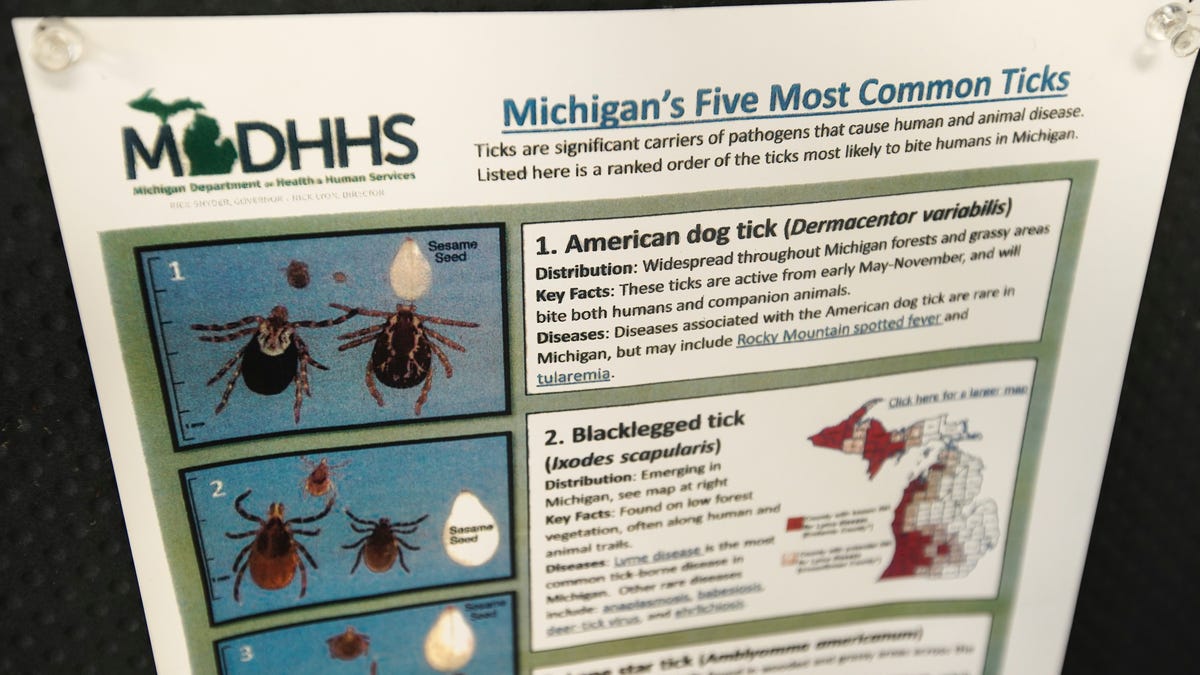
Tick season has begun in Michigan, with tick activity increasing between April and September. Michigan is home to over 20 tick species, some of which can transmit dangerous bacteria, viruses, or parasites. Common tick types pose risks for biting humans and animals, potentially transmitting infections such as Lyme disease, Rocky Mountain spotted fever, and anaplasmosis. To stay safe, avoid areas of high grass and brush, wear light-colored clothing, use insect repellents, and remove ticks with fine-tipped tweezers. Disinfect the bite area with rubbing alcohol or soap and water after removal.