
A study reveals that thyroid hormones in the brain, particularly in the amygdala, play a crucial role in fear memory formation, with potential implications for treating trauma-related disorders like PTSD. Enhancing or blocking thyroid hormone activity affects fear memory strength, and these effects are linked to specific gene regulation, suggesting new avenues for therapeutic intervention.
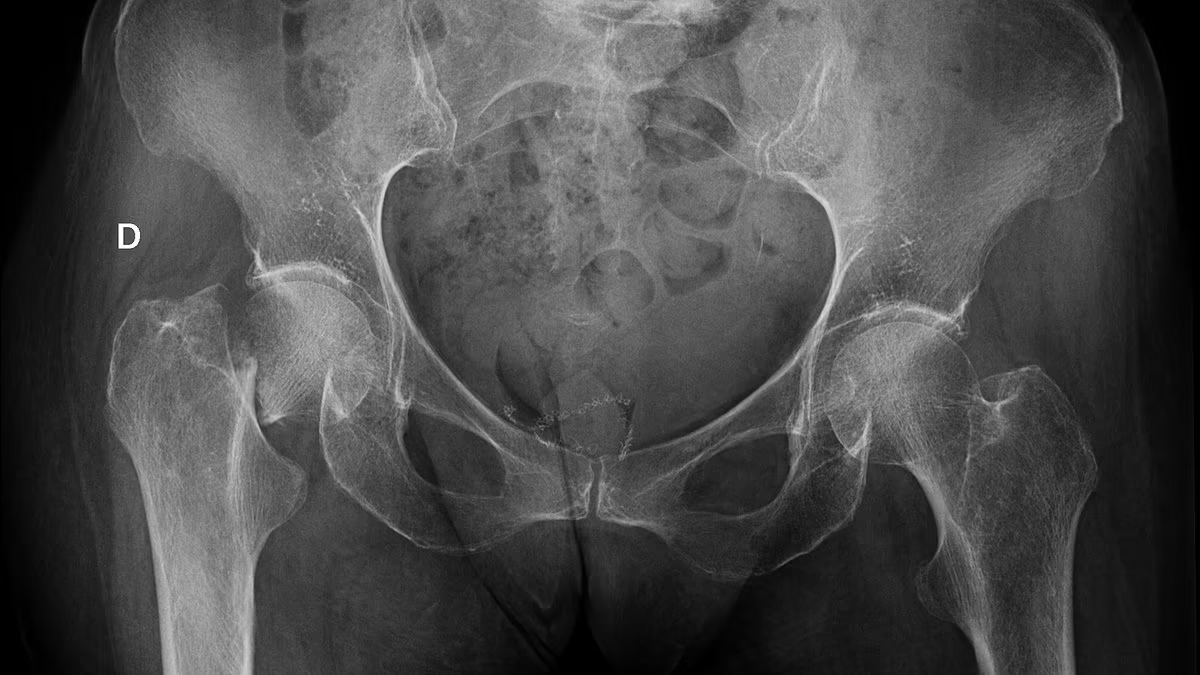
New research from Johns Hopkins suggests that levothyroxine, a common thyroid medication taken by millions of Americans, may increase the risk of bone density loss, potentially leading to osteoporosis. The study found that even patients with normal thyroid-stimulating hormone levels experienced greater bone mass loss over six years. Experts recommend that patients discuss treatment risks with their doctors, as the drug may be overprescribed, particularly in older adults without hypothyroidism.
Older patients receiving thyroid hormone therapy with low thyrotropin levels are at an increased risk for cognitive disorders, including dementia, according to a study published in JAMA Internal Medicine. The study found that both exogenous and endogenous hyperthyroidism were associated with a higher likelihood of incident cognitive disorders. Women were more likely to have low levels of thyrotropin and be overtreated. The findings suggest that caution should be exercised when prescribing thyroid hormone therapy to older patients to avoid overtreatment and potential complications. Primary care physicians should consider consulting with endocrinologists for a differential diagnosis and treatment plan.