Tag

Thylacine

All articles tagged with #thylacine

science-and-technology2 years ago

"RNA Extraction Breakthrough: Tasmanian Tiger Becomes First Extinct Species to Yield Genetic Material"

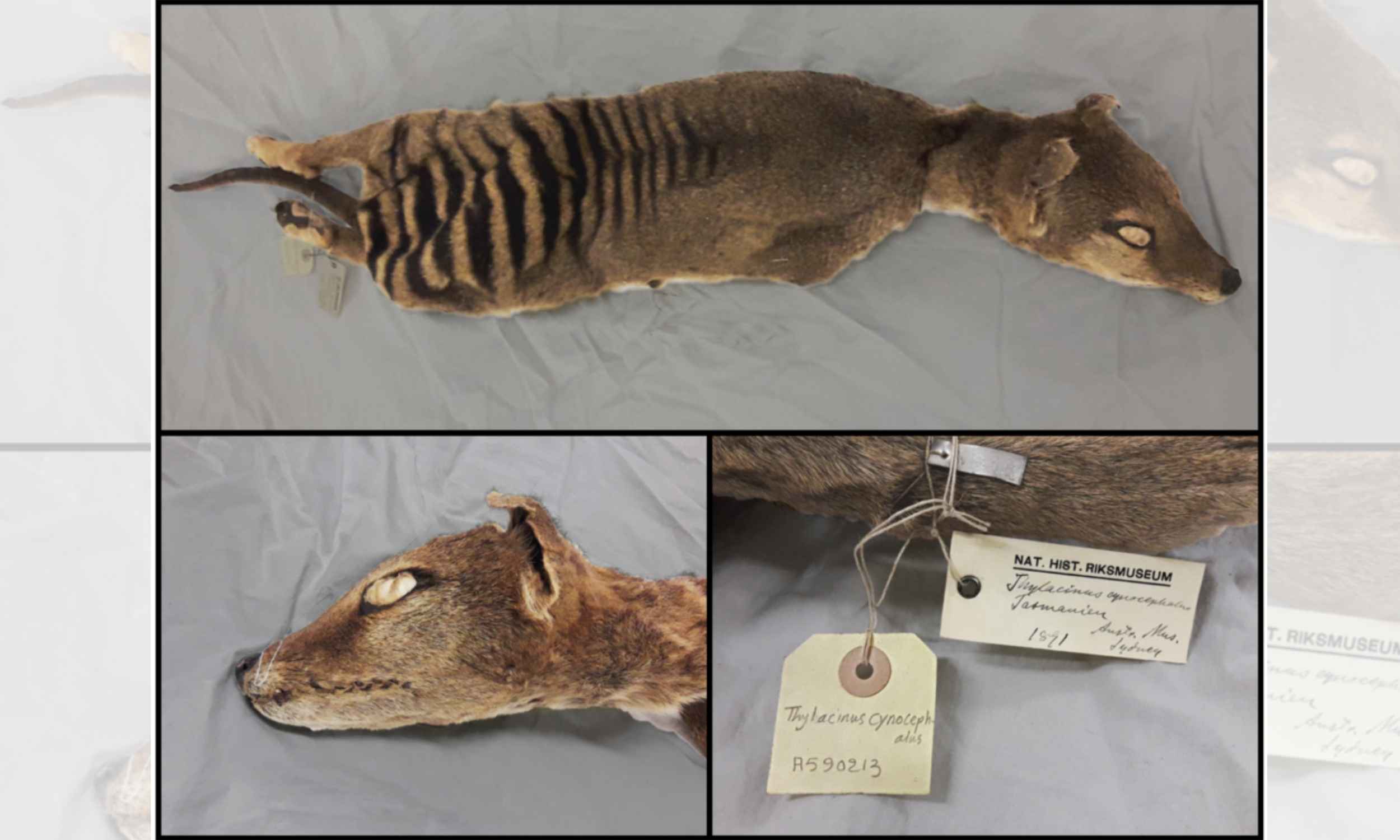
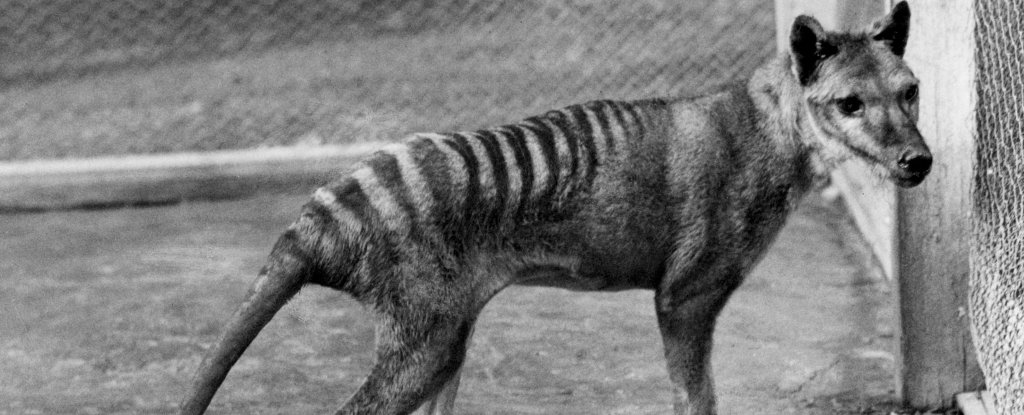
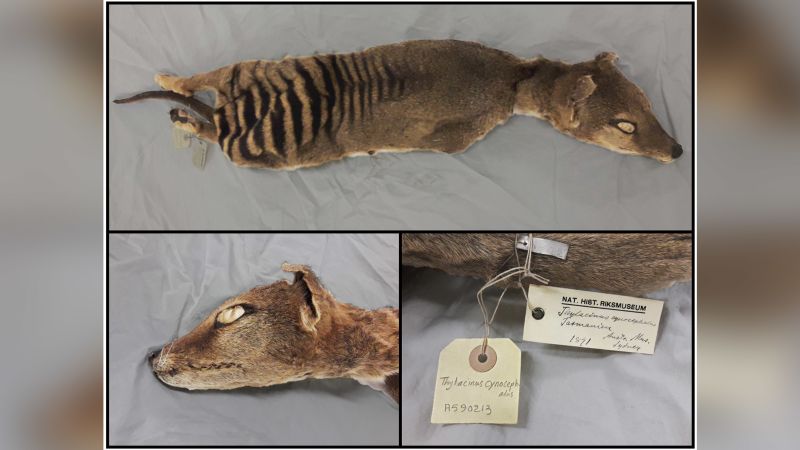
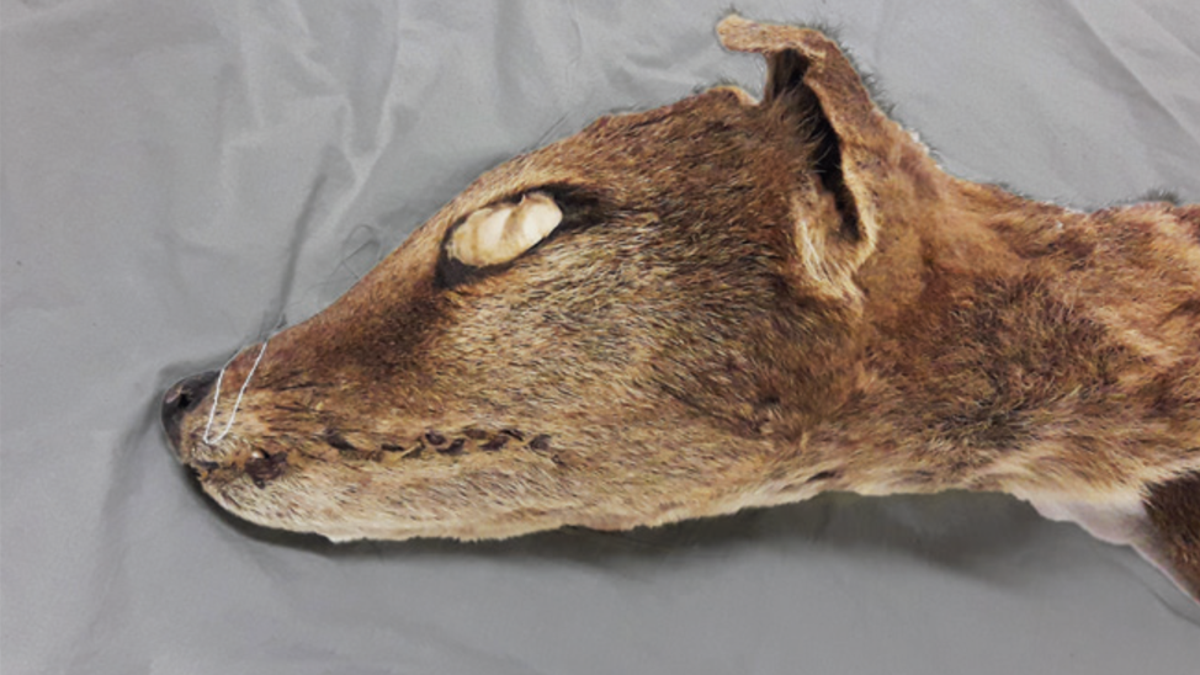
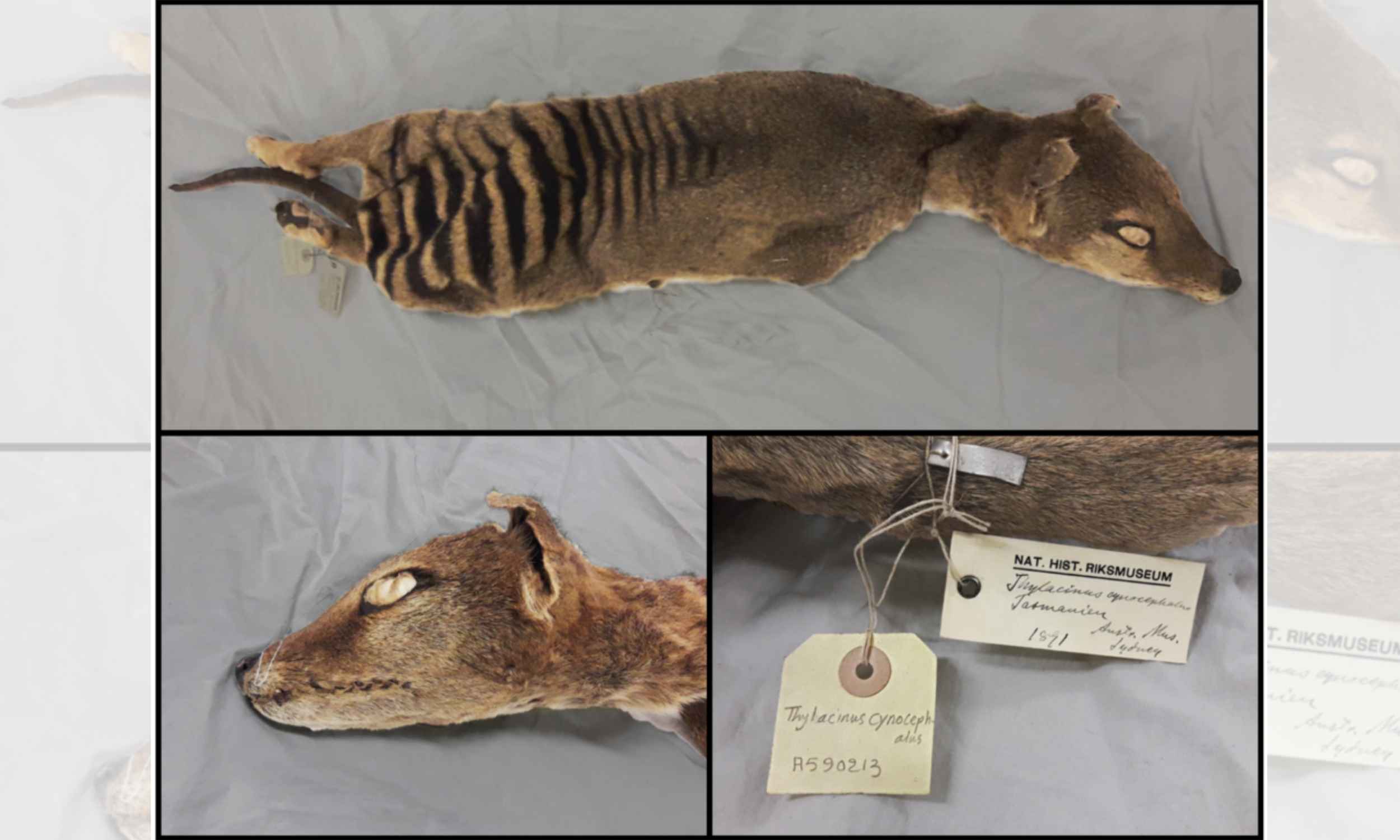
Scientists have successfully extracted RNA from the skin and muscle of a 132-year-old Tasmanian tiger, making it the first extinct animal from which RNA has been recovered. The recovery of RNA from extinct animals like the thylacine could provide valuable insights into gene activity and the biology of extinct species. RNA sequences reveal which genes are actually active and used to make proteins inside cells. This breakthrough could aid in ongoing efforts to resurrect the thylacine and also help detect the presence of different RNA viruses through time, accelerating our understanding of viral evolution.

science2 years ago

Breakthrough: Scientists Recover RNA from Extinct Tasmanian Tiger

Scientists have successfully isolated and decoded RNA molecules from a 130-year-old Tasmanian tiger specimen, marking the first time RNA has been recovered from an extinct species. The genetic material has provided insights into the functioning of the thylacine's genes and could aid efforts to resurrect the species. This groundbreaking research expands scientists' understanding of extinct animals and has the potential to enhance the reconstruction of extinct genomes. RNA, which is more fragile than DNA, was previously not thought to endure for any length of time. The study serves as a proof of concept and paves the way for future attempts to recover RNA from even older extinct animals, such as the woolly mammoth.

science-and-technology2 years ago

Reviving Extinct Species: RNA Recovered from Tasmanian Tiger for the First Time

Scientists have successfully recovered RNA from an extinct species for the first time, specifically from a thylacine specimen that died in 1936. The researchers extracted and analyzed RNA from the desiccated skin and skeletal muscle tissues of the thylacine, providing insights into its biology and metabolism. While the study's focus was not on de-extinction, the findings could benefit scientific advancements in gene editing, in vitro fertilization, and the analysis of extinct and extant viruses. This breakthrough opens the possibility of recovering RNA from other extinct species in the future.