"Reducing Brain Cholesterol Shows Promise in Combating Alzheimer's Damage"
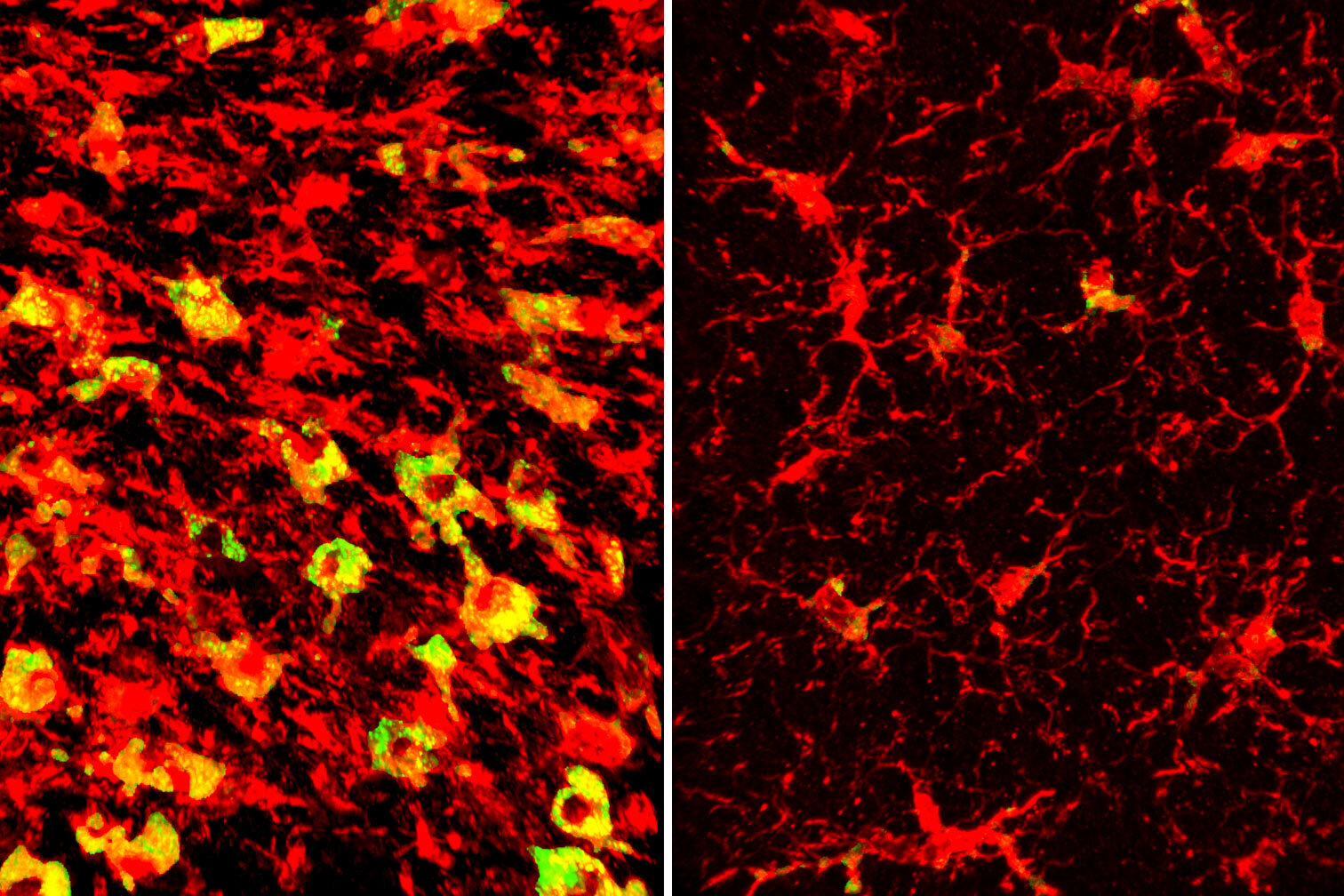
Researchers at Washington University School of Medicine have discovered that lowering levels of a form of cholesterol called cholesteryl esters in the brains of mice with Alzheimer's-like disease can prevent brain damage and behavioral changes. The study found that tau deposits in the brain lead to the accumulation of cholesteryl esters, and clearing them out can reduce brain inflammation and neurodegeneration. While the compound used in the study is not suitable for human use, developing a therapy that reduces cholesteryl esters without side effects could be a promising candidate for testing in neurodegenerative diseases.