The Exploration Company is investigating the loss of contact with its Mission Possible reentry capsule during a June test flight, focusing on why the parachutes failed to deploy, with the investigation ongoing. The company emphasizes that earlier mission phases were successful and plans to proceed with its Nyx cargo vehicle, including a demonstration mission to the ISS in 2028, despite the incident.
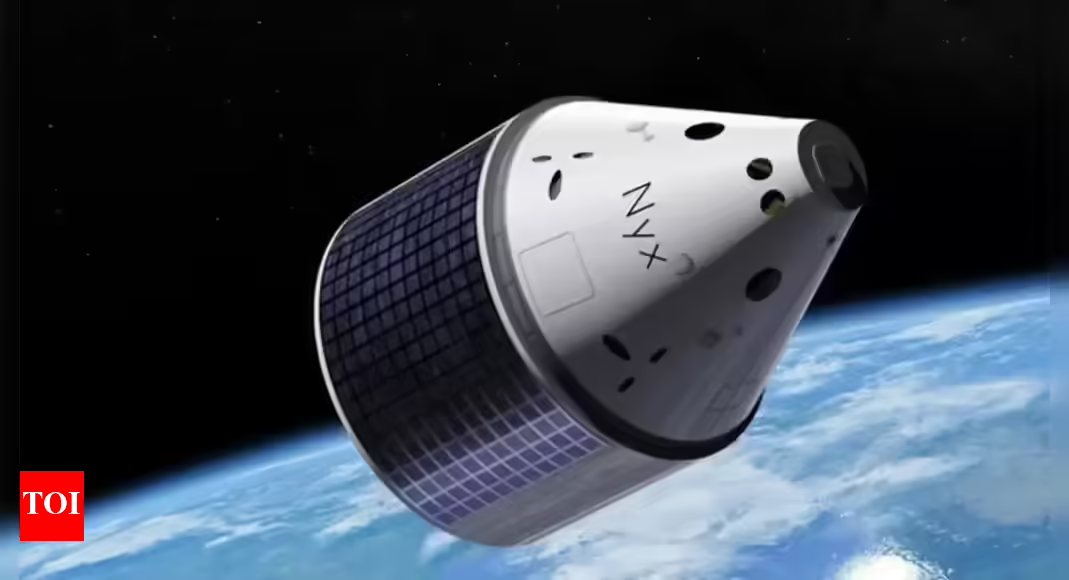
A space capsule carrying ashes of 166 people and cannabis seeds from Germany's The Exploration Company crashed into the Pacific Ocean during reentry, ending a promising mission with no materials recovered, prompting condolences and future commitments from the company.
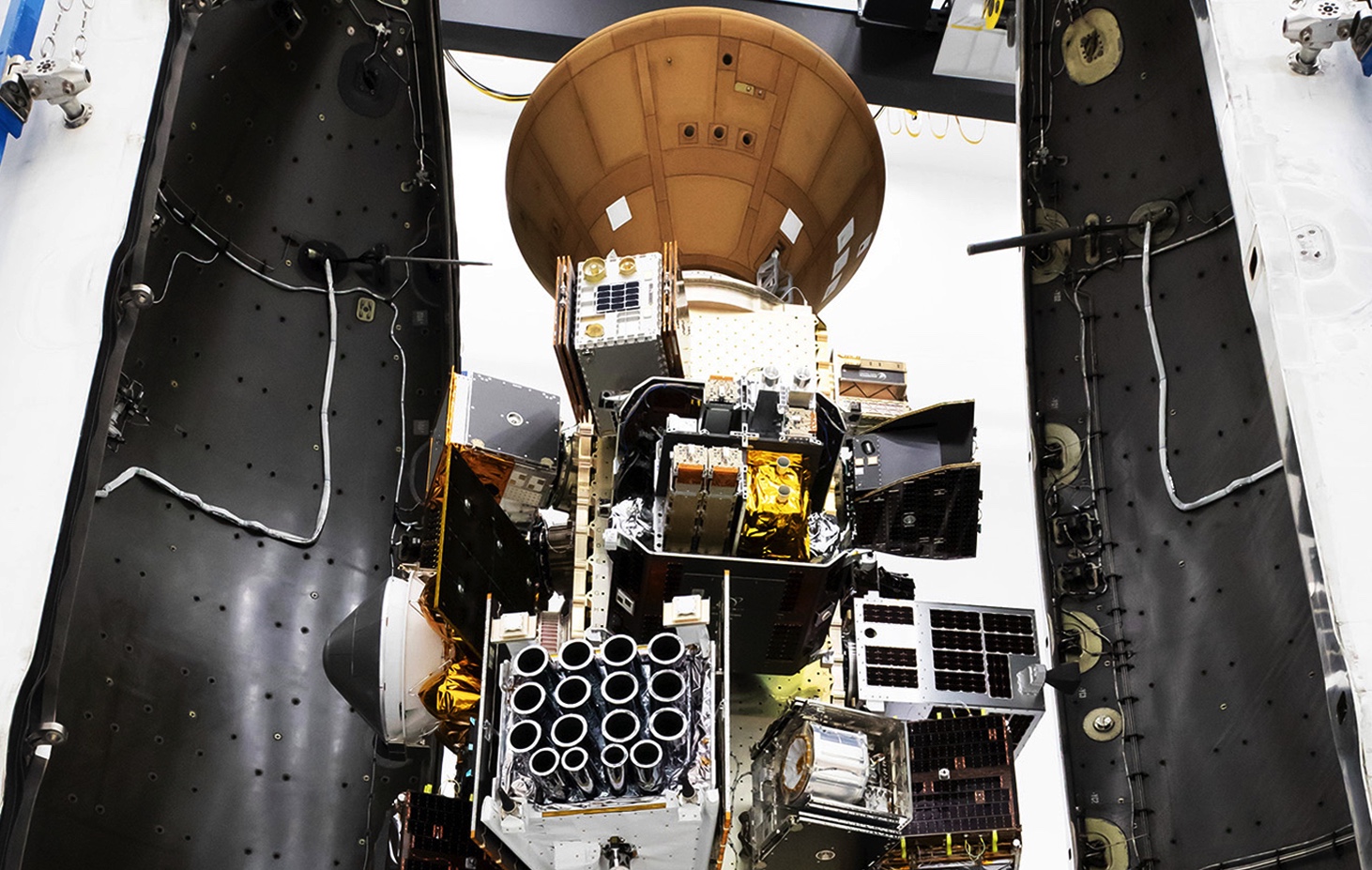
A SpaceX Falcon 9 launched the Transporter-14 mission carrying human remains and other payloads, including the Nyx capsule designed by The Exploration Company. Although the mission achieved several milestones, the Nyx capsule's parachute failed during reentry, resulting in the loss of the human remains and other payloads at sea, marking a partial but significant setback for future space cargo and human spaceflight efforts.
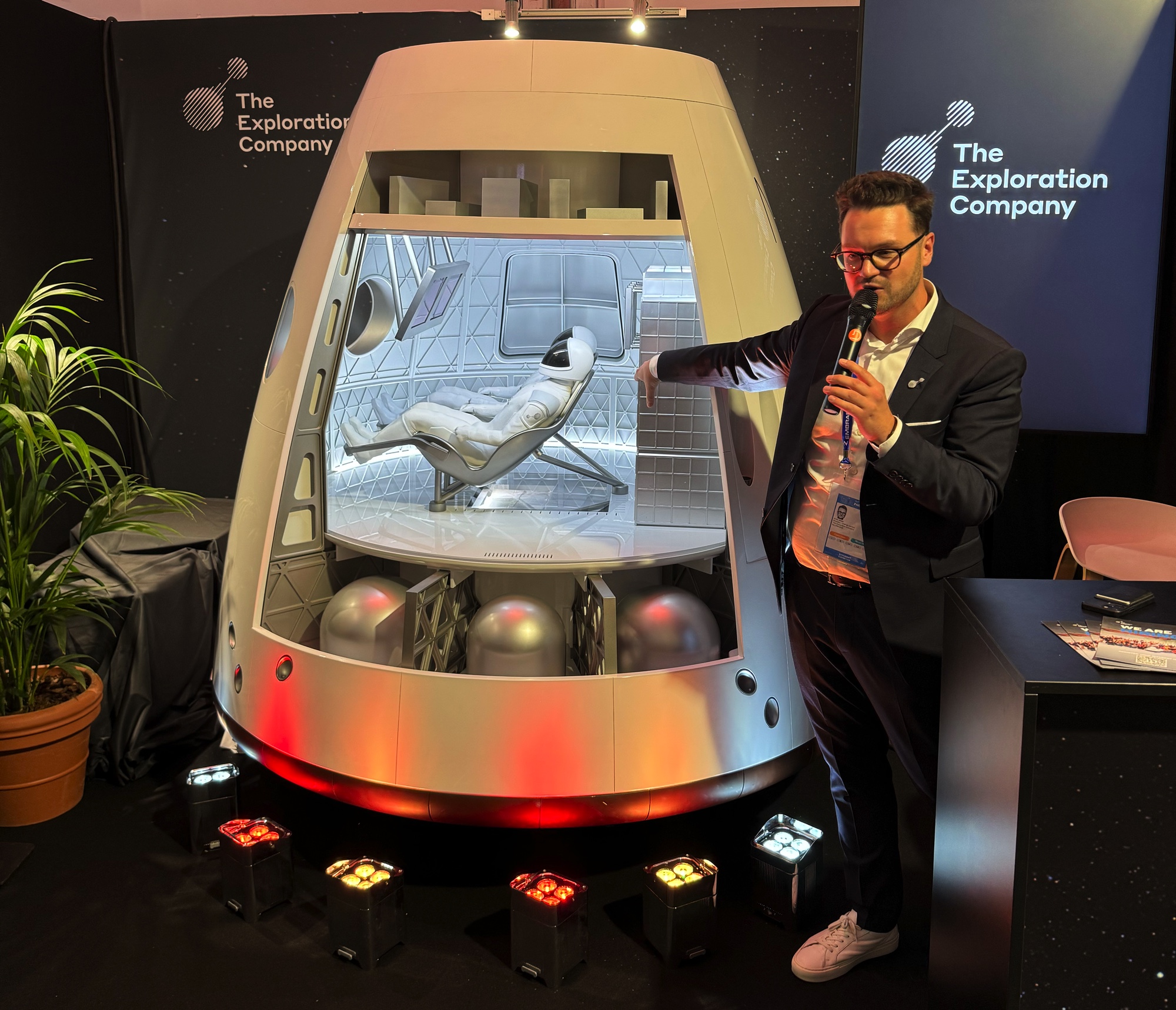
The Exploration Company unveiled an updated model of its Nyx spacecraft at the Paris Air Show, with plans for a crewed version capable of carrying 4-5 astronauts, targeting a development timeline of about 10 years and requiring European government support, while currently focusing on cargo missions including upcoming tests and commercial missions.
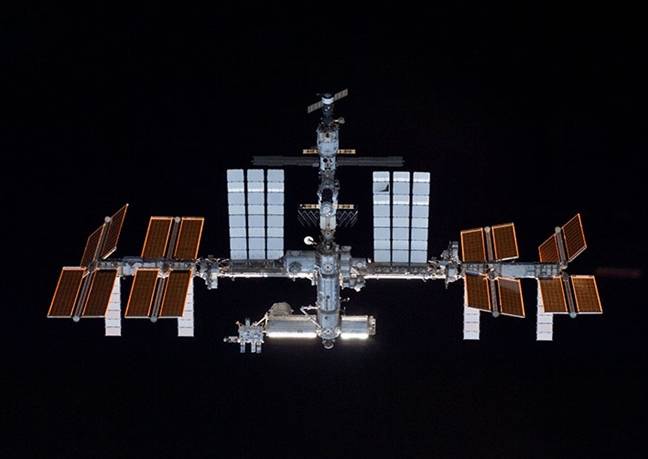
The European Space Agency (ESA) has awarded €25 million contracts to The Exploration Company and Thales Alenia Space to develop a cargo return service from the International Space Station (ISS) before its deorbiting. This initiative aims to enhance Europe's independence in space operations, with the new vehicles expected to return cargo to Earth by 2028.
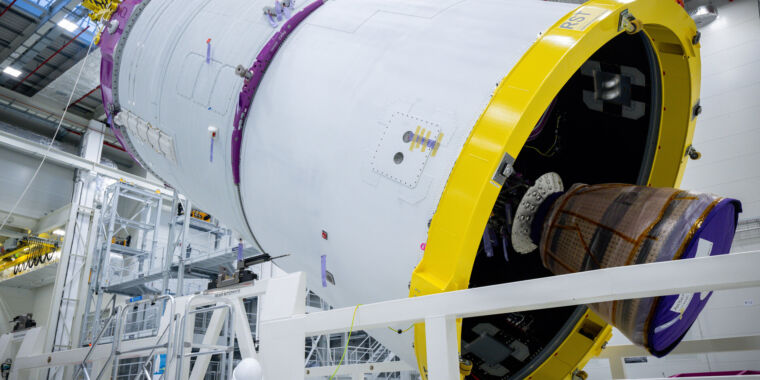
Blue Origin erects a full-size simulator of its New Glenn rocket for fit checks and tests, signaling progress toward its inaugural flights; Russia launches a classified satellite, Kosmos 2575, with indications of a shared mission with another satellite, raising concerns about anti-satellite capabilities; The Exploration Company continues testing its methane-fueled Huracán engine for in-space and lunar transportation, positioning itself as a propulsion supplier to other space companies.