The Texas Medical Board has adopted new guidelines to help doctors interpret the state's abortion laws, reducing some paperwork but not providing a list of legal abortion cases. The guidance aims to clarify documentation requirements and protect the doctor-patient relationship, though it does not fully address all concerns raised by stakeholders. The board emphasized that the guidance is not final and may be revised in the future.

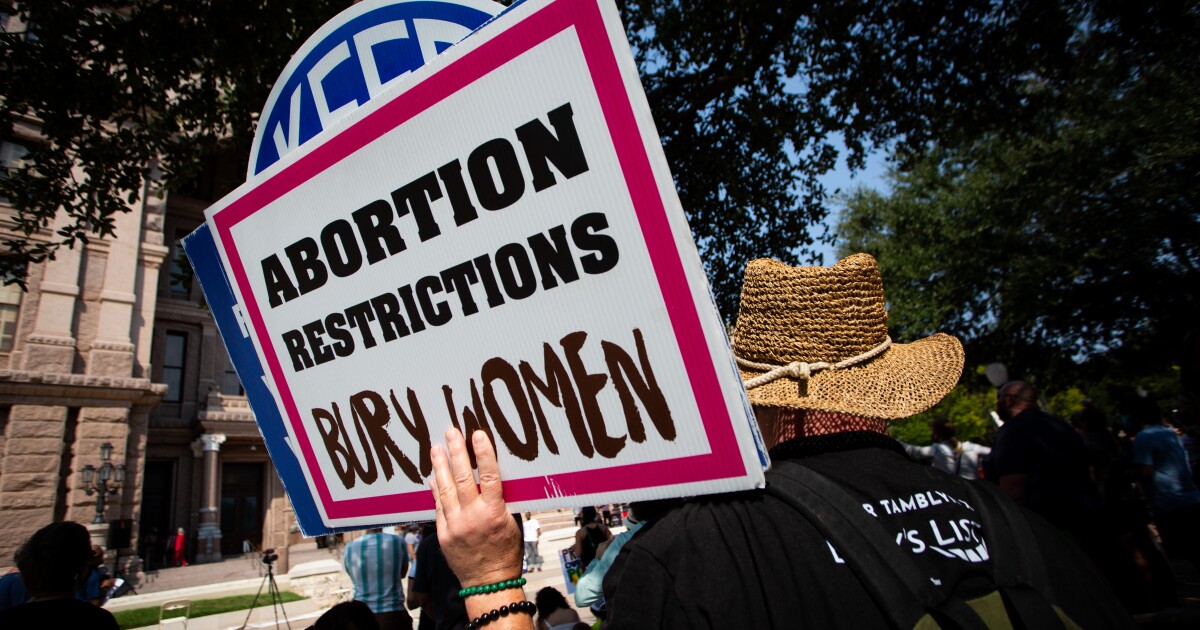
The Texas Medical Board has proposed guidance for exceptions to the state's abortion bans, addressing how physicians can provide care in medical emergencies. The guidance, which is open for public comments, emphasizes the need for physicians to use their reasonable medical judgment and document their decision-making in cases of medical emergencies. However, critics, including women suing Texas over its abortion bans, express concerns that the guidance does not cover cases of fatal fetal anomalies and could potentially add burdens on physicians. Anti-abortion protesters and abortion rights activists have also voiced their opinions on the proposed rules.
The Texas Medical Board has proposed a rule to provide guidance for doctors navigating the emergency exception to the state's abortion ban, following sustained calls for clarity from abortion advocates and physicians. The proposed rule, available for public comment for at least 30 days, aims to clarify the conditions under which emergency abortions are allowed, as current laws lack specific descriptions. The rule focuses on documentation that physicians must provide to support their decision to provide a life-saving abortion, but some have expressed concerns about the lack of specific guidance and potential additional burdens for physicians.
The Texas Medical Board proposed a broad definition for "medical emergency" under the state's strict abortion ban, disappointing some advocates who were seeking specific conditions that would qualify. The proposed rule defines a medical emergency as a life-threatening condition aggravated by pregnancy, but does not provide protection for doctors at risk of being sued for performing abortions. The board's decision to draft the rule came after pressure from the Texas Supreme Court and advocates, and public comments will be accepted for at least 30 days before a final rule is put into place.
The Texas Medical Board has remained silent on providing guidance to doctors regarding the state's abortion laws, despite calls from the Texas Supreme Court for more clarity. While the board has the power to revoke a doctor's license for violating the state's abortion ban, many doctors and advocacy groups argue that additional guidance would not be sufficient to address the complexities and nuances of each individual case. The board's chair, Dr. Sherif Zaafran, stated that the board would refrain from getting involved until ongoing court cases are resolved. Critics argue that doctors should be trusted to make decisions in consultation with their patients, and that legislative supervision is impractical and dangerous for women.