

Tag

Testicular Organoids

All articles tagged with #testicular organoids

healthscience1 year ago

"Lab-Grown Testicles: A Breakthrough for Male Infertility Treatment"

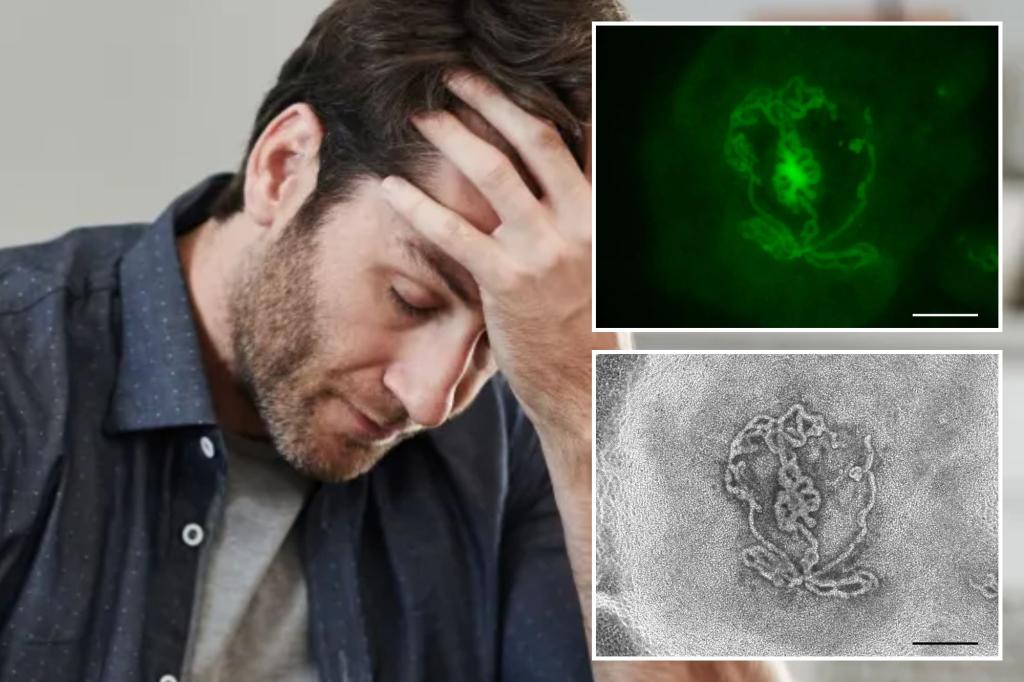
Scientists in Israel have successfully created lab-grown testicles, or testicular organoids, which mimic the natural characteristics of human testes. This breakthrough could lead to advancements in male infertility research and potential therapeutic applications for disorders of sexual development. The organoids, created from mouse testicular tissue, provide a deeper understanding of testis function and could pave the way for the production of sperm in the laboratory, offering hope for children affected by cancer treatments that lead to infertility. This achievement follows the development of other organoids in recent years, marking a significant shift from traditional 2D cell cultures in medical research.
science-and-health1 year ago

"Lab-Grown Testicles Provide Breakthrough for Male Infertility"

Researchers at Israel’s Bar-Ilan University have successfully grown laboratory testicles from mouse cells, offering hope for treating male infertility. The artificial organs resemble the structure and function of natural testicles and could be used to study the causes of male infertility. The team aims to develop human-like testicles from stem cells to aid in treating developmental sex disorders and infertility. The technology could also potentially help boys with cancer produce functional sperm and improve the livestock industry by controlling the sex of farm animals.

health-and-science1 year ago

"Israeli Researchers Develop Lab-Made Sperm to Combat Male Infertility"

Israeli researchers at Bar-Ilan University have developed organoids of male testicles that can synthesize testosterone, regulate reproductive functions, and potentially produce sperm in the laboratory, offering hope for infertile couples. The breakthrough could significantly advance understanding of male infertility and sexual development disorders, with potential therapeutic applications for disorders of sexual development and infertility. The researchers plan to further develop the technique using human samples, potentially aiding children being treated for cancer who may later struggle with fertility.