Approximately 325,000 Californians need to replace their Real IDs due to a software error caused by legacy coding from 2006, with the DMV waiving fees for replacements and notifying affected individuals to ensure compliance with federal regulations.
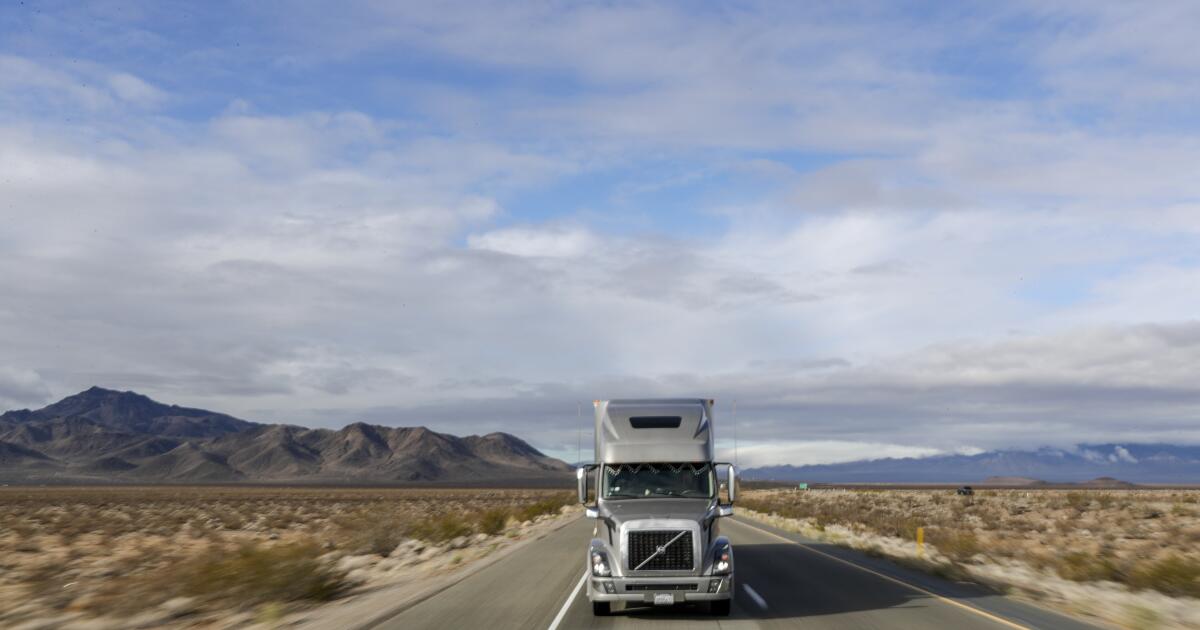
Immigrant Punjabi Sikh truckers in California have sued the DMV after the agency revoked their licenses due to clerical errors related to expiration dates, risking widespread unemployment and supply chain disruptions. The lawsuit, filed by the Sikh Coalition and Asian Law Caucus, argues that the DMV failed to follow legal procedures and that the action was influenced by federal pressure, highlighting broader issues of racial profiling and industry impact. The case underscores ongoing tensions around immigrant drivers, licensing standards, and racial discrimination in the U.S. trucking industry.
A group of immigrant truckers is suing California's DMV, claiming the state's plan to revoke their licenses violates their rights, affecting around 21,000 drivers amid federal crackdowns on immigrant-issued licenses.
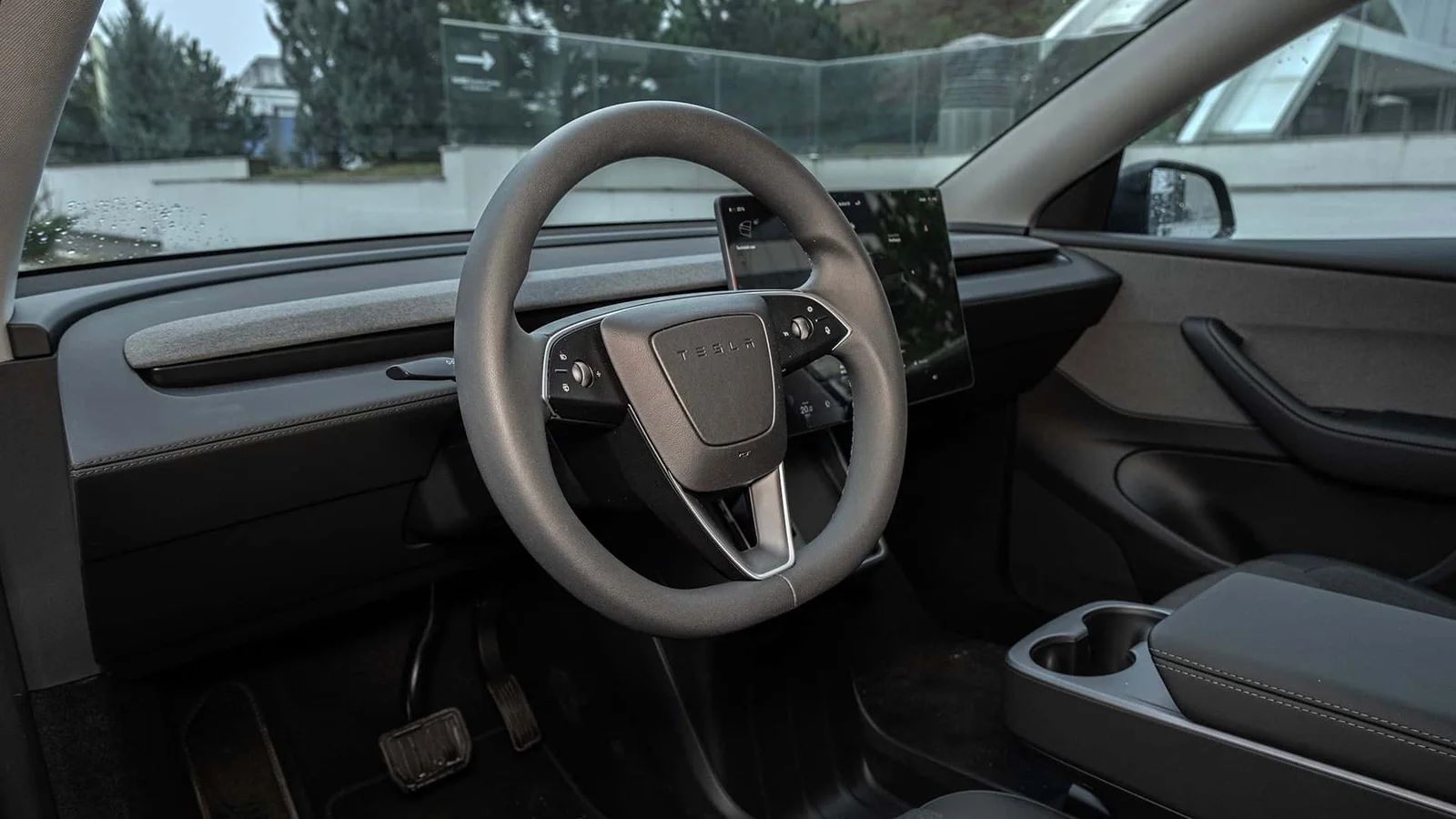
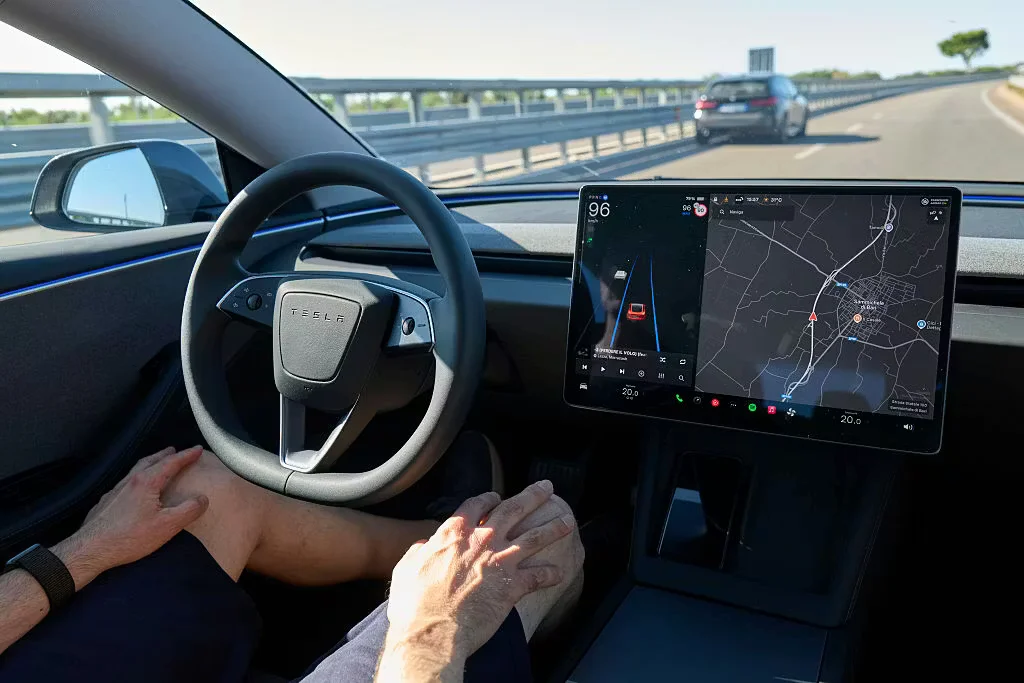
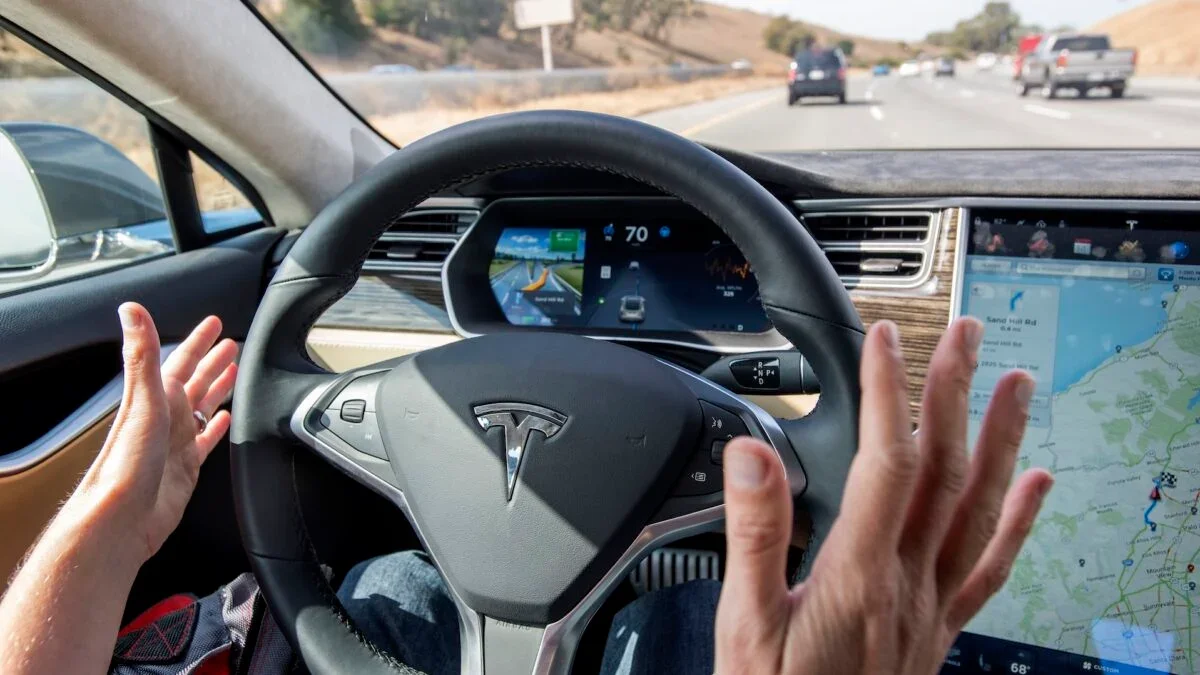
The California DMV has ordered Tesla to change its advertising of 'Autopilot' and 'full self-driving' features within 30 days, citing misleading claims that suggest the vehicles are fully autonomous, which Tesla disputes. This follows legal and regulatory scrutiny over Tesla's self-driving technology and advertising practices, amid ongoing safety concerns and a broader industry debate about autonomous vehicle capabilities.
California's DMV is considering a 30-day ban on Tesla sales over claims that the company's 'Autopilot' feature is falsely advertised, as Tesla's driver assistance system does not meet autonomous standards. The state paused immediate action to negotiate with Tesla, which has criticized the move and changed the name of its 'Full Self-Driving' feature to 'Full Self-Driving (Supervised)'. The case highlights ongoing safety and regulatory concerns surrounding Tesla's self-driving claims, despite federal investigations and legal rulings.
A California judge has ordered Tesla to stop using the term 'Autopilot' for its driver assistance features, citing misleading marketing that suggests full autonomy, which the DMV says is inaccurate as the features still require driver supervision. Tesla has been given 60 days to change the terminology or face potential sales bans in California. Meanwhile, Tesla is testing autonomous robotaxis in Austin without safety monitors.
A California judge ruled that Tesla misled customers by exaggerating the capabilities of its 'Autopilot' and 'Full Self-Driving' systems, leading the DMV to order Tesla to rebrand these features or face a sales suspension in California, though the company's manufacturing license was not revoked.
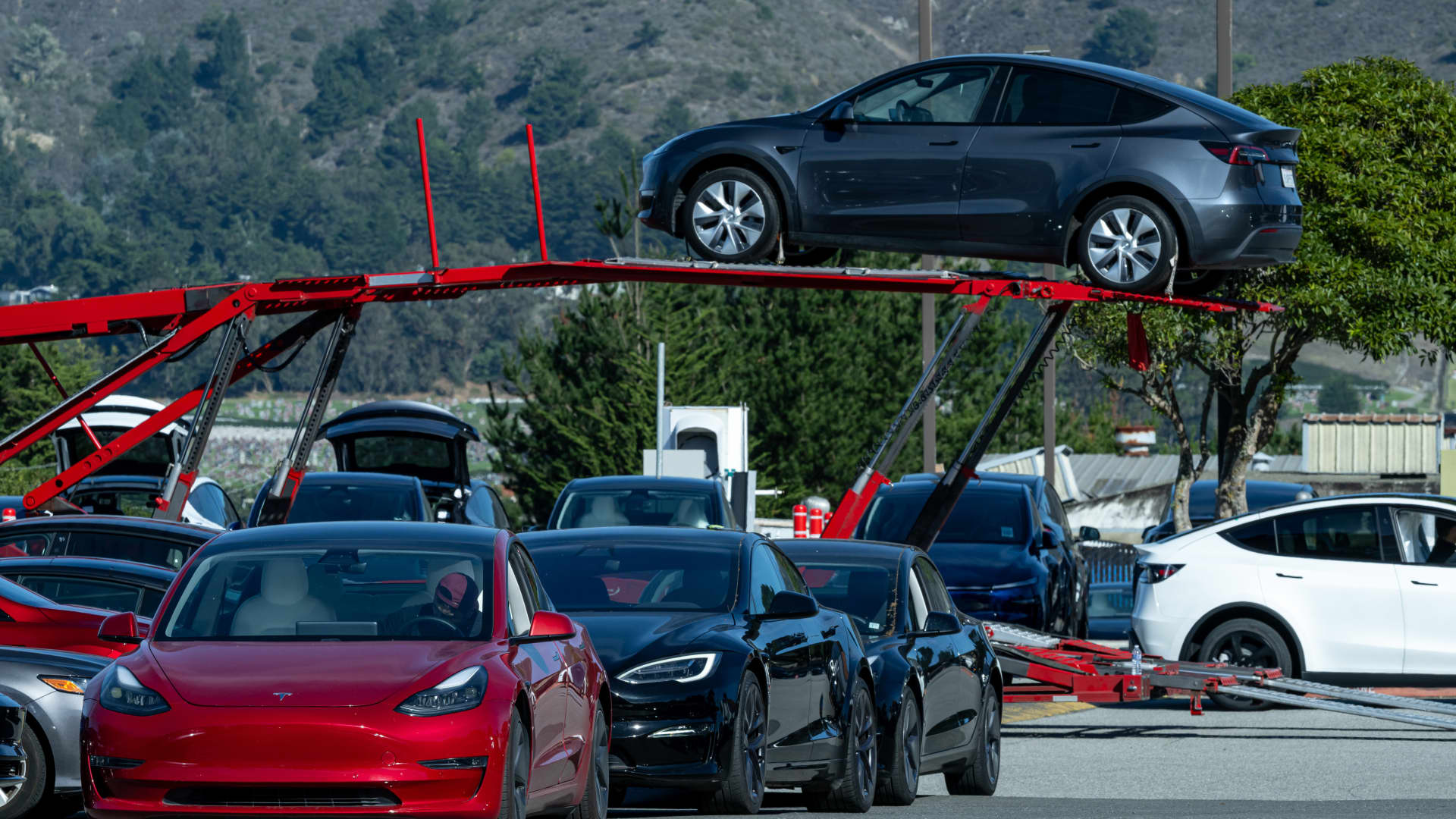
A California judge ruled that Tesla's marketing of its Autopilot and Full Self-Driving systems was deceptive, leading to a potential 30-day suspension of sales and manufacturing licenses, with Tesla given 90 days to clarify or remove misleading language.
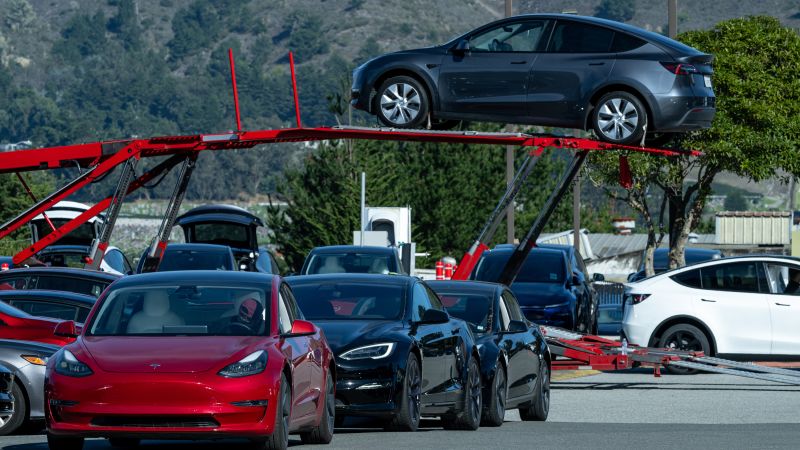
The California DMV has filed a lawsuit against Tesla, alleging that the company misrepresented its Autopilot and Full Self-Driving features, potentially leading to a 30-day suspension of Tesla's sales in California, which could impact its revenue and set new standards for advertising autonomous vehicle capabilities.
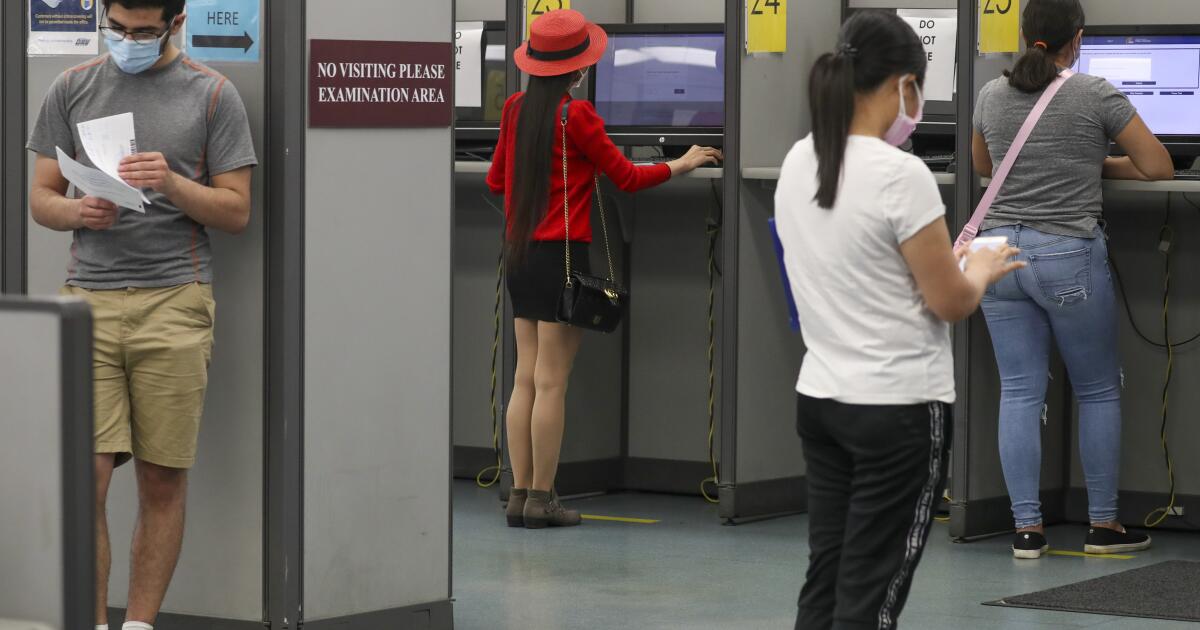
The California DMV is shifting several simple tasks, such as vehicle registration and driver's license renewals, to online platforms starting June 3 to reduce in-office visits and wait times. This move aims to streamline services, with 90% of transactions now possible via phone, tablet, or computer, and additional options available through mail, partner locations, and self-serve kiosks.
The California DMV has digitized over 90% of its services, offering self-serve kiosks at DMV and retail locations to reduce office visits by 200,000 per month. Services like vehicle registration renewals, license renewals, and record requests can now be completed online or at kiosks, enhancing efficiency and convenience for residents.
Older drivers in California share their strategies for passing the DMV renewal test, including requesting a paper test instead of using dirty computers, creating study guides, and taking practice exams. While some faced glitches and obscure questions, the DMV has made efforts to address these issues. The debate over mandatory behind-the-wheel testing for older drivers continues, with some supporting the idea while others oppose it. Despite the challenges, older drivers like Rosa Maria Juarez remain confident and focused on maintaining their driving skills.
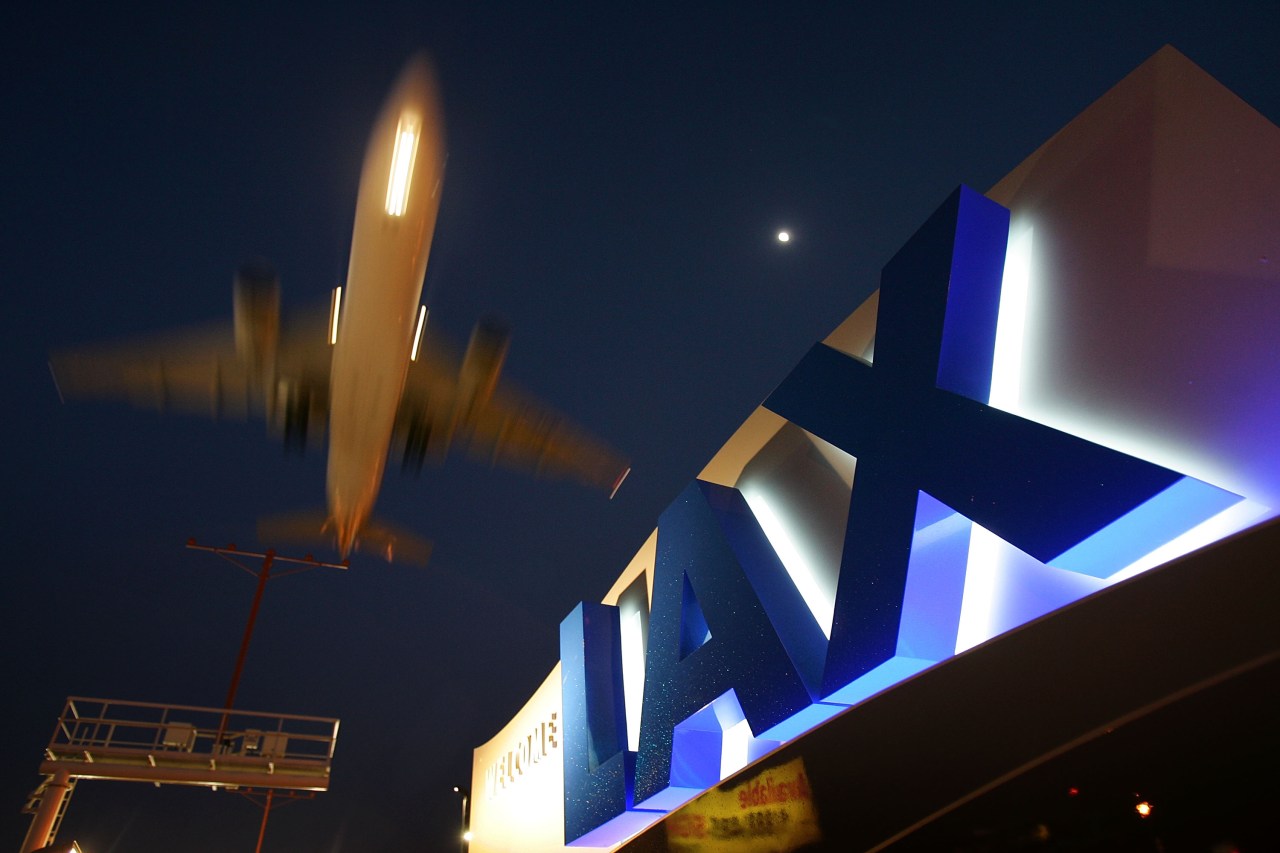
Select terminals at Los Angeles International Airport (LAX) are now accepting California mobile IDs for ID verification. Travelers can use the California DMV wallet app on their smartphones to verify their identity by scanning a QR code and having their photo taken. The process is optional, and travelers should still carry their physical driver's license or photo ID. The addition of mobile ID verification comes just in time for the holiday travel season, with an expected increase in air travel compared to previous years.
Cruise, the driverless taxi company owned by GM, has suspended its autonomous taxi operations in response to a temporary ban imposed by the California DMV. The company stated that it is working to rebuild public trust and will evaluate its operational processes and systems. This suspension does not affect Cruise's supervised autonomous vehicle operations. Additionally, Cruise is under investigation by U.S. auto safety officials for five reports of its driverless cars inappropriately braking, which could result in civil penalties of up to $132 million if the company fails to respond to the investigation.
The California Department of Motor Vehicles (DMV) has requested Cruise, the autonomous vehicle operator owned by General Motors, to reduce its driverless car fleet by 50% in San Francisco following a collision with a firetruck. The DMV is currently investigating the incident and has asked Cruise to take appropriate corrective actions to improve road safety. Cruise has acknowledged the complexity of the incident, stating that the AV positively identified the emergency vehicle but was unable to avoid the collision due to the occluded intersection. The safety of the traveling public remains the top priority for both Cruise and the California DMV.