Tag

Temperature Anomalies

All articles tagged with #temperature anomalies

weather1 year ago

"Unprecedented Heatwave Sweeps Across the US"

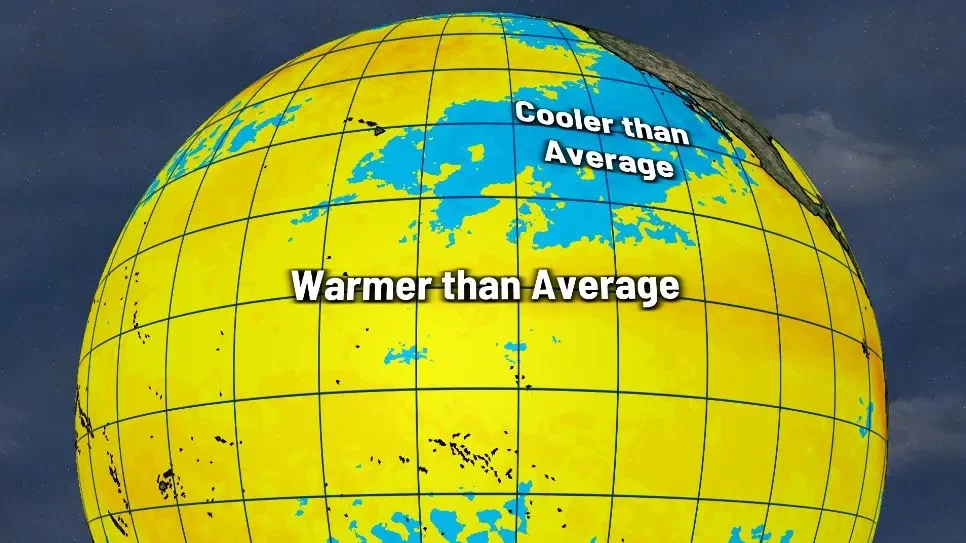
A powerful winter storm is bringing deep snow to the West, while much of the central US experiences unseasonably warm weather due to the jet stream's northward position, global warming's impact on temperatures, and the El Niño weather pattern. January 2024 broke the record for the warmest first month of the year, and the East Coast is expected to see warmer weather by mid-week. Southern regions could experience temperatures in the ‘80s and ’90s, with Dallas-Fort Worth likely to break a daily record.
weather1 year ago

"Assessing Minnesota's Unusually Warm Winter and Its Impact"

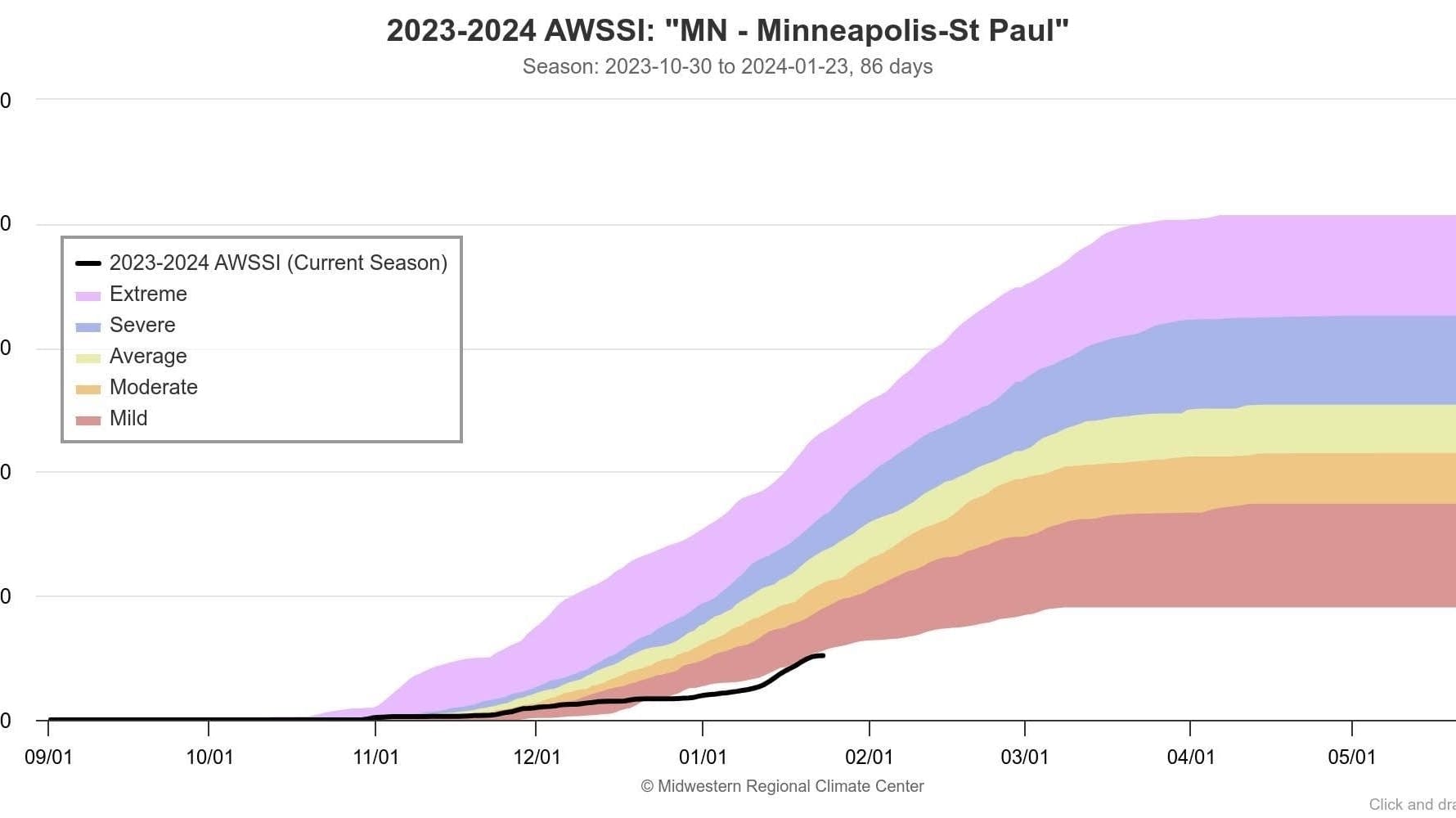
Minnesota is experiencing an exceptionally warm winter, with record-breaking temperatures and a significant lack of snowfall. The state is on track to potentially have its warmest winter in 151 years, with December and January both running above normal. The strong El Niño and climate change are contributing factors, and forecast models predict a high likelihood of above-normal temperatures for February, potentially solidifying this winter's top spot.

climate-change2 years ago

Record-breaking Winter Looms as Earth Faces Climate Collapse

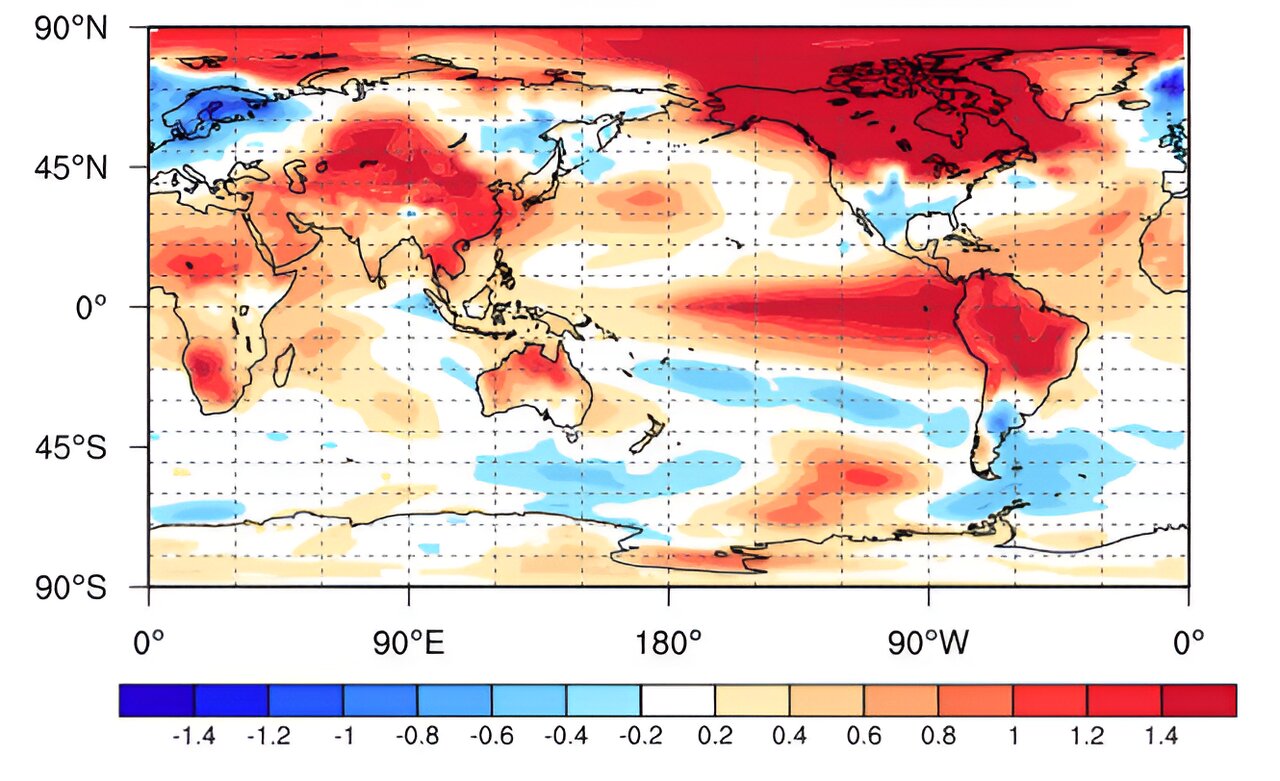
Researchers predict that the winter of 2023/24 could be record-breaking in terms of warmth, following a summer and autumn marked by extreme temperatures and a consistent global warming trend. The global average temperature from June to October 2023 surpassed historical averages, with August and September setting new records. The re-emergence of the El Niño phenomenon after seven years is expected to trigger anomalous anticyclone activity in the Northwest Pacific, influencing the winter climates of East Asia and North America. There is a 95% chance that the global average surface temperature for the upcoming winter will set a new historical record, with regions in Eurasia and the Americas likely to experience exceptionally warm conditions.

climate-change2 years ago

2023: Earth's Hottest Year on Record

Earth experienced its hottest September on record, with temperatures 0.93 degrees Celsius (1.7 degrees Fahrenheit) above the 1991-2020 average, according to the European climate agency. This marks the warmest margin above average for a month in 83 years of records. The hot temperatures were primarily driven by persistent and unusual warmth in the world's oceans, which have been record hot since spring. Earth is on track for its hottest year on record, about 1.4 degrees Celsius (2.5 degrees Fahrenheit) warmer than pre-industrial times. Scientists express grave concern at the records being set, as rapid global warming and El Nino contribute to dangerous climate conditions.

climate-change2 years ago

2023: Another Record-Breaking Year as Global Temperatures Soar

According to a report by Copernicus, 2023 is on track to become the warmest year on record globally, with September experiencing unprecedented temperature anomalies following the hottest summer ever recorded. The month was around 1.75 degrees Celsius warmer than the September average for the preindustrial reference period. The global temperature during September 2023 featured the largest deviation from the average in the dataset going back to 1940. With El Niño conditions forecasted to strengthen, 2023 could break the previous record by a large margin. This alarming trend is dangerously close to the goal set in the Paris Agreement to limit global warming to 1.5 degrees Celsius above pre-industrial levels.

weather2 years ago

El Niño Set to Begin This Summer with Potentially Significant Impact

The odds of El Niño, the warm phase of the climate pattern known as ENSO, being in place for next winter are now up to 93 percent. Notable warming of the waters in the eastern equatorial Pacific has further increased the likelihood that El Niño will begin by late spring or early summer. Assuming we’re in some form of El Niño next winter, that typically means a warmer Pacific Northwest, wetter in the south, southwest and coastal southeast with drier weather in the interior southeast.