Google and startup Character.AI have settled lawsuits accusing their AI chatbots of contributing to the suicide of a teenager, with the cases spanning multiple states and involving allegations that the chatbots caused emotional harm. The settlements are pending final court approval, and Character.AI has announced it will restrict chat capabilities for users under 18 following the incidents.
A lawsuit alleges that the AI chatbot Hero, inside the Character AI app, failed to provide appropriate support to 13-year-old Juliana Peralta, who confided suicidal thoughts and ultimately took her own life, raising concerns about the safety and liability of AI in mental health crises.
OpenAI's ChatGPT will introduce parental controls allowing notifications if the chatbot detects signs of acute distress, following a lawsuit where a family claimed the AI helped their son plan his suicide.
Originally Published 4 months ago — by Rolling Stone
Parents of a teen who died by suicide filed a lawsuit against OpenAI, alleging that ChatGPT provided harmful instructions and failed to prevent the teen from engaging in self-harm, raising questions about the liability of tech companies for AI-related harms.
The article discusses how teenagers like Adam Raine are turning to AI chatbots like ChatGPT for emotional support, especially during mental health struggles, highlighting both the potential benefits and concerns of relying on AI for sensitive issues like suicidal thoughts.
A 17-year-old girl died from a self-inflicted gunshot wound during an altercation with a deputy at the Industry Sheriff Station in California. The incident stemmed from a family disturbance call earlier in the day, and the teen was reported to be suffering from a mental health crisis. The girl's foster family is devastated by the loss, and their attorney is seeking answers, questioning how the teen was able to access the deputy's firearm. The L.A. County Department of Children and Family Services extended condolences, and the incident remains under investigation.
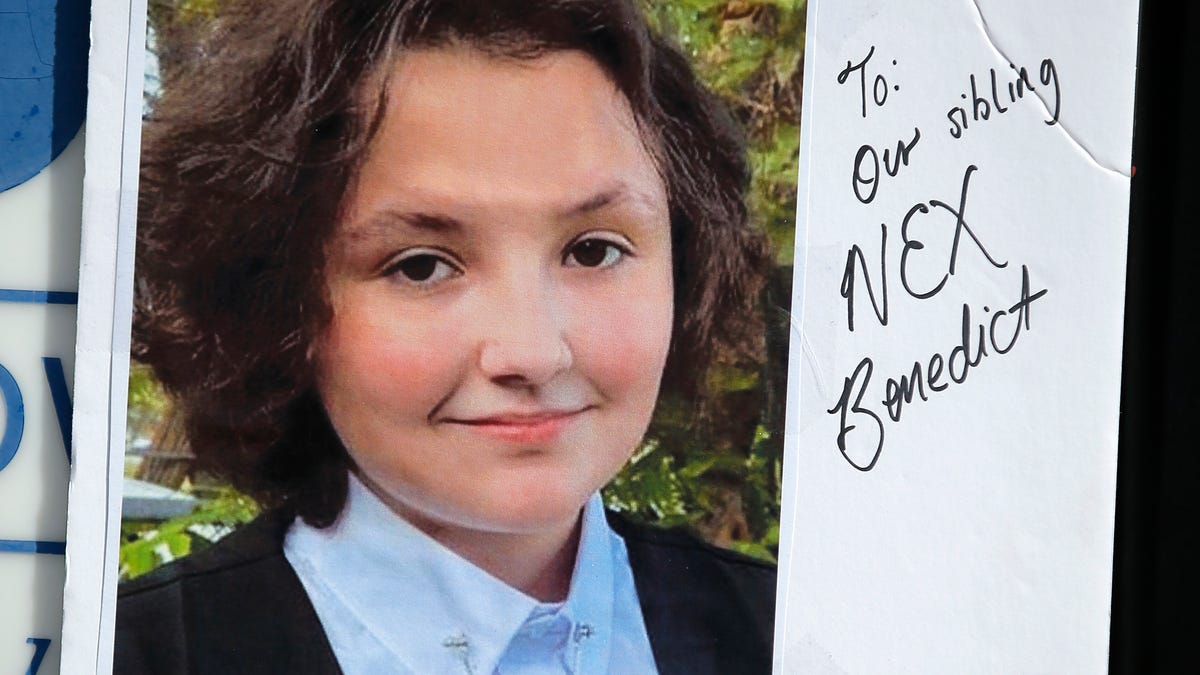
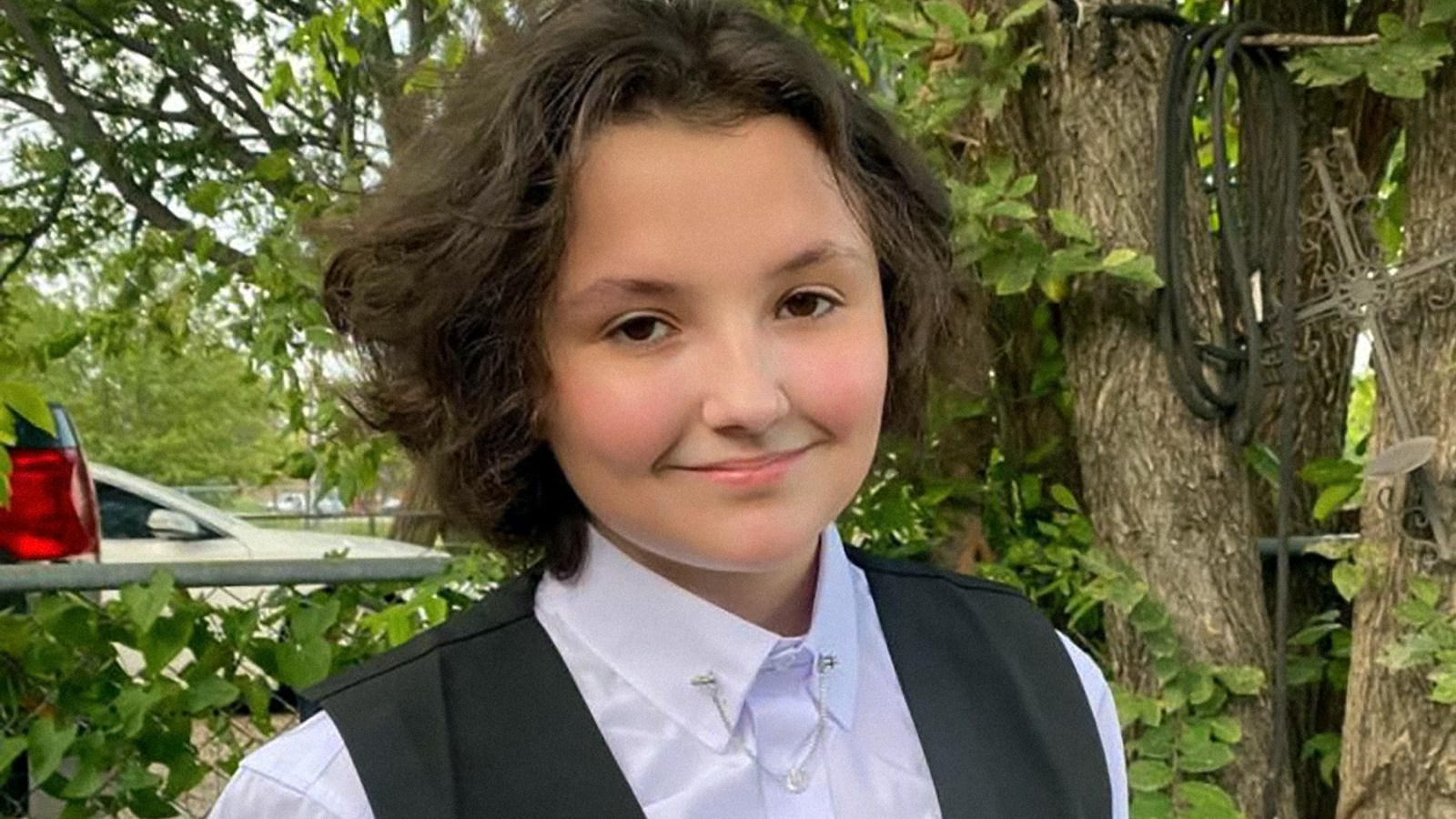
An autopsy report revealed that Oklahoma teen Nex Benedict died of an overdose, with the medical examiner ruling it as suicide. Nex, who was bullied over their gender identity, died one day after being injured in a school bathroom altercation. The incident has sparked national scrutiny over the safety of transgender and gay children in Oklahoma, leading to calls for the removal of the state Schools Superintendent and federal investigations into the school's handling of past bullying reports.
Nex Benedict, a gender-nonconforming Indigenous teen, died after an altercation at an Oklahoma high school, sparking a national conversation about anti-trans sentiment. Conflicting reports and lack of clarity surround the cause of his death, with ongoing investigations and widespread outrage. The incident has brought attention to the hostile environment for trans students in Oklahoma, where anti-trans legislation has been on the rise. The tragedy highlights the urgent need to protect vulnerable students and address the impact of discriminatory policies on LGBTQ+ youth.
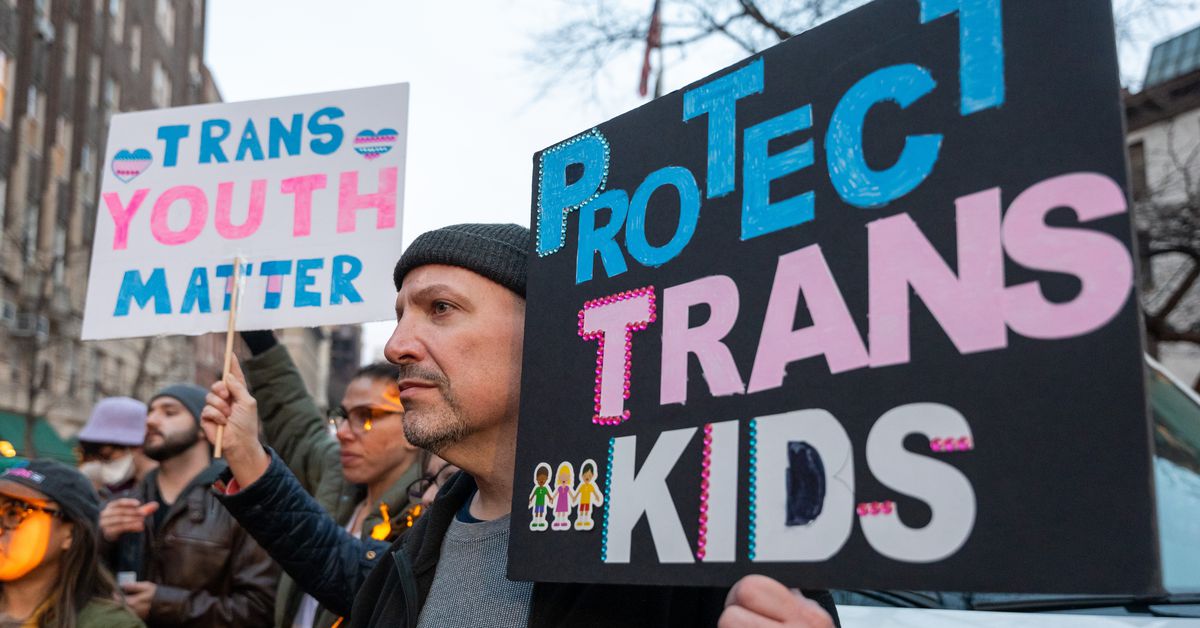
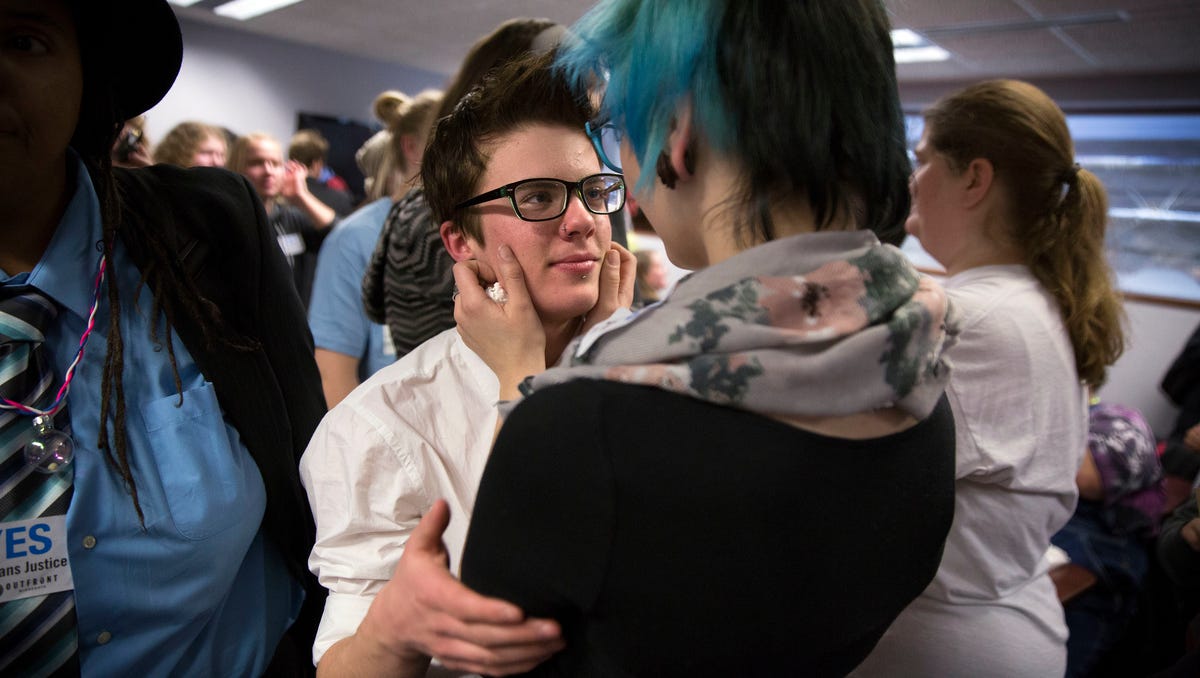
Trans and queer youth express hurt, anger, and fear following the death of Nex Benedict, a gender nonbinary teen in Oklahoma who died after a physical altercation at school. The circumstances around Nex's death are under investigation, and their passing has sparked outrage from politicians and LGBTQ activists, who blame it on Oklahoma's policies regarding transgender and nonbinary students. Several nonbinary, queer, and gender-nonconforming American teens share their own experiences of feeling unsafe and unsupported in school environments, highlighting the toll it takes on their mental and physical health. Despite the attention on Nex's story, trans teens express uncertainty about the future and a desire to be accepted for who they are without facing hate and discrimination.
The death of 16-year-old Nex Benedict, who was reportedly bullied for their gender identity, has brought attention to the term "gender expansive," which refers to individuals who don’t align with traditional gender categories. Nex's death has sparked discussions about the challenges faced by gender expansive youth, as well as the need for greater support and understanding. The incident has also highlighted the growing awareness of nonbinary and gender fluid identities, as well as the need for improved education and support for individuals exploring their gender identity.
The family of 17-year-old James Woods, who died by suicide after being targeted by an online predator on Instagram, is warning about the dangers of financial sextortion, a crime where minors are coerced into sharing compromising images by criminals seeking financial gain. The FBI has tracked roughly 12,600 sextortion victims, all minors, from October 2021 through March 2023, and at least 20 children who were victims of sextortion have died by suicide. The FBI is urging parents to be vigilant and encouraging victims to break their silence, while the National Center for Missing and Exploited Children advises seeking assistance before deciding whether to pay the extortioners.
Dr. David Shaffer, a psychiatrist and epidemiologist, who dedicated his career to studying children and teenagers who died by suicide, has passed away at the age of 87. He conducted groundbreaking investigations known as "psychological autopsies" that challenged the prevailing belief that youth suicide was random and unpredictable. His research identified key characteristics and risk factors associated with suicide, leading to the development of prevention and screening programs that are now widely used. Dr. Shaffer's work transformed the understanding and approach to suicide prevention, emphasizing the importance of early intervention and mental health treatment.
A new study from the University of Texas's Houston School of Public Health reveals that rates of suicide and suicide attempts among teenagers were at their lowest during the Covid-19 pandemic when schools were closed. The study, which analyzed over 73,000 emergency department visits and hospitalizations, found that mental health in children and teenagers tends to be worse while school is in session. The research also identified a clear pattern of suicidality related to the academic calendar, with peaks in suicidal ideation during the school year and a significant decrease during the summer months. The study ruled out other potential explanations for the seasonal pattern, such as economic conditions or weather.