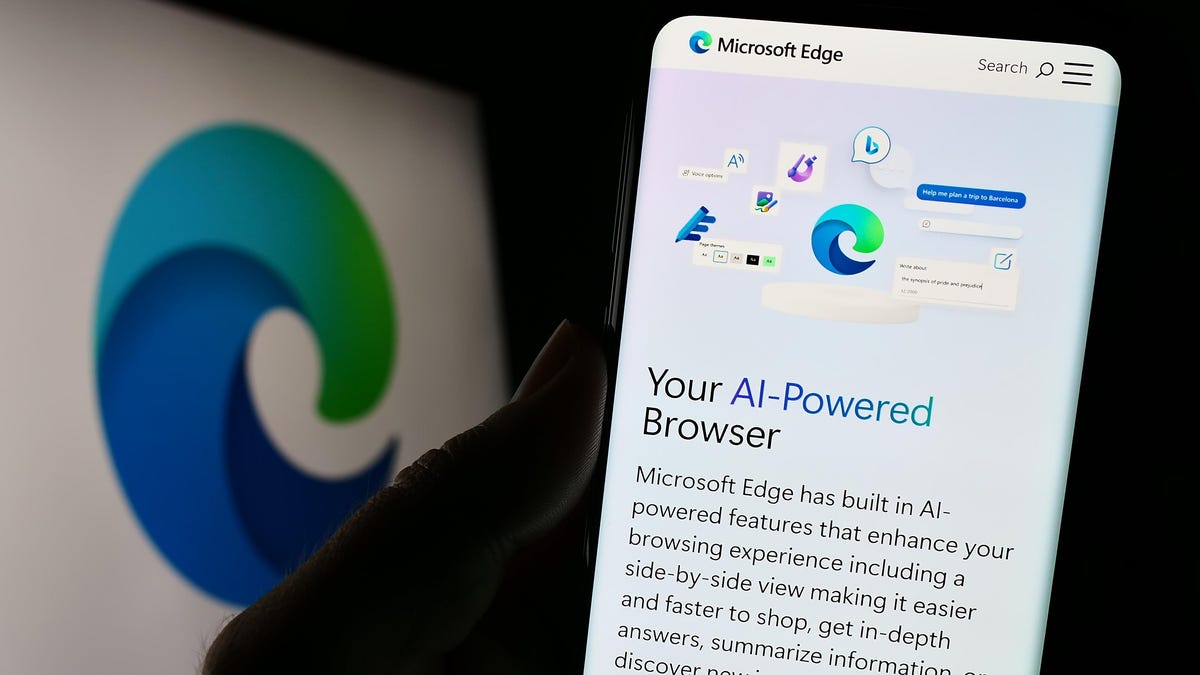
Microsoft is rebranding its Edge browser as an "AI Browser," emphasizing its integration with AI capabilities like Bing AI and OpenAI's DALL-E 3. The company has updated its app store descriptions to highlight these features and privacy aspects, although the AI branding is not present in the Microsoft Store. This move is part of a broader trend where companies are increasingly branding their products with "AI" to signify the integration of advanced deep learning algorithms, as seen with LG's latest TVs. The trend is expected to continue, with AI becoming a common feature in a wide range of consumer devices, potentially diluting the term's significance.
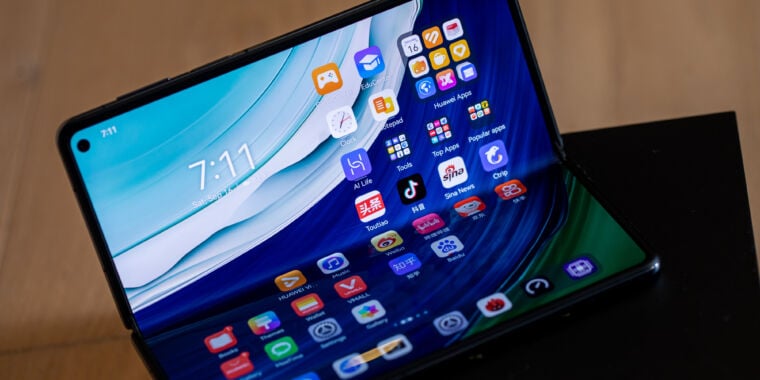
Major smartphone manufacturers, with the notable exception of Apple, are investing in foldable phones to rejuvenate a declining mobile market, despite the fact that foldables currently hold just over 1% of the global smartphone market share. Samsung, leading the charge with its Galaxy Z series, is optimistic about the future, citing projections that foldables could account for a significant portion of the premium smartphone market by 2027. Other brands like Motorola, Huawei, Honor, and even Google are also focusing on foldable devices, while Apple remains uninvolved but has shown potential interest through patent filings.
Major smartphone manufacturers, with the notable exception of Apple, are investing in foldable phones as a potential growth driver for the stagnant mobile market. Despite low current market penetration, companies like Samsung, Huawei, and Honor are optimistic about the future of foldables, likening them to the rise of electric cars in the auto industry. Samsung, in particular, is leading the charge with its Galaxy Z series and marketing efforts. However, the market remains skeptical due to concerns about cost, durability, and practicality, with foldables making up only 1.3% of global smartphone sales.