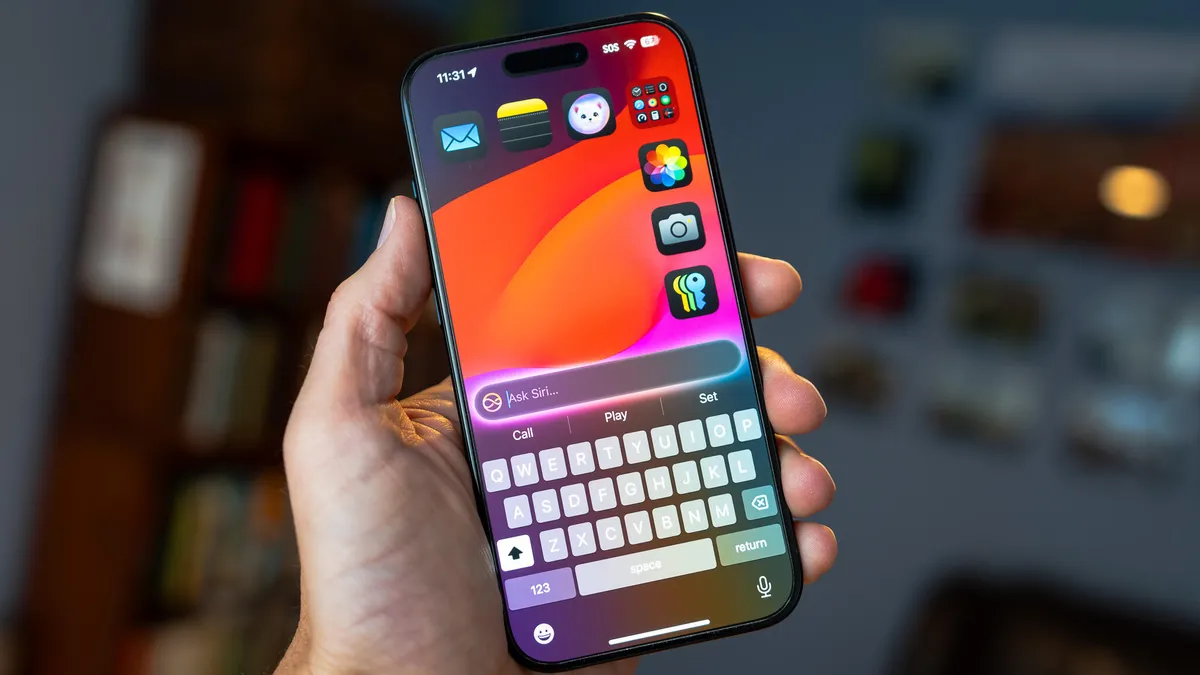
OpenAI has partnered with Apple to integrate ChatGPT into iOS 18.2, enhancing Siri, Writing Tools, and Visual Intelligence features. This collaboration is part of OpenAI's "12 days of OpenAI" event, which includes daily live streams showcasing new AI features and tools. The integration allows Siri to defer to ChatGPT for complex queries, introduces a "Compose" tool for text and image generation, and adds Visual Intelligence for real-time information processing via the iPhone camera. These features are subject to ChatGPT's usage limits and can be enabled in settings.

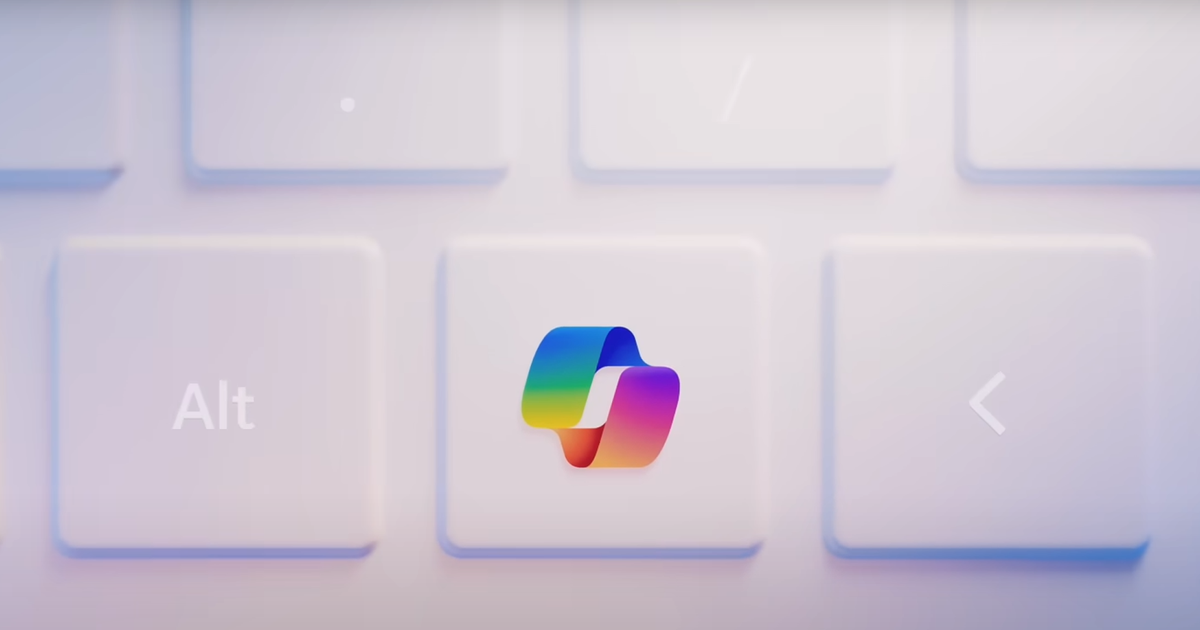
CES 2024 in Las Vegas is set to showcase a plethora of tech innovations, with AI being a central theme across various products, from OLED TVs to smart home devices. Samsung is introducing its LaserSlim OLED TV, Microsoft is launching a 'Copilot Key' for Windows keyboards, and Nvidia teases a special address that may reveal new graphics cards. Additionally, companies like Roku, LG, and Dell are integrating AI into their products for enhanced user experiences. Gizmodo will provide live coverage from the event, highlighting the latest tech advancements and product launches.
Microsoft is set to introduce a new Copilot key on Windows keyboards, marking the first significant change to their keyboard design since the addition of the Windows key nearly three decades ago. This AI-dedicated button will integrate with the Copilot AI, offering various functions such as image creation, song generation, and writing assistance, and is part of Microsoft's vision for 2024 as "the year of the AI PC." The Copilot key will start appearing on new Windows 11 PCs, including Microsoft's Surface devices, from this month onward.
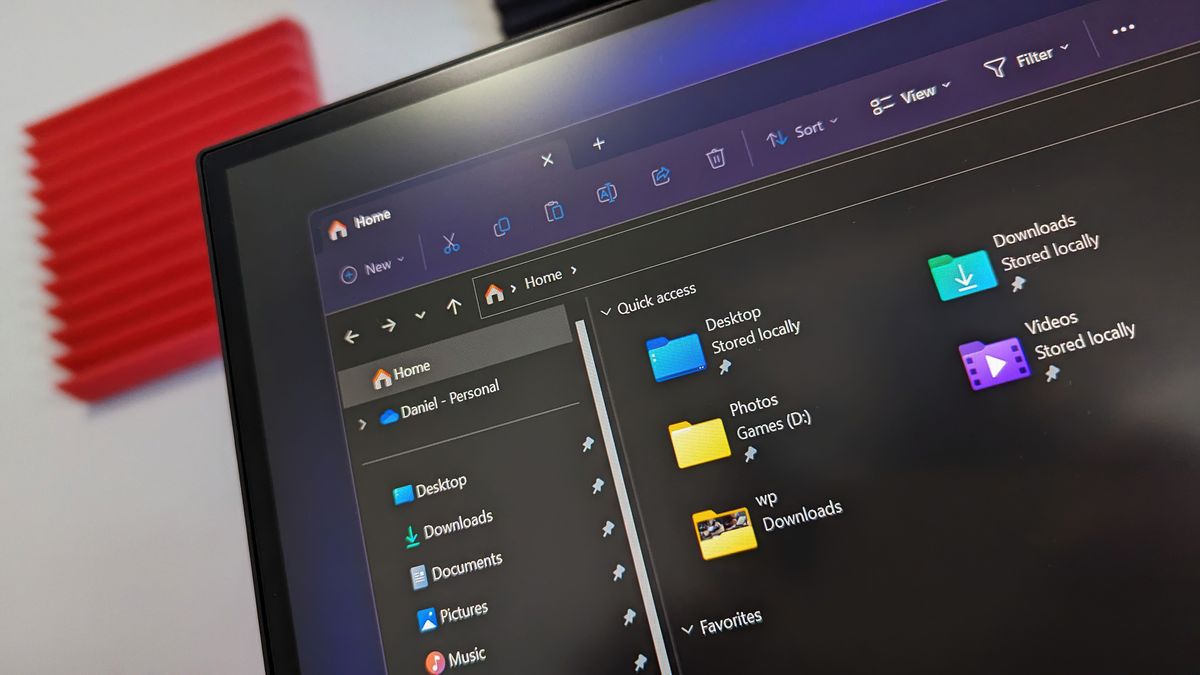
Microsoft is reportedly developing a Copilot feature for File Explorer in Windows 11, as indicated by code labeled "CopilotFEContextMenu." This integration could potentially allow users to send files directly to Copilot via a context menu shortcut. While the specifics of the feature are not yet clear, it aligns with Microsoft's broader strategy to incorporate AI into its services, including a future Copilot key on Windows PCs. Despite the company's push for AI, there has been some user pushback against what is perceived as Microsoft's forceful implementation of AI features.
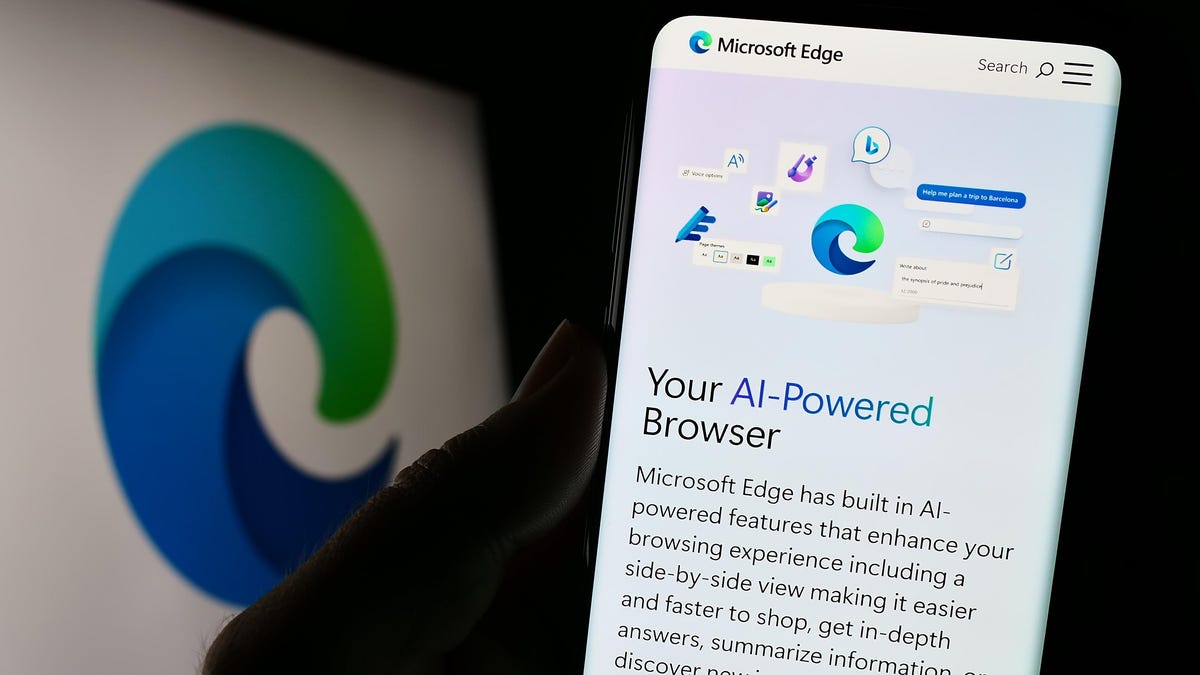
Microsoft is rebranding its Edge browser as an "AI Browser," emphasizing its integration with AI capabilities like Bing AI and OpenAI's DALL-E 3. The company has updated its app store descriptions to highlight these features and privacy aspects, although the AI branding is not present in the Microsoft Store. This move is part of a broader trend where companies are increasingly branding their products with "AI" to signify the integration of advanced deep learning algorithms, as seen with LG's latest TVs. The trend is expected to continue, with AI becoming a common feature in a wide range of consumer devices, potentially diluting the term's significance.
Microsoft has rebranded its Edge browser as an "AI Browser" on Android and iOS platforms, emphasizing its integration with AI features like Copilot and GPT-4. The new tagline, which has been in use since at least November 2021, positions Edge as a smarter browsing option that leverages AI to enhance user experience with capabilities such as refining searches, summarizing content, and creating images with DALL-E 3. This change aligns with Microsoft's broader strategy of infusing AI into its products and services.
The Google Pixel 8 Pro has been chosen as the author's smartphone of the year for 2023, standing out in a year of incremental advancements and the rise of foldable phones. The Pixel 8 Pro's deep integration of AI in various features, a seven-year support window for updates, and ease of repair set it apart from competitors like the iPhone 15 Pro, OnePlus Open, and others. The author appreciates the Pixel 8 Pro's forward-looking approach, with AI being a significant factor in the decision, signaling a shift in the industry towards AI-first strategies.