Originally Published 3 months ago — by Hacker News
The Dutch government has intervened to take control of Chinese-owned chipmaker Nexperia due to concerns over technological knowledge leakage and economic security, marking a rare use of a law from 1952 to protect strategic industries in Europe.
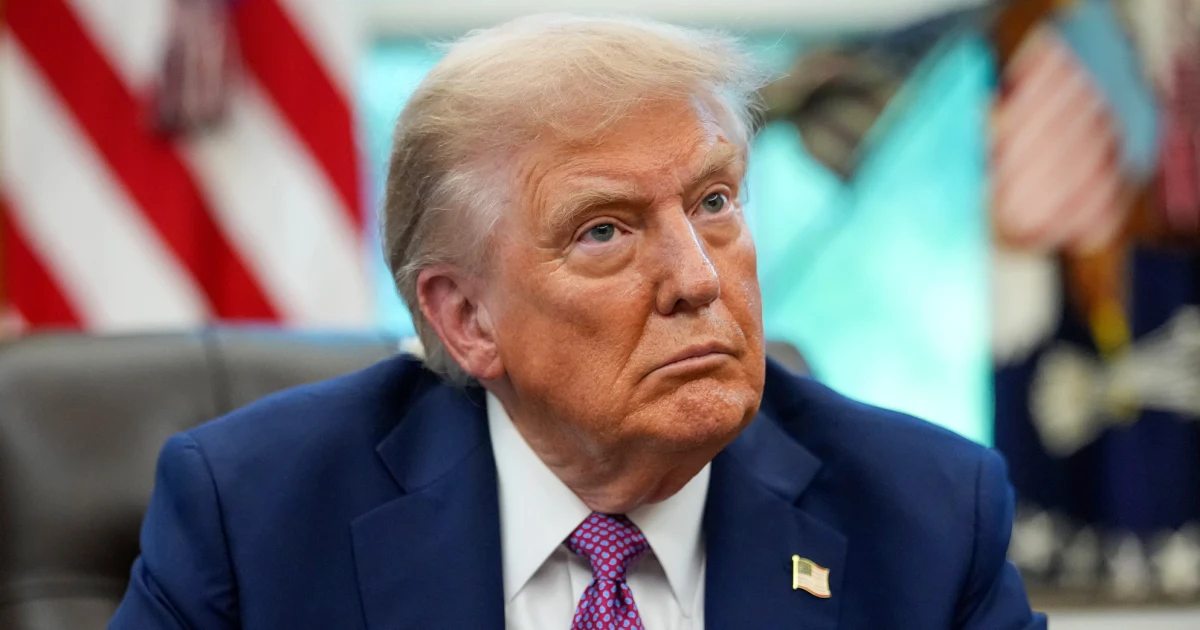
President Trump is expected to sign a deal allowing the sale of TikTok to American investors, with ByteDance holding less than 20%, to address national security concerns and comply with U.S. law, including data storage in the U.S. and algorithm oversight.
Nvidia is caught in a geopolitical struggle as it faces accusations from Chinese state media that its chips pose a security threat, following a deal with the US to sell chips in China that involves a controversial revenue-sharing agreement. The company denies any security risks, emphasizing the importance of trust in its technology amidst tensions between the US and China.
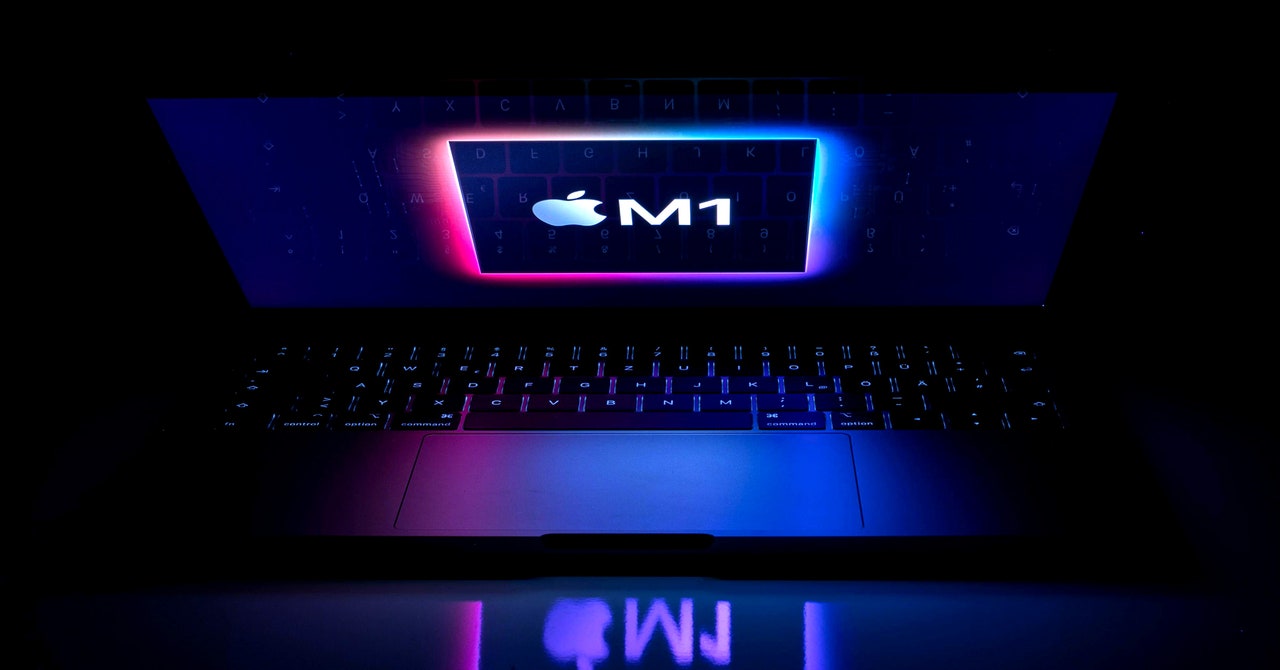
A flaw in Apple's M-series chips allows attackers to exploit the data memory-dependent prefetcher to reveal encryption keys, posing a virtually unpatchable threat. The US warns of potential cyberattacks on water systems by hackers from Iran and China, while a new Russian wiper malware, AcidPour, threatens communication networks. Additionally, China-linked hacker group Earth Krahang has targeted organizations worldwide, breaching 70 entities, including 48 government organizations.
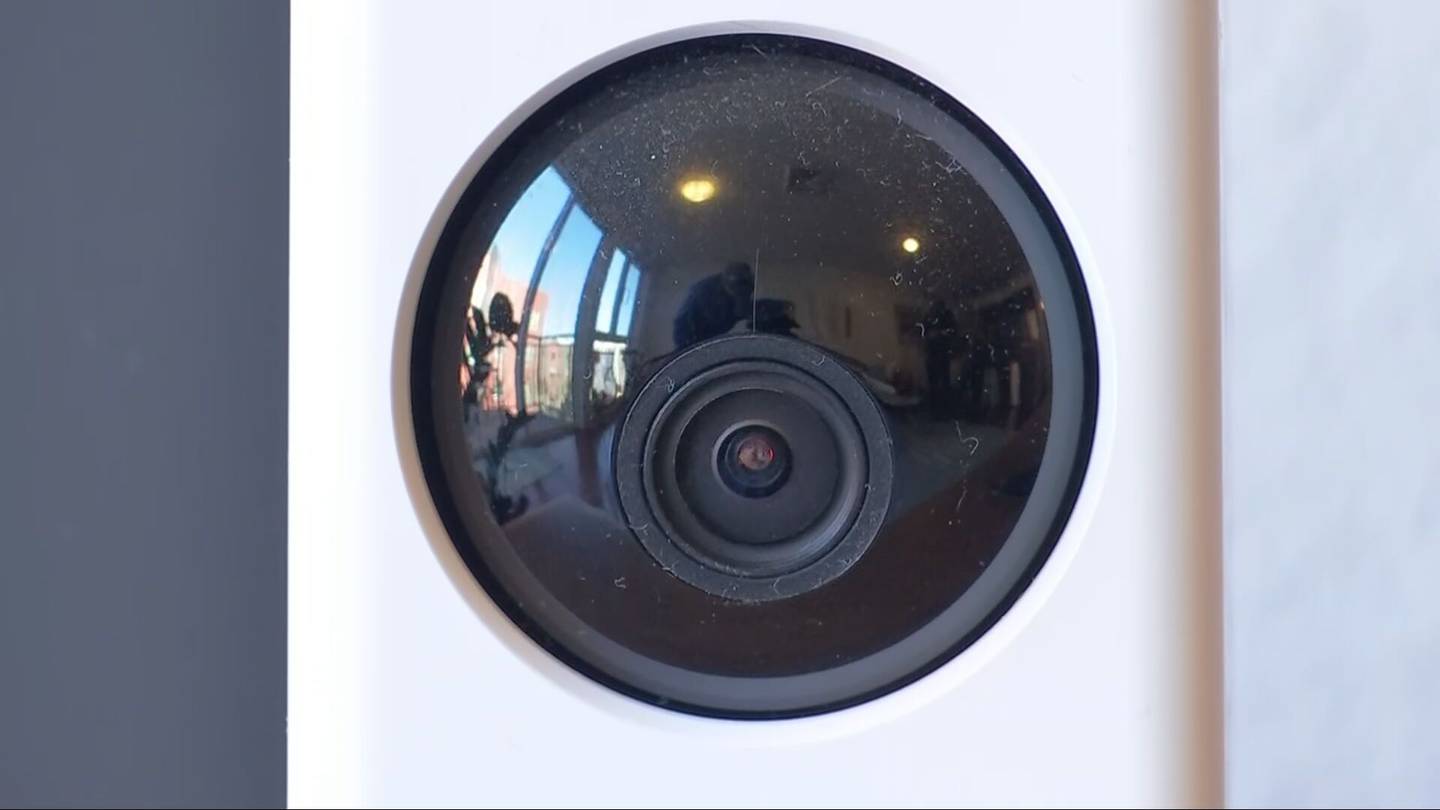
WYZE customers report being able to see inside other people's homes due to a glitch in the home security camera system, with one woman in South Bend, Indiana, witnessing footage from a different time zone. The company's office was found nearly empty, with no one available to address the issue. WYZE has acknowledged disruptions and login difficulties, and disabled the events tab in the app to investigate the security issue. Customers are concerned about the breach's implications for their privacy and security.
A massive data breach, dubbed the "Mother of All Breaches," has exposed 26 billion records from popular sites like LinkedIn, Twitter, and more, making it the largest breach in history. The compromised data includes sensitive information, posing a significant risk for identity theft and cyberattacks. While the source of the breach remains unknown, experts advise users to be vigilant against phishing scams, change their passwords, and enable two-factor authentication for all accounts.