Data center development in Georgia is rapidly increasing, with significant land acquisitions and high bids, driven by the demand for AI infrastructure and the industry's economic impact, leading to competition with other land uses and regulatory challenges.
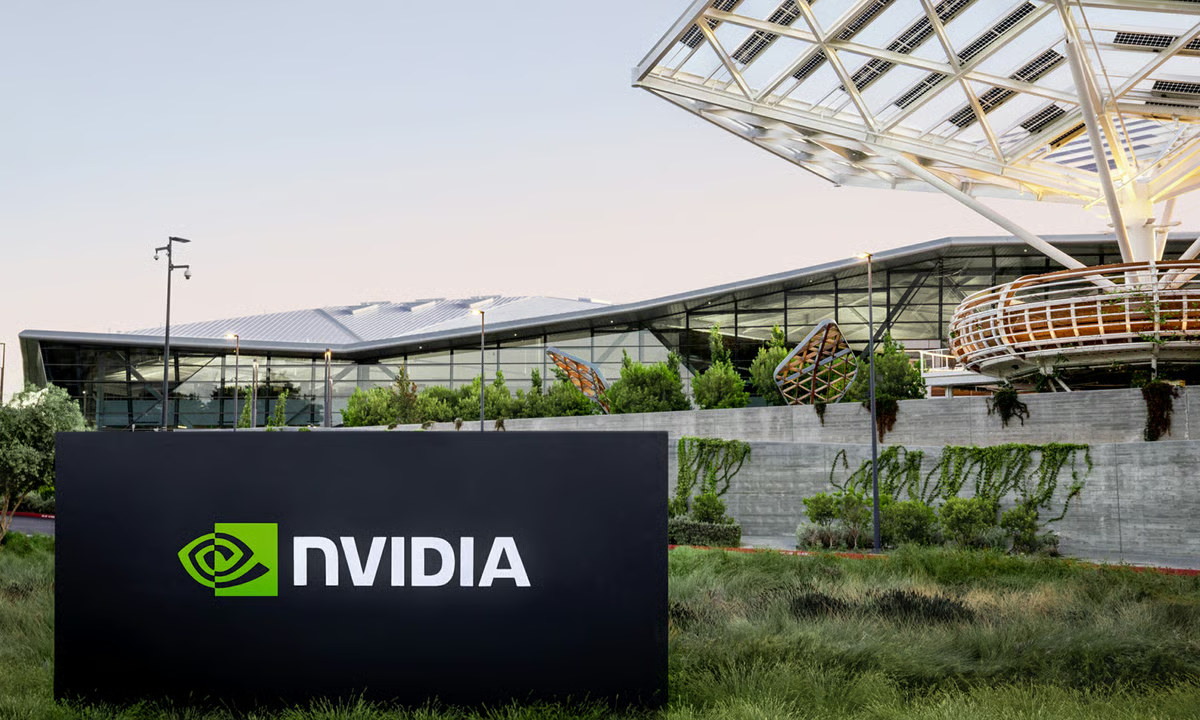
Nvidia predicts a $65 billion revenue in Q4 2026, reflecting strong demand for AI infrastructure and positioning itself as a key player in the ongoing AI boom, which is expected to drive significant industry growth over the next decade.
The article highlights Nvidia and Amazon as two top AI stocks to buy for 2026, emphasizing Nvidia's dominance in AI chips and Amazon's integration of AI in e-commerce and cloud computing, making them strong growth prospects in the expanding AI market.
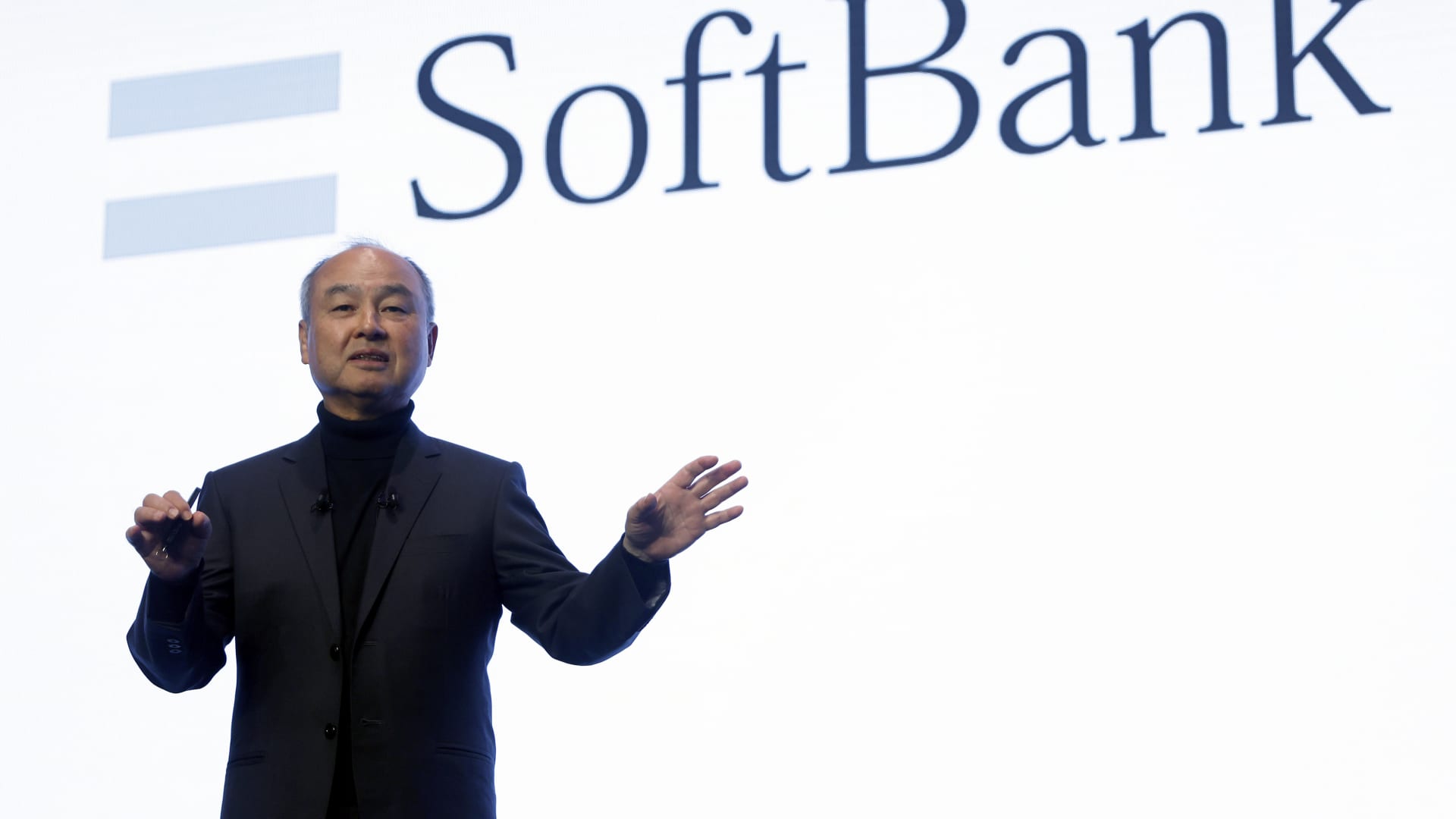
SoftBank is acquiring DigitalBridge for $4 billion to strengthen its AI infrastructure portfolio, with DigitalBridge being a major investor in digital infrastructure assets. The deal aims to capitalize on the growing demand for AI computing capacity, and DigitalBridge will continue to operate as a separate platform under its current leadership.
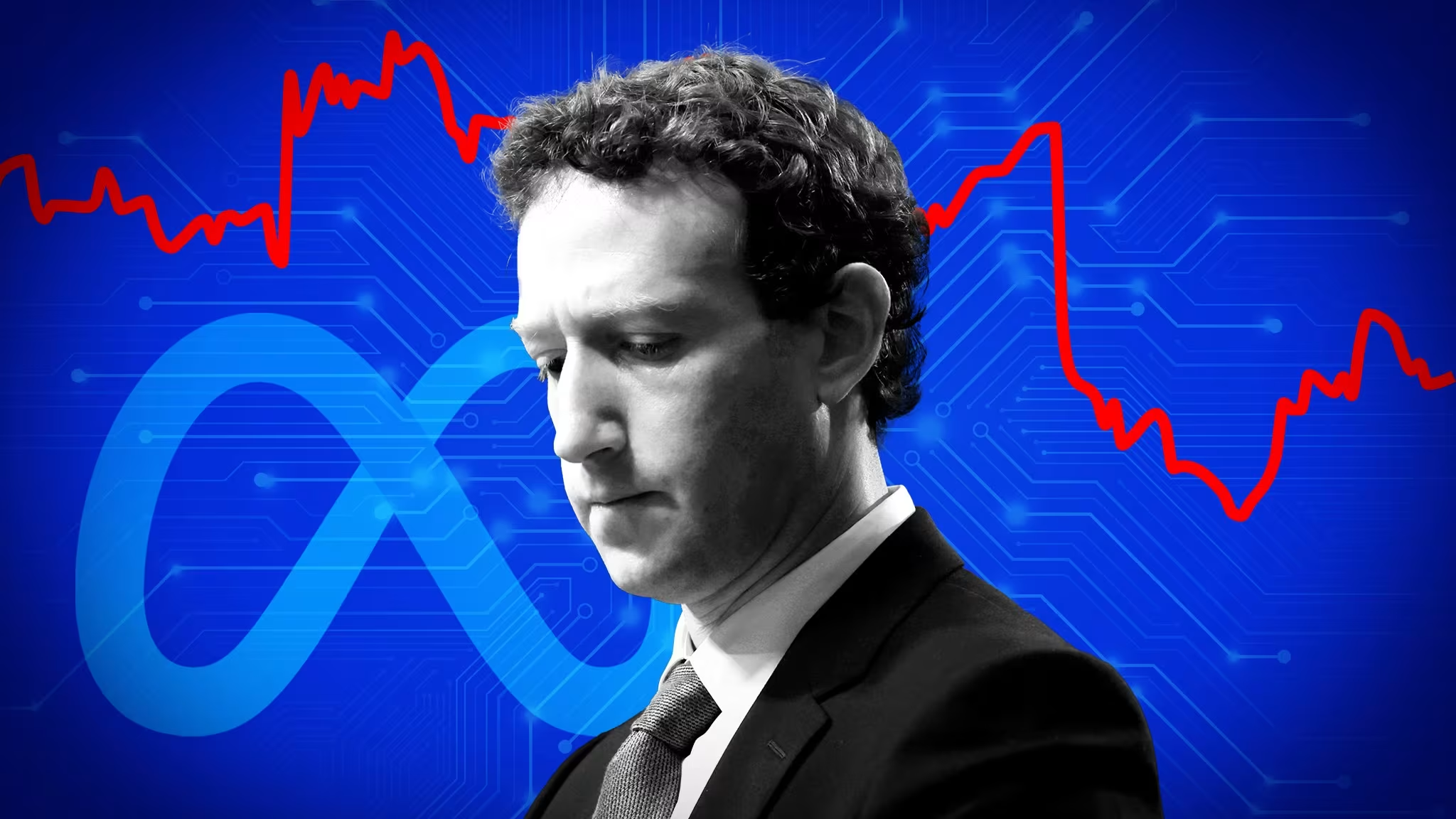
The article discusses Mark Zuckerberg's challenging and risky investment in artificial intelligence, highlighting the turbulence and uncertainties involved in his strategic decisions within the tech industry.
SoftBank's shares dropped up to 10% after selling its entire $5.83 billion stake in Nvidia to fund a $22.5 billion investment in OpenAI, reflecting a strategic shift towards AI and robotics investments despite previous support for Nvidia.
China is planning to emphasize high-tech development in its upcoming 5-year plan, as tensions with the US continue to escalate, signaling a focus on advancing its technological capabilities.
AI startup valuations are soaring amid a frenzy among investors, leading to concerns that the market may be in a bubble, reflecting heightened enthusiasm and speculative activity in the tech sector.
OpenAI is increasing its investment in hardware by entering into a multibillion-dollar deal with Broadcom, reflecting its ongoing commitment to expanding its technological infrastructure for AI development.
U.S. GDP growth in early 2025 was primarily driven by investment in data centers and AI infrastructure, with excluding these sectors showing near stagnation, highlighting the significant role of high-tech infrastructure in the economy amid broader sluggishness and debate over sustainability.
Venture capitalist Alexa von Tobel is investing in quantum computing hardware, viewing it as a potentially greater technological breakthrough than artificial general intelligence (AGI), despite the risks of being early in the field.
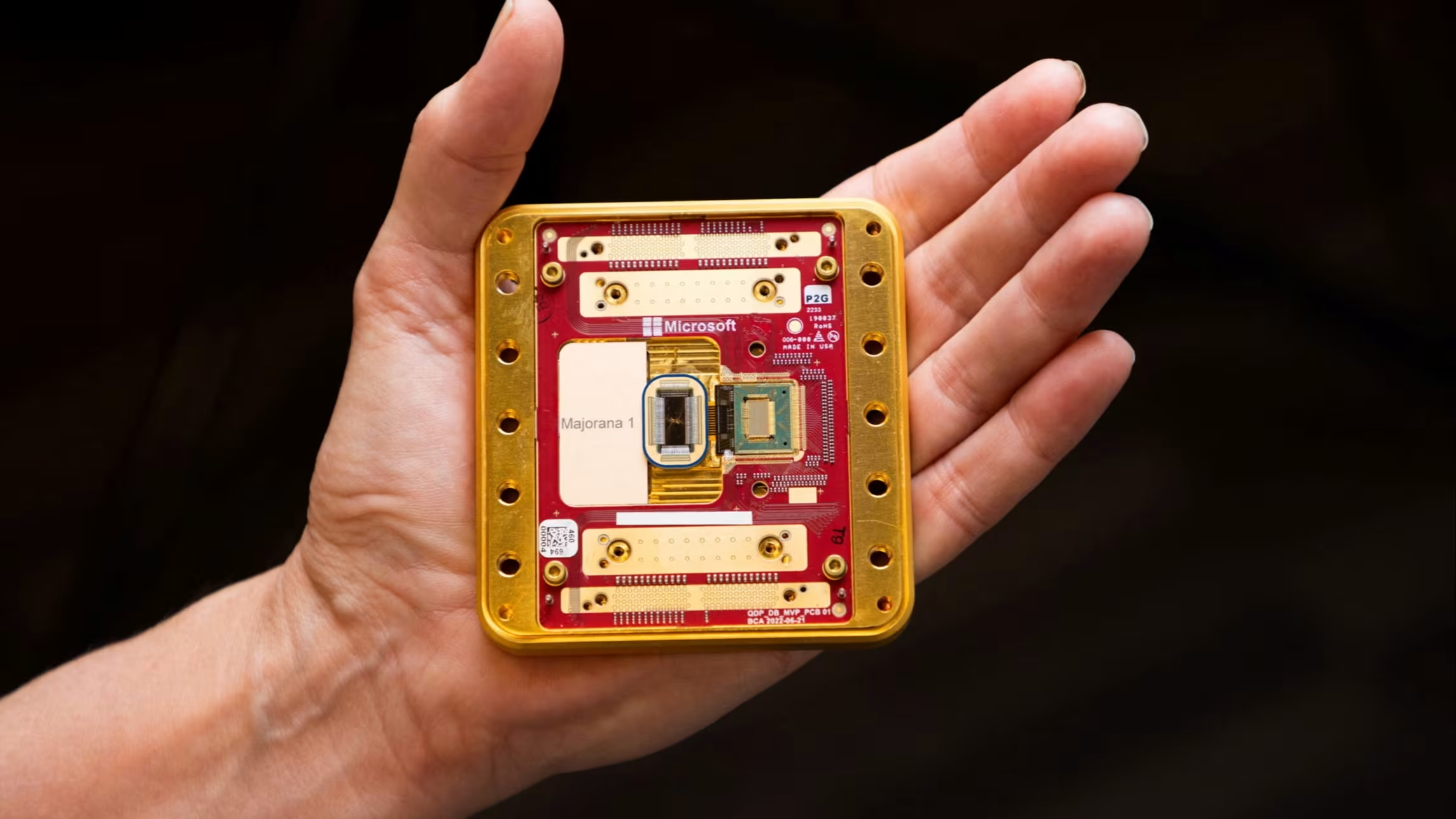
Australia is establishing itself as a significant player in quantum computing, notably contributing to a Microsoft chip project, highlighting its growing role in advanced technology development.
President Trump announced that the U.S. government has acquired a 10% stake in Intel, investing approximately $8.9 billion, as part of a strategic move to bolster U.S. leadership in semiconductors and reduce dependence on foreign chip manufacturing. The deal was facilitated through government grants and aims to strengthen domestic chip production amid ongoing global competition, especially with China.
Bumble plans to lay off 30% of its workforce, approximately 240 employees, to cut costs and reinvest in product development, as part of a strategic restructuring to strengthen its core business and prepare for future growth, following challenges in customer traction.
While generative AI, such as OpenAI's ChatGPT, holds the potential to boost productivity and add trillions of dollars to the global economy, widespread adoption across industries is still years away. Companies like JPMorgan Chase are cautious about the risks of leaking confidential data and the accuracy of AI-generated answers, leading them to block access to such tools. However, the investment frenzy in generative AI start-ups is well underway, with funding reaching $15.3 billion in the first half of 2023. The timeline for mainstream adoption of generative AI applications is uncertain, ranging from eight to 27 years, depending on various factors such as economic cycles, government regulation, and corporate cultures. In the meantime, companies are exploring the use of generative AI for automating and improving tech support and software development.