Former WeWork leader Greg Isenberg predicts a lucrative market for AI-generated companions, inspired by a person spending $10,000 monthly on AI chatbot girlfriends. This trend reflects the growing market for AI companions driven by loneliness and social anxiety, with companies like Replika and Xiaoice gaining popularity. However, ethical concerns, data privacy, and potential impact on human relationships and mental health pose challenges. While AI companions offer accessibility and personal growth, they lack physical presence and emotional depth, raising questions about their impact on society and human interaction. The global AI market, including AI companions, is projected to grow significantly, presenting both economic potential and ethical considerations.

Despite high levels of crime and homelessness, tech industry figures are returning to San Francisco after fleeing during the pandemic, drawn by the city's tech resurgence and AI boom. Notable figures like Elon Musk and Keith Rabois have made a comeback, while companies like OpenAI are leasing new buildings in the city. However, the city's urban challenges, including crime and homelessness, continue to persist, leading to an exodus of businesses and retailers from the downtown area.
Taiwan Semiconductor Manufacturing Company (TSMC) shares hit a record high after Morgan Stanley raised chip designer Nvidia's price target due to increased demand for AI chips. TSMC, the world's largest processor producer, manufactures chips for companies like Nvidia and Apple. The surge in AI demand has led to a positive outlook for Nvidia, with Morgan Stanley increasing its price target to $750. Nvidia's B100 GPU is expected to be a game changer in AI processing, and TSMC is currently manufacturing 3-nanometer chips with plans for 2-nanometer mass production in 2025.
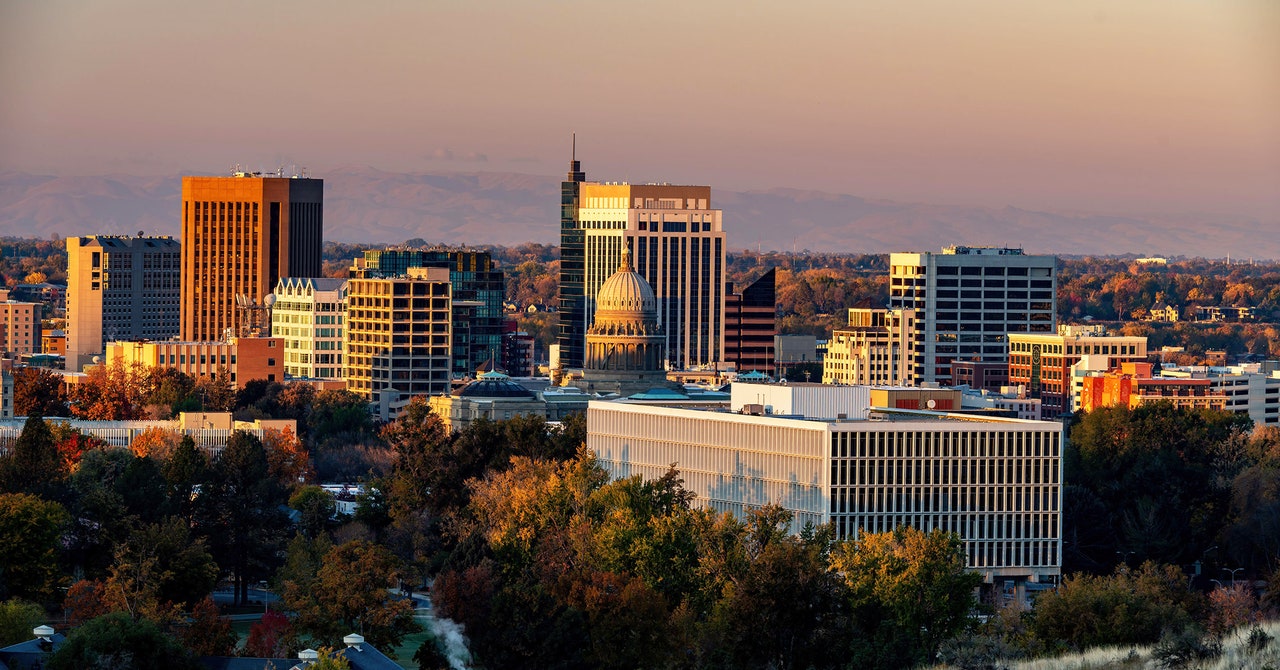
Tech workers are turning to Boise for career opportunities and a more affordable lifestyle as the industry faces layoffs and hiring freezes. The city's nascent talent pool and friendly environment are attracting young professionals seeking stability and purposeful work. Boise's growth is also driven by Micron's expansion and a burgeoning startup culture, but the city is feeling the strain with housing prices soaring. As Gen Z prioritizes stability and affordability, the trend of tech workers moving to non-coastal cities is expected to continue.
A PwC survey of global chief executives revealed that a quarter of them anticipate job cuts of at least 5 percent due to the deployment of generative artificial intelligence in 2024, with industries such as media, banking, insurance, and logistics being most likely to experience reductions. While 46 percent expect generative AI to boost profitability, 47 percent foresee little or no change. The survey also highlighted concerns about cyber security and disinformation, as well as a growing focus on addressing the challenges and opportunities of the climate transition. Executives are increasingly planning to deploy generative AI, with 58 percent expecting it to improve product/service quality and 69 percent acknowledging the need for employees to learn new skills.
The League, a dating app targeting ambitious millennials and Gen Z singles, is capitalizing on "Dating Sunday" to attract users to its high-cost services, with membership tiers reaching up to $30,000 a year. The app, which requires LinkedIn profiles for admission, aims to connect career-driven individuals and offers features like speed dating and personal dating concierges. Acquired by Match Group in 2022, The League is part of a growing trend of tech-enabled dating, moving away from serendipity towards strategic, AI-driven matchmaking. Founder Amanda Bradford envisions a future where technology enhances the efficiency of finding a compatible partner.
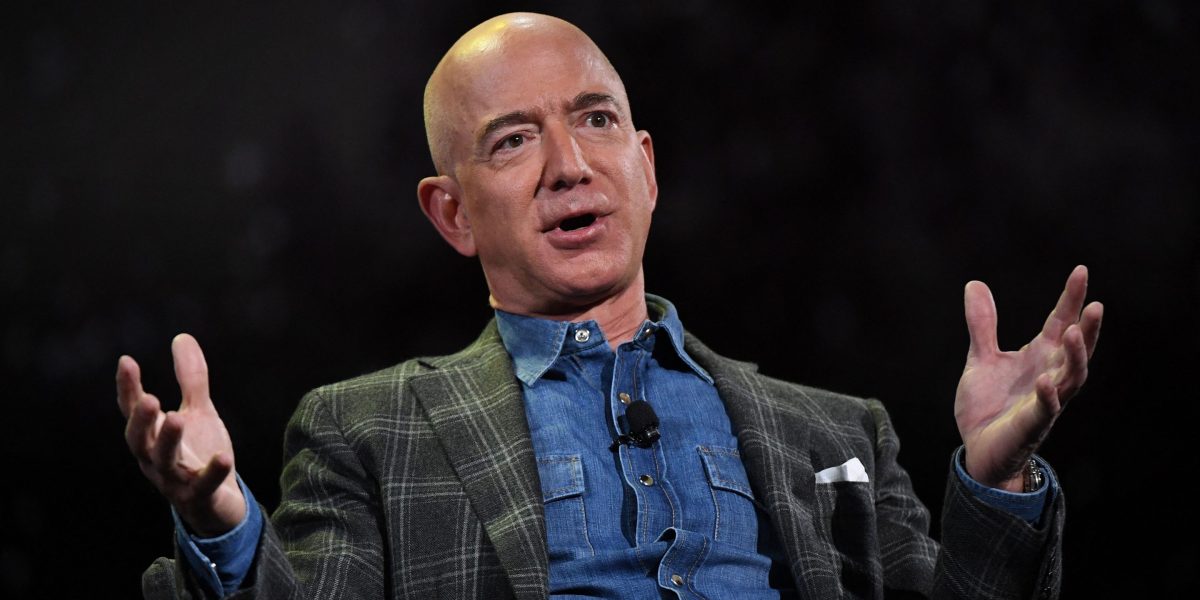
Jeff Bezos has invested in an AI search startup called Perplexity, which aims to revolutionize the search engine market by combining chatbot functionality with traditional search, challenging Google's dominance. Perplexity has grown rapidly to 10 million monthly active users and has raised $73.6 million in funding, valuing the company at $520 million. Despite its current modest revenue, the startup is seen as a potential game-changer in how people access information online, with its CEO Aravind Srinivas predicting a shift away from traditional search engines towards AI-driven solutions.
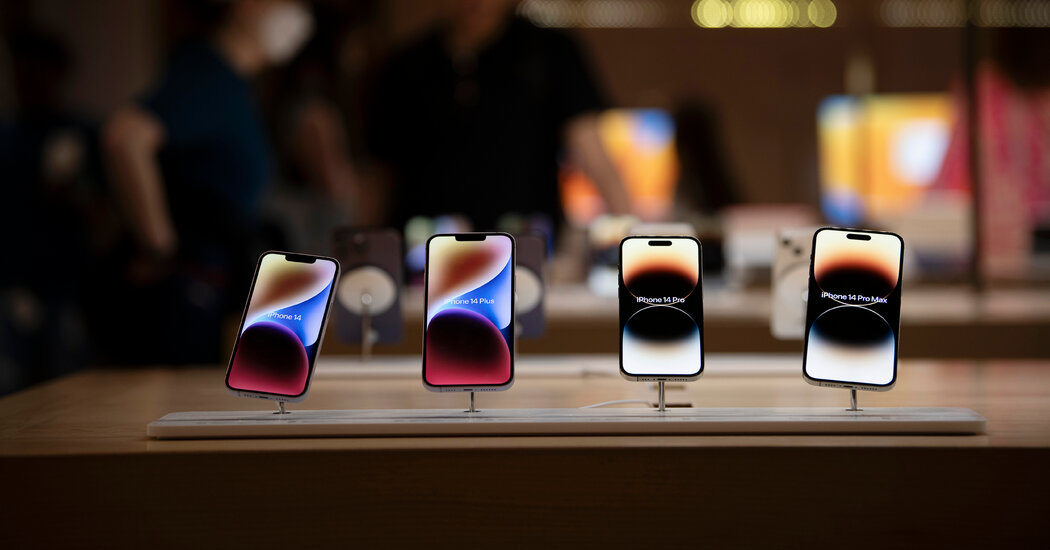
The U.S. Department of Justice is considering an antitrust lawsuit against Apple, alleging the company uses its hardware and software to hinder customers from switching to competitors and to suppress rival competition, such as limiting Apple Watch performance with non-iPhone devices and excluding competitors from iMessage. Apple defends its practices, emphasizing its contribution to opportunities for various stakeholders. The potential lawsuit would add Apple to the list of major tech companies facing legal challenges. Additionally, Apple is involved in a patent dispute with medical device maker Masimo over the blood-oxygen sensor technology in its smartwatches.
The US Department of Justice is reportedly nearing the end of an antitrust investigation into Apple, focusing on the company's practices that potentially lock customers into its ecosystem, such as restrictions on iMessage and the interoperability of the Apple Watch with non-Apple devices. The DOJ may file a lawsuit against Apple as early as the first half of 2024. This comes amidst broader antitrust actions against other Big Tech firms like Amazon and Google. Apple has not yet commented on the matter.
OpenAI is seeking to license news articles for AI training, following Apple's lead, but with lower financial offers. The move comes as OpenAI faces a lawsuit from The New York Times for copyright infringement. OpenAI has proposed deals between $1 million and $5 million, while Apple has offered at least $50 million for similar licenses. Both companies aim to use the content to improve their AI models, with OpenAI emphasizing respect for content creators' rights and exploring new revenue models amidst legal challenges.
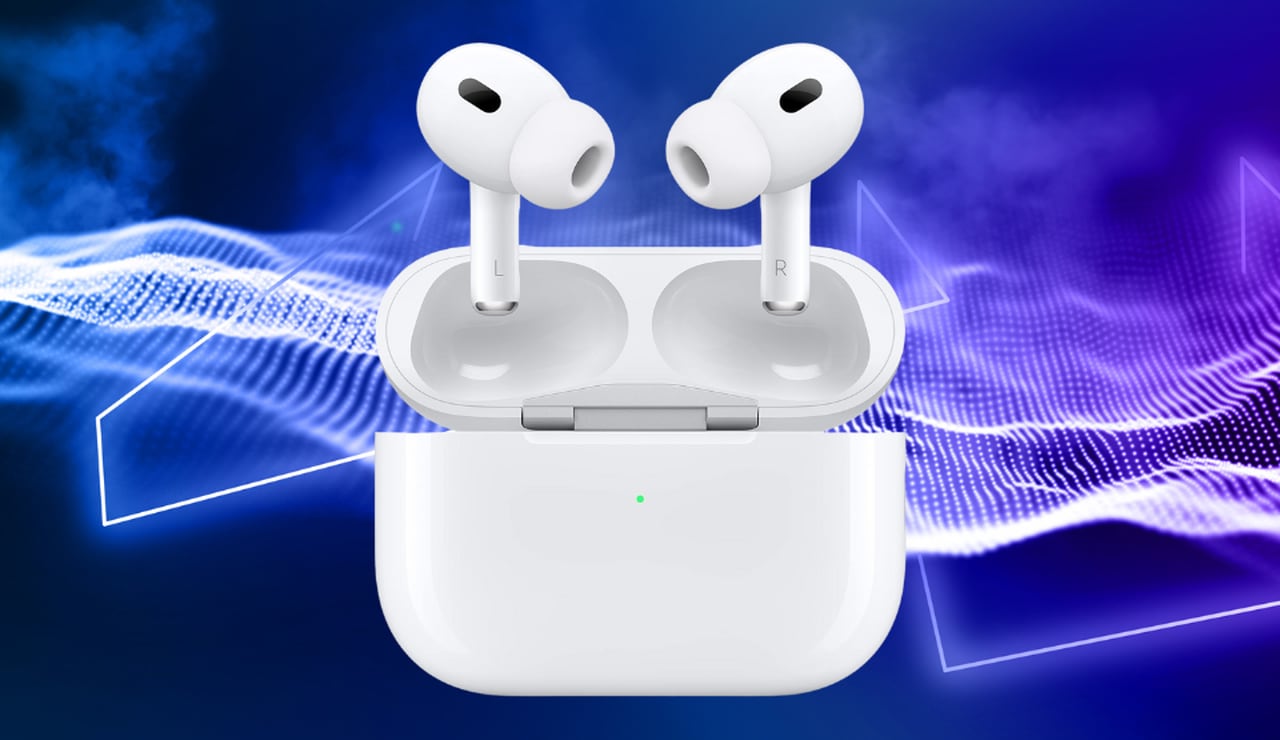
Amazon has reduced the price of the Apple AirPods Pro (2nd Gen) to $189, matching the low price from October Prime Day 2023, offering a 24% discount off the regular price of $249. The AirPods Pro feature enhanced noise cancellation, improved transparency mode, and come with a MagSafe charging case that provides up to 30 hours of battery life. This deal is part of Amazon's continued offerings on Apple products, which also include discounts on the Apple Watch SE, iPad, MacBook Air, and AirTags.
The U.S. Justice Department is nearing the end of its antitrust investigation into Apple, potentially leading to a significant lawsuit against the tech giant. The focus is on Apple's use of its control over iPhone hardware and software to stifle competition and maintain customer loyalty through integrated services like Apple Watch and Apple Pay. This could be the most substantial federal antitrust action against Apple, following similar lawsuits against other tech leaders like Google, Amazon, and Meta. Apple's business practices, including restrictions on iMessage and the App Store, are under scrutiny, with no final decision yet on the lawsuit's filing or its contents.
The "Magnificent Seven" tech stocks, including Nvidia, Microsoft, Apple, Amazon, Alphabet, Meta, and Tesla, experienced significant gains in 2023, largely due to advancements and investments in generative AI. Nvidia's stock soared with its powerful processors, while Microsoft integrated AI into its Office 365 suite and invested heavily in OpenAI. Apple is rumored to be developing its own AI chatbot and may launch an AI App Store. Google, caught off guard by the rise of generative AI, is now focusing on its new large language model, Gemini. Meta is enhancing user experience with new AI features, and Amazon is investing in AI startups and partnerships to bolster its cloud services. Tesla continues to leverage AI in its self-driving technology. The competition in AI among these tech giants is expected to intensify in 2024, with significant implications for their market positions and the tech industry at large.
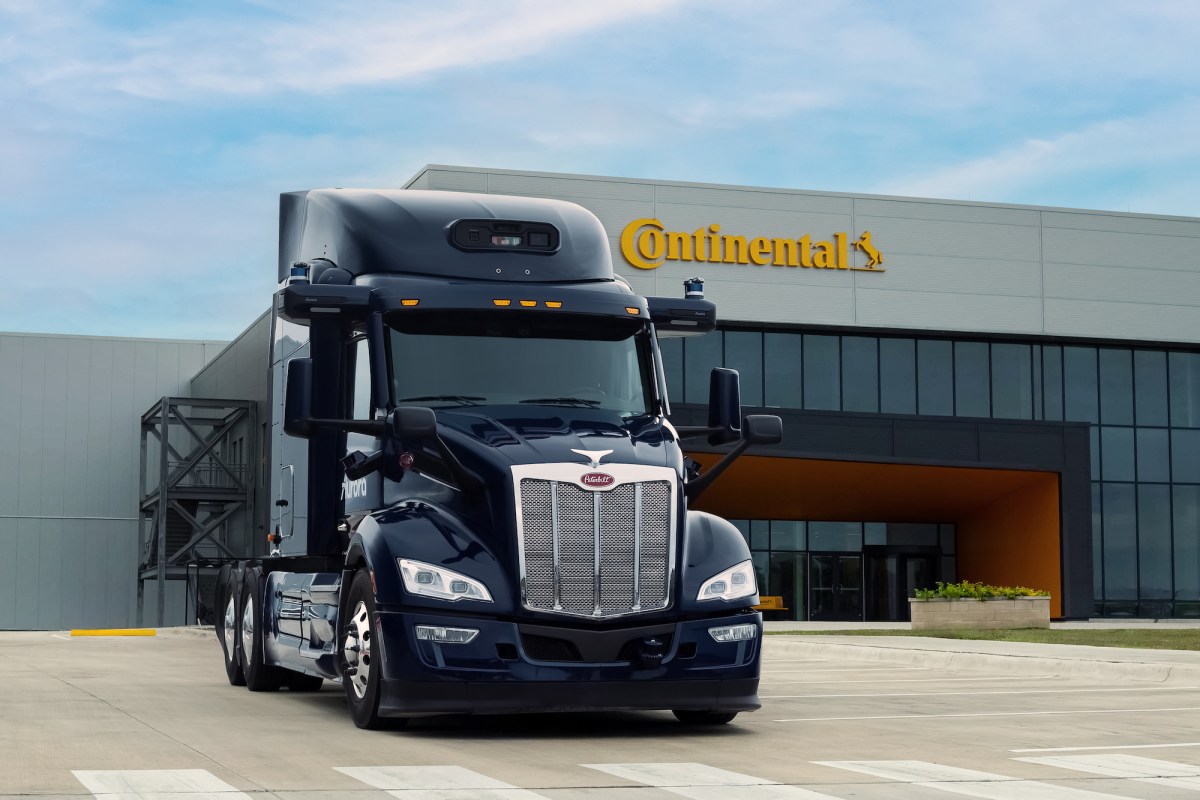
Aurora and Continental have completed the initial phase of their partnership to create hardware for autonomous commercial trucks, finalizing the design and system architecture, including a fallback system. They plan to showcase their progress at CES 2024 and aim to start mass production in 2027. Meanwhile, Aurora is set to launch up to 20 driverless trucks for freight between Dallas and Houston by the end of 2024, even before the new hardware kit is ready for mass production. This step is seen as crucial for Aurora's long-term profitability and the commercial viability of self-driving trucks.
In 2024, AI is set to drive significant changes in the workforce, focusing on inclusivity, equitable hiring and layoff processes, diversity in hiring and training, and employee upskilling. Workers with disabilities may benefit from AI-powered assistive technologies, while HR professionals aim to reduce hiring biases with AI tools. Regulatory challenges persist as AI technology advances rapidly, with calls for global collaboration to establish effective frameworks. Employees are encouraged to adapt and upskill to thrive alongside AI, which is becoming an integral part of the workplace.