A U.S. federal judge expressed concern over the Trump administration's secretive deportation of five West African men to Ghana, fearing they face torture and persecution, but stated she has no authority to intervene as they are now under Ghanaian custody.
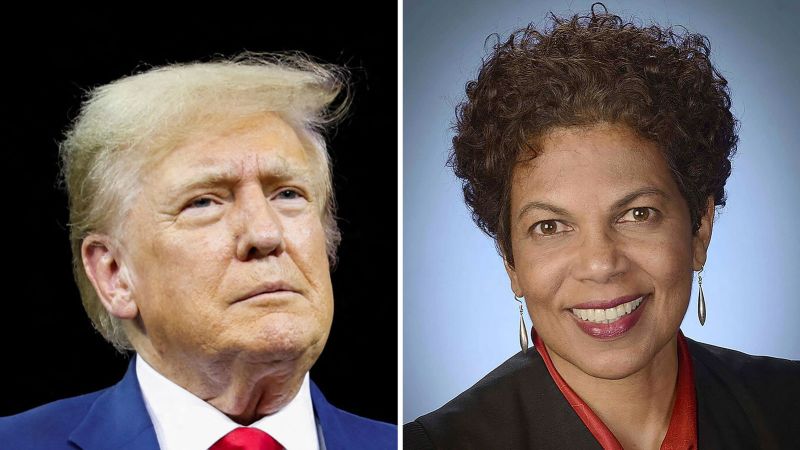
Judge Tanya Chutkan, presiding over Donald Trump’s criminal case, acknowledged the possibility of his trial extending into 2024 due to the ongoing uncertainty surrounding the timeline. The case has been on hold as a federal appeals court considers whether Trump should be deemed "immune" from charges related to his conduct as president. Chutkan emphasized that the schedule is largely out of her control and has called off the original March 4 trial date, indicating she will reset it "if and when" higher courts resolve the immunity issue. Despite proposals for a separate trial in Georgia, Chutkan has insisted that Trump's political calendar will not influence her decisions, emphasizing the weighty and urgent nature of the matter.
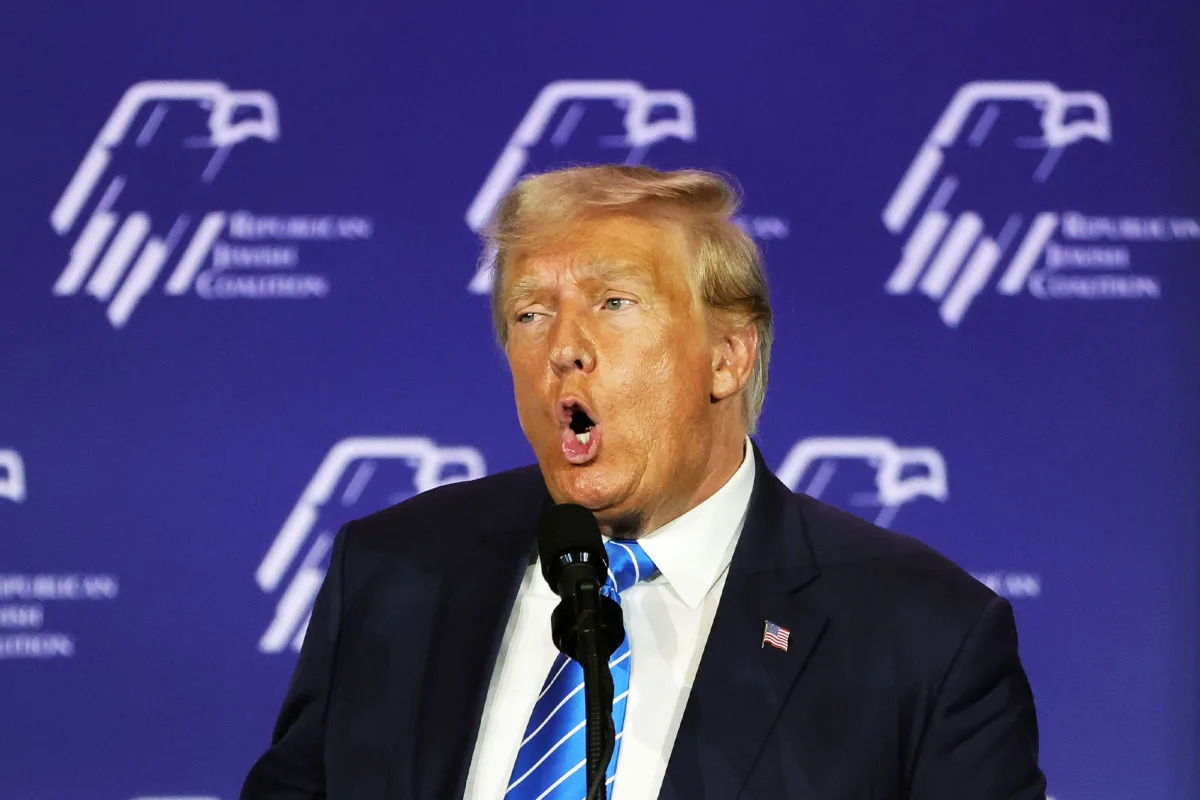
A US judge has delayed Donald Trump's federal trial on charges related to his alleged attempts to overturn the 2020 election results, citing an appeal by the former president claiming immunity from prosecution for actions taken while in office. The trial, originally set for March 4, has been postponed, with the judge prohibiting prosecutors from filing motions during the appeal process and granting Trump's legal team a seven-month preparation period. Trump faces over 90 criminal charges in various jurisdictions, including subversion of the election, illegal retention of government secrets, and hush-money payments, as well as a separate order to pay damages to E Jean Carroll for defamation and sexual abuse allegations.
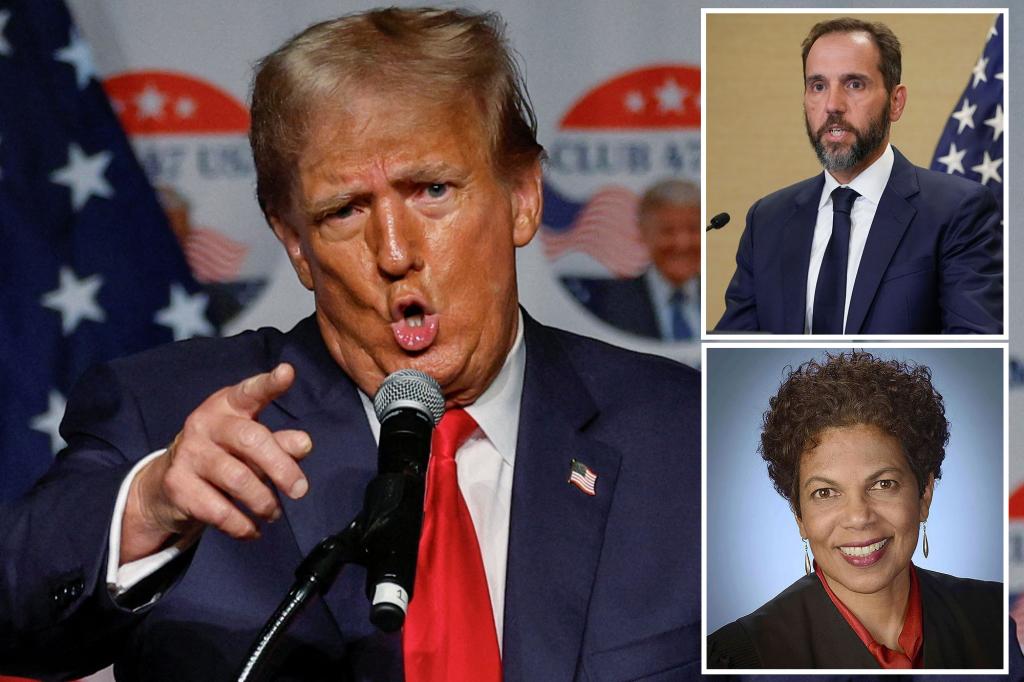
Special counsel Jack Smith and U.S. District Judge Tanya Chutkan, involved in the 2020 election case against former President Donald Trump, were targeted in apparent "swatting" attempts, with false reports of shootings prompting law enforcement responses to their homes. The FBI has warned about the dangers and costs of such incidents, which have also affected other public figures. Chutkan, who is overseeing the case against Trump, previously received a threatening voicemail and is now dealing with bomb threats to state capitols, while the trial is set to begin in March.
Tanya Chutkan, the judge overseeing Trump's federal election interference case, was the apparent victim of a "swatting" attempt when police and fire trucks responded to false reports of a shooting at her home. This incident comes amid an uptick in threats against judges, including those involved in cases related to Trump. Chutkan has faced threats in the past, including a recent arrest of a woman who allegedly left a threatening voicemail. Trump has also targeted Chutkan on social media, leading to a gag order imposed against him. The incident highlights the ongoing security concerns for judges, prompting recent legislation to enhance their protection.
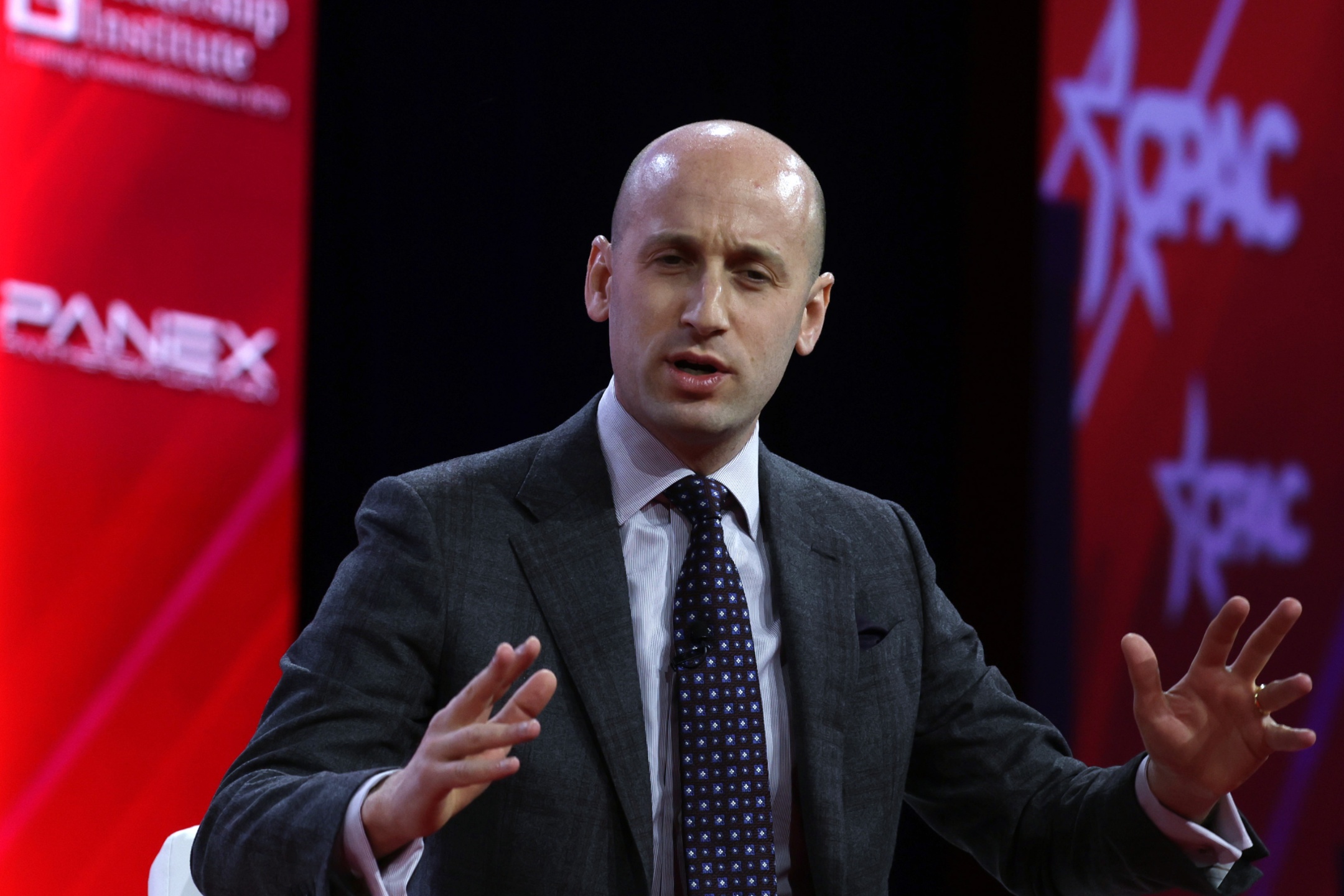
Former adviser to Donald Trump, Stephen Miller, criticized U.S. District Judge Tanya Chutkan's ruling that presidents can be charged after leaving office. Chutkan stated that Trump was not immune from prosecution in a federal election interference case. Miller argued that revoking presidential immunity gives far-left judges, juries, or prosecutors the power to veto the actions of a democratically elected president. He claimed that this framework is anti-constitutional and anti-democratic, and that conservatives who do not speak out against it are uninterested in preserving the republic. Miller also argued that if immunity only applies to acts agreed upon by Democrat partisans, then there is no immunity for Republican officeholders.
U.S. District Judge Tanya Chutkan has rejected former President Donald Trump's claim of immunity from criminal liability for actions taken while in office, denying a motion to dismiss his federal election interference case. Chutkan stated that being a former president does not grant immunity from federal criminal liability and dismissed arguments that the indictment violated Trump's free speech rights. This ruling comes after a federal appeals court also struck down a similar immunity claim in civil lawsuits related to the January 6 Capitol insurrection. The trial for the federal election interference case is scheduled for March, but Trump's defense team is expected to appeal, potentially delaying the trial beyond the 2024 election.
U.S. District Judge Tanya Chutkan has ordered former President Donald Trump to declare whether he plans to argue that he was acting on the advice of his lawyers in his D.C. election subversion case. Chutkan's order partially grants a motion from special counsel Jack Smith's team, stating that if Trump invokes the advice-of-counsel defense, he waives attorney-client privilege and must turn over relevant documents to the prosecution. Legal experts suggest that the order puts Trump in a difficult position, as he will have to disclose private communications with his attorneys or risk not being able to advance the defense. They also note that it may be challenging for Trump to convince the judge to permit him to use the advice-of-counsel defense at trial.
U.S. District Court Judge Tanya Chutkan has reimposed a gag order on former President Donald Trump ahead of his trial over his reported efforts to undermine the 2020 presidential election. The order, which limits Trump from targeting court staff, special counsel's staff, potential witnesses, and their families, will remain in place while his legal team appeals. Trump responded with a late-night rant on Truth Social, claiming his First Amendment rights were being violated and criticizing the judge and potential witnesses. Chutkan's decision came after concerns were raised that Trump was using the pause in the gag order to target witnesses in his social media posts.
U.S. District Court Judge Tanya Chutkan's gag order against former President Donald Trump raises questions about enforcement and potential punishments for defying the order. The order restricts Trump from publicly berating special counsel Jack Smith, court staff, or any foreseeable witness. Chutkan could potentially limit Trump's use of social media, but any such measures may be seen as political persecution. The order also applies to "interested parties," which could complicate matters when Trump's allies launch attacks. The order does not clearly define the term "target," leaving uncertainty about the scope of permissible speech. Former Vice President Mike Pence is exempt from certain restrictions due to his role as a possible witness and political rival. Trump's legal team has filed an appeal, but the outcome is uncertain given the lack of legal precedent for defendants challenging gag orders in criminal cases.
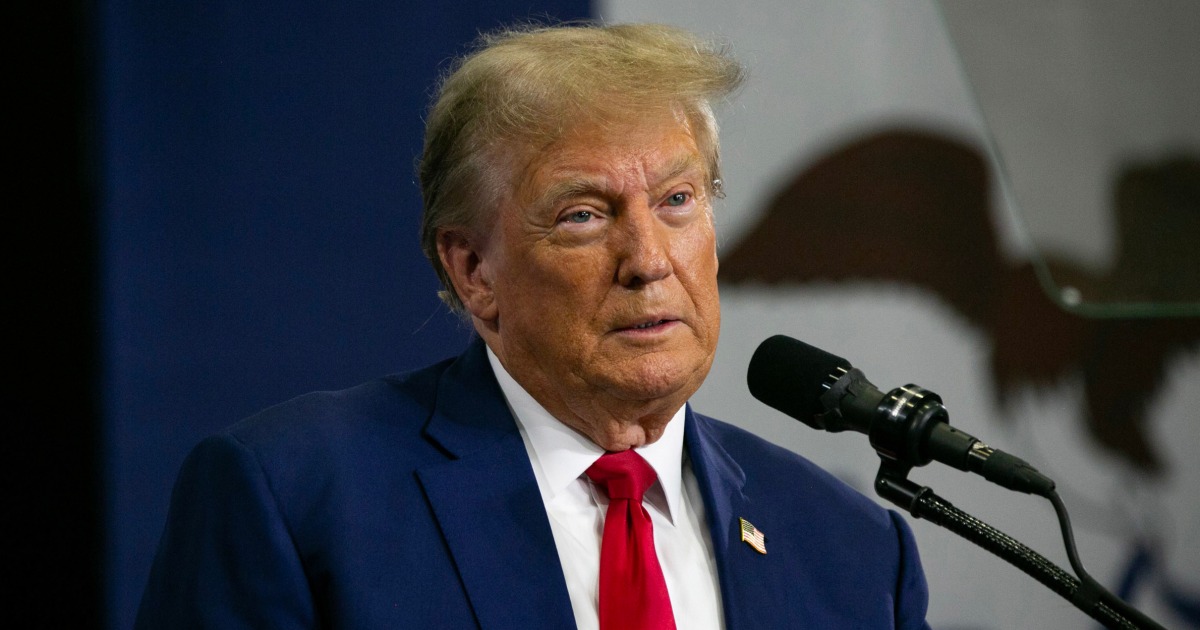
Former President Donald Trump has been issued a partial gag order by US District Judge Tanya Chutkan in the federal Jan. 6 case, preventing him from making statements criticizing prosecutors, court staff, their families, or discussing possible witnesses or testimony. However, the order does not restrict Trump from attacking the Justice Department or claiming the case is politically motivated. Trump criticized the order as unconstitutional and vowed to appeal. The judge warned of potential sanctions if the order is violated. Trump is facing multiple criminal indictments and is scheduled for trial on March 4, 2024.
A federal judge in Washington, DC, Tanya Chutkan, is considering whether to issue a gag order against former President Donald Trump following his comments against prosecutors, potential witnesses, and the judge overseeing the election subversion case. Trump's attorneys argue that the proposed order violates his First Amendment rights and is an attempt by the Biden administration to silence him. Prosecutors claim that Trump's attacks could lead to witness intimidation. If restrictions are imposed, they may be challenged in appeals, along with claims that the federal cases against Trump are being rushed.
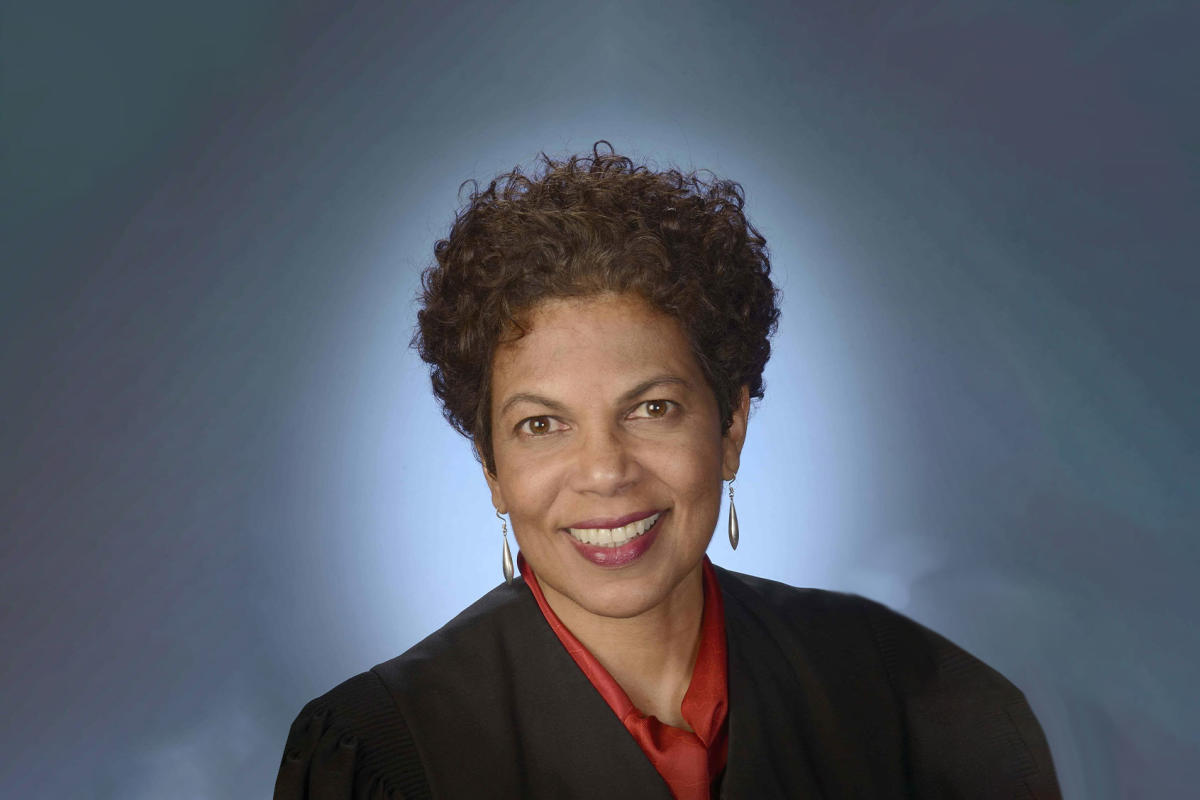
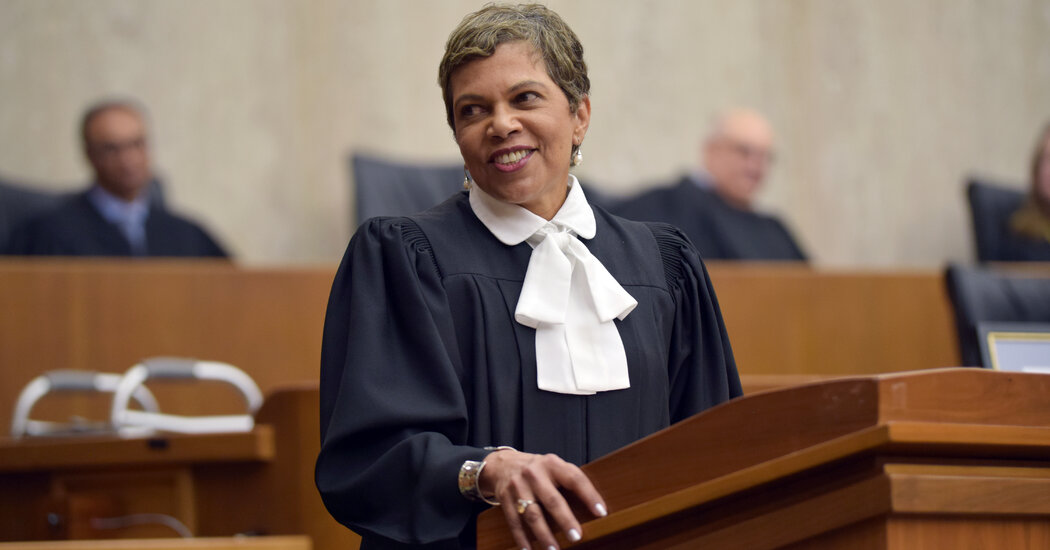
Judge Tanya S. Chutkan, a former public defender and civil litigator, will be overseeing the first federal trial of former President Donald J. Trump on charges of conspiring to overturn the 2020 election. Despite facing criticism and threats, Judge Chutkan has shown no signs of being intimidated and has refused to recuse herself from the case. She has treated Trump like any other defendant and has ordered jail time for several Jan. 6 defendants. With her extensive trial experience and upbringing in a prominent Jamaican family, Judge Chutkan brings a commanding presence to the courtroom.
Federal Judge Tanya Chutkan, who is overseeing Donald Trump's trial related to his speech on the day of the Capitol riot, has refused to recuse herself from the case. Critics argue that Chutkan, an Obama-appointed judge, has shown bias against Trump and his supporters in her previous rulings. They point to her reputation as a tough punisher of Capitol rioters and her dismissal of comparisons between the Capitol violence and the summer of 2020's leftist violence and unrest. Chutkan also shrugged off Trump's claims of election interference by the Department of Justice, stating that the orderly administration of justice takes precedence over his political campaign.
Former President Donald Trump's legal team has once again argued for US District Judge Tanya Chutkan to recuse herself from the criminal case against him related to the 2020 election. Trump's lawyers claim that his political successes make the prosecution politically biased and that Chutkan, known for her handling of January 6 riot cases, should no longer preside. While the request is unlikely to succeed, Trump's filings could be used in appeals if he is convicted. Trump has also faced a request from federal prosecutors to limit his public speaking about the case due to alleged harassment caused by his social media attacks.