The Secret Service uncovered a vast network of over 100,000 SIM cards and 300 servers near New York City capable of causing widespread cell service disruption and potentially enabling criminal activities, highlighting a significant threat to national security and emergency communications.
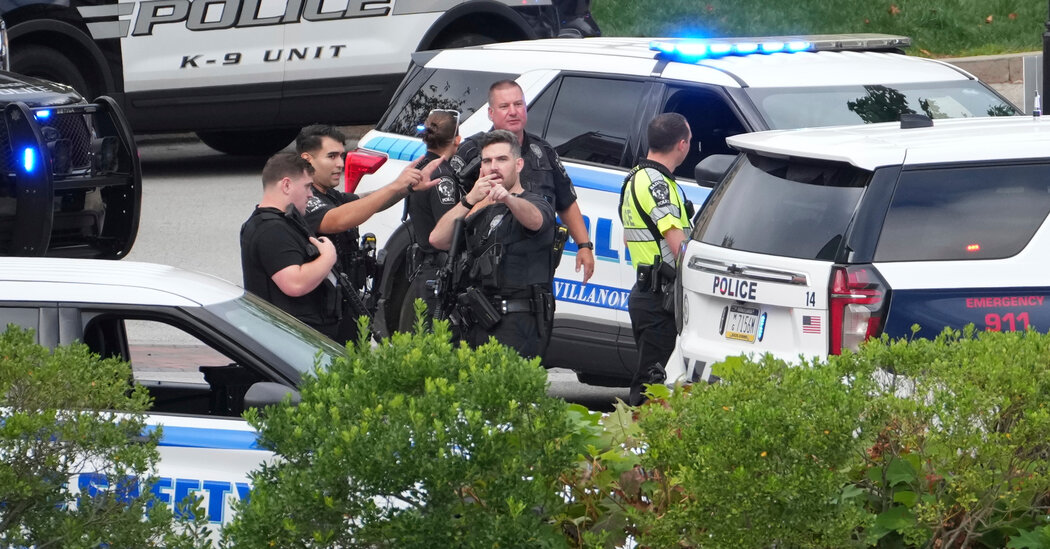
An online group called Purgatory claimed responsibility for recent swatting incidents at U.S. college campuses, including Villanova, by making false emergency calls to draw law enforcement to these locations. The group used Telegram to publicize their actions, but their claims remain unverified, and authorities suspect their involvement in multiple hoaxes.
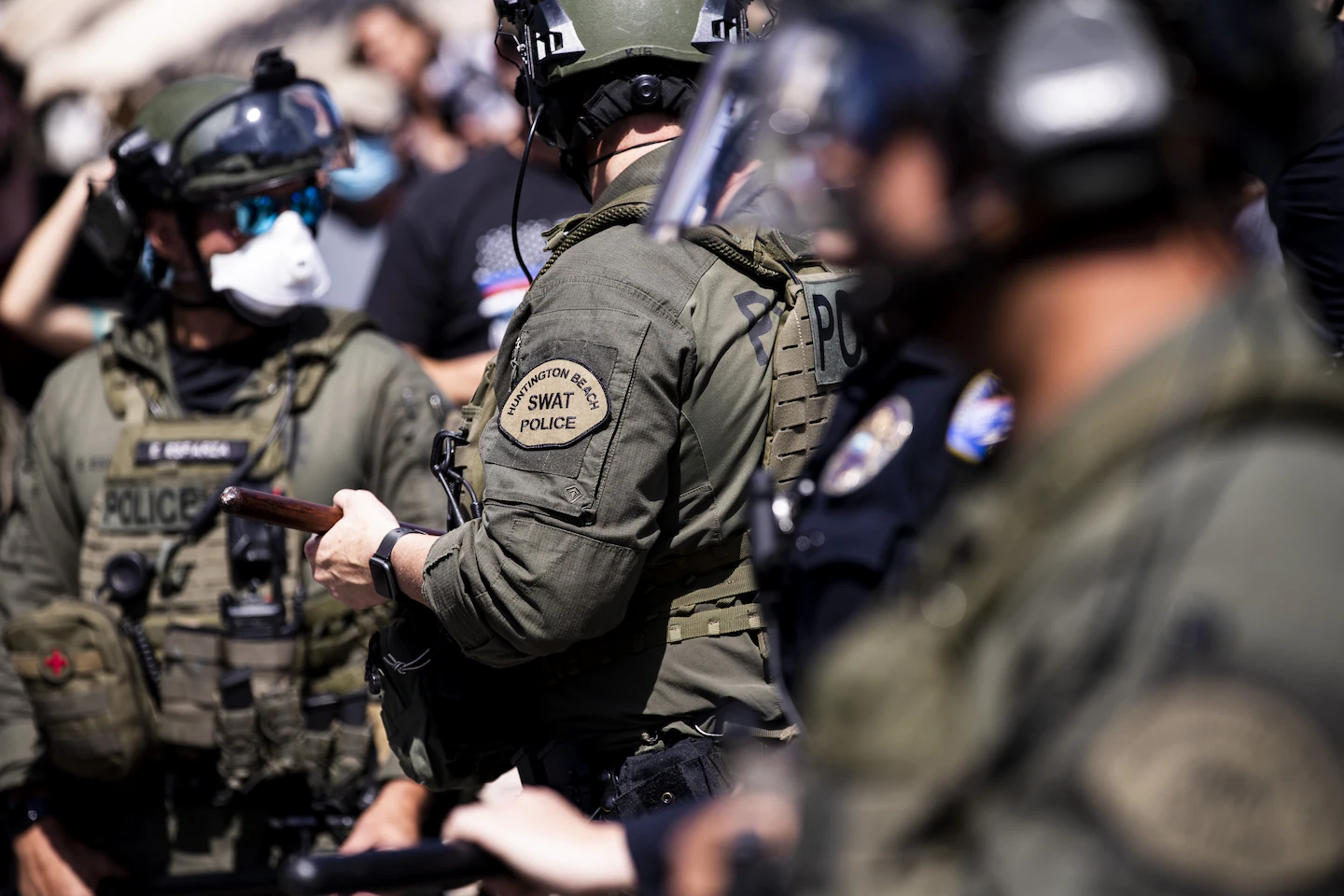
The FBI is investigating a surge in swatting hoaxes at US universities, causing chaos and risking safety, as authorities urge vigilance and report suspicious activity to prevent further incidents.
A series of false active shooter reports, known as swatting, have disrupted multiple college campuses across the U.S., causing lockdowns and police responses, with authorities warning about the dangers and increasing frequency of such hoaxes.
A wave of false active shooter reports at universities across the U.S. has caused widespread panic and law enforcement responses, highlighting the growing problem of swatting and its impact on campus safety and resources.
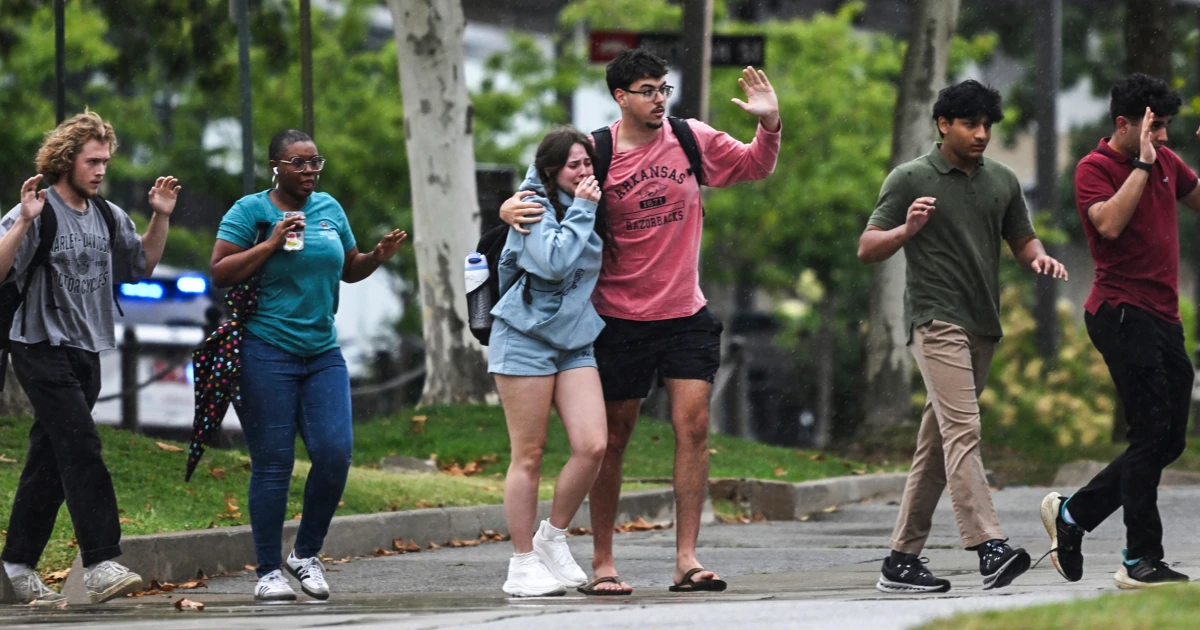
Several universities across the U.S. experienced hoax reports of active shooters at the start of the fall semester, which were later confirmed to be false or swatting calls, prompting police responses and campus alerts.
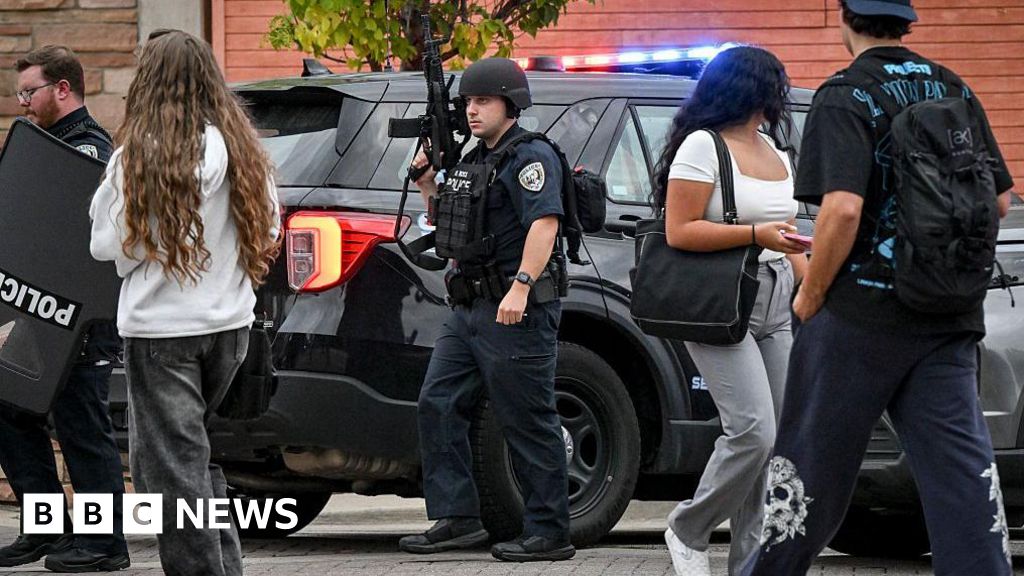
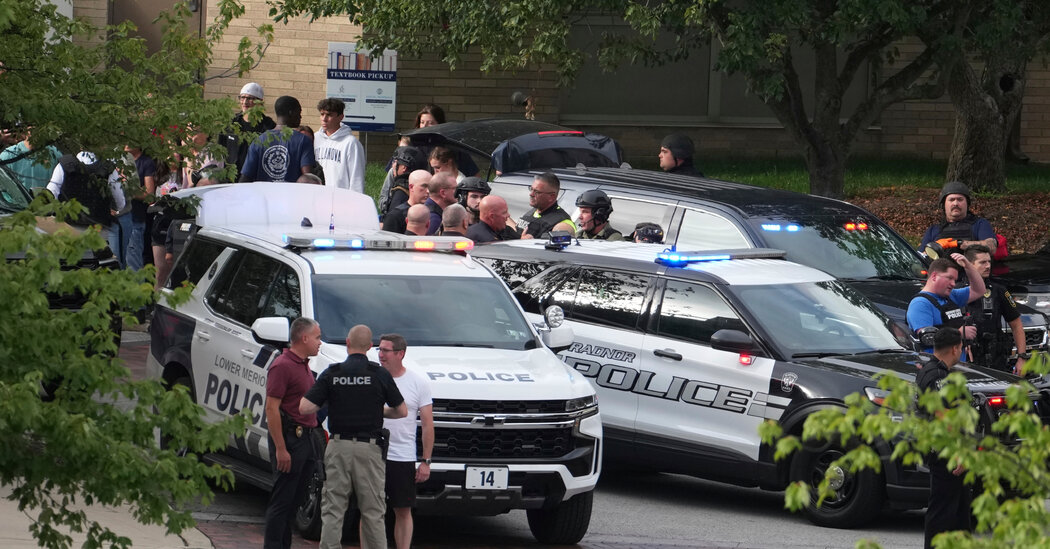
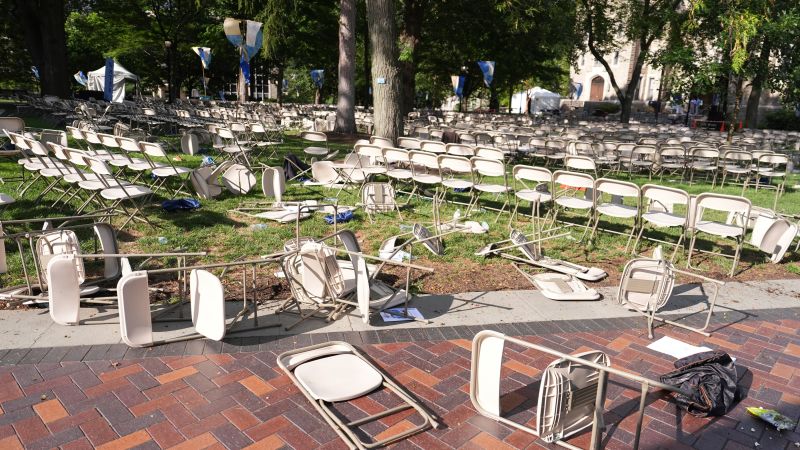
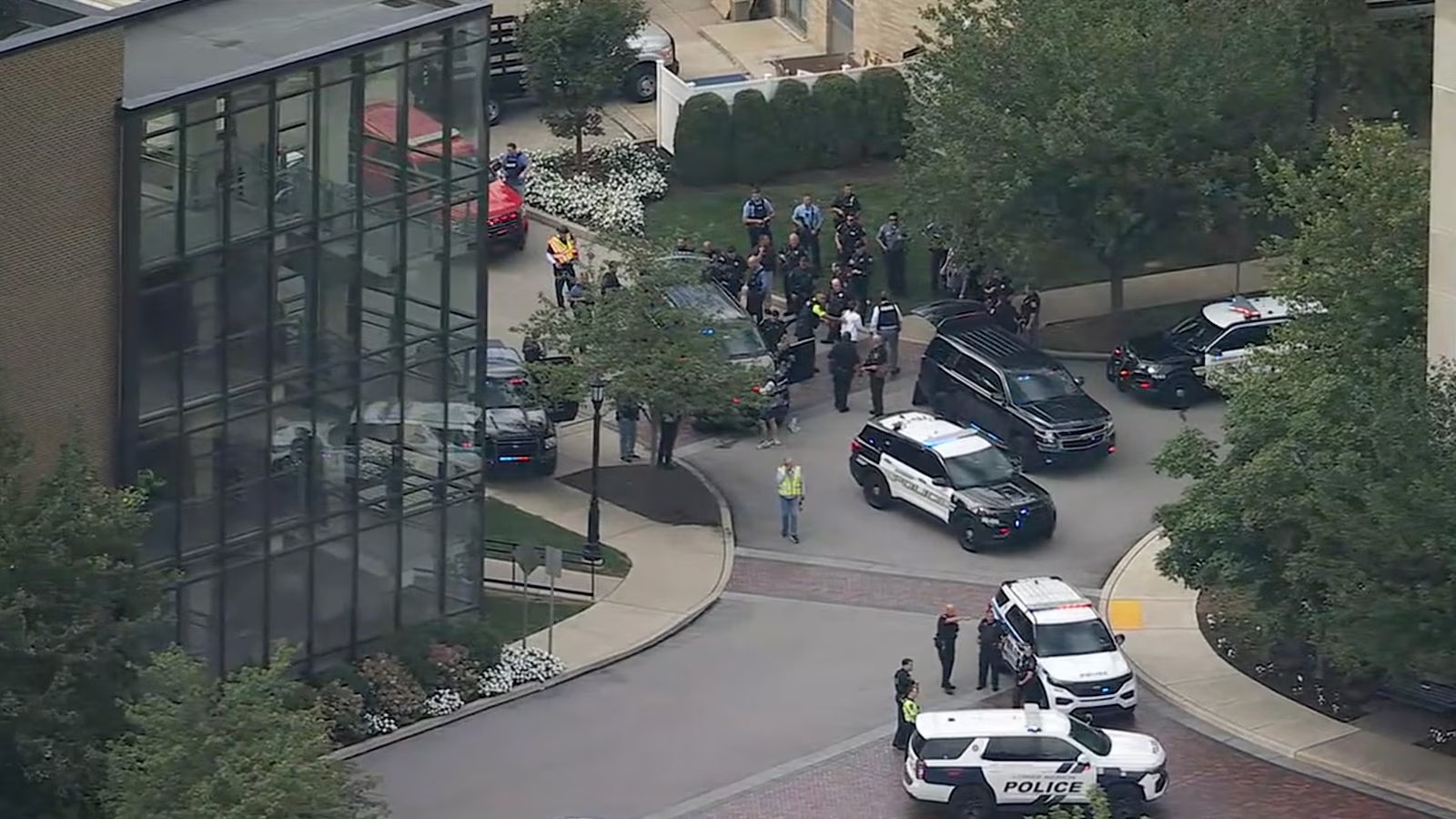
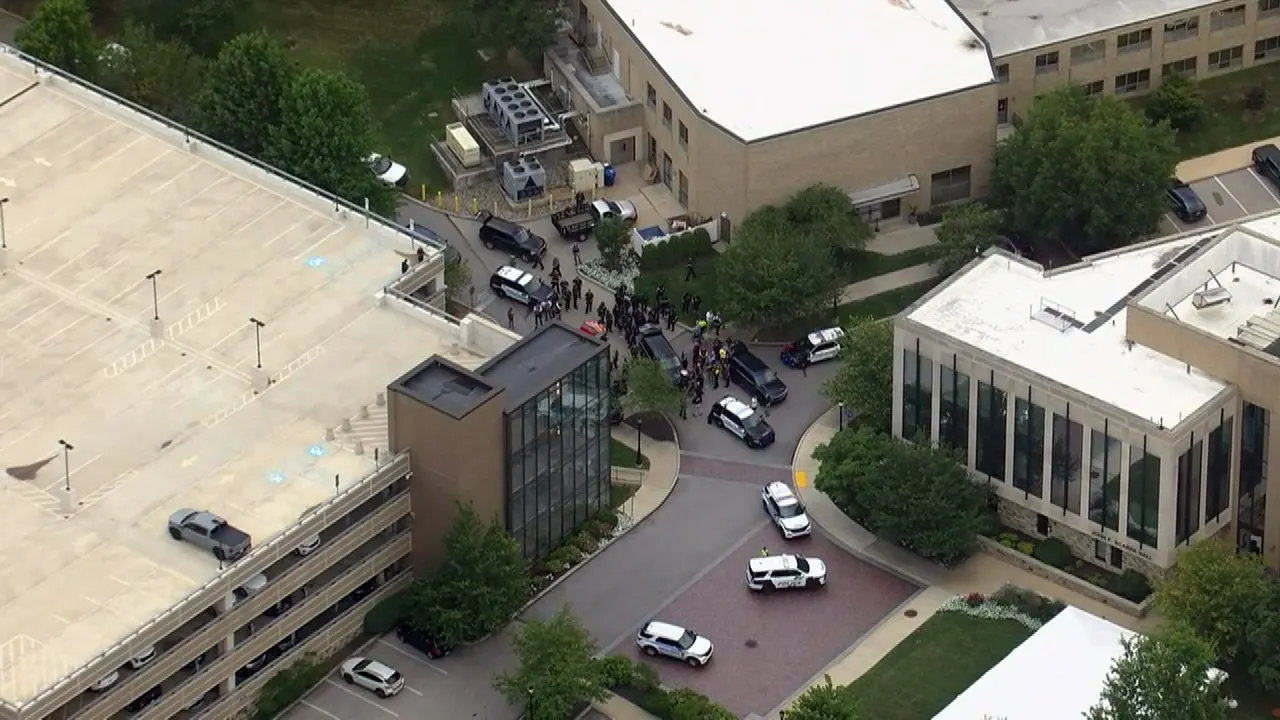
Villanova University was targeted by a false active shooter report for the second time in four days, prompting a police response and campus evacuation, which was later confirmed to be a hoax. The incidents are under investigation, and authorities are working to identify those responsible.
Villanova University was the target of a false active shooter report caused by a swatting incident, prompting a large law enforcement response that was ultimately unnecessary. The false calls, which included gunshot sounds and a wounded person, led to a shelter-in-place order that was later lifted, with investigations ongoing to identify those responsible.
Thomasz Szabo, a Romanian citizen, pleaded guilty to leading a conspiracy that involved making false threats and swatting at numerous U.S. officials, including members of Congress and government agencies, with investigations and extradition efforts supported by multiple U.S. agencies and Romanian authorities.
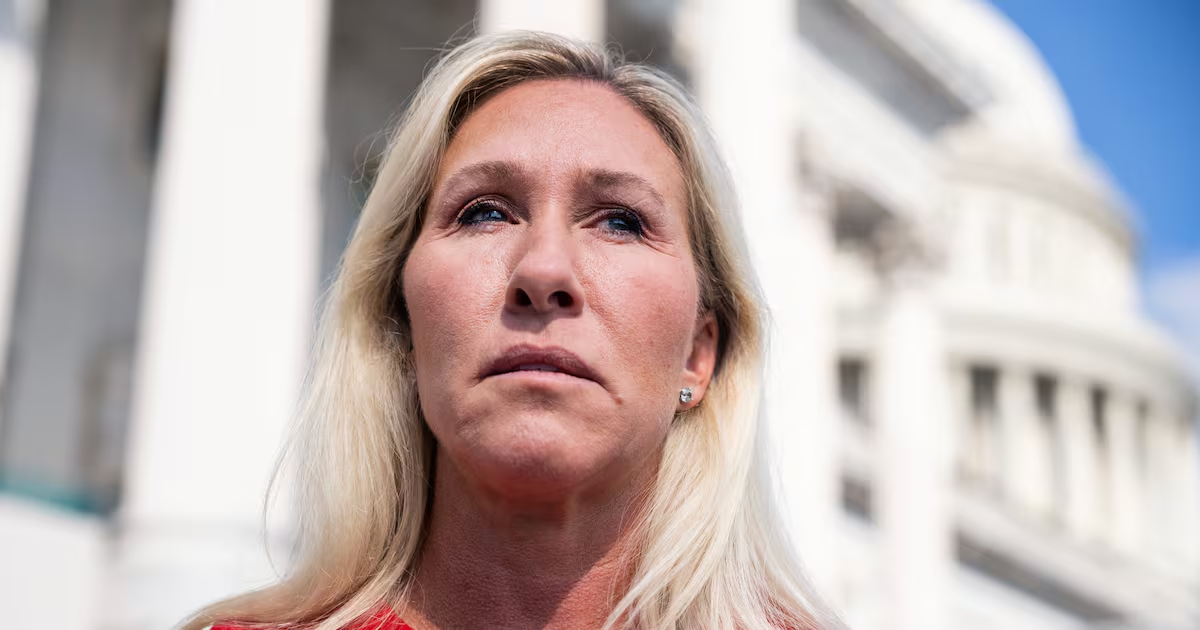
A woman died in Georgia after a police officer responding to a hoax pipe bomb threat involving Congresswoman Marjorie Taylor Greene collided with her car. The threat, sent from a Russian IP address, falsely claimed a bomb was in Greene's mailbox, prompting a bomb squad response. This incident marks the ninth swatting attempt against Greene. The officer involved in the crash suffered minor injuries, while the FBI is investigating the threat. Greene expressed condolences and emphasized the strain such threats place on law enforcement.
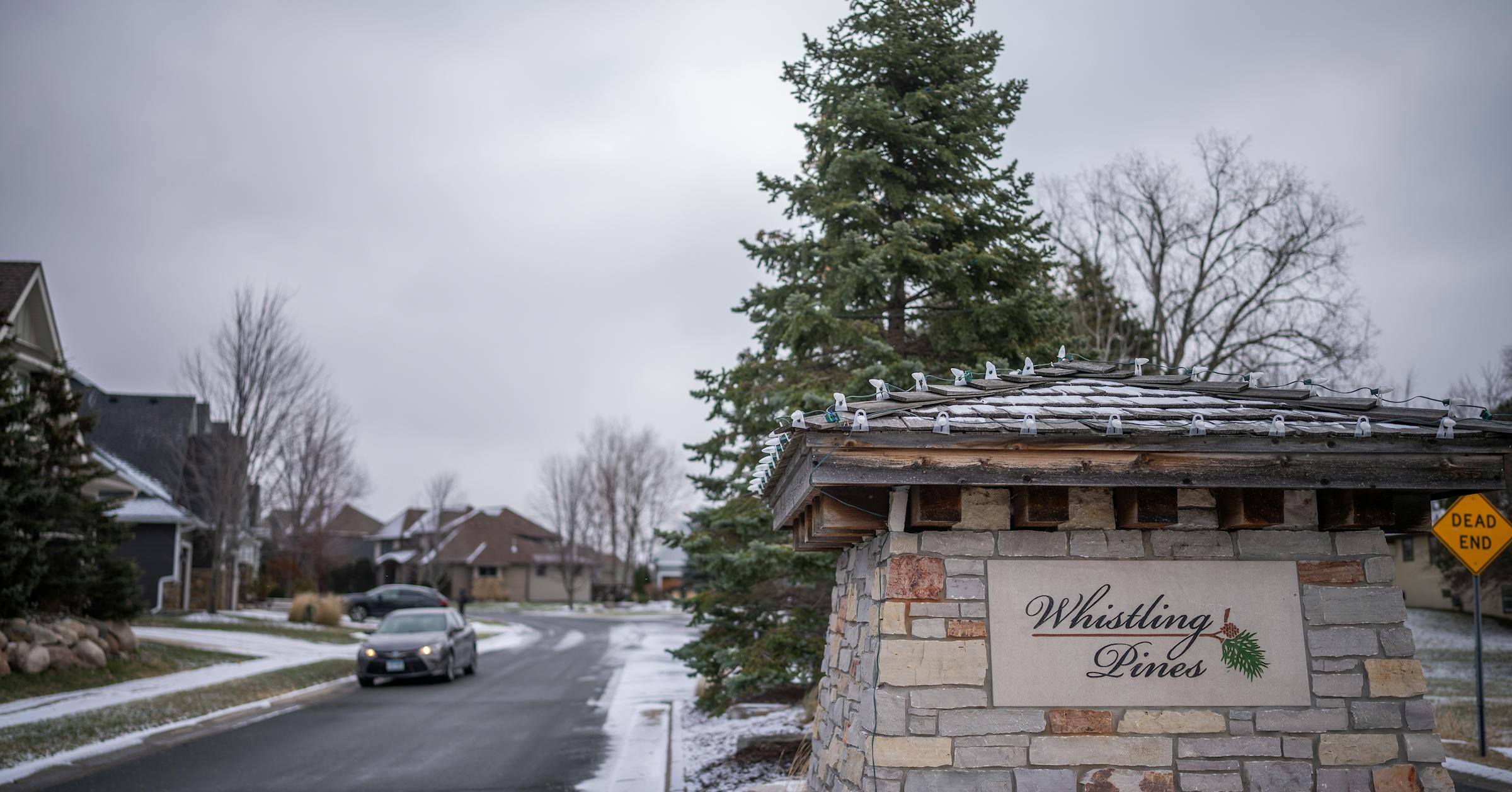
A day after UnitedHealthcare CEO Brian Thompson was killed in New York City, two homes owned by his family in Maple Grove, Minnesota, were targeted by a fake bomb threat, which police classified as a 'swatting' incident. No suspicious items were found, and the case remains under investigation. Swatting, the act of falsely reporting an emergency to provoke a police response, has been elevated to a felony in Minnesota. Meanwhile, New York police are searching for a suspect in Thompson's murder, which they believe was a targeted attack.
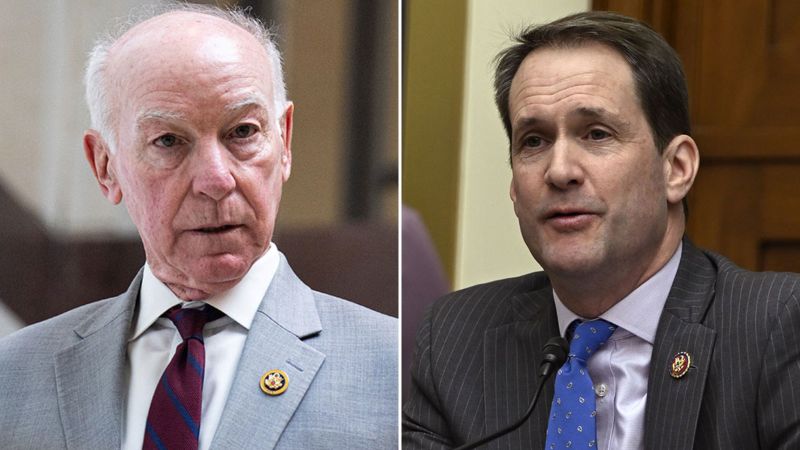
Democratic lawmakers and their families have been targeted with bomb threats and swatting incidents, reportedly signed with 'MAGA,' prompting calls for increased protection. The FBI is investigating, and no devices have been found. Lawmakers like Reps Rosa DeLauro, Jahana Hayes, Jim Himes, and Seth Magaziner have reported threats, reflecting a rise in security incidents against Congress members. Despite the threats being deemed non-credible, concerns about violence against public officials persist amid growing disrespect for civic institutions.
Four Democratic representatives from Connecticut, including Joe Courtney, Jim Himes, John Larson, and Jahana Hayes, received bomb threats while home for Thanksgiving. Law enforcement found no evidence of bombs, and all families are safe. These threats follow similar incidents targeting Trump administration appointees and highlight the increasing trend of threats against public figures. Lawmakers condemned the threats, emphasizing the need for peace and civility. The FBI is investigating these incidents, which are often linked to swatting, a criminal hoax involving false emergency reports.
Swatting, a dangerous harassment tactic involving false reports to prompt police action, has been used against some of President-elect Donald Trump's Cabinet picks, according to the FBI. This tactic has led to chaotic and sometimes deadly situations, highlighting its persistent threat to high-profile individuals.
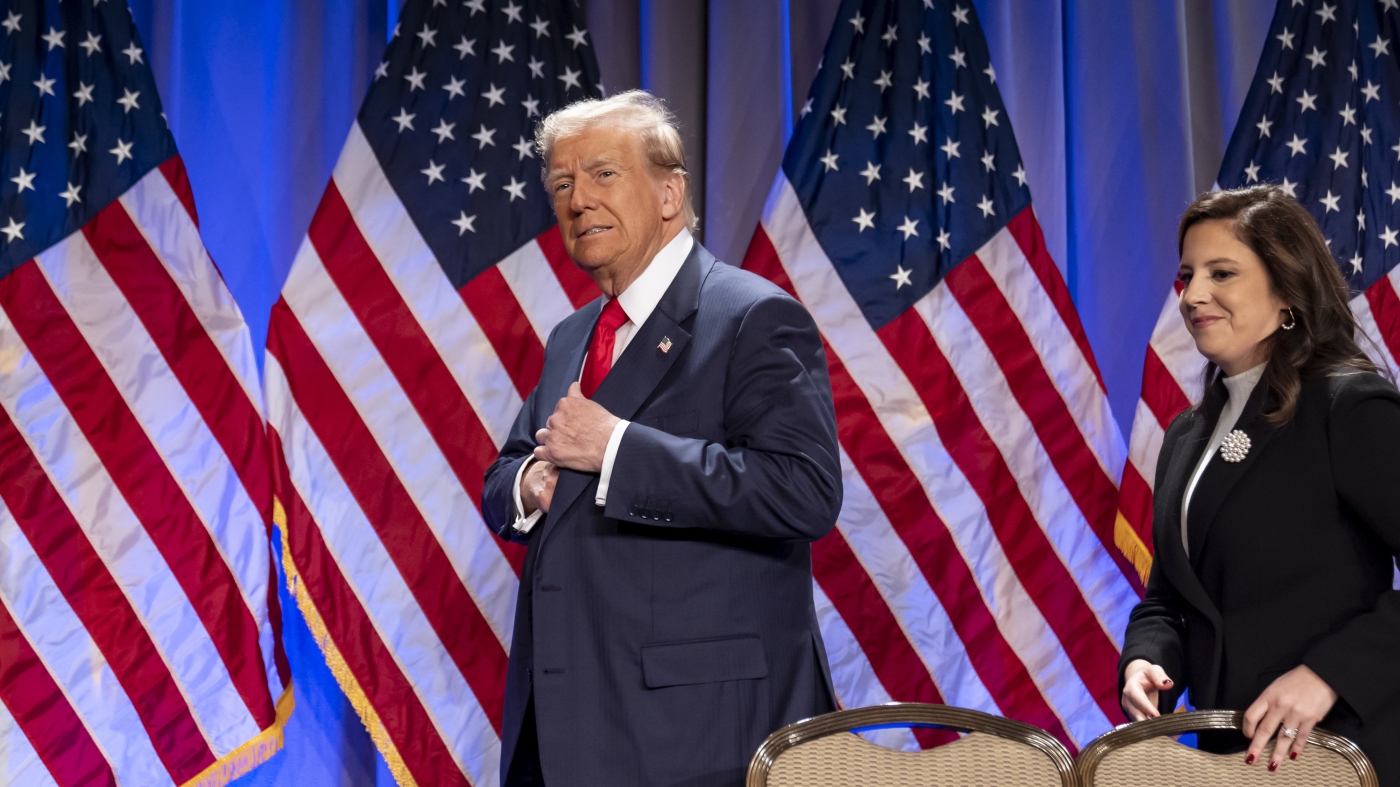
President-elect Donald Trump's transition team reported that several of his Cabinet picks and appointees have been targeted by bomb threats and swatting attacks, prompting an FBI investigation. Among those targeted were Elise Stefanik, Matt Gaetz, Lori Chavez-DeRemer, and Lee Zeldin. The threats follow a campaign marked by violence, including assassination attempts on Trump. The White House and law enforcement are monitoring the situation, condemning the threats as dangerous and un-American.