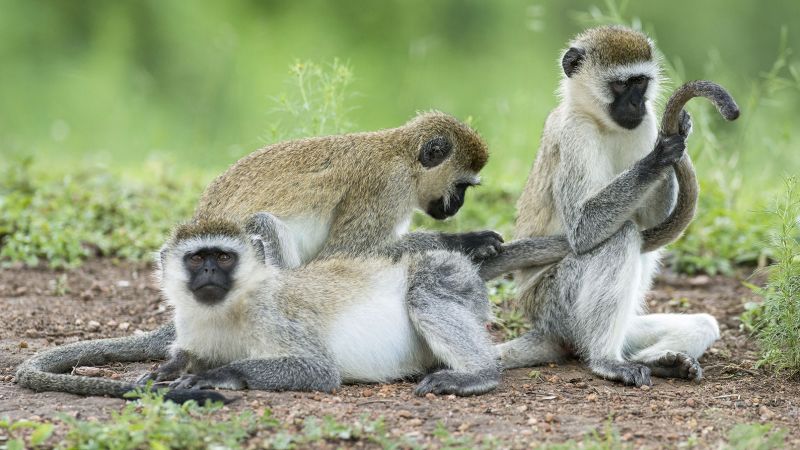
Uncovering the Mystery of Human Taillessness: Surprising Insights from Unlikely Sources
Scientists have discovered that the loss of tails in humans and great apes can be traced back to a genetic sequence called Alu element, previously dismissed as junk DNA, which disrupted the TBXT gene associated with tail length. This finding challenges previous hypotheses and sheds light on the genetic mechanism behind taillessness. The study also suggests implications for understanding neural tube malformations during human fetal development and may provide insights into the evolution of bipedalism. While the "why" of tail loss remains an open question, the research highlights the significance of genetic factors in shaping human anatomy and evolution.