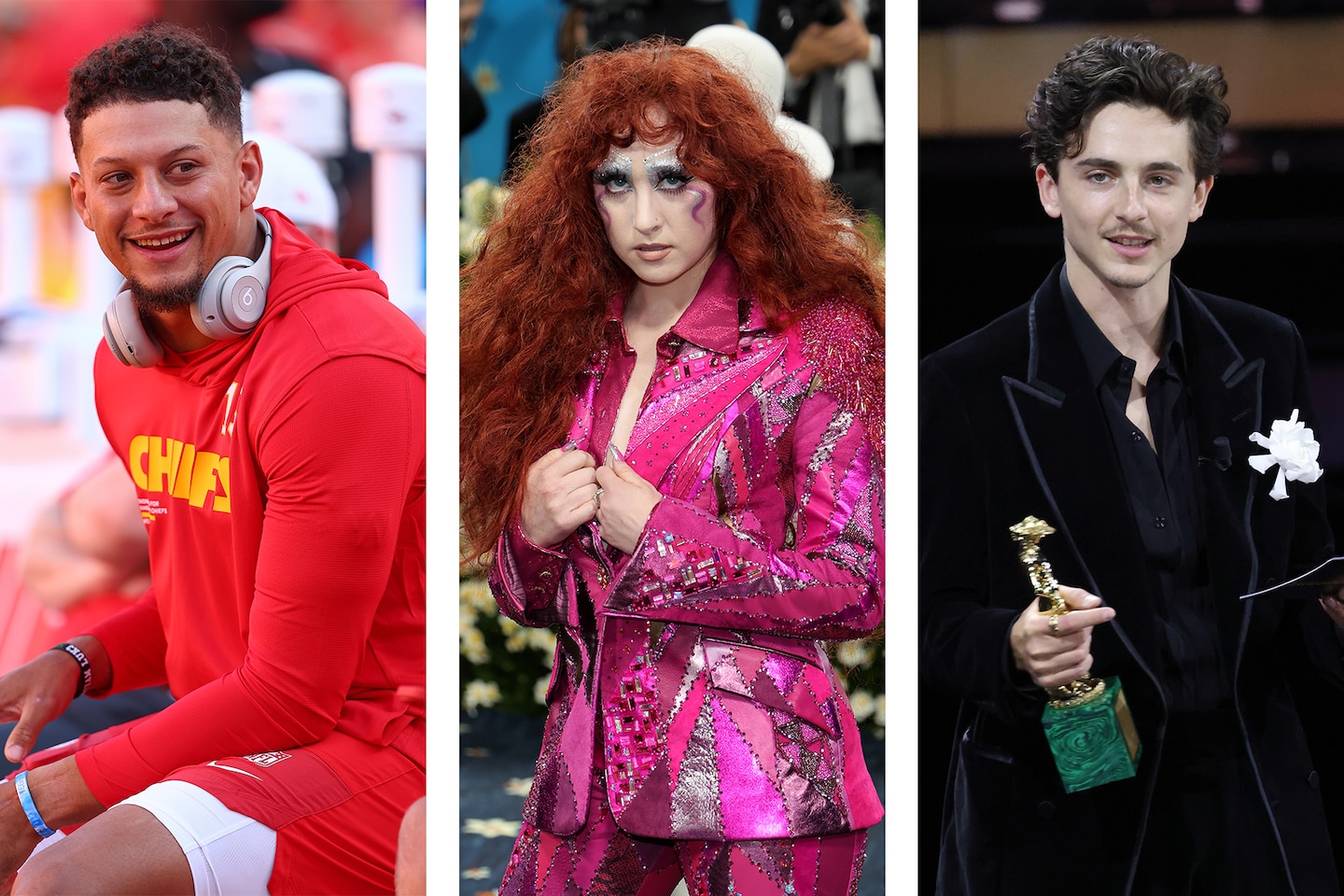
Fake Celebrity Chatbots Send Risqué Messages to Teens on Popular AI App
Fake celebrity chatbots created by users of Character.AI sent risqué messages to teenagers using synthetic voices, raising concerns about safety and misuse of AI technology.

All articles tagged with #synthetic voices
Fake celebrity chatbots created by users of Character.AI sent risqué messages to teenagers using synthetic voices, raising concerns about safety and misuse of AI technology.
OpenAI has developed Voice Generation, an AI tool that can create synthetic voices from just 15 seconds of audio, currently being used in the Read Aloud feature in the ChatGPT app. While the technology has potential for educational and accessibility purposes, concerns about misuse and spreading misinformation have led OpenAI to limit its preview and conduct further research on responsible deployment. The tool's capabilities raise issues with voice authentication and potential scams, highlighting the need for society to adapt to these new capabilities.
OpenAI has developed Voice Engine, a text-to-speech AI model that can create synthetic voices based on a 15-second segment of recorded audio, but the company has decided to hold back its wide release due to concerns about potential misuse. While the technology has potential benefits such as providing reading assistance and supporting non-verbal individuals, the ability to clone voices raises ethical and security concerns, including potential misuse in phone scams and security breaches. Despite the decision to delay wide release, the implications of voice-cloning technology continue to prompt discussions about AI ethics and societal resilience.

As video game studios experiment with AI tools to generate synthetic voices for characters, some professional actors are concerned about being replaced, while others are open to the idea if fairly compensated and their voices aren't misused. The Screen Actors Guild-American Federation of Television and Radio Artists (SAG-AFTRA) is in ongoing negotiations with game studios regarding the use of AI voices, with concerns about ethical use and consent. Some actors have made deals with AI voice companies, allowing major studios to work with unionized actors to create and license digital replicas of their voices while also providing the option to opt out.
ElevenLabs, a voice cloning startup, has raised $80 million in a Series B round, reaching unicorn status with a valuation of over $1 billion. The company plans to use the funds for product development, expanding infrastructure and team, AI research, and enhancing safety measures. Despite its success, ElevenLabs has faced criticism for misuse of its tools, including generating hateful messages and concerns about the impact on the voice acting industry. The company is also working on a marketplace for voices, aiming to harmonize AI advancements with established industry practices while compensating voice creators.
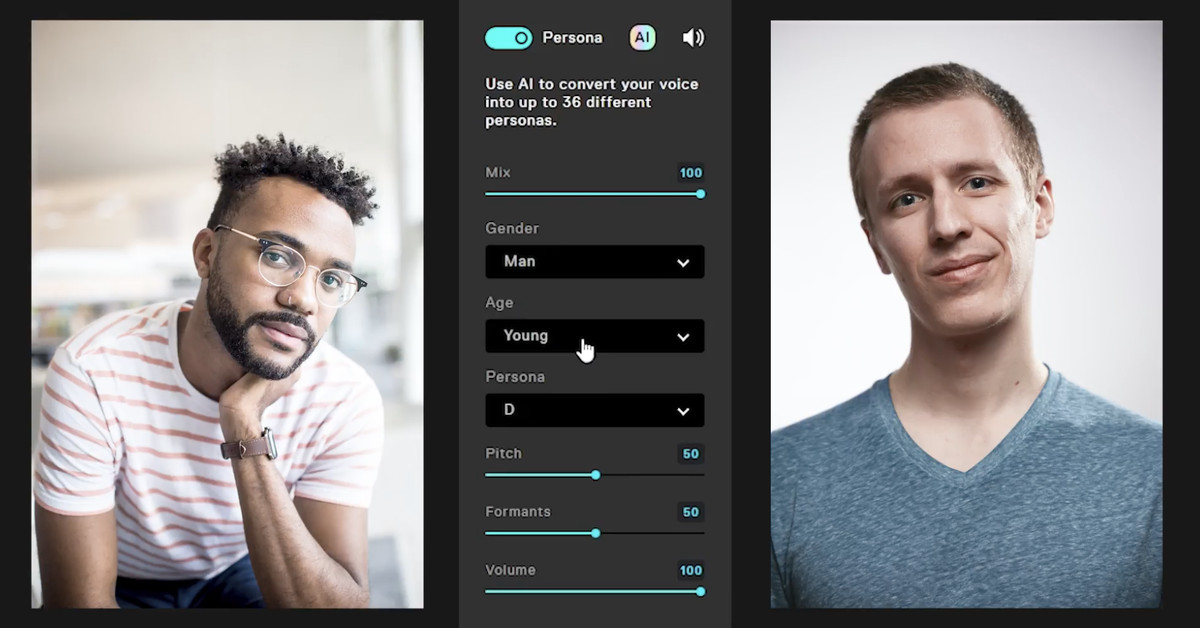
Voicemod, a popular AI voice changing program, has introduced new features that allow users to create and share their own unique synthetic voices from scratch. With the AI Voice Creator and Voicelab functionalities, users can customize various parameters and effects to create an almost unlimited number of voices. These DIY voices can be shared on the Community Voices platform. As AI voice technology becomes more prevalent, the legal hurdles are minimal since voices are not copyrightable. Voicemod is available for macOS and Windows 10 and 11.
OpenAI has announced an update to its ChatGPT chatbot, allowing it to understand spoken words, respond with synthetic voices, and process images. Users can now opt into voice conversations on the mobile app and choose from five different synthetic voices for the bot's responses. Additionally, users can share images with ChatGPT and highlight areas of focus or analysis. The update will be rolled out to paying users in the next two weeks, with voice functionality limited to iOS and Android apps, while image processing capabilities will be available on all platforms. The move comes as tech giants race to launch new chatbot apps and features, raising concerns about the potential misuse of AI-generated synthetic voices. OpenAI has addressed these concerns by stating that the synthetic voices were created with voice actors they have directly worked with.
ElevenLabs, an AI-powered platform for creating synthetic voices, has raised $19 million in a Series A round co-led by Nat Friedman, Daniel Gross, and Andreessen Horowitz. The company has also launched Projects, a workflow for editing and creating long-form spoken content, and an AI Speech Classifier to detect whether an uploaded audio sample contains AI-generated content from ElevenLabs. The company's AI text-to-speech models are language-agnostic, allowing corporate customers to fine-tune them and build their own, proprietary speech models on top. However, the platform has faced criticism for being exploited by bad actors to share hateful messages mimicking celebrities.