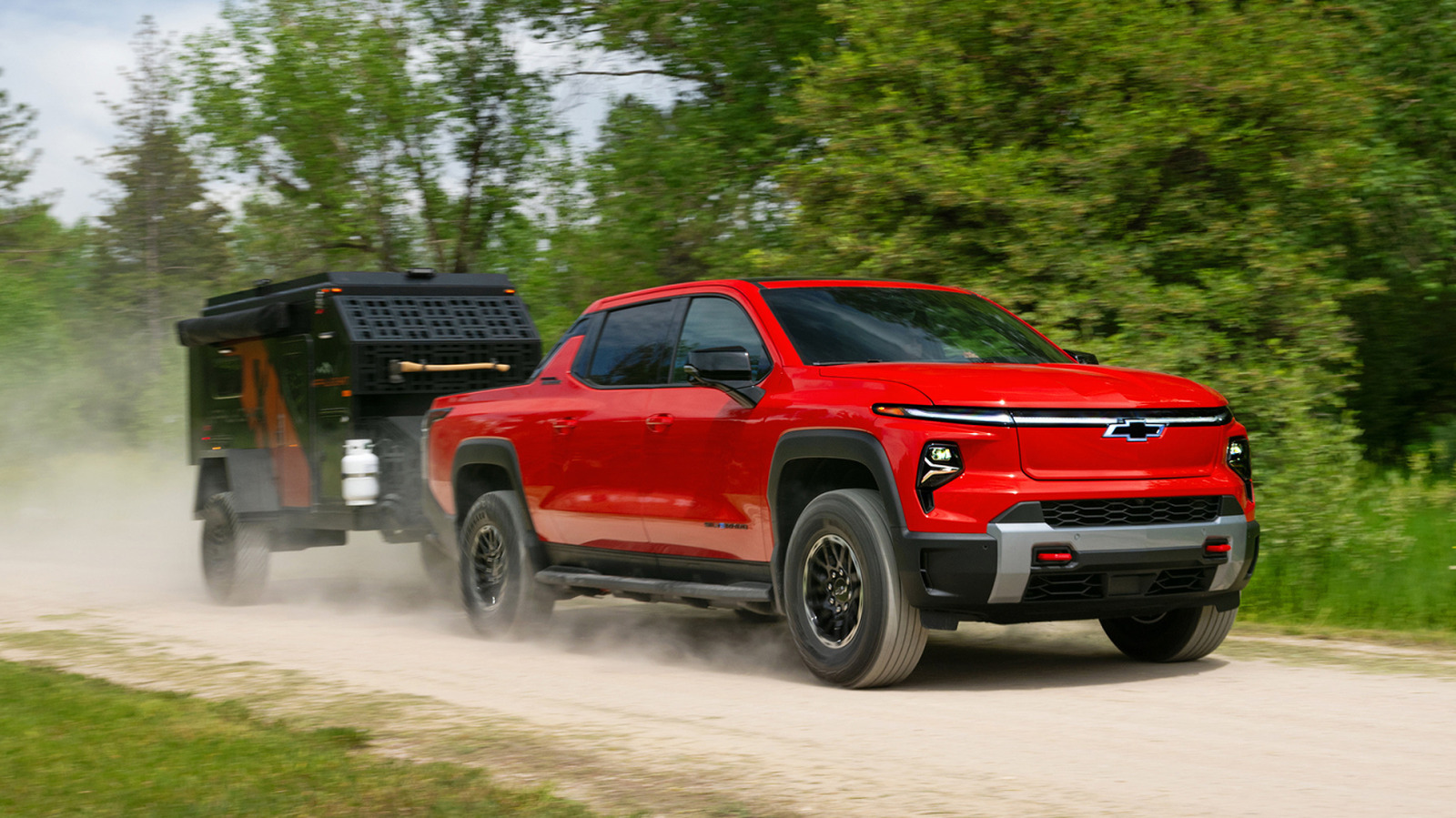
The article highlights the top five Chevrolet models suitable for off-roading in 2026, including the Colorado ZR2, Silverado EV Trail Boss, Tahoe Z71, Silverado LT Trail Boss, and Traverse Z71, emphasizing their off-road features, capabilities, and pricing.
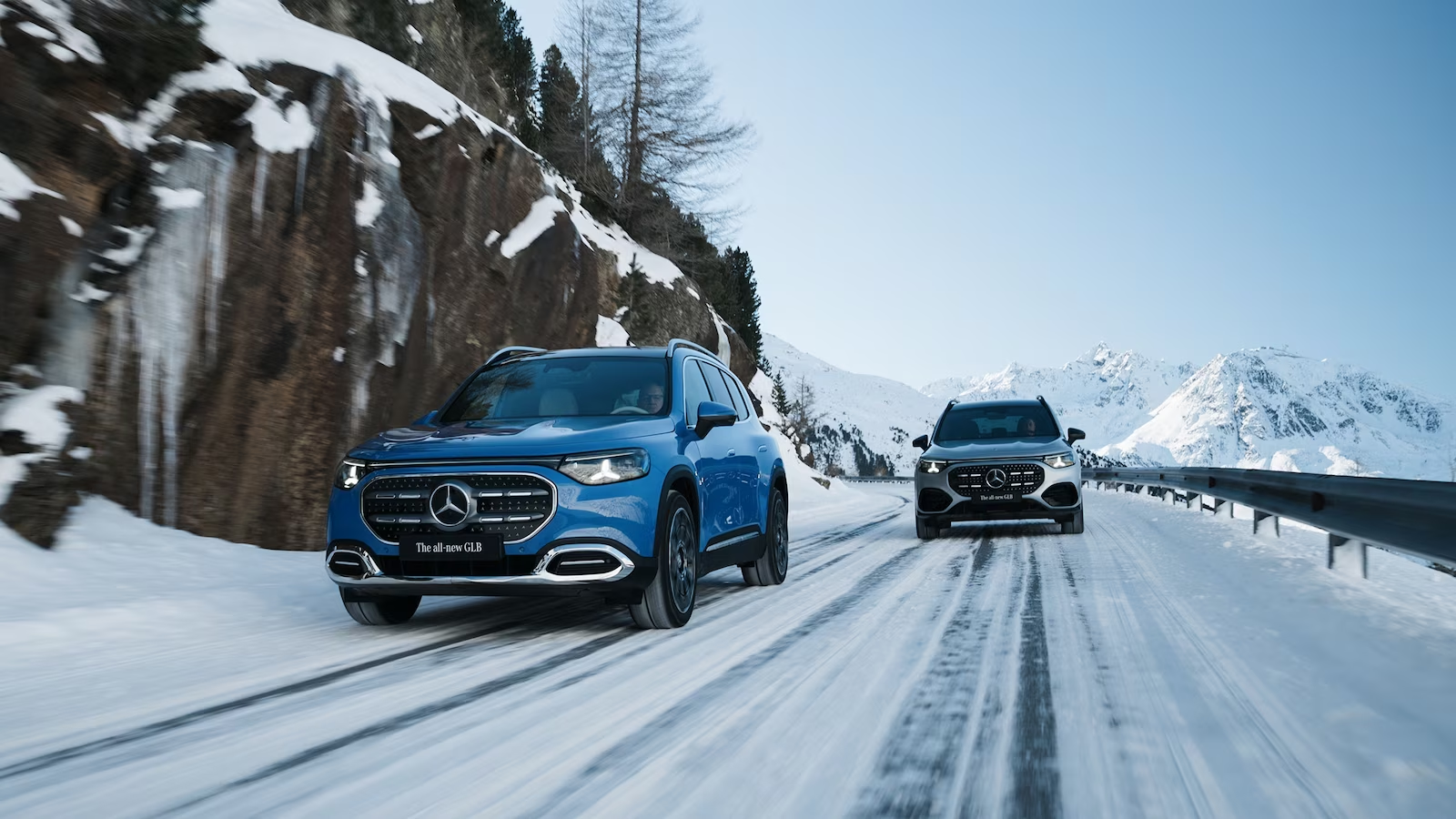
The article highlights upcoming popular cars in 2026, including Mercedes-Benz's updated CLA and GLB with advanced tech and electric options, Kia K4 Hatchback and hybrid Telluride for value and style, Subaru Outback with new tech and styling, Chevy Bolt's return as an affordable EV, and BMW's iX3 with impressive range and fast charging, all set to make a significant impact in the automotive market.
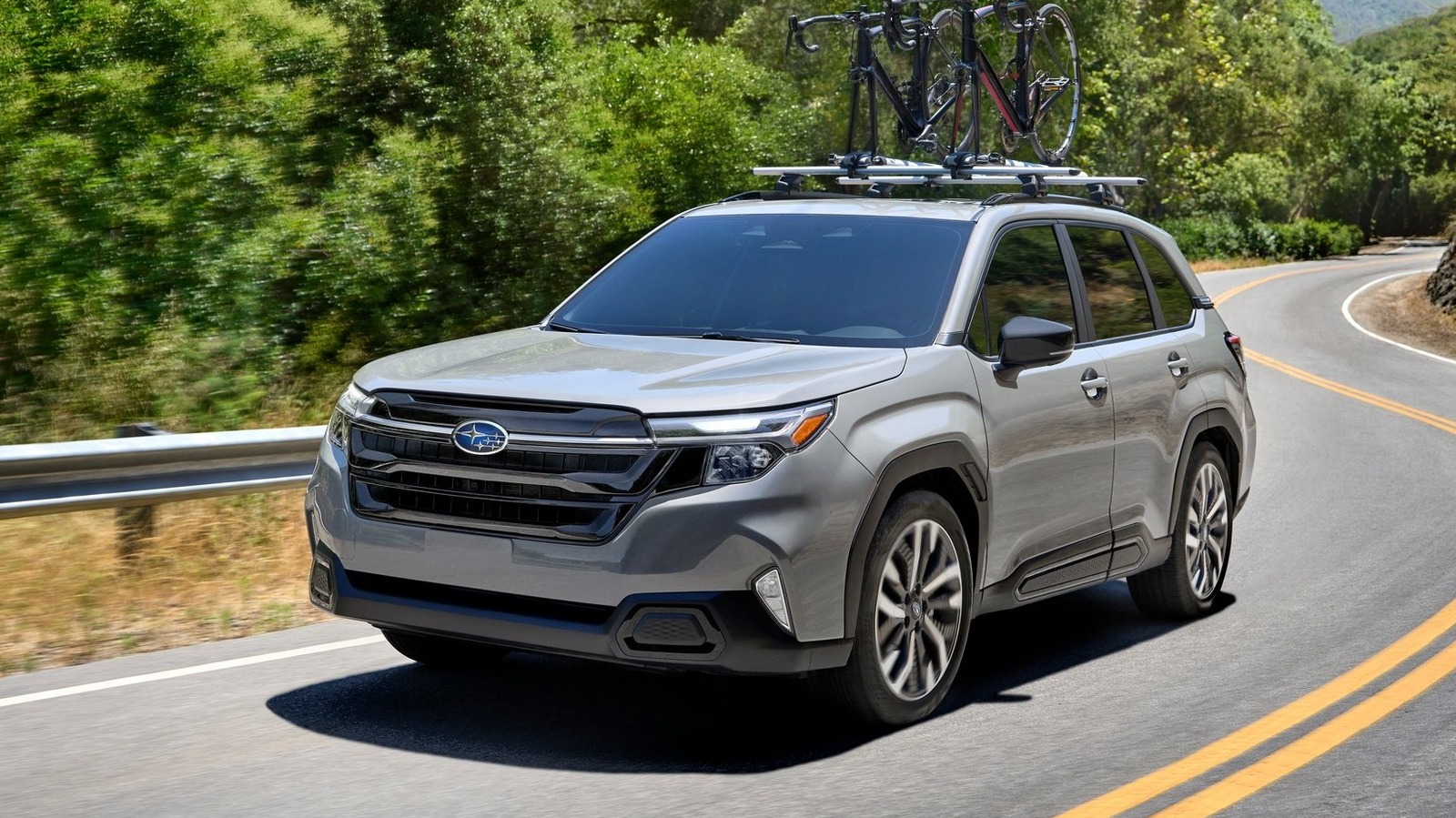
Consumer Reports' top-rated SUVs for 2025 include the Subaru Forester, Hyundai Tucson Plug-In Hybrid, Subaru Outback, Toyota Crown Signia, and Toyota RAV4 Plug-In Hybrid, with highlights on their fuel efficiency, reliability, and practical features, catering to different preferences for hybrid and traditional models.
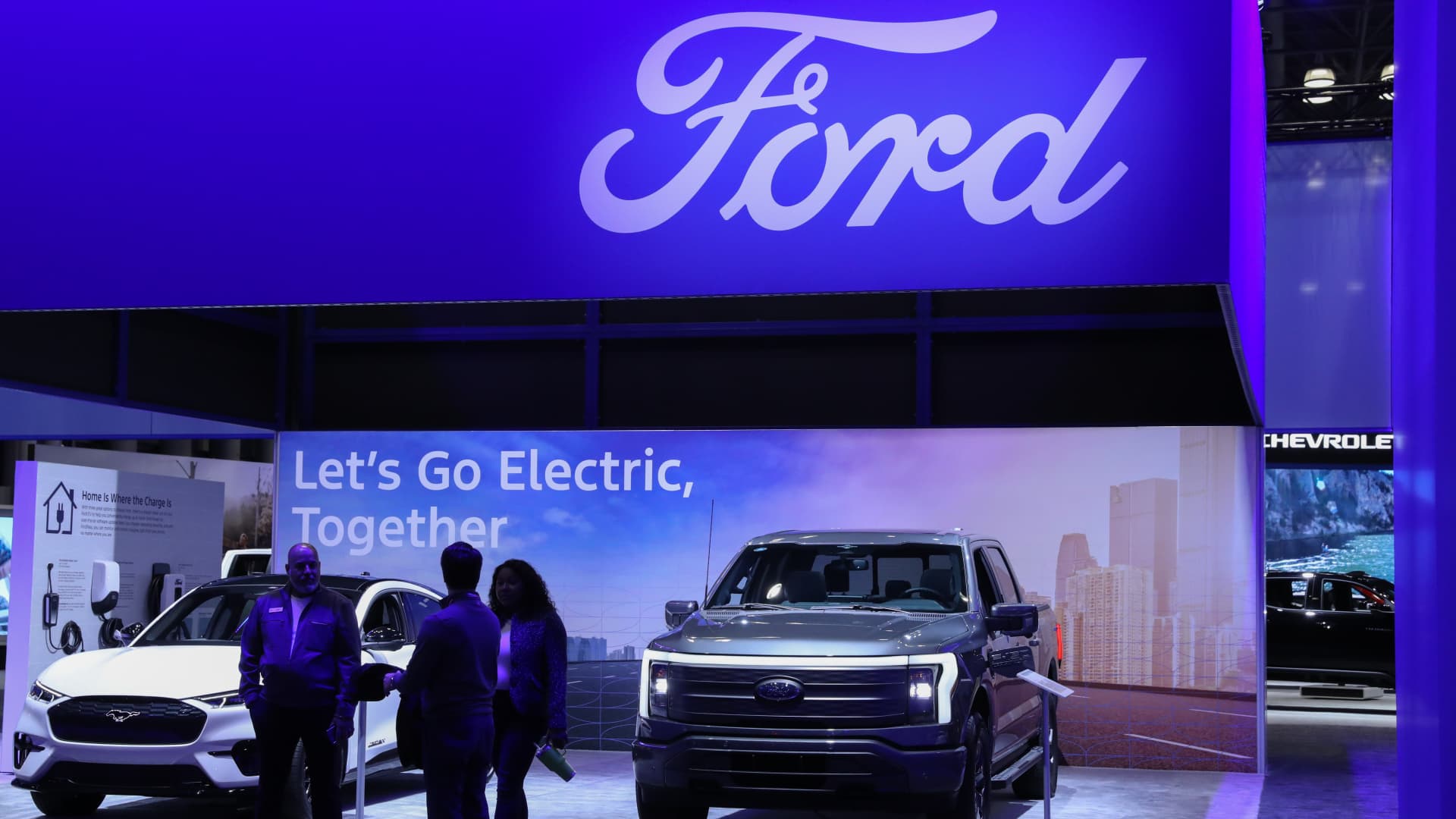
Ford's third-quarter US sales increased by 8.2%, driven by a 30.2% rise in all-electric vehicle sales and nearly 10% growth in SUVs, including a 51% increase for the Mustang Mach-E, fueled by federal EV incentives and record-breaking industry sales.
Ford is recalling over 694,000 SUVs in the U.S. due to a fuel injector crack that could cause leaks and fires, expanding previous recalls with a software fix and ongoing mechanical remedy development, following a year-long investigation and reports of fires despite repairs.
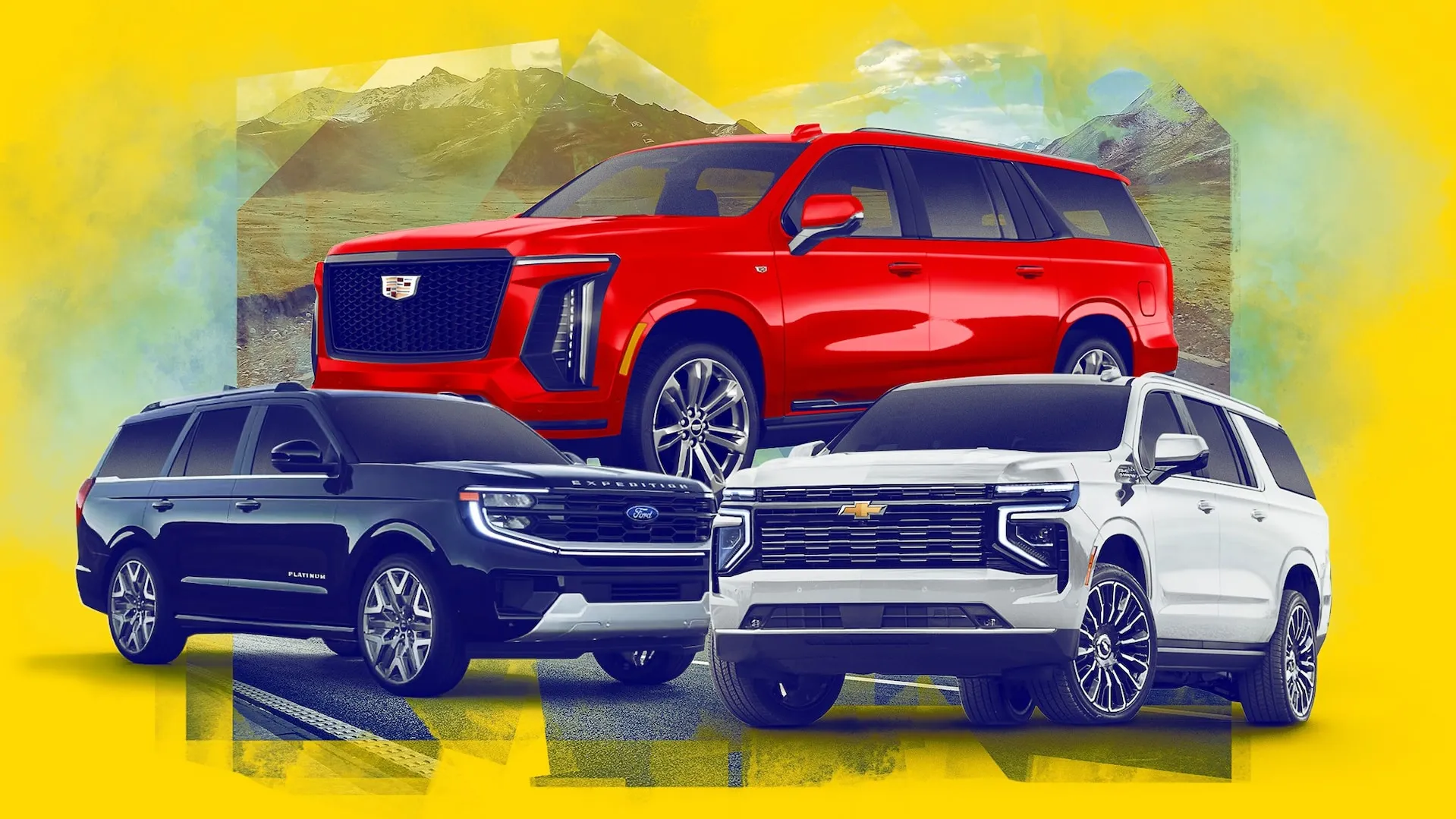
The article ranks the largest SUVs for 2025 and 2026 based on length, highlighting models like the Cadillac Escalade IQ and Chevrolet Suburban as the most spacious, with the Suburban offering the most interior volume and the Escalade IQL providing the most cargo space. It also discusses features, updates, and the suitability of these SUVs for big families and those needing maximum room.
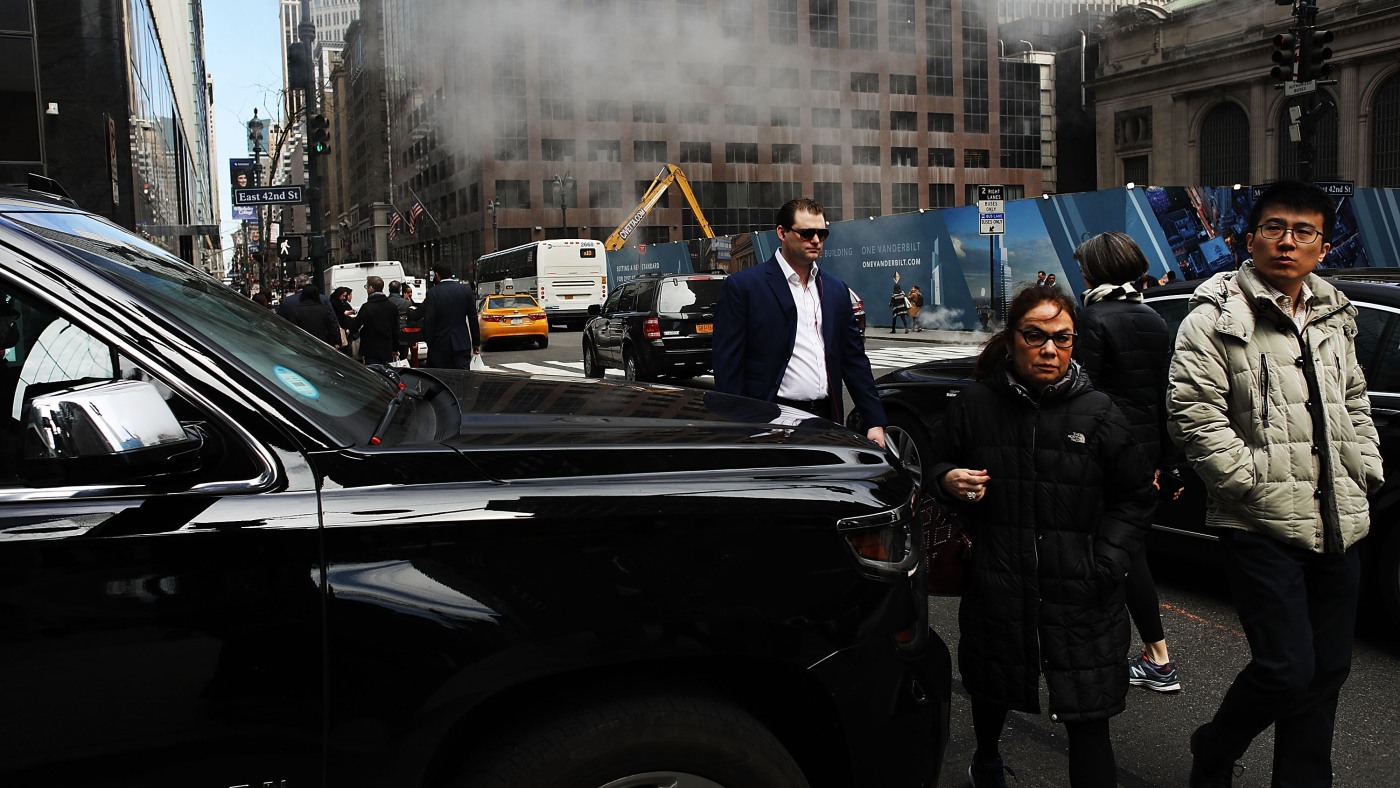
A study by the Insurance Institute for Highway Safety highlights that taller vehicles, such as SUVs and light trucks, pose a greater danger to pedestrians, especially at higher speeds. The research indicates that the risk of serious injury or fatality increases more rapidly for taller vehicles compared to shorter ones. This has prompted calls for federal safety standards addressing vehicle hood height and design to protect pedestrians. With pedestrian fatalities rising significantly since 2009, there is a push for regulations and technologies like automatic emergency braking to enhance road safety.
The US is experiencing a crisis in pedestrian fatalities, with deaths reaching a 40-year high, partly due to the increasing size and weight of vehicles like SUVs and trucks. This trend, referred to as "car bloat" or "autobesity," contrasts with the safety improvements seen in other countries. Advocates, including those affected by tragedies like the Hart family, are pushing for changes in car safety ratings to address this issue and potentially save lives.
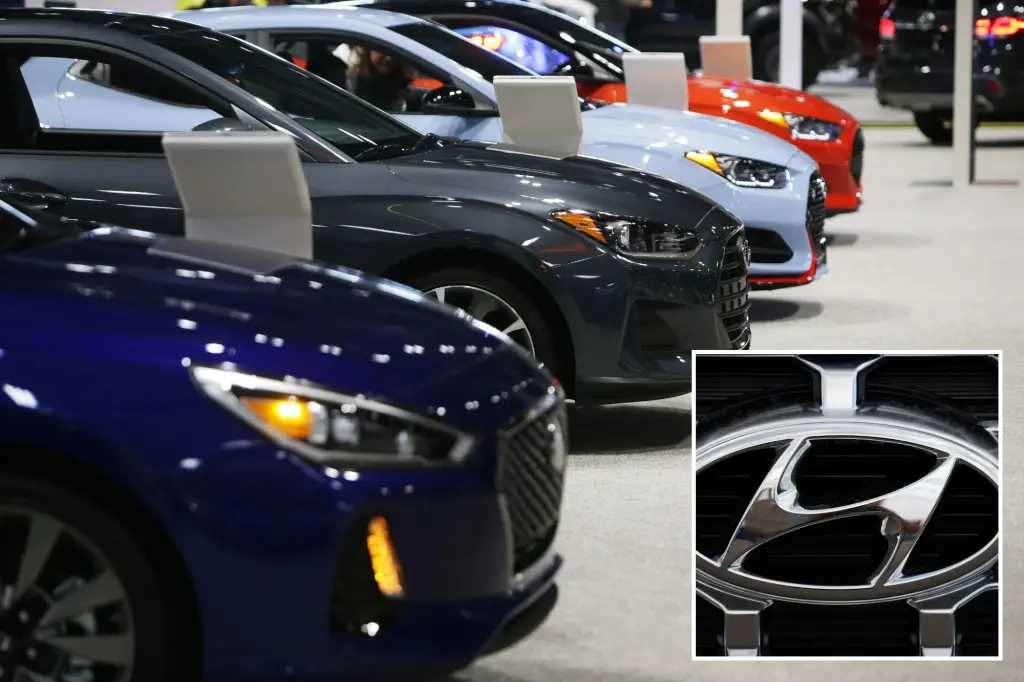
Hyundai is recalling over 226,000 Santa Fe and Elantra vehicles from the 2021 and 2022 model years in the US due to faulty rearview cameras. The issue stems from solder joints on a printed circuit board that can crack over time, potentially causing the cameras to fail and increasing the risk of pedestrian injury. Owners will be notified starting January 19, and dealers will replace the cameras at no cost.
Hyundai is recalling over 226,000 SUVs and small cars in the U.S. due to potential failure of rearview cameras in certain 2021 and 2022 Santa Fe and Elantra models. The issue arises from solder joint cracks on a circuit board, which can impair visibility and increase pedestrian injury risk. Hyundai will replace the cameras for free, with owner notifications starting January 19.
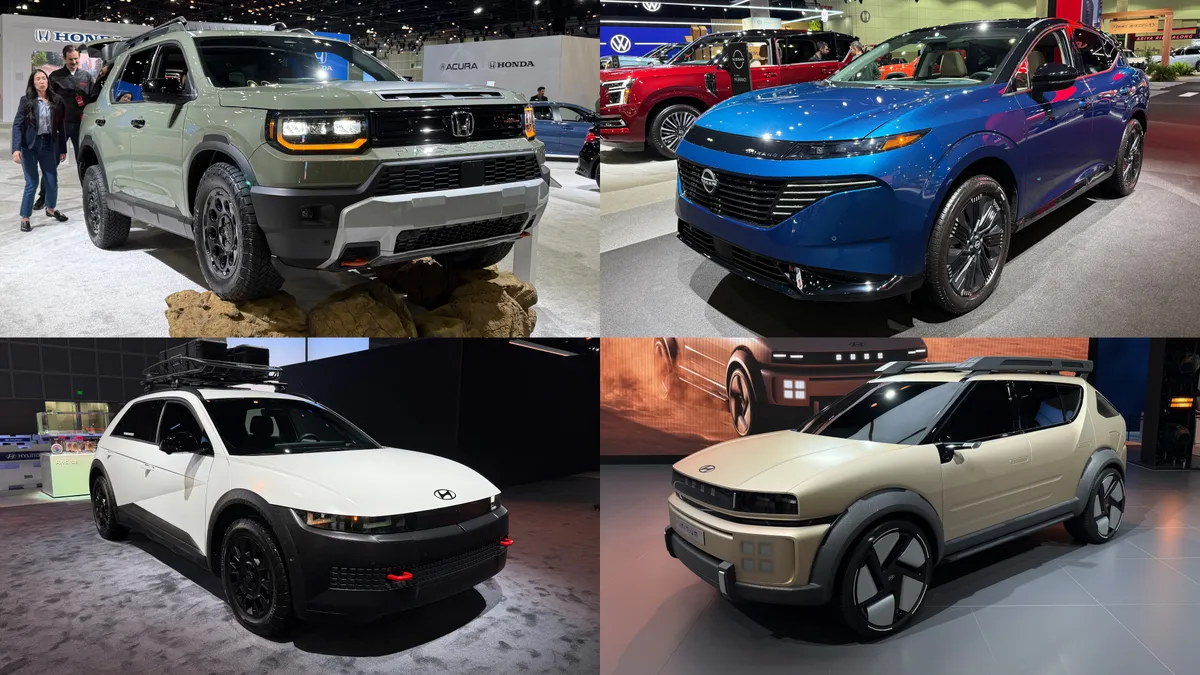
The LA Auto Show highlights the growing popularity and innovation in crossover and SUV models, with notable designs and engineering advancements making these vehicles more appealing. The show features intriguing models like the Nissan Murano, Genesis GV60 Magma, Cadillac Escalade IQ, and Hyundai Ioniq 9, among others. These vehicles showcase a blend of performance, design, and utility, reflecting a global trend towards crossovers and SUVs, which now dominate over 50% of the market in regions like Europe and China.
Toyota is recalling over 100,000 SUVs and pickup trucks in the U.S. due to engine debris that can cause stalling. The recall affects 2022-2023 Toyota Tundra and Lexus LX600 models with V35A six-cylinder engines. The issue involves potential contamination from manufacturing debris, which can lead to engine failure and increased crash risk. Affected owners will be notified by late July 2024.
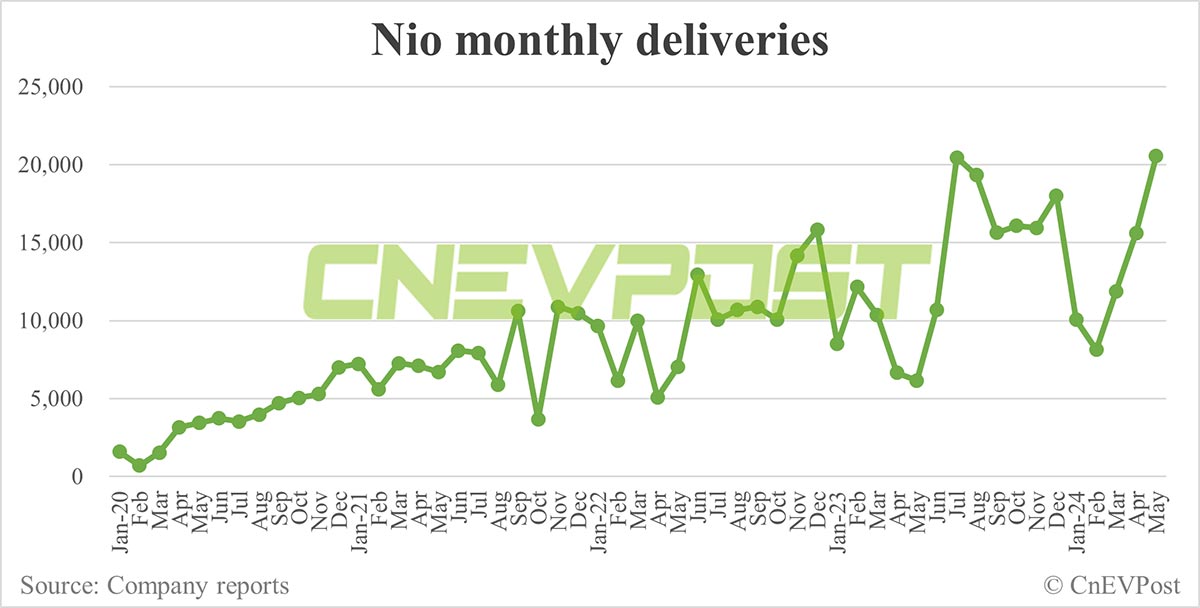
Nio delivered a record 20,544 vehicles in May, marking a 233.78% increase from the same month last year. The company has delivered 66,217 vehicles in the January-May period, up 50.99% year-on-year, with SUVs contributing 58.58% of total deliveries. Despite a fierce price war in China's auto market, Nio's strong performance was bolstered by adjustments to its BaaS battery rental service. The company also launched the Onvo sub-brand and began pre-sales of its first model, the L60, which will start deliveries in September.
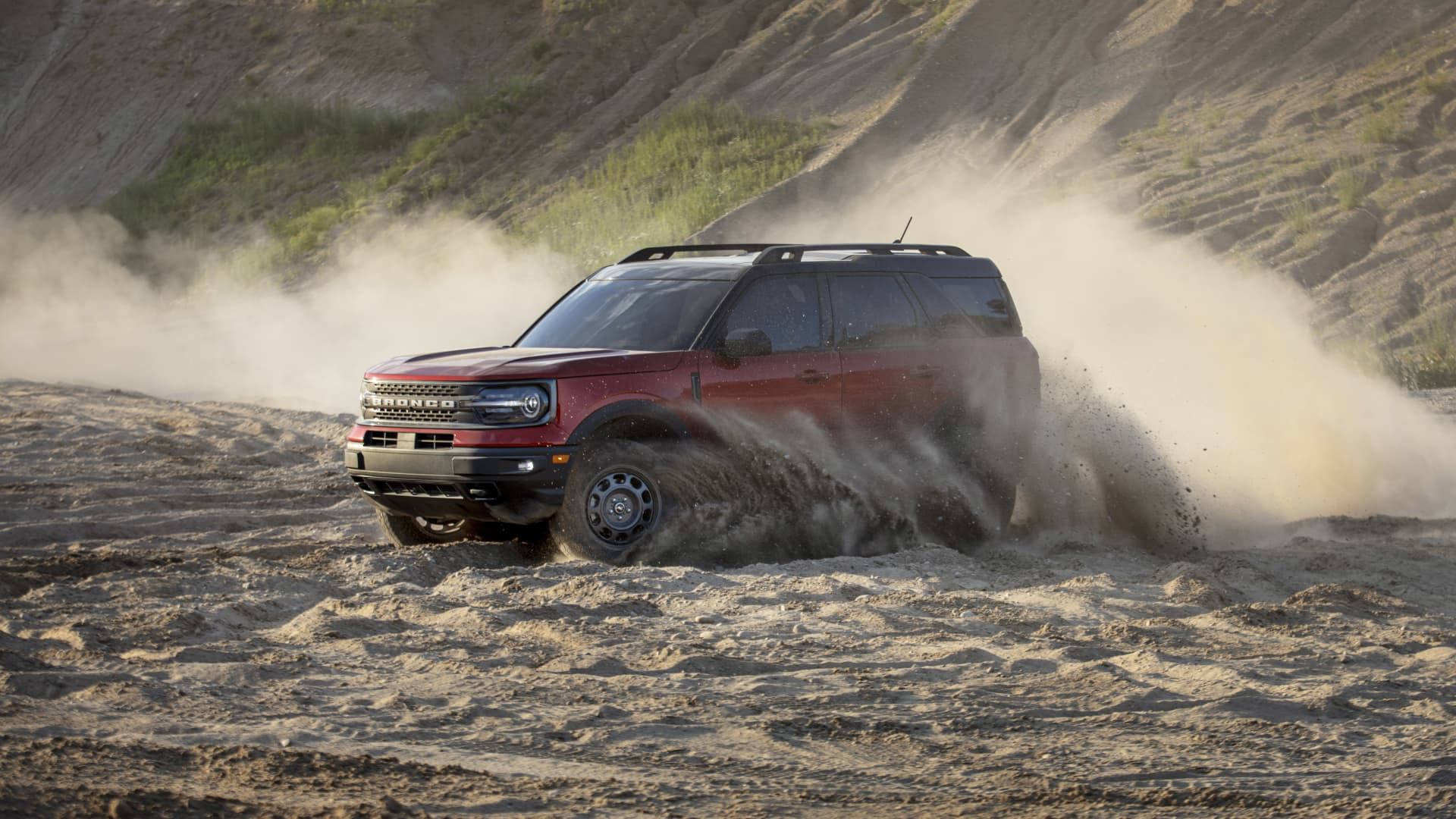
Ford is recalling 456,565 units of compact SUVs and pickup trucks in the US due to a low battery issue that could result in a loss of drive power or malfunctioning electrical accessories. The affected vehicles include Bronco Sport SUVs manufactured between 2022 and 2024, and Maverick compact pickup trucks made between 2022 and 2023. Dealers will recalibrate the body control and powertrain control modules to address the issue at no cost to the owners.
Ford is expanding a recall of nearly 43,000 of its Bronco and Escape SUVs due to concerns about fuel leaks from the fuel injectors, which could lead to fires. The recall affects 2022 Escape and 2022-2023 Bronco Sport editions with 1.5L engines. Owners can visit a Ford dealership for a free service that includes installing a drain tube and software to detect fuel leaks. This recall is an expansion of a previous one made in 2022 for similar reasons.