The article highlights eight warm-weather travel destinations that offer meaningful and sustainable experiences, from community-focused Maldives and Peru's pisco routes to Sri Lanka's women-led hotel, South Africa's eco-lodges, Panama's turtle conservation, Cairo's female-led tours, Sharjah's archaeological sites, and New Zealand's lesser-known Great Walks, all aimed at beating winter blues with enriching adventures.
The article highlights five major travel trends for 2026, including a shift towards off-peak and sustainable tourism, decision-light and curated travel experiences, expanded wellness offerings, nostalgic and adventurous trips for retirees, and increased use of AI for personalized hotel services.
In 2025, Thailand's tourism industry faces challenges from border conflicts with Cambodia, increased competition from Malaysia and Vietnam, political instability, overtourism, and economic factors, leading to a 7% decline in visitors. Despite these setbacks, Thailand is focusing on sustainable tourism and diversifying its offerings to recover and maintain its position as Southeast Asia's top destination.
Bali, once celebrated for its natural beauty and cultural richness, is facing challenges due to a tourism boom driven by social media, leading to overcrowding, environmental degradation, and disillusionment among visitors, prompting local efforts for sustainable development.
The sudden halt of tourism at Hanauma Bay in Hawai‘i during the COVID-19 pandemic allowed the reef ecosystem to recover quickly, with improvements in water clarity, increased monk seal sightings, and more active herbivorous fish, highlighting the impact of human activity on marine environments and the potential benefits of sustainable tourism practices.
Bad Bunny's concert residency in Puerto Rico has significantly boosted tourism, prompting efforts to promote responsible and sustainable travel, educate visitors about local culture, and decentralize tourism to protect the island's environment and heritage.
Madeira has introduced a small fee for access to its popular hiking trails to fund conservation and maintenance, balancing tourism growth with environmental preservation. The initiative is well-received, supporting sustainable tourism and serving as a model for other island destinations, with most visitors understanding and supporting the environmental benefits.
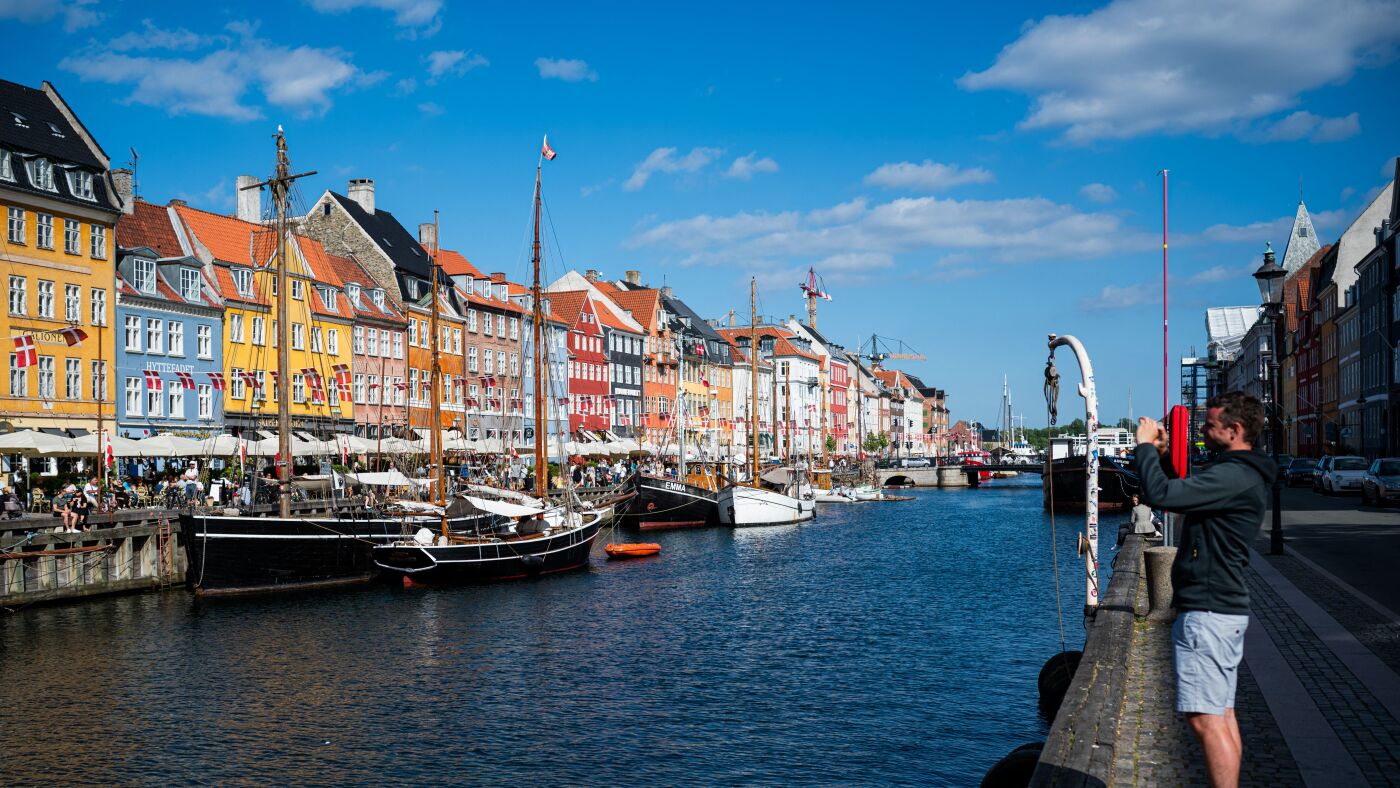
Copenhagen has launched a new initiative called CopenPay to encourage tourists to make sustainable choices by offering perks like free kayak rentals and complimentary coffee. The program incentivizes eco-friendly behaviors such as biking, walking, and picking up litter, aiming to reduce the environmental impact of tourism. The pilot program, involving 24 institutions, will run until August 11, with hopes of becoming a year-round initiative.
Venice is set to implement new regulations to manage mass tourism by limiting tourist walking groups to 25 people and banning loudspeakers. These rules, aimed at promoting sustainable tourism and ensuring the safety of the city, will also prevent groups from stopping in congested areas and are part of a broader effort to balance the needs of residents with those of visitors. The regulations are scheduled to take effect in June 2024, following the introduction of a visitors fee and amidst concerns from UNESCO about the city's preservation.
Venice has introduced new regulations to combat the negative effects of mass tourism by banning tourist groups larger than 25 people and prohibiting the use of loudspeakers in the city center and surrounding islands starting June 1. These measures aim to protect the quality of life for residents and preserve the city's heritage, as concerns grow over the impact of over-tourism, which has led to a significant decline in the local population and threats to the city's status as a UNESCO World Heritage site. An admission fee for short-term visitors will also be implemented from April 2024.
Travel companies are encouraging longer trips and sabbaticals as a way to reduce the carbon emissions associated with frequent air travel. Natucate, a company operating in the Seychelles, offers conservation trips lasting between 26 and 52 days, allowing travelers to contribute to protecting native turtle populations and giant tortoises. The trend towards longer trips benefits both the travelers and the local NGOs, fostering a deeper understanding of conservation work and spreading awareness about biodiversity. Natucate's efforts reflect a growing trend towards more mindful and sustainable travel practices.
Southeast Asia's first luxury resort hotel made from retired buses, called The Bus Collective, has opened in Singapore. The hotel, located in Changi Village, has renovated 20 decommissioned public buses into 20 luxury rooms, each with different amenities. The rooms start at SG$398 ($296) per night and can accommodate three to four guests. The project aims to showcase sustainable luxury and eco-conscious practices in construction and hospitality. The Bus Collective plans to expand in the future within the Asia Pacific region.
The Three Camel Lodge in Mongolia's Gobi desert offers travelers a unique opportunity to experience the traditional nomadic lifestyle while enjoying the comforts of an eco-resort. The lodge features 24 gers, or traditional round dwellings, equipped with private bathrooms and solar-powered electricity. Guests can explore the Gobi's stunning landscapes, including the Flaming Cliffs and sand dunes, as well as engage in activities such as archery, stargazing, and cooking classes. The lodge prioritizes sustainability, with initiatives like eliminating single-use plastic and sourcing materials locally. However, the remote location and limited transportation options pose challenges for visitors.
Many cities are facing the challenge of overtourism as the popularity of budget airlines, short-term home rentals, and social media influencers drive an increasing number of tourists to the same destinations. To combat this issue, cities like Hallstatt in Austria have implemented measures such as visitor caps and fines for bad behavior. Some cities, like Amsterdam, are going even further by placing restrictions on daily visitors. Additionally, new technologies are being used to manage tourist flow and communicate real-time updates to travelers. To promote sustainable tourism, some countries are encouraging visitors to explore less-traveled areas. The tourism industry is also exploring regenerative models where tourists can actively contribute to the communities they visit. Ultimately, a shift in mindset is needed to educate people about traveling in a more responsible and sustainable way.
La Sambuy, a ski resort in the French Alps, has permanently closed due to a lack of snow caused by global warming. The resort's ski season has been reduced to just a few weeks, making it financially unsustainable to keep the lifts open. Last winter, the resort only had four weeks of snow, resulting in rocks appearing on the slopes. The closure is part of a larger trend, with other French ski resorts also facing similar challenges. A petition has been launched to keep the resort open by adopting a more sustainable model, but the town council's decision to close the resort stands.