travel-and-environment6.1 min read
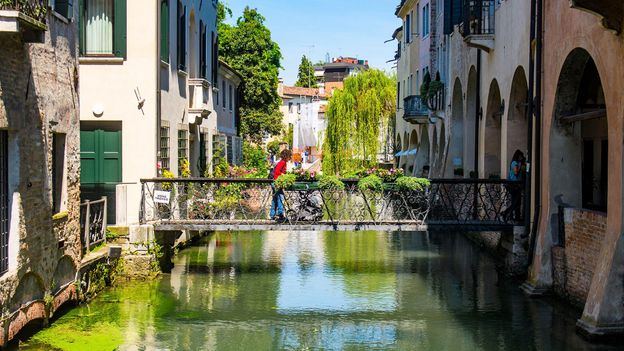
Italy's Compact and Clever Alternative to Venice
4 months ago•Source: BBC

The latest travel and environment stories, summarized by AI
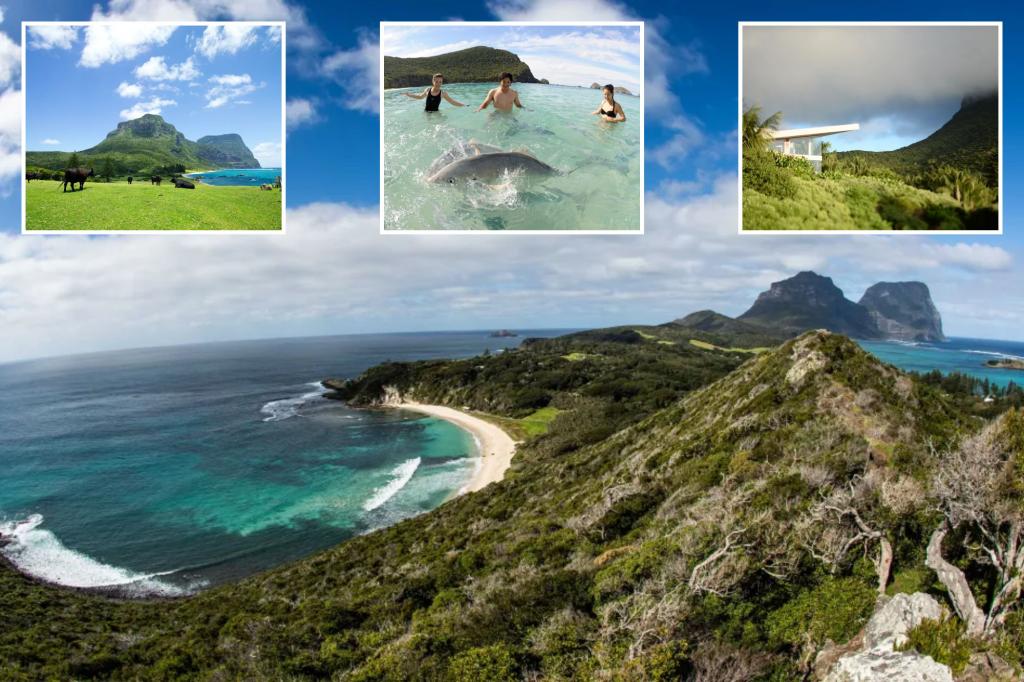
Lord Howe Island, located 372 miles off the east coast of Australia, has limited tourism to 400 visitors at a time for the past 40 years to protect its unique ecosystem. This approach has helped preserve the island's rare plants and animals, earning it UNESCO World Heritage status. Despite climate change threats, the island remains a popular destination, booked through 2026, where tourists can enjoy coral reefs, pristine beaches, and local conservation programs.
CNN•1 year ago
New York Post •2 years ago
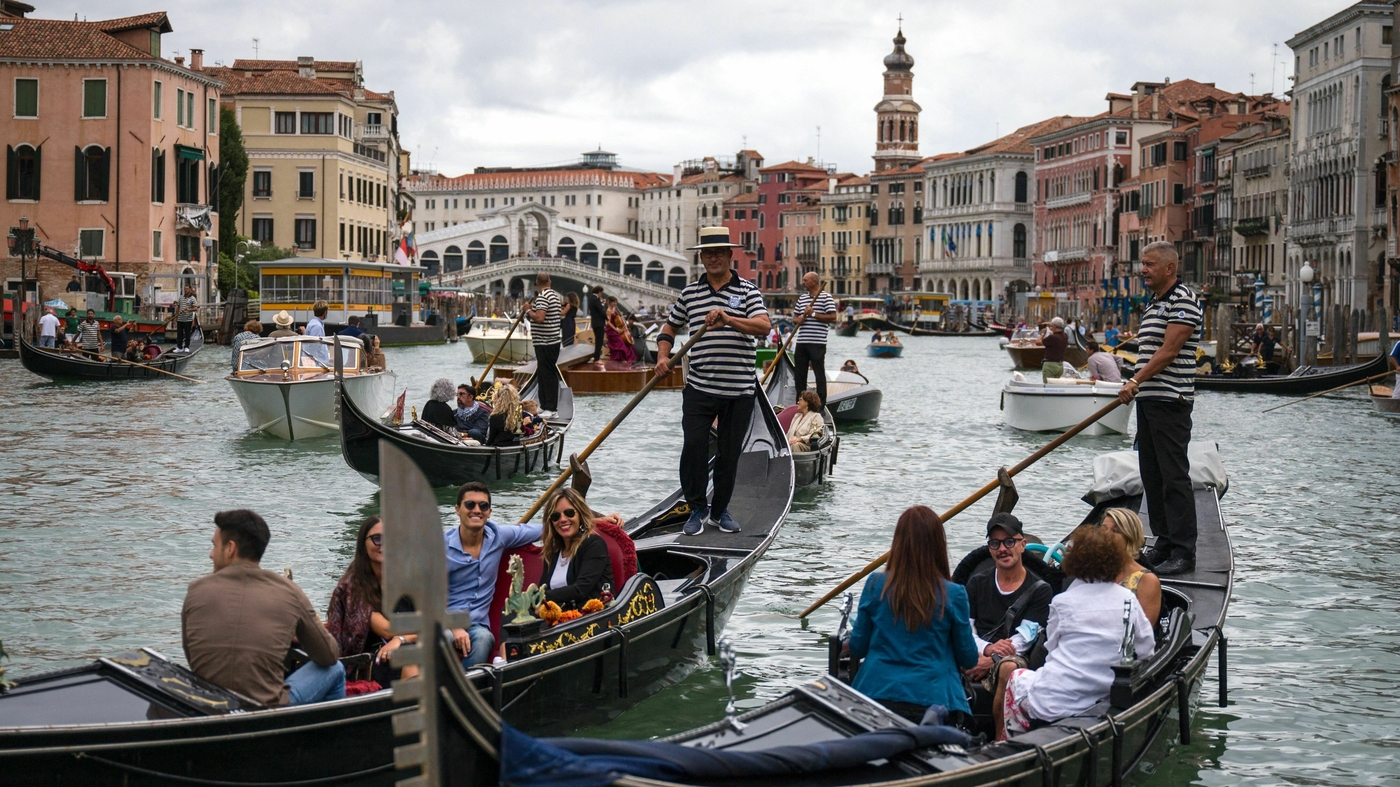
Venice is implementing new regulations to manage tourism more sustainably, including limiting tour groups to 25 people and banning loudspeakers starting June 1. These measures aim to balance the needs of residents, workers, and visitors while promoting sustainable tourism and protecting the city. Venice, a UNESCO World Heritage site, is also facing challenges from climate change, with the city having sunk over 5.9 inches in the past century.
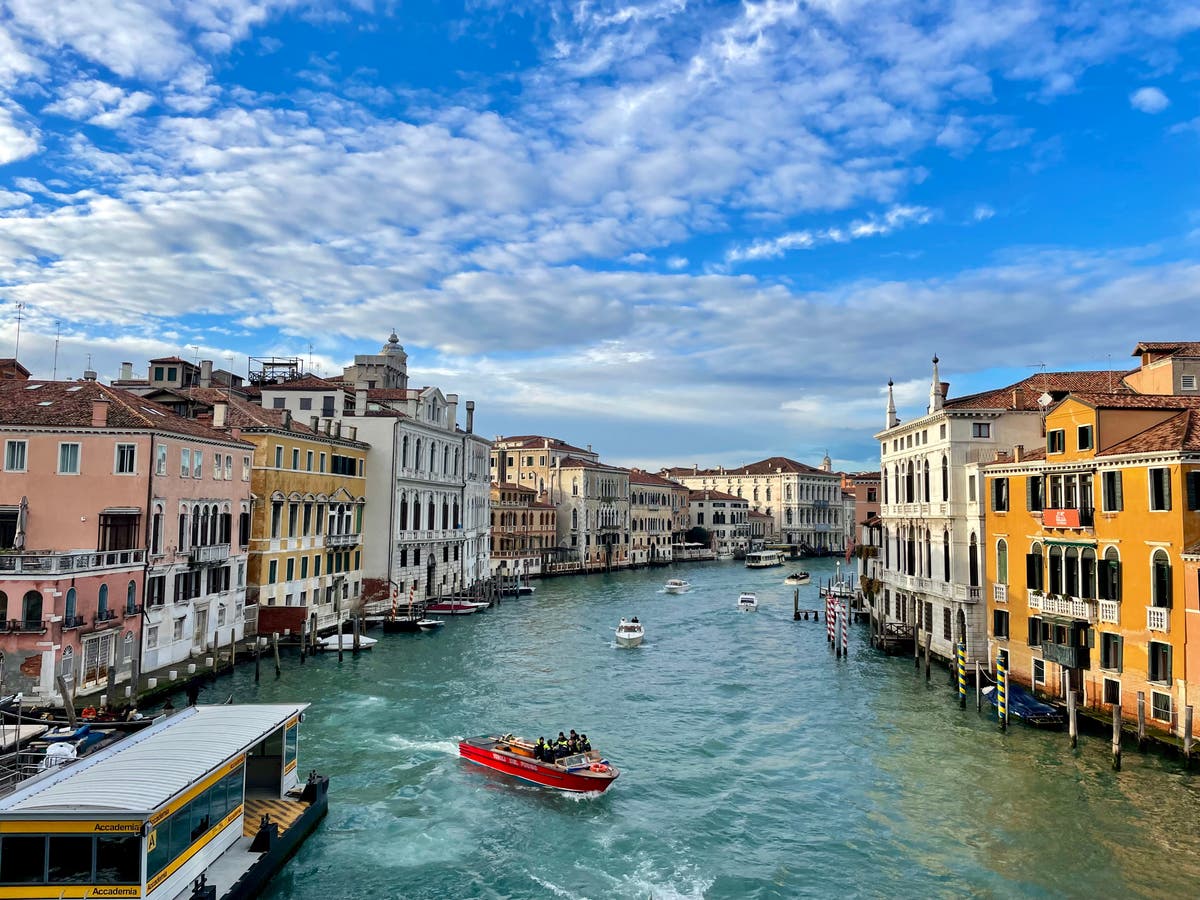
Venice is set to implement new regulations to combat over-tourism by banning loudspeakers and restricting tourist groups to no more than 25 people starting in June next year. These measures aim to protect the city's fragile environment and improve the quality of life for residents and workers. This follows other initiatives such as a fee for day tourists and the banning of large cruise ships from the historic center. The city has faced challenges with extreme tourism numbers, prompting concerns from Unesco about potential irreversible damage.
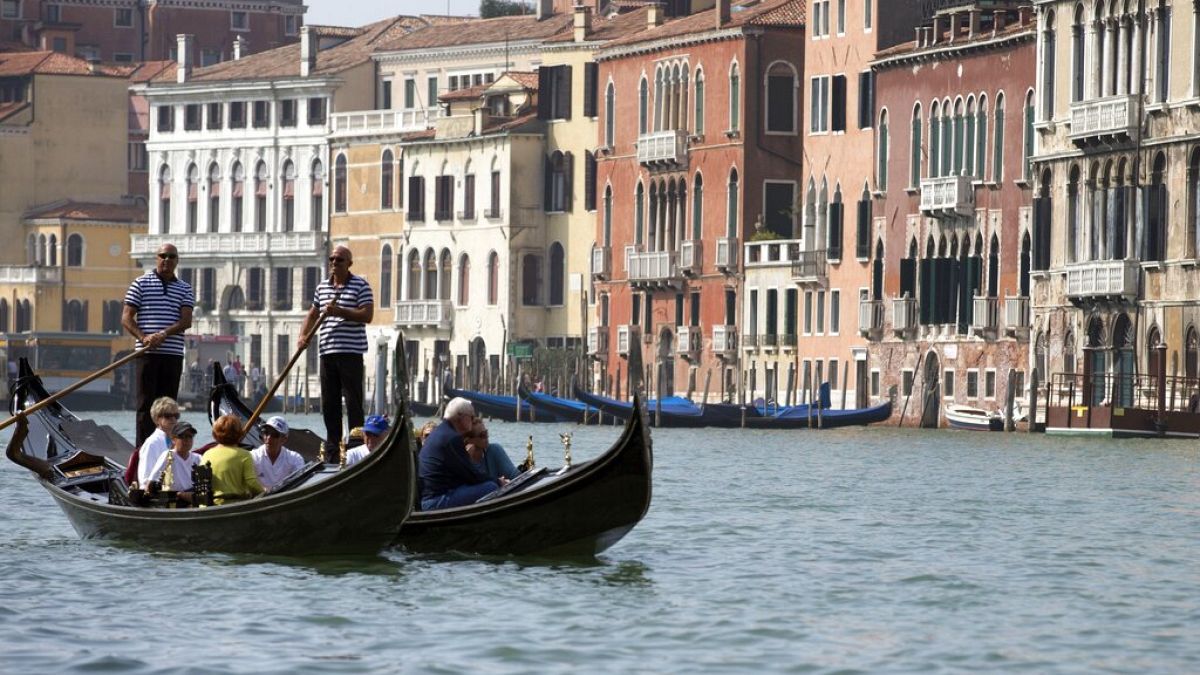
Venice is imposing new restrictions on tourist groups to alleviate the impact of mass tourism on the city and its residents. Starting in June, tour groups will be capped at 25 people, and the use of loudspeakers will be banned. Additionally, a €5 day-tripper fee will be charged on select peak days to manage crowds and encourage longer stays. These measures aim to preserve the city's quality of life and its status as a UNESCO heritage site, which has been threatened by the effects of tourism.
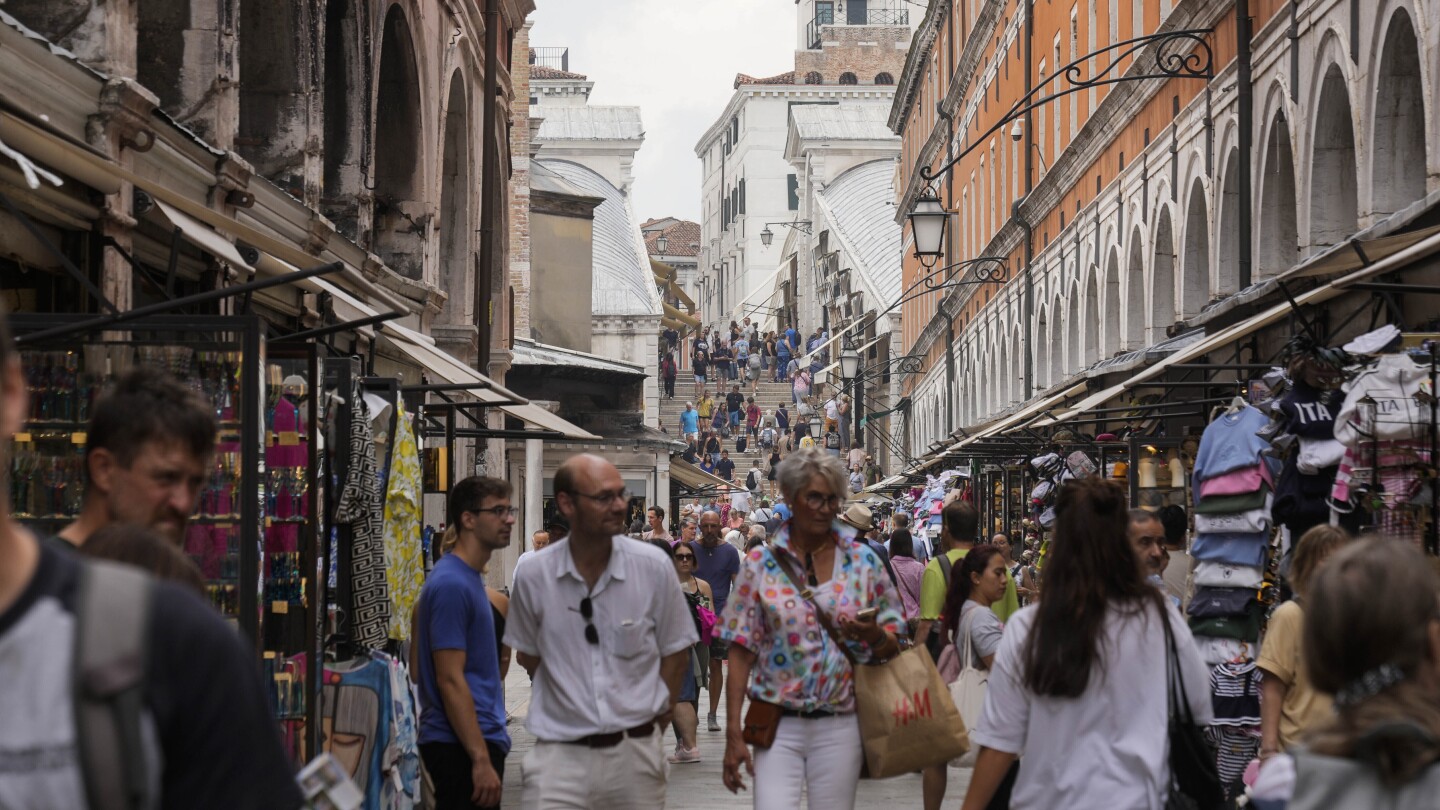
Venice has introduced new measures to manage mass tourism, including limiting tourist groups to 25 people and banning loudspeakers starting in June. Additionally, a day-tripper fee of 5 euros will be applied on select peak days to encourage longer stays and protect the city's quality of life. These steps are part of ongoing efforts to preserve the UNESCO heritage site from the adverse effects of excessive tourism.
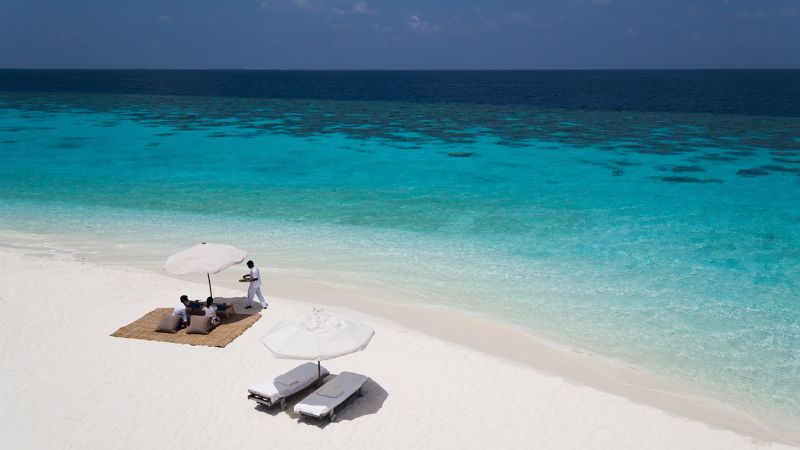
Soneva Fushi, a resort in the Maldives, has successfully reduced the mosquito population on its private island by over 98% using environmentally friendly mosquito traps developed by Biogents. The traps mimic human scents and breath to attract and contain mosquitoes, resulting in a significant decrease in the pests. The resort has also educated staff on mosquito ecology and implemented measures to eliminate breeding grounds. The use of these traps has not only improved the vacation experience for guests but has also led to a resurgence of native insects and increased biodiversity on the island. Soneva aims to be the first mosquito-free island in the Maldives and has provided traps to the country's capital and other resorts to encourage similar initiatives.
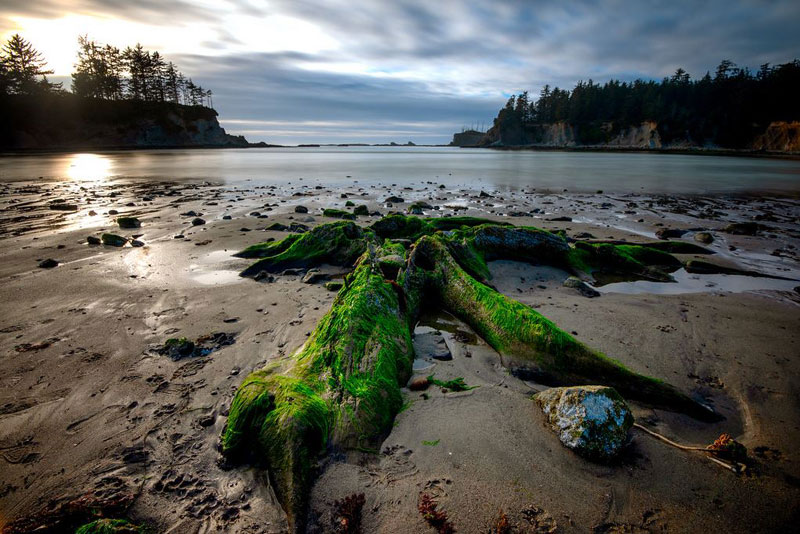
Three Oregon coast beaches, including Coos Bay's Sunset Bay and Netarts, are home to ancient ghost forests and rock formations with fascinating origin stories. The ghost forests, once proud stands of trees, were slowly engulfed by sand and sediment, preserving them over millennia. Sunset Bay's stumps, around 1,200 years old, are accessible year-round and were recently carbon-dated to debunk the theory of an earthquake causing their formation. The south coast's geology is complex, with landmarks like Face Rock consisting of rocks from different ages fused together. Netarts boasts the oldest ghost forest, with stumps estimated to be 80,000 years old.
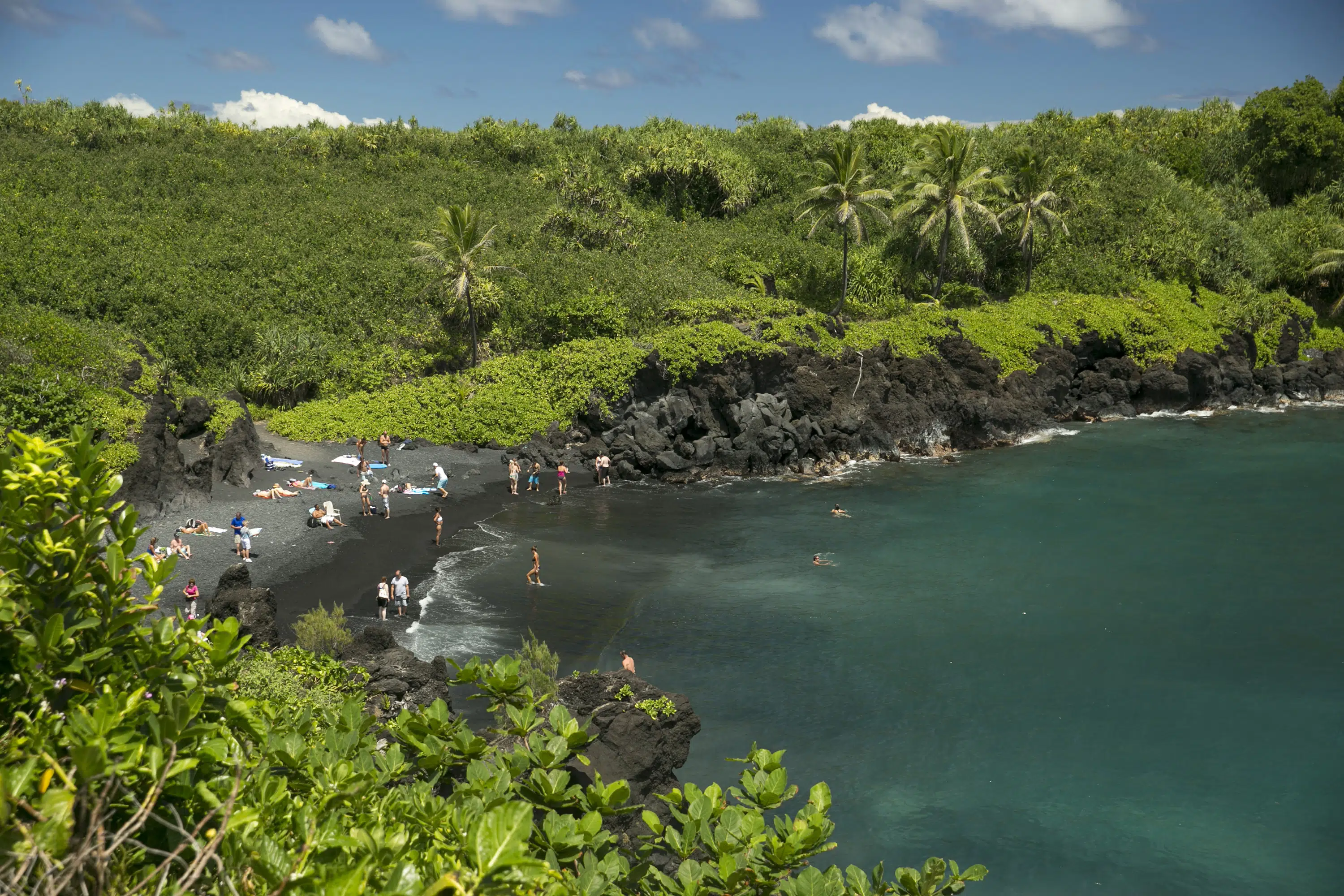
Hawaii lawmakers are considering legislation that would require tourists to pay for a yearlong license or pass to visit state parks and trails to help sustain the environment. The state doesn't have the money to manage all these places, and the growing number of tourists traveling to the islands to enjoy the beauty of its outdoors is adding to the problem. Supporters say there's no other place in the U.S. that imposes a similar fee on visitors. The closest equivalent may be the $34.50 tax Alaska charges to each cruise ship passenger.
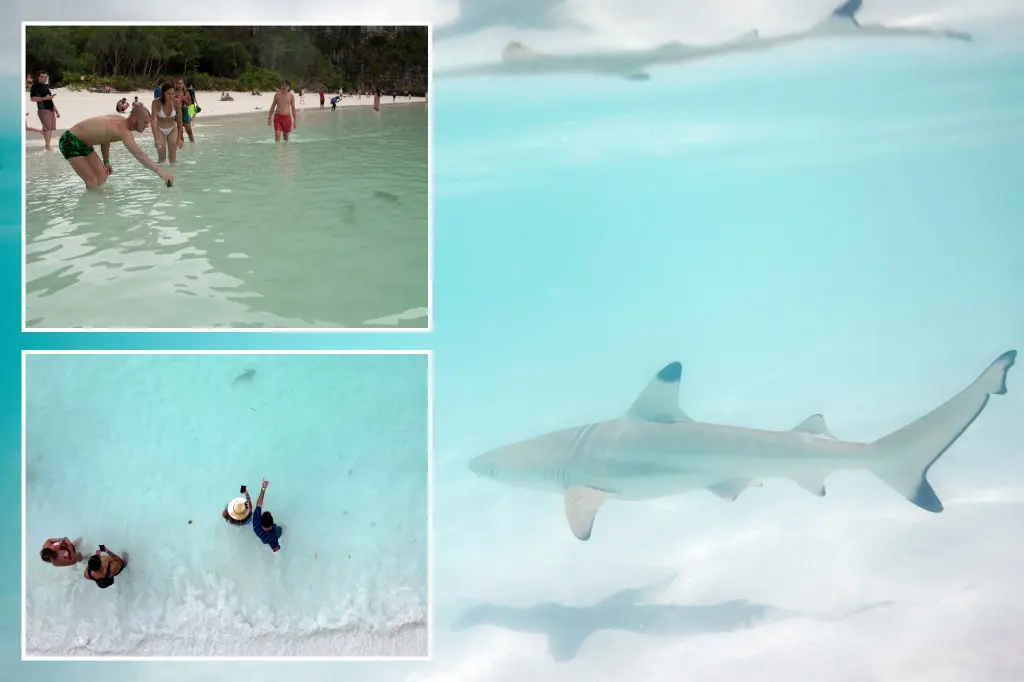
Sharks have returned to Maya Bay, a popular tourist destination in Thailand, after a four-year tourism ban and COVID-19 pandemic restrictions. The shark population has thrived, creating a difficult situation for the area looking to revive its tourism attraction. Authorities have implemented new restrictions, including limiting the number of visitors and allowing them to wade only knee-deep into the water. Conservationists have pressured for further restrictions to mitigate disturbance to the sharks. The government hopes to recapture the significant income generated by tourism, but also aims to manage it wisely and create a new image of Maya Bay as a nature reserve.