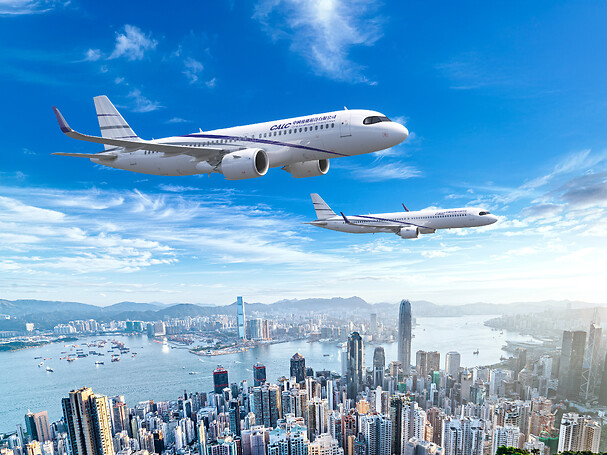
China Aircraft Leasing Group Holdings Limited (CALC) has ordered 30 additional Airbus A320neo Family aircraft, bringing their total Airbus orders to 282, with 203 being A320neo models. This order underscores CALC's ongoing partnership with Airbus and their focus on sustainable, efficient aircraft solutions for their customers.
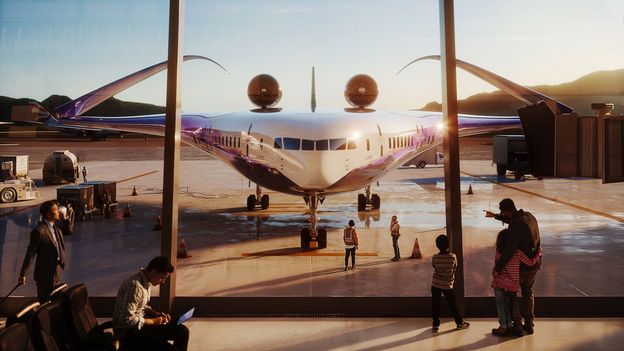
Outbound Aerospace is developing a radical blended-wing aircraft, named Olympic, aiming for a 2030s commercial launch, with innovative manufacturing and design techniques to reduce costs and emissions, amidst industry skepticism and competition from other startups like JetZero.
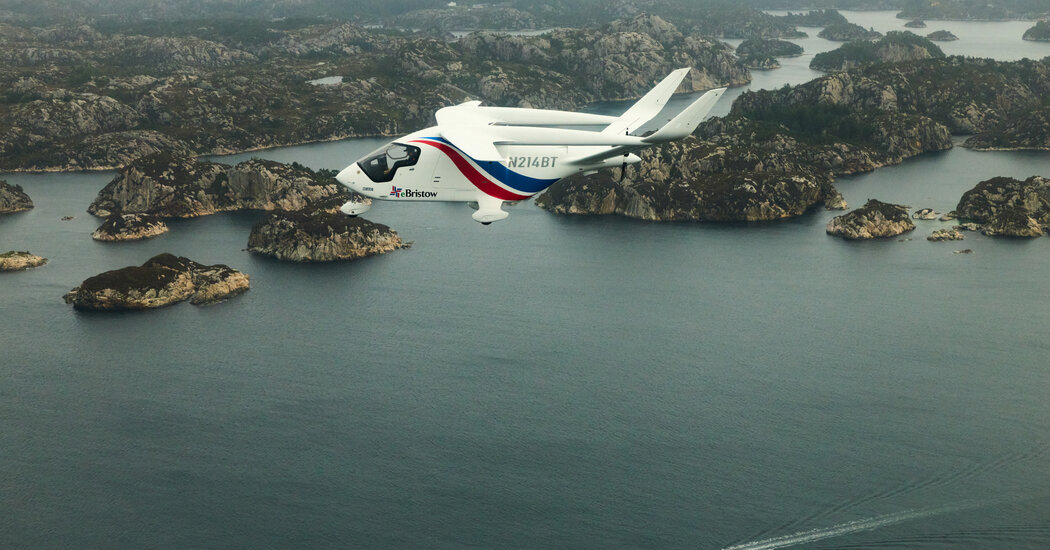
Norway is pioneering electric aviation with its first test flight of the electric Alia CX 300, aiming to connect remote islands and reduce emissions, as part of its broader shift towards green energy and electrification of transport.
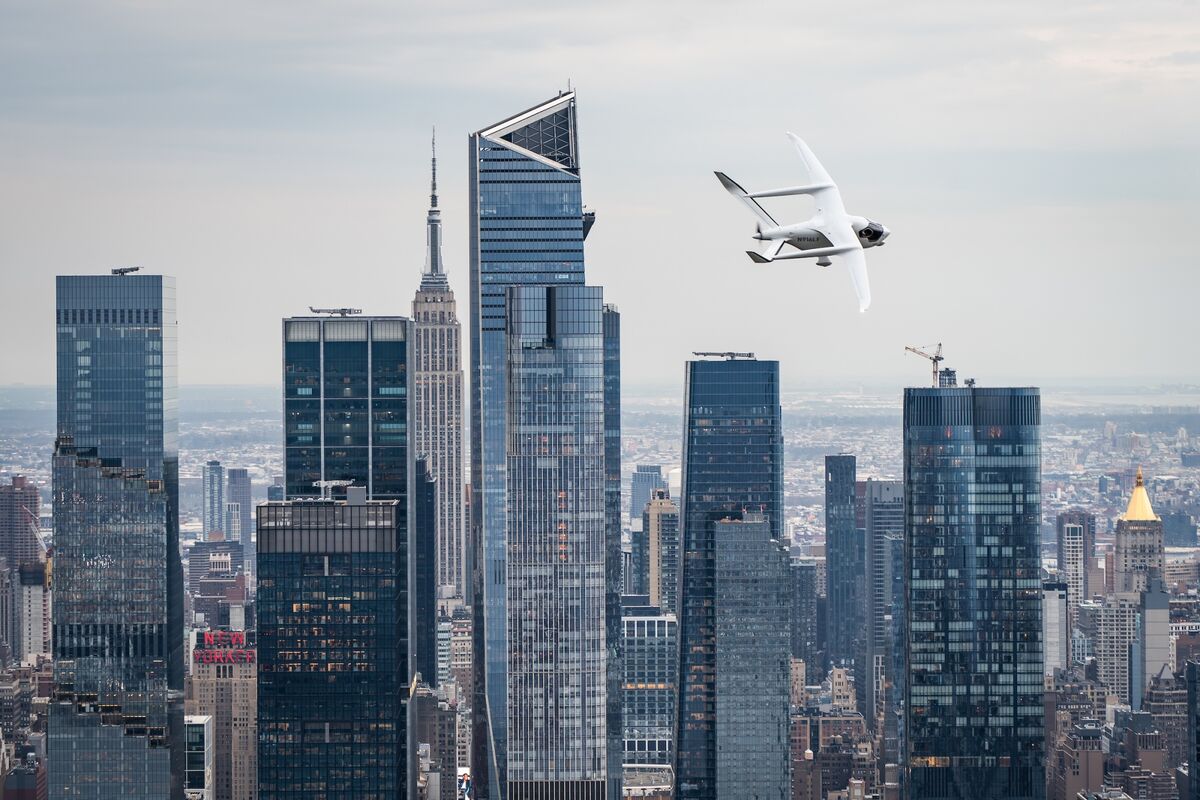
Beta Technologies conducted a demonstration flight of its electric aircraft from the Hamptons to JFK, marking the first of its kind to land at a NYC airport. The flight showcases the potential for quieter, more sustainable air travel, with commercial certification expected in 2027. The company aims to replace noisy helicopters with electric planes for logistics, passenger transport, and military use, addressing rising noise complaints and environmental concerns in NYC.
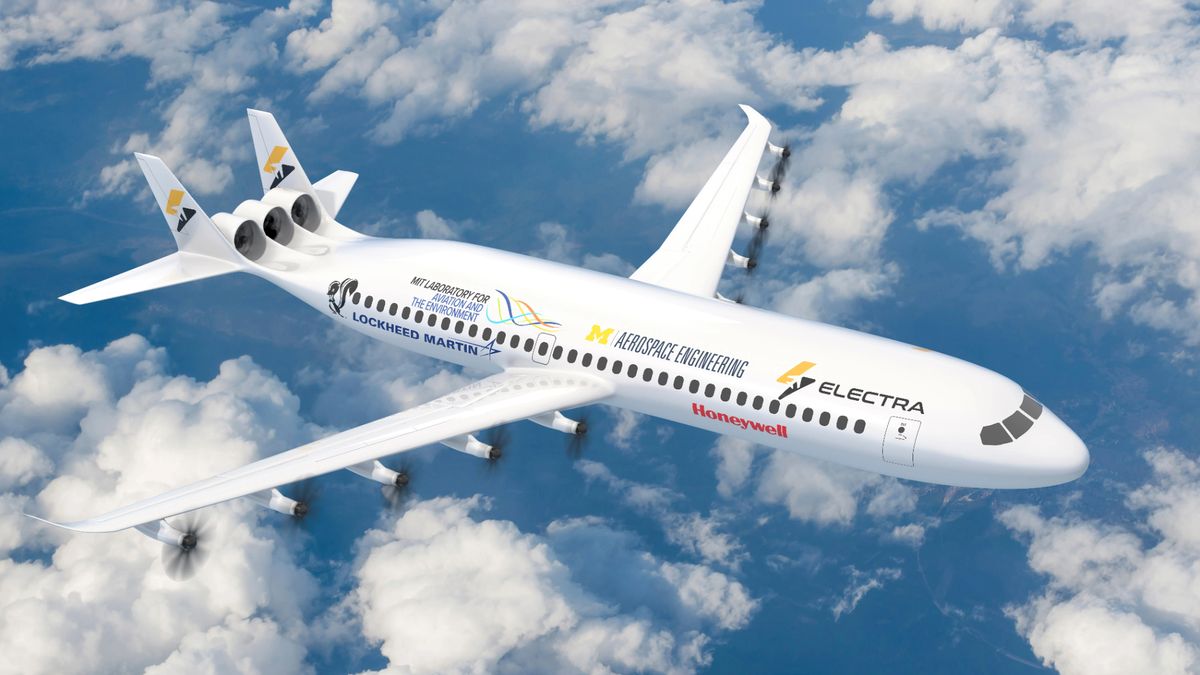
NASA has awarded $11.5 million to five organizations to develop next-generation aircraft designs under its Advanced Aircraft Concepts for Environmental Sustainability (AACES) 2050 program. The initiative aims to reduce aviation's environmental impact and enhance efficiency through innovative concepts such as alternative fuels, electric propulsion, and advanced aerodynamic technologies. The projects, involving Aurora Flight Sciences, Electra, Georgia Institute of Technology, JetZero, and Pratt & Whitney, target net-zero aviation emissions by 2050, positioning the U.S. as a leader in sustainable aviation.
NASA has awarded $11.5 million to five organizations, including Boeing's Aurora Flight Sciences and Electra, to develop low-emission commercial aircraft as part of the Advanced Aircraft Concepts for Environmental Sustainability (AACES) 2050 initiative. The studies will explore alternative fuels, propulsion technologies, and aerodynamic designs to enhance aircraft efficiency and reduce environmental impact, aiming to support the U.S. goal of net-zero aviation emissions by 2050.
Air France-KLM has placed an order for up to 90 Airbus A350s, including a firm order for 50 jets and options for 40 additional aircraft. The A350s will replace older aircraft in the carrier's fleet, contributing to a reduction in emissions and noise. The allocation of the aircraft between Air France and KLM, as well as the breakdown between A350-900s and A350-1000s, is yet to be determined. The A350 is praised for its performance and sustainability features.
NASA researchers at the Solid-state Architecture Batteries for Enhanced Rechargeability and Safety (SABERS) have developed a high-performing solid-state battery that could potentially power electric aircraft more efficiently than lithium-ion batteries. The new battery design eliminates 30 to 40 percent of the weight of traditional batteries and can double or even triple the energy storage capacity. Solid-state batteries are lighter, safer, and can operate in higher temperatures than lithium-ion batteries. While not yet commercially viable, this battery technology has attracted interest from the U.S. government and the aviation industry as a promising solution to reduce air pollution from air travel.
Plane makers are promoting efficiency technology as the aviation industry aims for net zero carbon emissions. Sustainable aviation fuel, electric and hydrogen-powered planes, and improved air traffic management are among the solutions being explored. However, critics argue that these measures are not enough to offset the industry's growing carbon footprint.
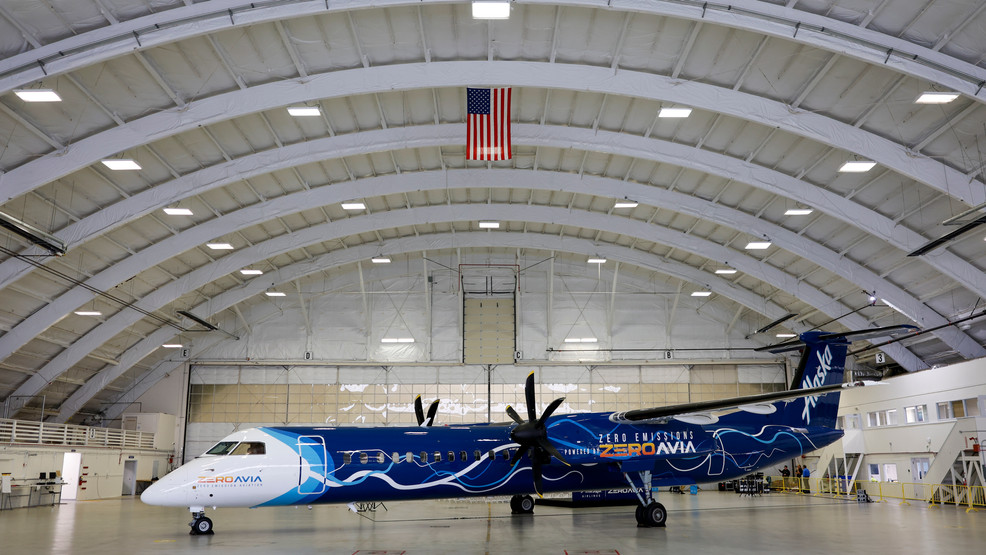
Alaska Airlines has partnered with ZeroAvia to develop the largest zero-emission aircraft in the world. The aircraft will be powered by hydrogen-electric propulsion and will have the capacity to carry up to 200 passengers. The partnership aims to accelerate the development of sustainable aviation and reduce the industry's carbon footprint.
California-based startup Magpie Aviation is developing an aero tow system to provide a zero-emission solution to the challenge of providing enough range for electric and other aircraft without over-penalizing payload. The system involves tethering electric and other aircraft to an all-electric tow aircraft to extend their range by hundreds of miles. Magpie plans to scale up the aero tow system gradually to the point at which, by 2030, regional turboprop-size aircraft could be pulled in everyday commercial service by electric tow aircraft.
California-based startup JetZero has unveiled a blended wing body (BWB) design for a midsize commercial and military tanker-transport aircraft. The Z-5 design is optimised for a range of at least 5,000 nm and up to 250 passengers, and is expected to be about half the weight and require half the power of aircraft it replaces, such as the Boeing 767. The reduced weight and power requirements are designed to enable the Z-5 to use derivatives of existing single-aisle engines such as the CFM Leap 1 or Pratt & Whitney PW1100G. The Air Force is due to select a winning proposal by midyear and plans to begin demonstrator flights in 2027.