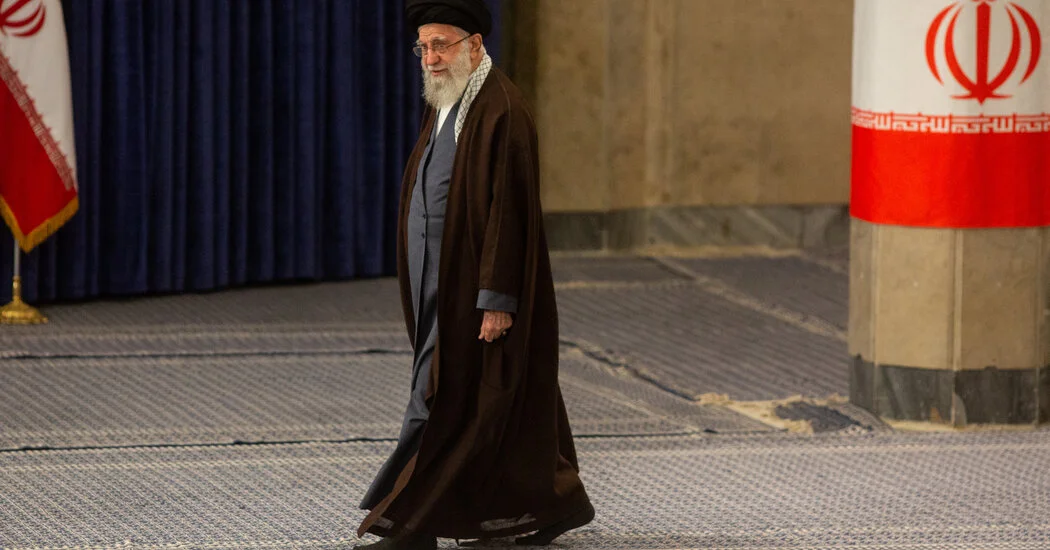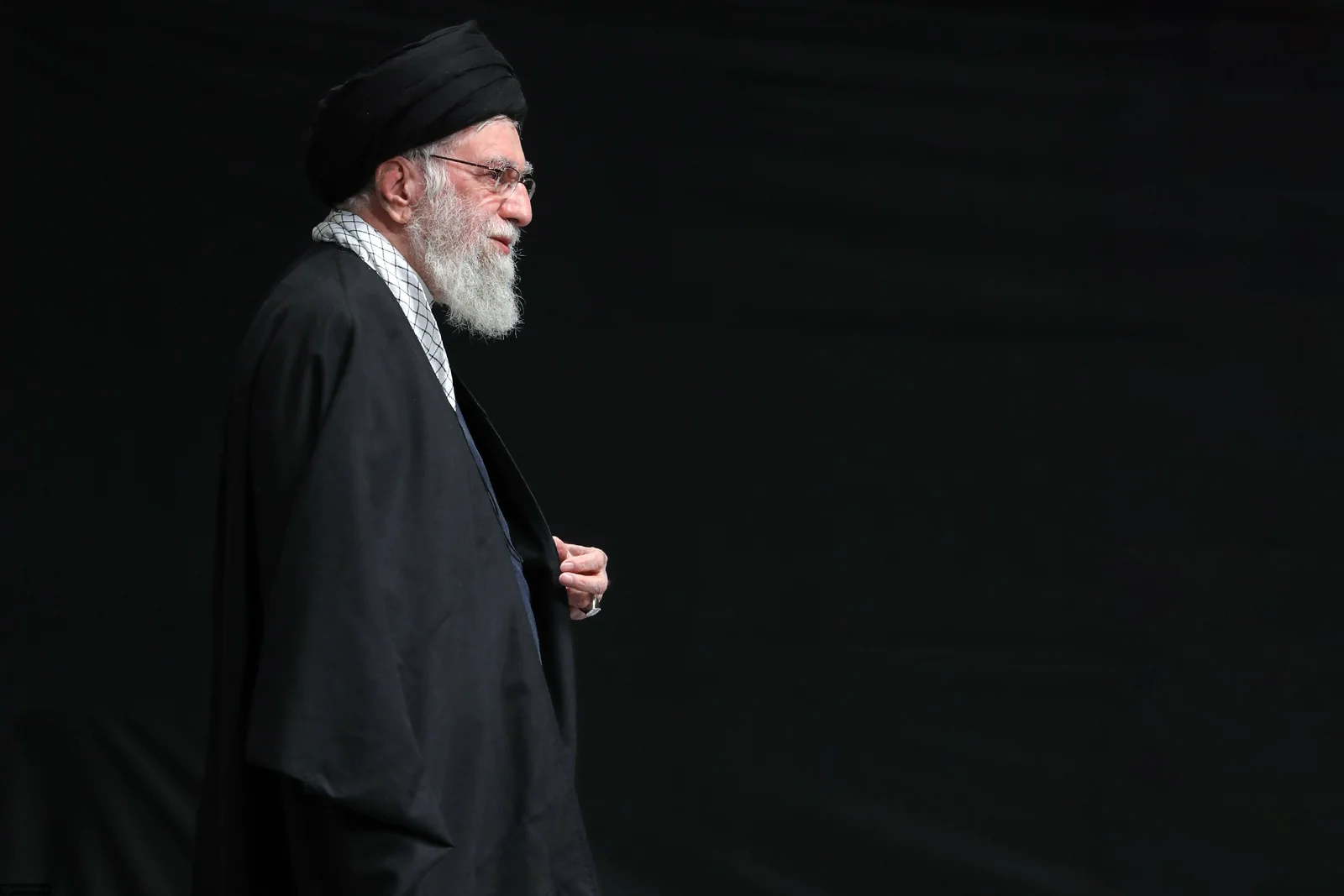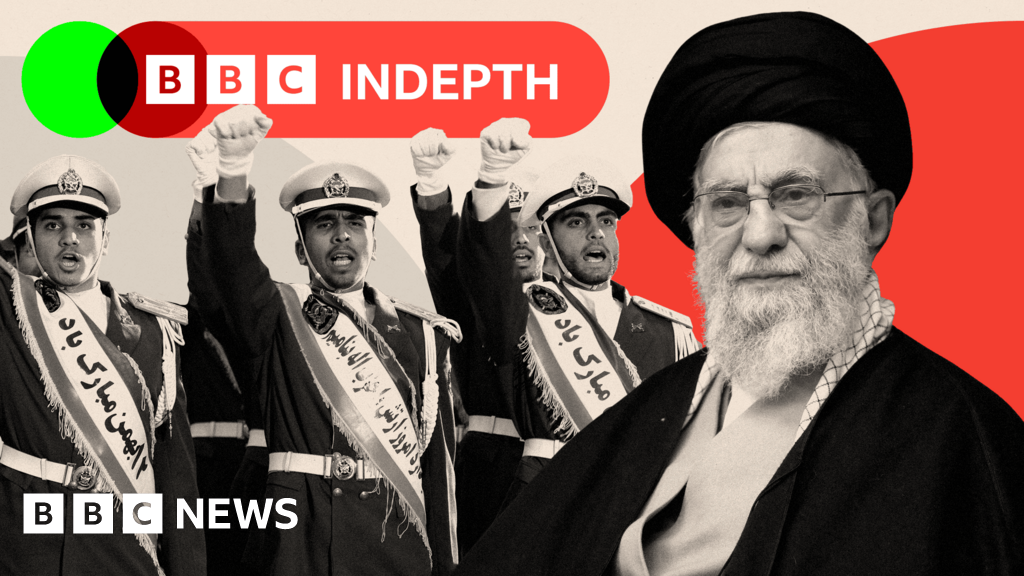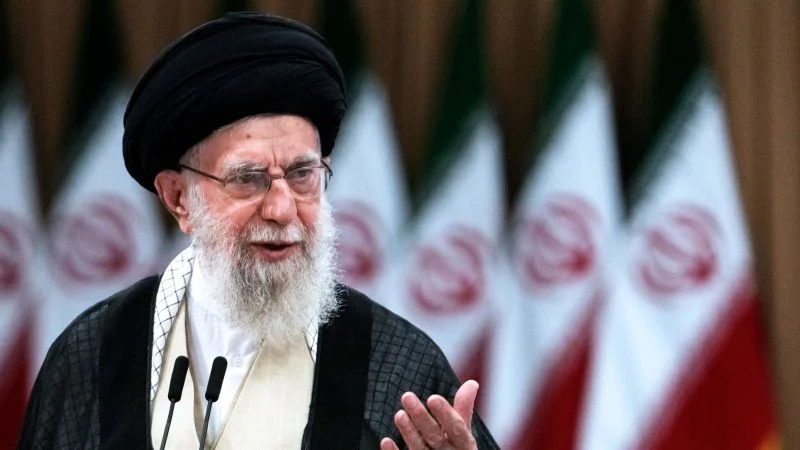
Iran's 86-year-old Supreme Leader Ayatollah Ali Khamenei's political influence is waning after a brief conflict with Israel, raising questions about his potential successor and the future leadership of Iran.
Following Iran's recent war with Israel, Ayatollah Khamenei, the Supreme Leader, is expected to emerge from hiding into a weakened and changed Iran, facing internal dissent, military setbacks, and a potential shift in regime stability, with many Iranians hoping for a future beyond the current regime but wary of foreign-led regime change.
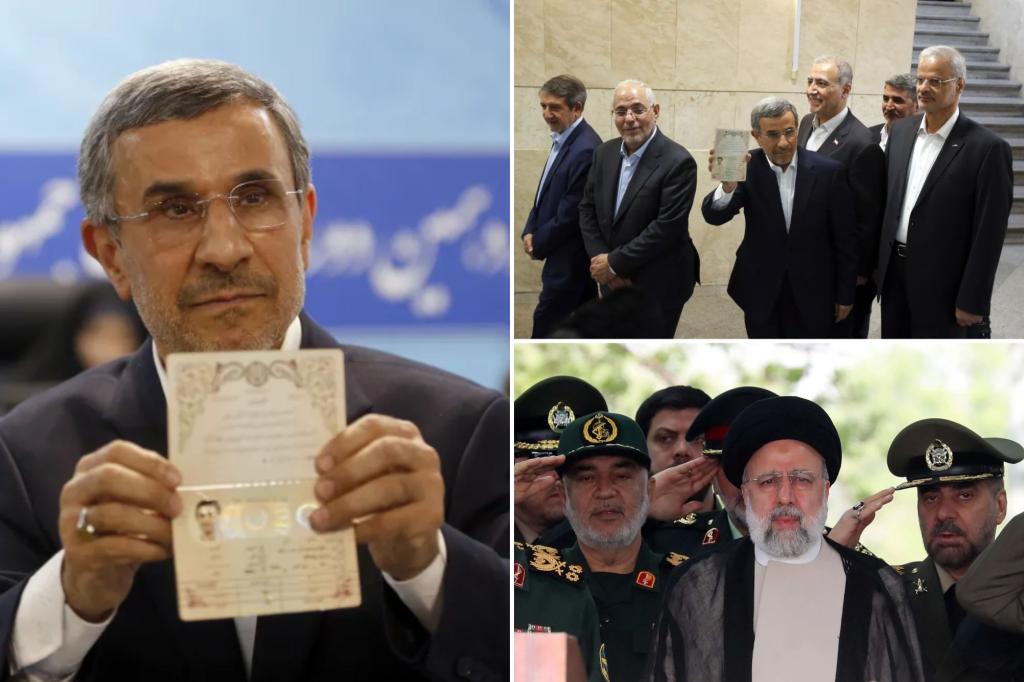
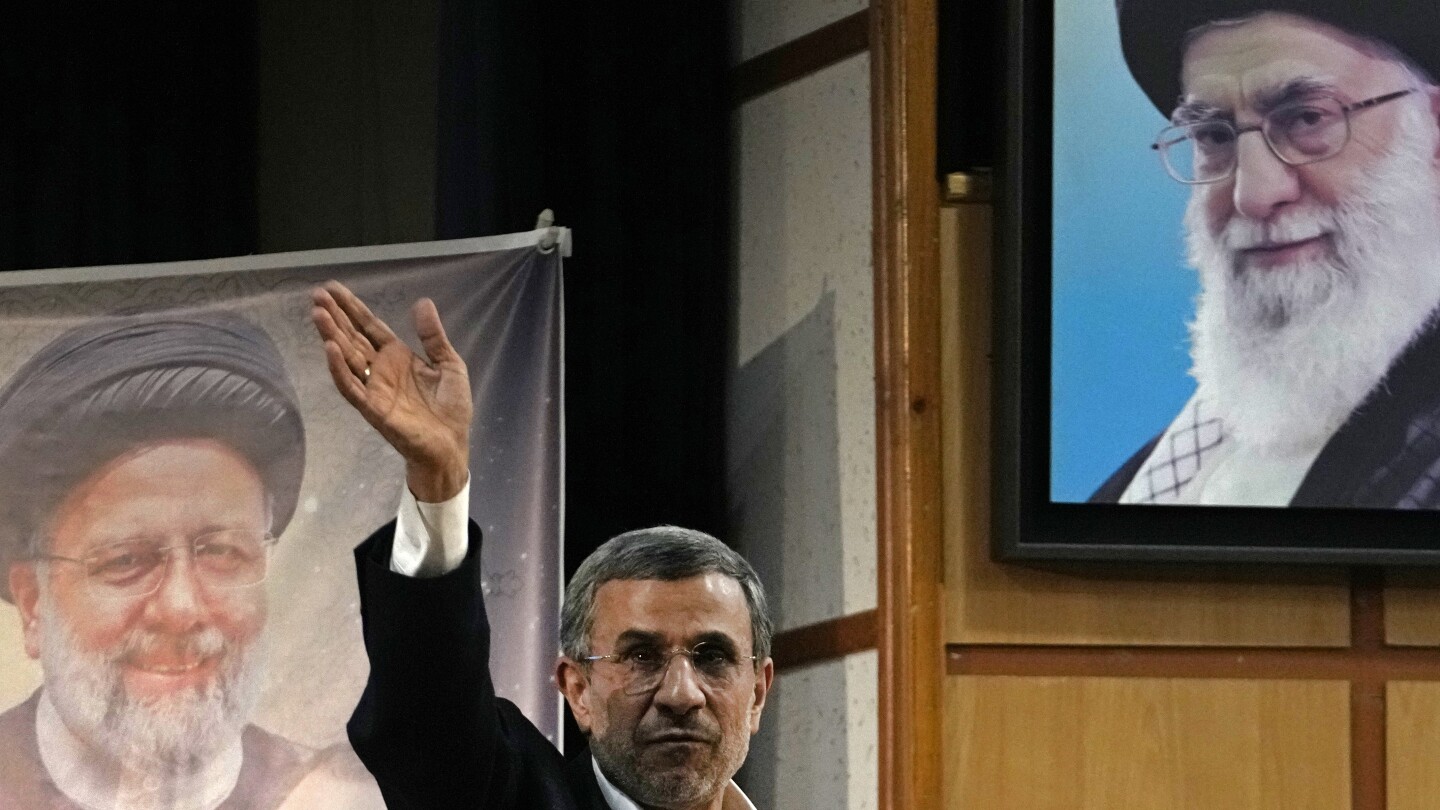
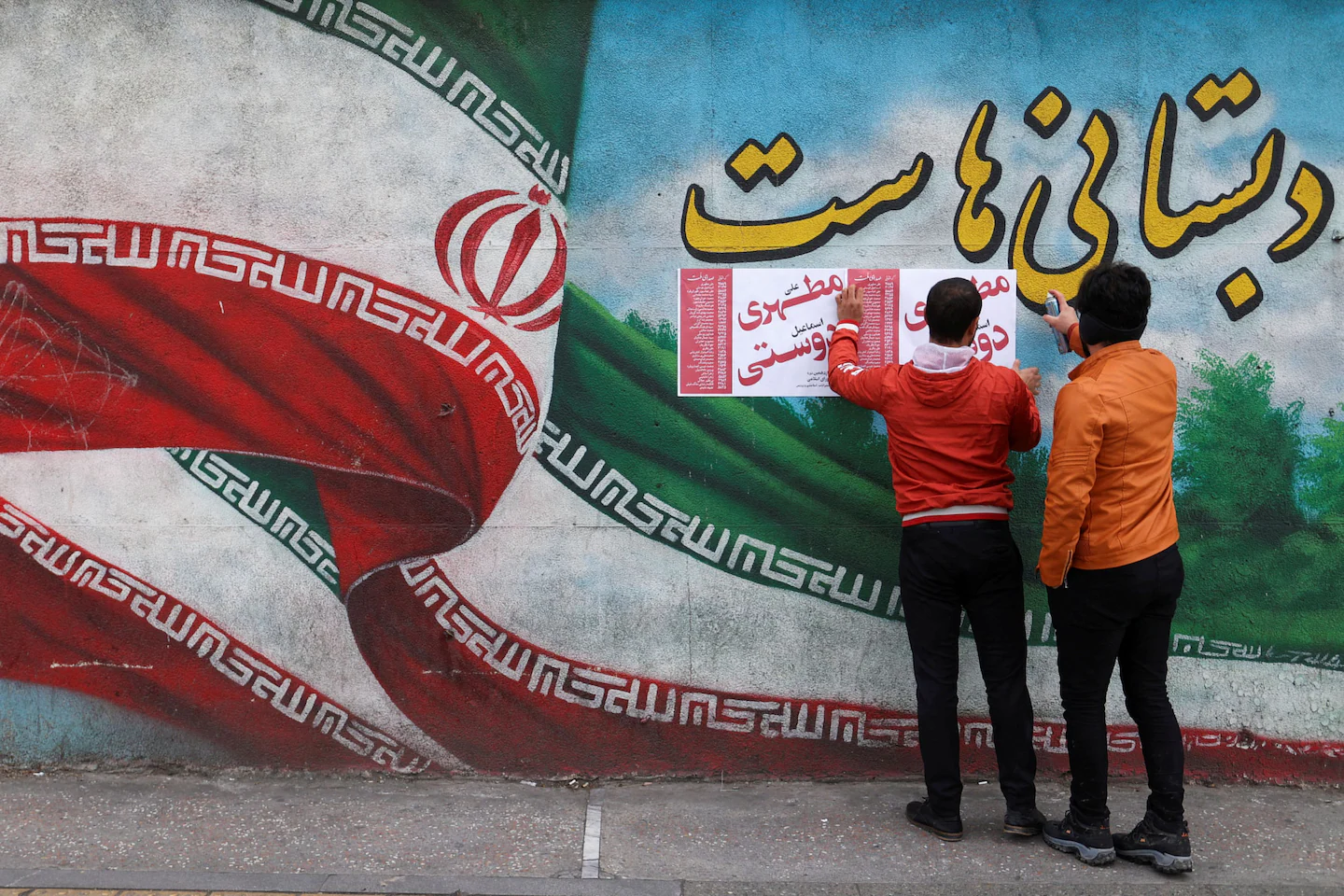
Former Iranian President Mahmoud Ahmadinejad has registered as a candidate for the upcoming presidential election following the death of President Ebrahim Raisi in a helicopter crash. Ahmadinejad's candidacy puts pressure on Supreme Leader Ayatollah Ali Khamenei, as Ahmadinejad previously challenged his authority. The election, scheduled for June 28, has seen other notable registrations, but it remains uncertain who will be allowed to run. Ahmadinejad, a polarizing figure, remains popular among the poor despite his controversial past and allegations of corruption.
Former Iranian President Mahmoud Ahmadinejad has registered as a candidate for the upcoming presidential election, seeking to return to power after the death of President Ebrahim Raisi in a helicopter crash. Ahmadinejad's candidacy puts pressure on Supreme Leader Ayatollah Ali Khamenei, given their past conflicts. His return comes amid heightened tensions between Iran and the West over nuclear issues and regional conflicts. The Guardian Council will finalize the list of candidates within 10 days, and the election is set for June 28.
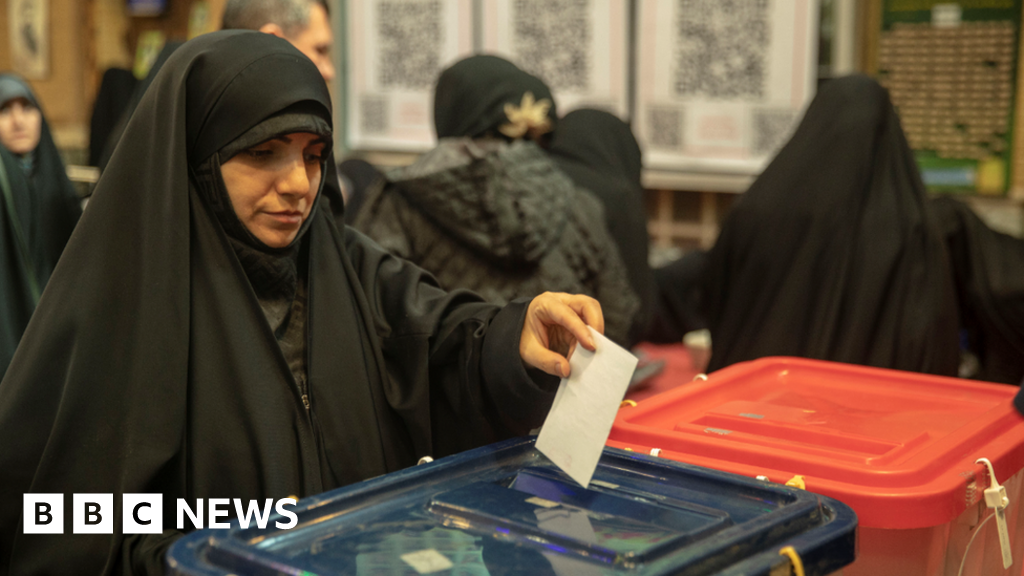
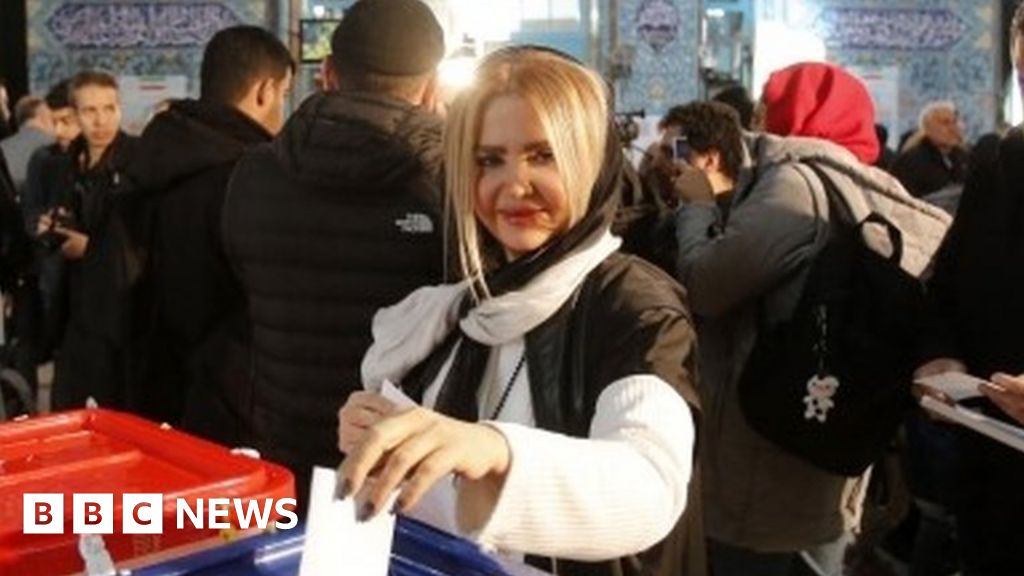
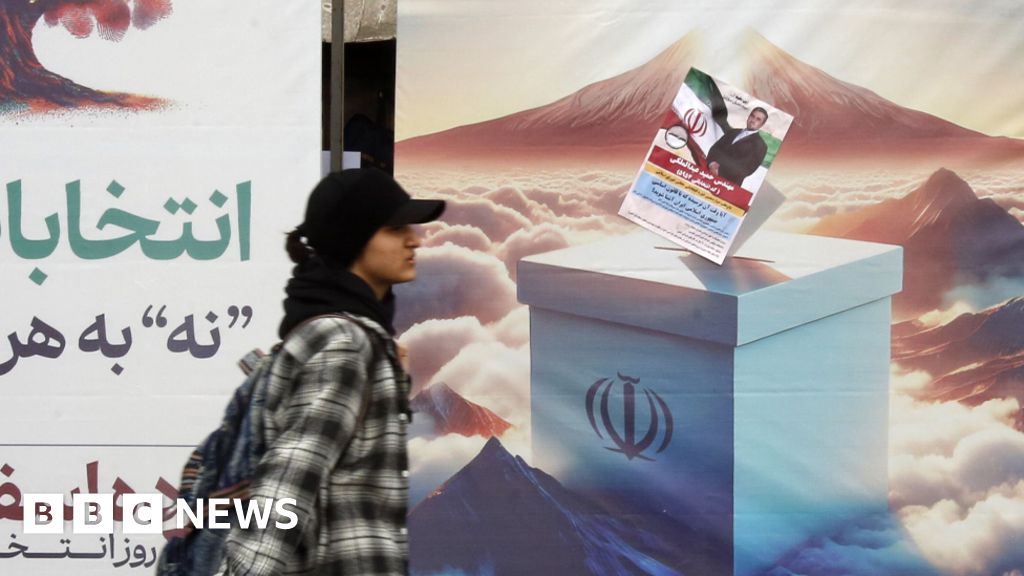
Iran has begun counting ballots for parliamentary and clerical body elections amid reports of the lowest turnout since the 1979 Islamic revolution. The elections, following widespread protests triggered by the death of Mahsa Amini, were seen as a crucial test of national support for Iran's leadership. Despite Supreme Leader Ayatollah Ali Khamenei's appeal, many Iranians were split on whether to participate, with early polling suggesting a potential record low turnout, particularly in Tehran.
People in Iran are voting in elections for a new parliament amid low expected turnout and a boycott by reformist politicians. The election is seen as a test of opinion following protests against the hardline Islamic regime. Supreme Leader Ayatollah Ali Khamenei urged citizens to vote, warning of threats from Iran's enemies if they fail to do so. Some voters see the election as a way to strengthen Iran against US and Israeli influence, while others view not voting as a way to show dissatisfaction with the authorities. Voting has been extended past the original deadline.
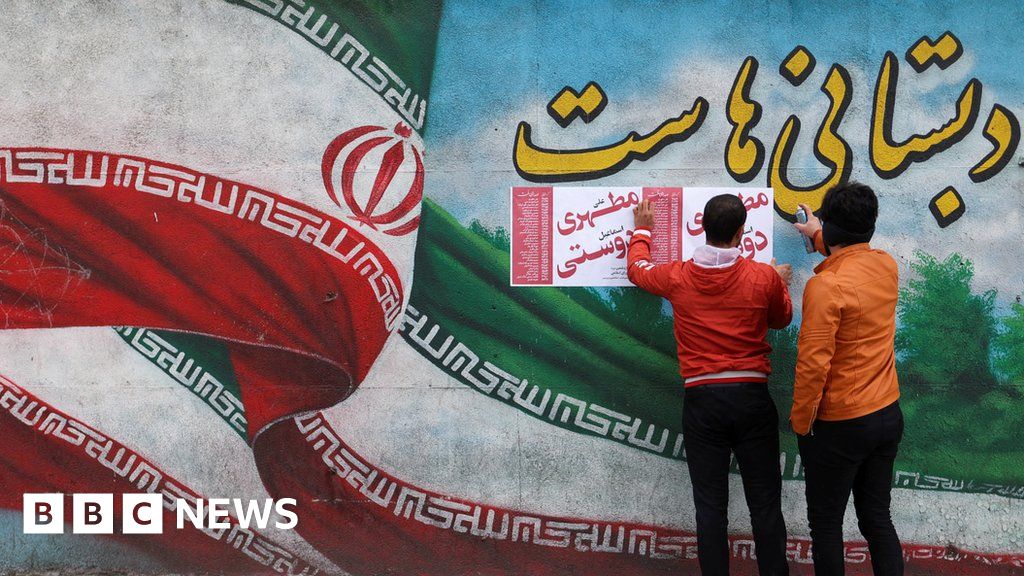
Iran holds its first elections since the 2022 anti-government protests, with low turnout expected due to voter apathy following a period of unrest. The elections will select members of parliament and the Assembly of Experts, which oversees the supreme leader. Many Iranians are dissatisfied with the government's repressive measures and lack of political competition, with only 30 reformist candidates approved out of 15,200. The US has criticized the elections as undemocratic and non-transparent, while the current supreme leader has urged voters to participate.
Iranians are preparing to vote in parliamentary elections amid widespread dissatisfaction and calls for a boycott from critics of the regime. The elections come at a critical time for the country, which is facing economic challenges, regional tensions, and fallout from mass protests. Many Iranians are reeling from a violent government crackdown on protests and economic hardship, leading to calls for a boycott. The elections will also determine the body that will choose Iran's next supreme leader, with concerns raised about the fairness of the process.
Iran is holding its first elections since the 2022 protests, with candidates needing approval from the Guardian Council, dominated by conservative parties. However, the elections are seen as non-competitive and ineffective due to disqualifications of reformist candidates, leading to low voter turnout. The Supreme Leader holds significant power over social and economic issues, and voter apathy is evident amid a repressive atmosphere following the 2022 protests and worsening economic conditions.
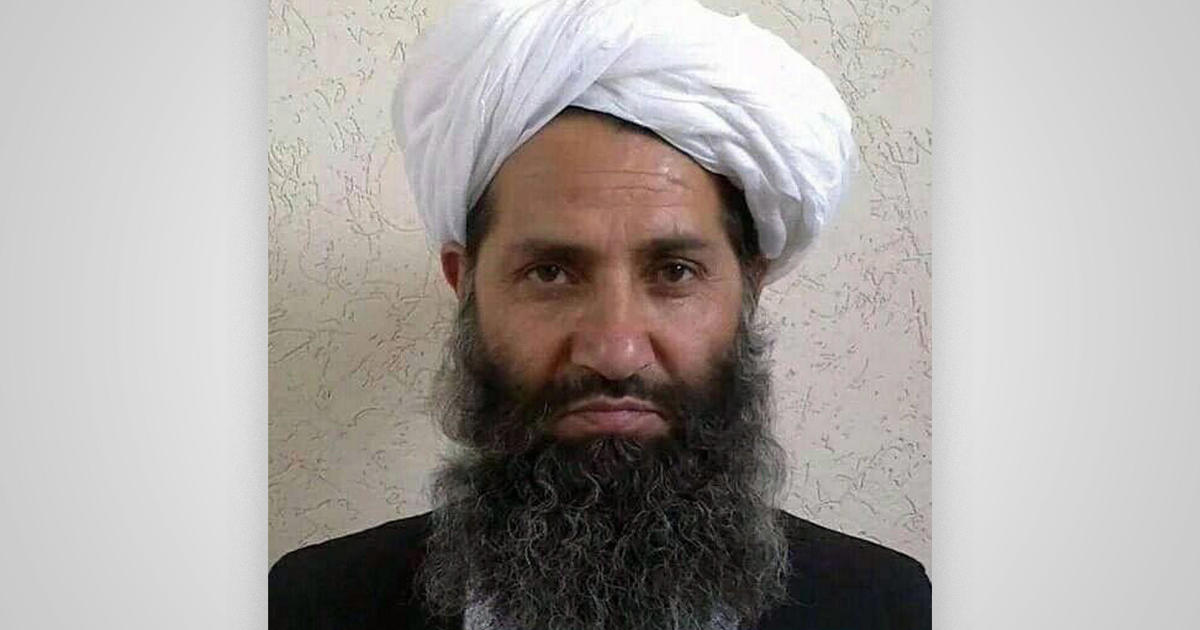
Two years since the Taliban regained control of Afghanistan, their supreme leader, Hibatullah Akhundzada, rules the country from the shadows. Hibatullah maintains anonymity and is rarely seen in public, even among his own ranks. He rules with an iron fist, implementing strict restrictions on women's rights and education. Despite criticism from some within the Taliban, Hibatullah is seen as the final authority and is surrounded by a loyal guard of suicide bombers.