Tag

Supersonic Flight

All articles tagged with #supersonic flight

science2 months ago

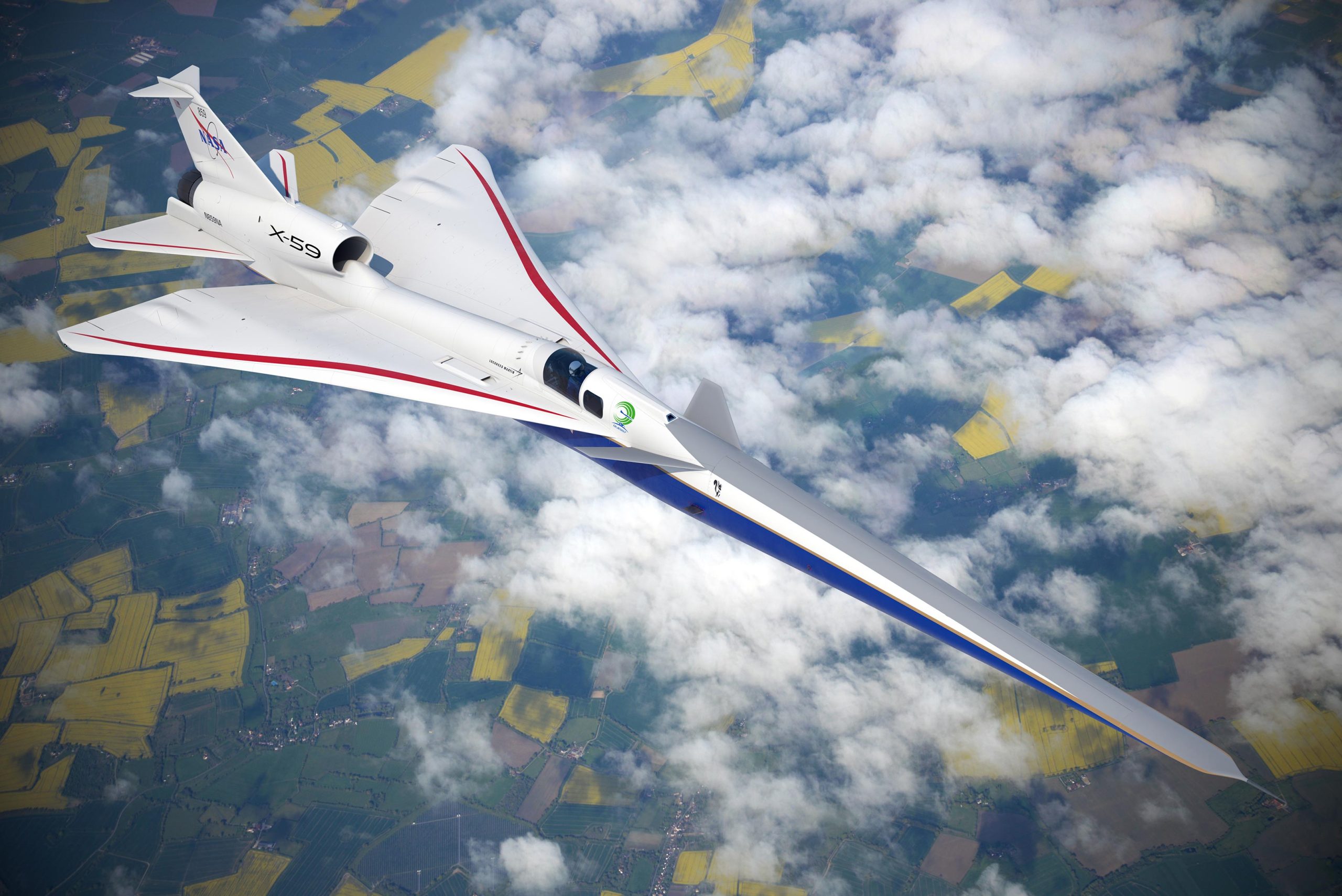
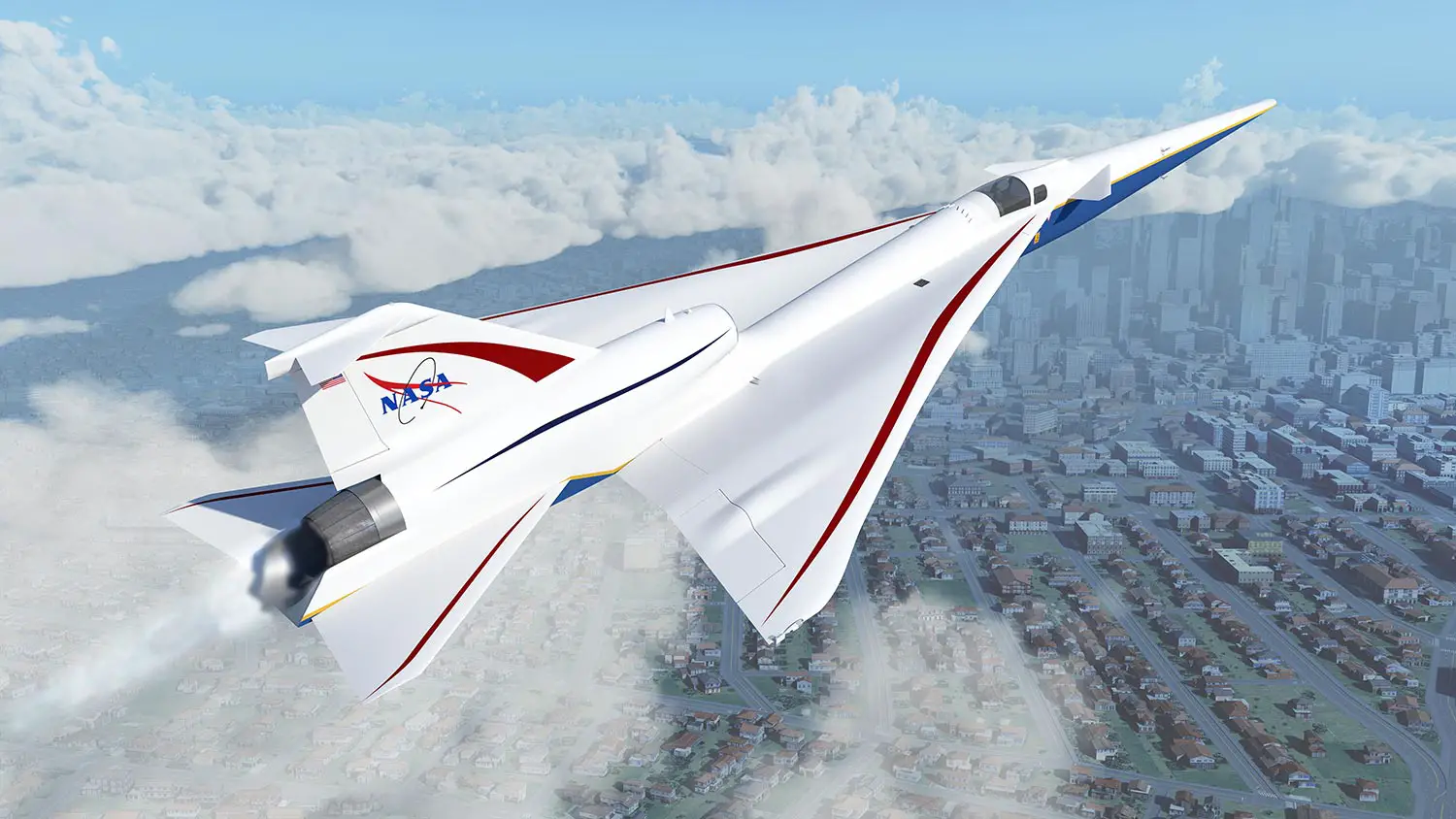
NASA's X-59 Supersonic Jet Achieves First Test Flight, Promising Faster Air Travel

This week in science: NASA's X-59 jet completes its first test flight aimed at reducing sonic booms, researchers reveal a quantum problem that even future quantum computers can't solve efficiently, and a team of physicists mathematically prove that our universe cannot be a computer simulation, addressing popular hypotheses about simulated realities.

technology7 months ago

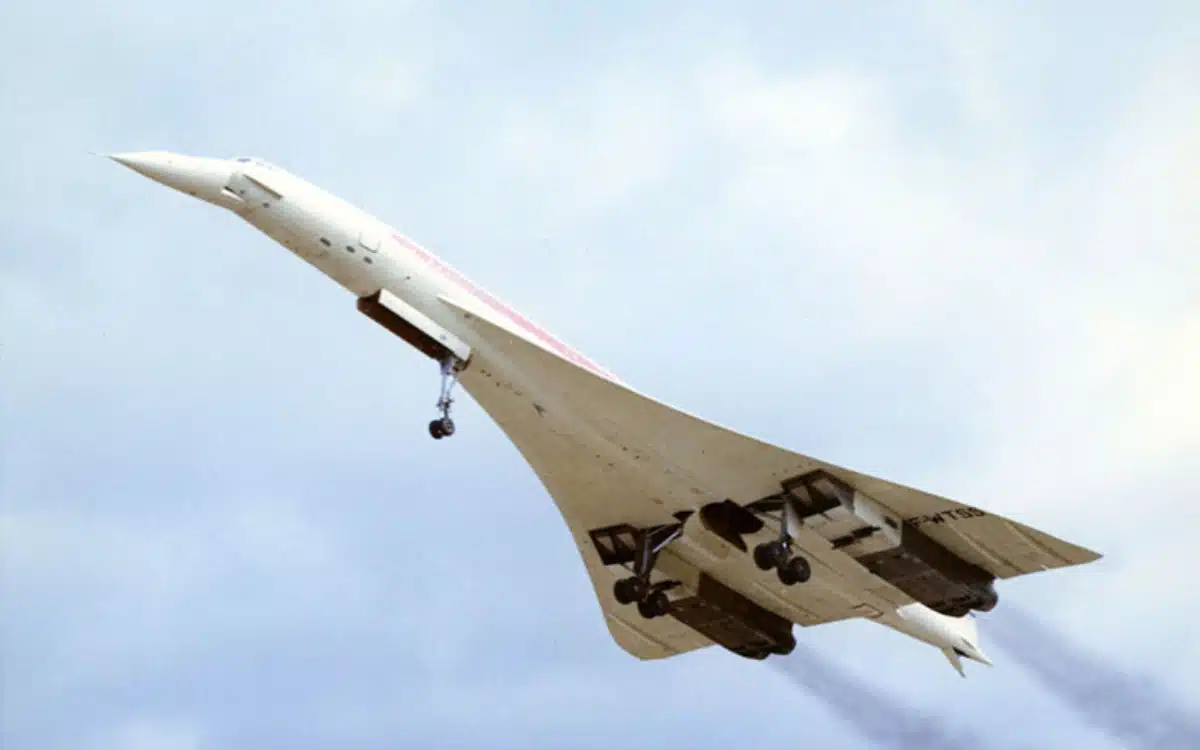
Trump Advances Next-Gen Aviation with Supersonic Flights, Drones, and Flying Cars

President Donald Trump signed an executive order to promote supersonic aviation in the U.S., removing regulatory barriers, establishing noise standards, and fostering international cooperation to reestablish American leadership in high-speed flight, while also advancing other technological innovations like AI and nuclear energy.

technology1 year ago

NASA's X-59 Quiet Supersonic Jet Nears First Test Flight

NASA's X-59 quiet supersonic aircraft project has reached a critical milestone with the completion of the Flight Readiness Review, allowing it to progress toward flight testing. The X-59, developed in collaboration with Lockheed Martin, aims to reduce the noise of sonic booms to a quieter "thump," potentially revolutionizing commercial air travel by enabling supersonic flight over land. The project will now move towards the Airworthiness and Flight Safety Review, with significant ground tests and systems integration ahead.

science-and-technology1 year ago

"Engaging Students in NASA's Quiet Supersonic Overflight Community"

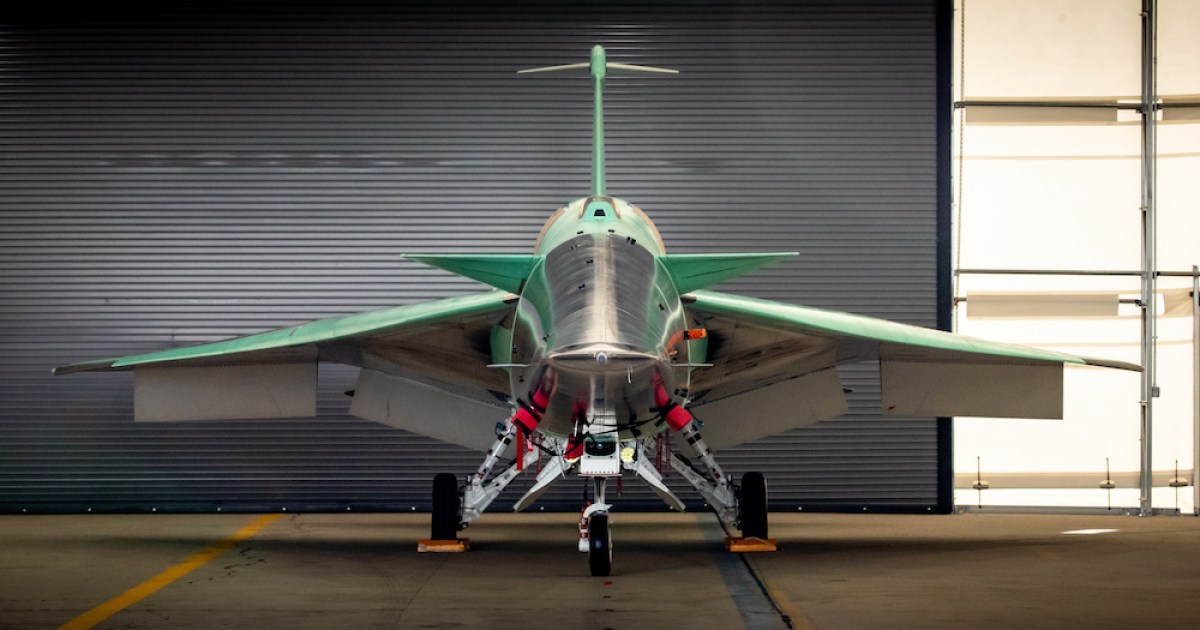
NASA has awarded grants to five universities to develop education plans for the community overflight phase of its Quesst mission, which aims to demonstrate supersonic flight without loud sonic booms. Each university will receive $40,000 to develop STEM engagement plans for engaging with students and educators in communities selected for overflights. The grants aim to ensure accurate community information and involvement in the mission. The X-59 experimental aircraft will fly faster than the speed of sound while producing only a quiet sonic "thump," and NASA will gather data about what people below hear during overflights.

aerospaceaviation2 years ago

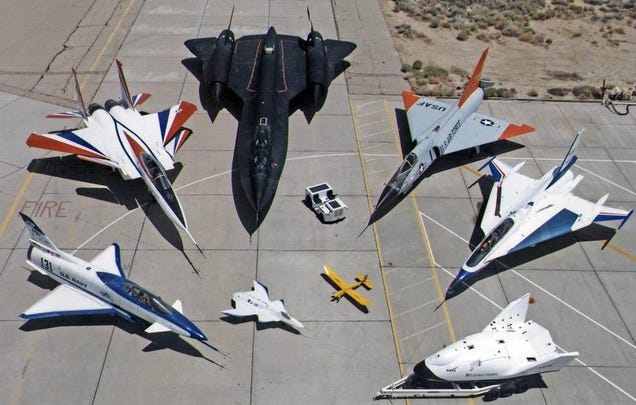
"Exploring the Bizarre World of X-Plane Designs"

This article highlights 12 of the weirdest X-plane designs, showcasing the innovative and unconventional aircraft developed by NASA and other organizations. From the Stiletto, a supersonic aircraft resembling a plague doctor's mask, to the X-57 Maxwell, NASA's first all-electric plane, these X-planes push the boundaries of flight. Other notable designs include the Bell X-5 with variable wing sweep, the Grumman X-29 with forward-swept wings, and the X-15, a rocket-powered plane that set records for speed and altitude. The article also mentions ongoing projects like the X-59 QueSST, a supersonic plane designed to fly without a sonic boom.

technology2 years ago

"NASA's Supersonic Jet Nears First Test Flight Milestone"

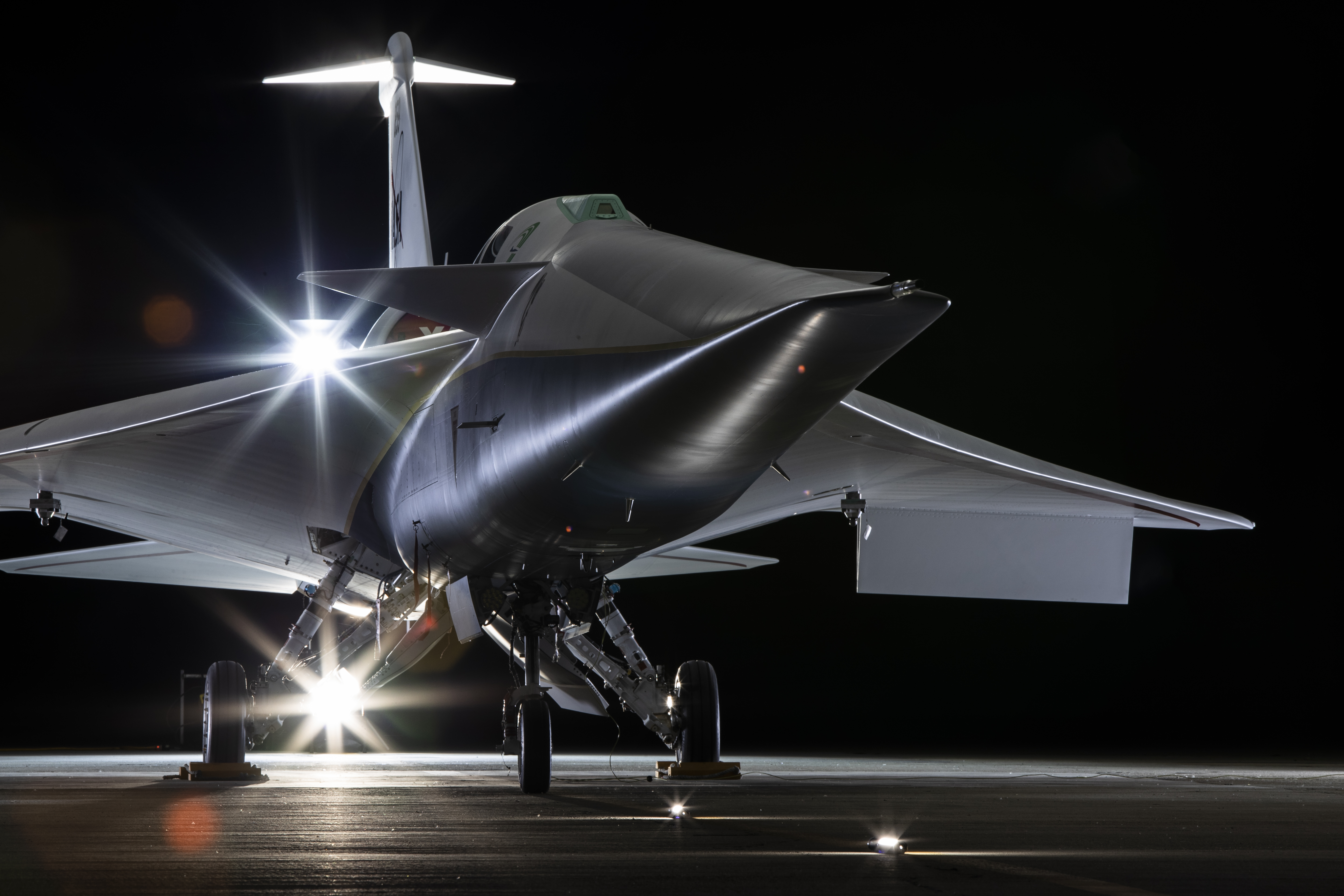
NASA's experimental X-59 Quiet SuperSonic Technology (QueSST) plane is preparing for its first test flight, aiming to reduce the loud sonic boom associated with breaking the sound barrier to a quieter "sonic thump." The successful implementation of this technology could lead to the lifting of regulations on supersonic passenger flights over land, potentially reducing flight times between destinations. The X-59 is designed to fly at a cruise speed of Mach 1.42, nearly double that of a conventional passenger jet, and could open up new and faster routes globally.

aerospace2 years ago

NASA's X-59 Supersonic Aircraft Receives Tail for Quesst Mission

NASA's X-59 Quiet SuperSonic Technology aircraft, designed to fly faster than the speed of sound without producing a loud, disruptive sonic boom, has undergone final installation of its lower empennage, or tail assembly. The X-59 will fly over communities around the United States to demonstrate this technology, but first, NASA will need to validate the X-plane’s acoustic signature, using a ground recording system. The Quesst mission has two goals: design and build NASA’s X-59 research aircraft with technology that reduces the loudness of a sonic boom to a gentle thump to people on the ground, and fly the X-59 over several U.S. communities to gather data on human responses to the sound generated during supersonic flight and deliver that data set to U.S. and international regulators.