In 2025, Warner Bros. led the box office with diverse hits, Disney achieved over $6 billion globally but faced failures, Marvel struggled with its franchise, and Paramount underperformed. A24 and Universal had mixed results, with Warner Bros. making a notable comeback. Overall, family films, video game adaptations, and original ideas shaped the year's cinema landscape.
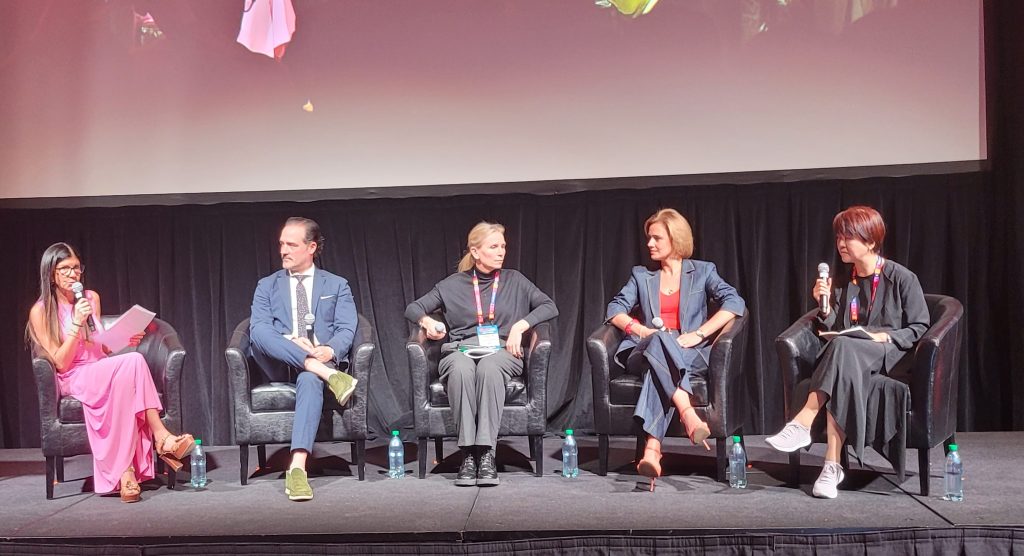
At CinemaCon, industry executives discussed the need for collaboration between studios and theater chains to revitalize moviegoing post-pandemic, emphasizing the importance of sharing information and creating unique theatrical experiences. Suggestions included employing knowledgeable ushers, innovative tie-ins, and leveraging data to tailor marketing campaigns. While some markets have seen encouraging rebounds, there is a call for more focus on the international box office and a need for a consistent flow of local films to support global audiences' return to theaters.
Embracer Group has sold Saber Interactive to Beacon Interactive for $247 million, with the potential for the price to increase. The deal will also result in Embracer ceasing operations in Russia and retaining some studios and IPs. The sale includes an option for Beacon to acquire 4A Games and Zen Studios, potentially raising the purchase price to around $500 million. The transaction includes 38 projects in development and safeguards the livelihoods of hundreds of professionals, marking the first step in Embracer's recovery plan.
A report from Griffin Gaming Partners reveals that 95 percent of video game studios are either developing or maintaining live service games, with 66 percent of developers agreeing that live services are crucial for long-term success. The report also highlights the contrasting production processes between traditional games and live service games, with the latter requiring constant planning and adjustments to enhance player experience. Live service developers express a preference for faster content releases, with ideal production schedules being weekly to biweekly for live ops cadences and biweekly to monthly for game content updates.
Amazon is laying off hundreds of employees in its Prime Video and studios business, including the MGM unit it acquired last year, as part of a broader round of job cuts that also includes 500 layoffs at Twitch.
Nintendo is reportedly in talks with three studios to work on its IP, seeking new partners and studios as the next generation of Nintendo hardware approaches. The company is known for collaborating with third-party teams and is now looking to expand its roster, with some of the best exclusives during the Switch generation being developed by external studios. While details about the studios involved are scarce, the move suggests an exciting future for Nintendo's IP and potential collaborations.
Lionsgate has announced plans to spin off its studios business in a Special Purpose Acquisition Company (SPAC) deal, creating a separately traded public company with a $4.6 billion enterprise value. The studio business, including Lionsgate's TV production and Motion Picture Group divisions, will be combined with Screaming Eagle Acquisition Corp., led by SPAC sponsor Eagle Equity Partners. The newly merged entity, Lionsgate Studios Corp., will have a vast library of movies and television franchises as its biggest asset. The media networks business, which includes Starz and its 28 million global subscribers, will remain in the existing publicly traded company. The move aims to value the Starz and studio assets separately and allow for a potential full-spinoff in the future.
Sony-owned studios were reportedly pressured to make staff cuts due to rising development costs, as revealed by data stolen from Spider-Man 2 developer Insomniac. This sheds light on the challenges faced by triple-A game development. Additionally, the creator of Five Nights at Freddy's has pulled an official Roblox game based on the indie horror hit, citing its release as a major mistake.
Studios are hesitant to market movie musicals explicitly as such, fearing that the term "musical" may turn off audiences. The success of films like Frozen, which became known for its songs after release, has led studios to downplay the musical elements in marketing campaigns. Despite recent disappointments like West Side Story and In the Heights, Hollywood remains committed to the genre, with upcoming projects like The Color Purple and the two-part Wicked movie.
Studios, including Netflix, NBCUniversal, Warner Bros. Discovery, and Disney, have congratulated SAG-AFTRA on ratifying its new contract, which received 78.33% of the yes votes. The studios expressed their support for the historic gains and protections for performers, stating that the industry and the jobs it supports can now return in full force.
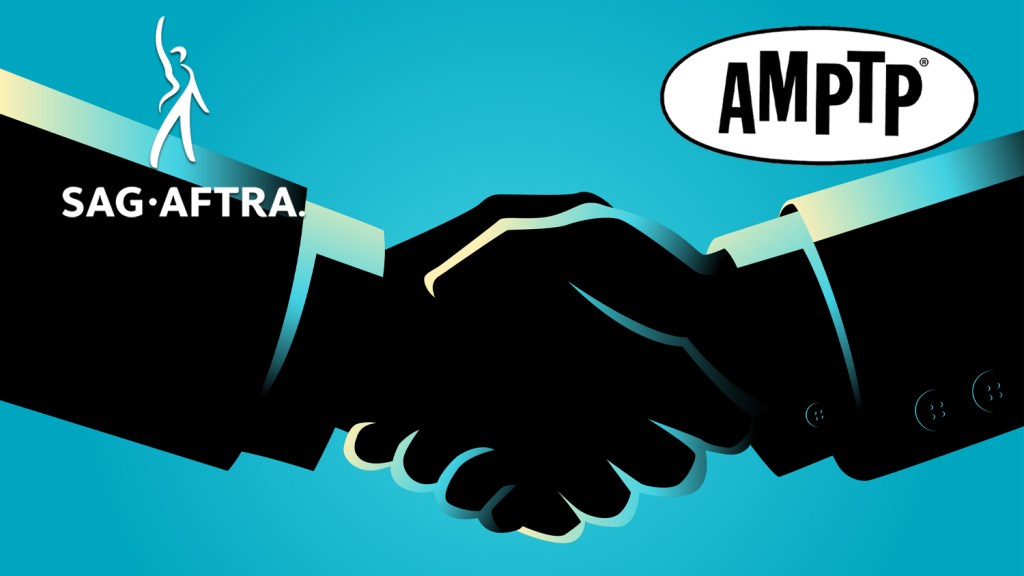
SAG-AFTRA, the actors' guild, has ratified a new TV and film contract with the studios, following a strike that lasted 118 days. The agreement, which received a 78.33% approval from members, includes gains of over $1 billion and protections around the use of artificial intelligence technology. The contract also strengthens benefit plans and aims for equitable treatment of all members. Despite some dissent among members, SAG-AFTRA leadership believes that the gains made in this contract lay the groundwork for a better industry.
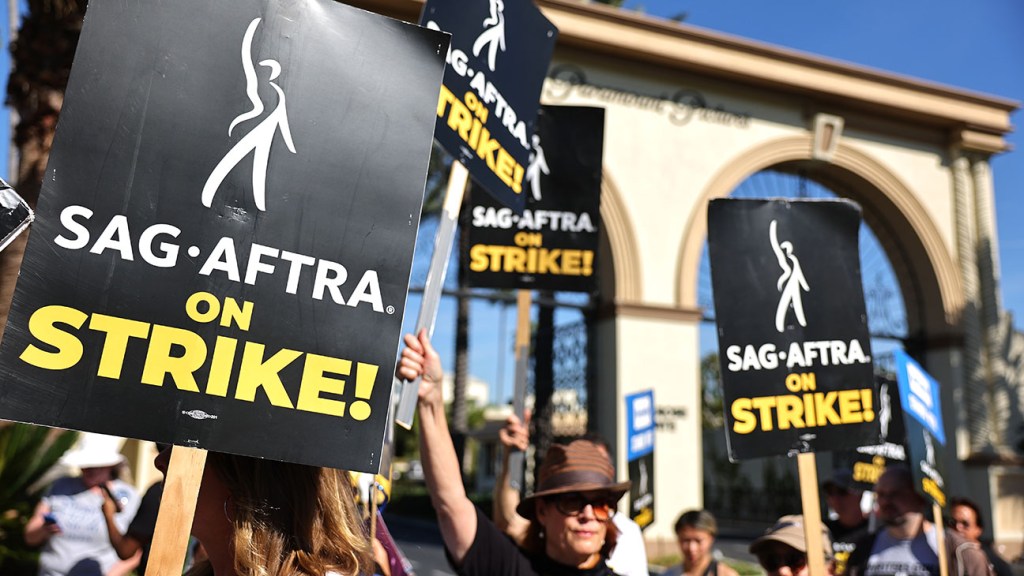
SAG-AFTRA has released the full text of the tentative agreement reached with studios, ending their four-month-long strike. The 129-page Memorandum of Agreement (MOA) is available for members to review during the ratification voting period, which runs until December 5. The agreement is valued at over one billion dollars and includes new compensation and benefit plan funding. It establishes AI guardrails, hair and makeup equity, increased background coverage, streaming residuals, and a streaming success fund. Some members have criticized the deal, leading to the release of the full document.
The tentative deal between SAG-AFTRA and the studios includes provisions on artificial intelligence (AI), specifically regarding digital replicas of actors and "synthetic performers" created by AI tools. While the deal establishes protections and compensation for actors, concerns remain about the potential for studios to negotiate directly with performers for AI usage, bypassing the union. The agreement also allows studios to use actors' performances as training data for AI systems. Critics argue that the deal may not fully protect actors' rights and could normalize the use of AI in contravention of the agreement's intentions.
SAG-AFTRA has released more details of the "landmark" deal reached with studios, valued at over $1 billion in new wages and benefit plan funding. The agreement includes wage increases, casting guidelines, relocation allowances, and increased contributions to health and pension funds. It also establishes a new compensation stream for performers working in streaming, with a bonus based on viewership requirements. The agreement will be sent to eligible members on November 13, with ratification voting starting on November 14.
The SAG-AFTRA negotiating committee is discussing the studios' latest offer, potentially leading to a final union-side vote on the deal. The committee is voting on the shape of the final package to be sent to the Alliance of Motion Picture and Television Producers (AMPTP) for approval. Sources indicate optimism that the deal could be reached and voted on unanimously by the negotiating committee. However, the deal still needs to be approved by the union's national board and ratified by its membership.