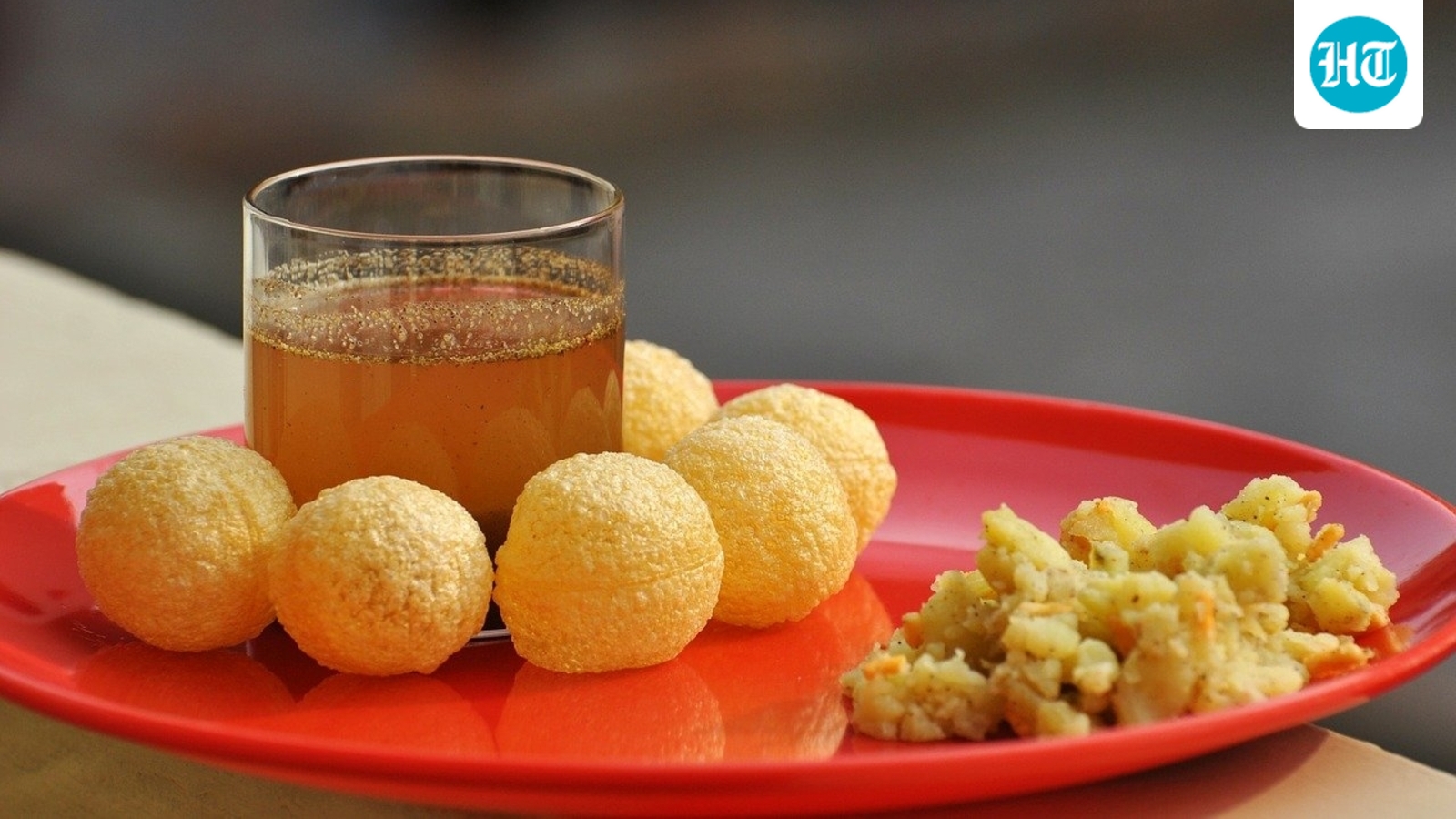
AIIMS-trained neurologist Dr. Priyanka Sehrawat warns that consuming gol gappa from unhygienic sources can lead to serious infections like Hepatitis A, especially in children, and advises caution and awareness of symptoms such as jaundice and fever. She emphasizes the importance of food safety and hygiene, particularly during outdoor gatherings, to prevent health risks associated with contaminated street food.

A Brooklyn restaurant, Guisa’o, is at the center of an illegal food vending operation involving migrant workers who sell meals prepared in its unsanitary kitchen on New York City streets. The operation, which involves up to 50 migrants cooking in a violation-riddled kitchen, has raised health and safety concerns. Local businesses are affected by the unregulated competition, and despite increased enforcement against illegal vendors, the issue persists. The restaurant has a history of health violations and is linked to a shell corporation, complicating accountability.
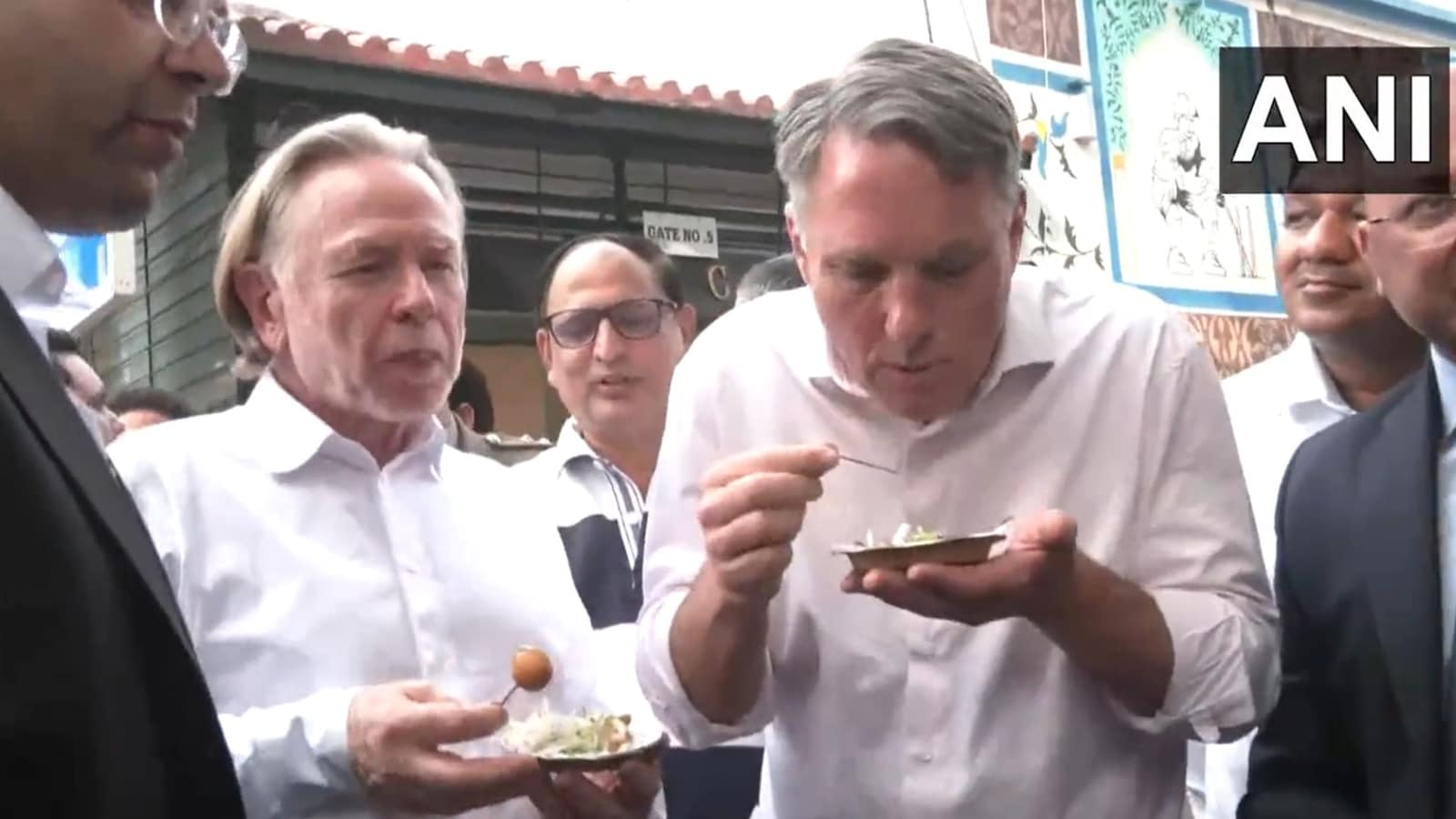
Australian Deputy Prime Minister Richard Marles enjoyed street food in Delhi, including nimbu pani and ram laddu. He paid for the drinks through UPI and also played gully cricket with young players. Videos of him relishing the local delicacies have gained significant traction on social media.
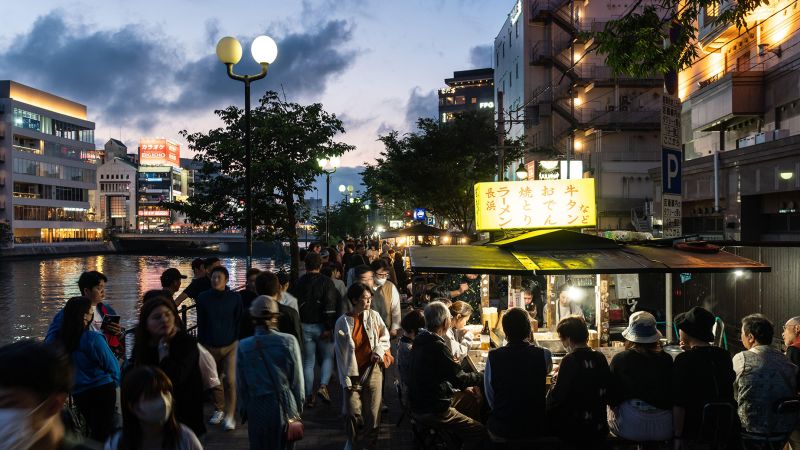
Fukuoka, Japan's sixth-largest city, is known for its vibrant street food scene dominated by yatais, open-air food stalls that operate at night and must be dismantled by morning. Fukuoka's mayor, Sōichirō Takashima, implemented regulations to ensure the safety and quality of yatais while preserving their charm. The cleanup led to a new generation of yatai operators experimenting with new flavors and styles. These food carts, along with their unique designs, have become a popular attraction for locals and tourists alike, offering a sense of surprise and camaraderie in the bustling city.
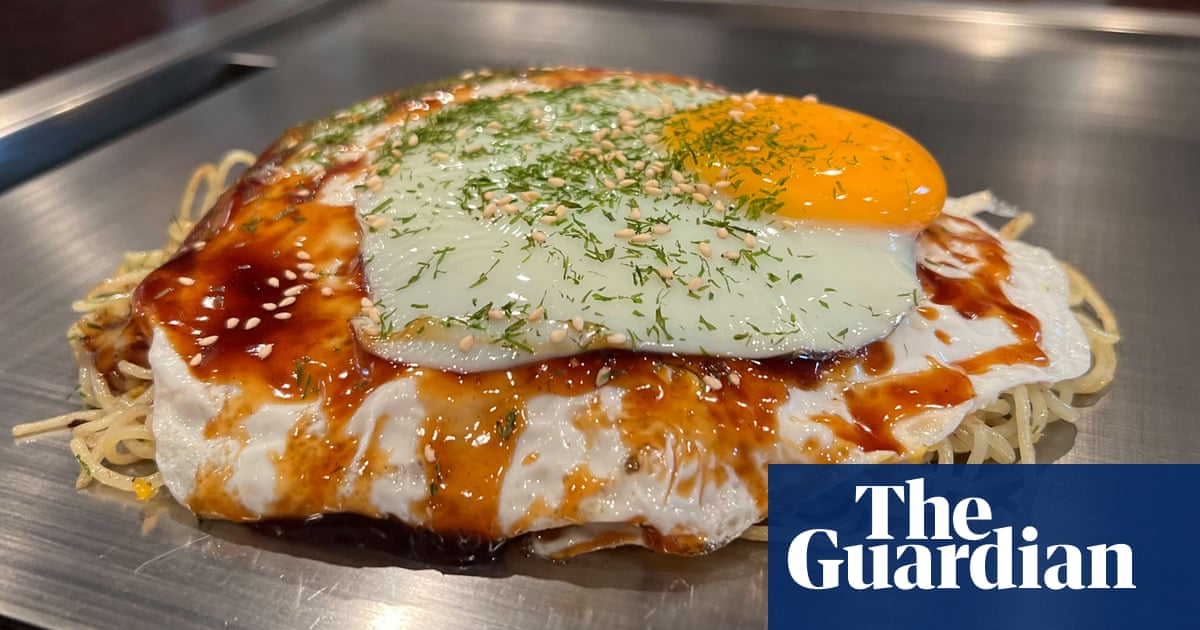
Japanese Prime Minister Fumio Kishida is expected to serve okonomiyaki, a carb-heavy street food that helped rebuild Hiroshima after the US atomic bomb, to his G7 counterparts. The dish is typically made with batter, shredded cabbage, fried noodles, and pork, seasoned with sweet sauce, mayonnaise, and dried aonori seaweed. Restaurants in Hiroshima are promoting the city's signature dish, with variations reflecting the food culture of the G7 countries. Okonomiyaki evolved from a simple pancake to a satisfying dish with the addition of pork, cabbage, eggs, and yakisoba noodles.