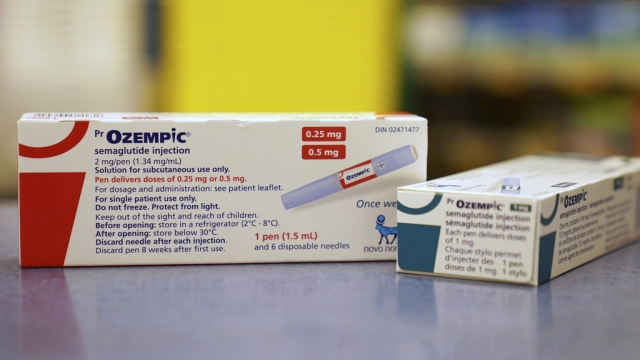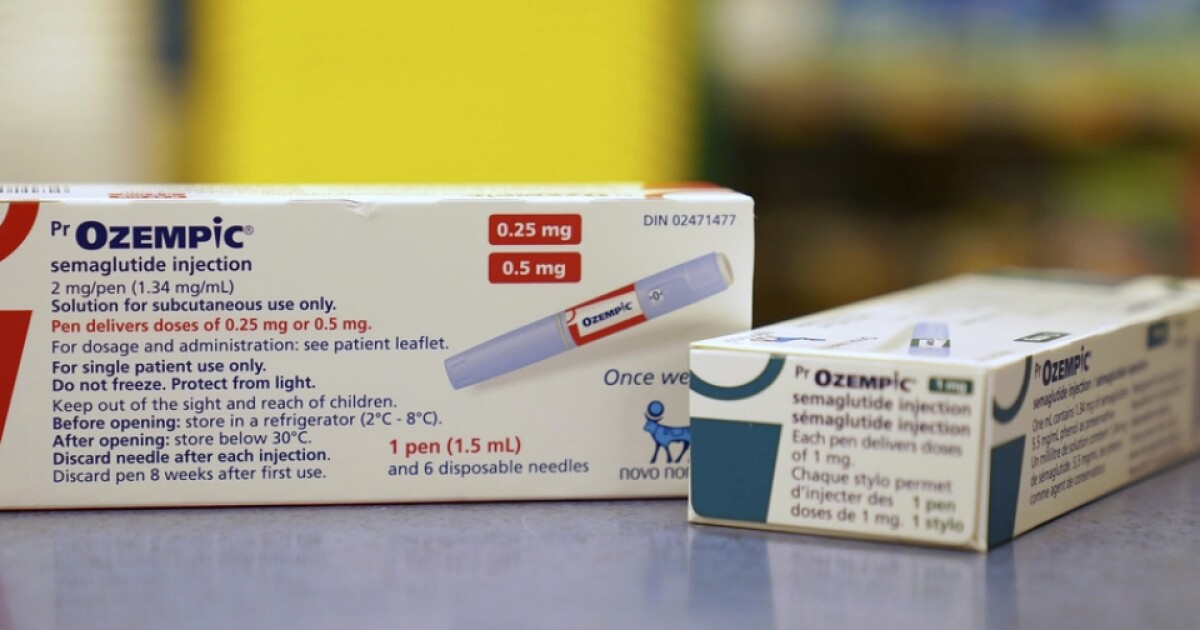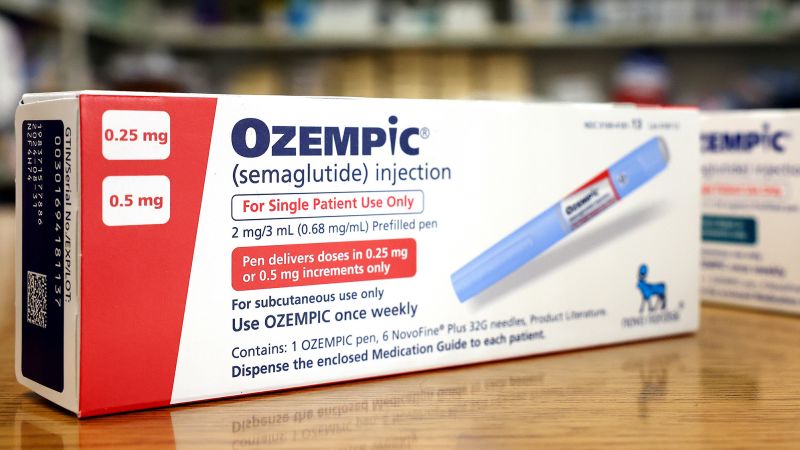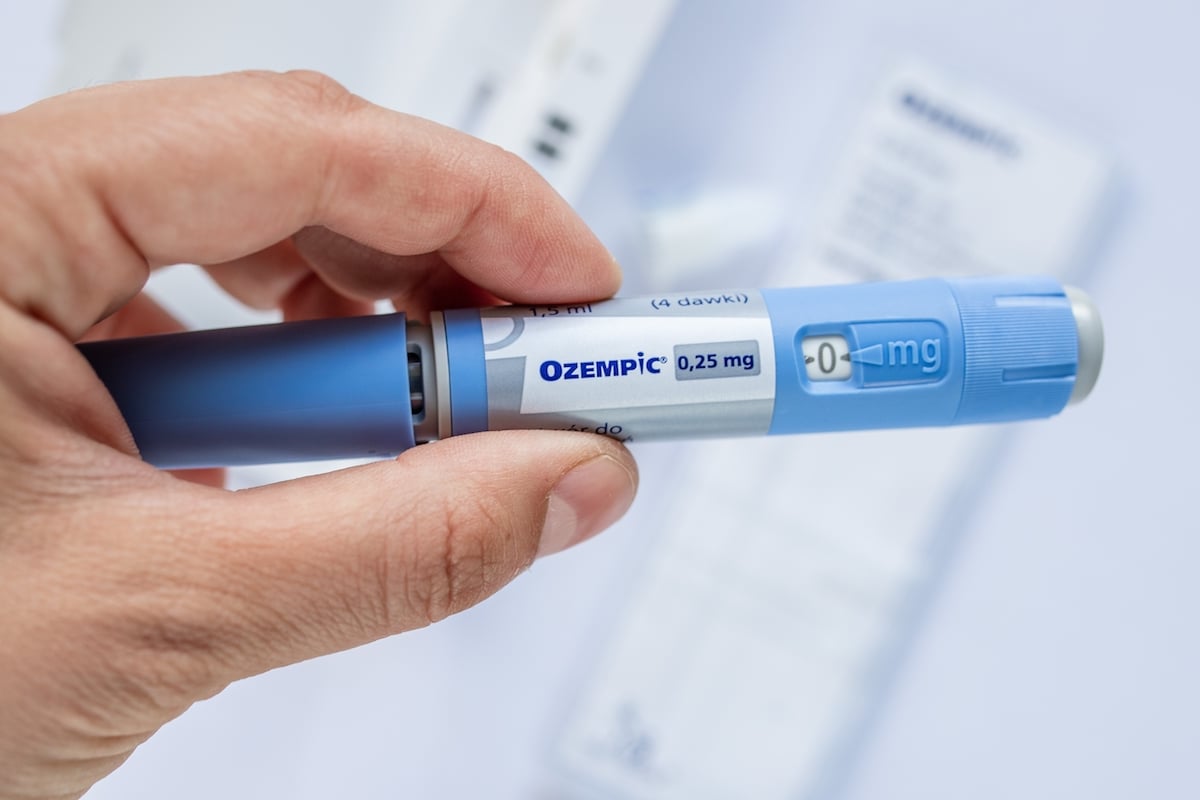
New research from the University of British Columbia has found a link between the use of GLP-1 agonists, such as Ozempic and Wegovy, and an increased risk of stomach paralysis, pancreatitis, and bowel obstruction. GLP-1 agonists are a class of drugs commonly used for weight loss. Previous studies have also shown potential side effects of these medications, including nausea, vomiting, diarrhea, and headache. The recent research analyzed health insurance claim records of over 16 million people in the United States and found that those who took GLP-1 agonists had a significantly higher risk of developing gastrointestinal conditions compared to those who took a different weight loss medication. Experts emphasize the importance of informed patient consent and further research to fully understand the risks associated with these medications.

New research from the University of British Columbia has found a link between the use of GLP-1 agonists, such as Ozempic and Wegovy, and an increased risk of stomach paralysis, pancreatitis, and bowel obstruction. GLP-1 agonists, commonly used to manage type 2 diabetes, have gained attention for their potential in weight loss. However, these medications also come with side effects, including nausea, vomiting, diarrhea, and headache. The study analyzed health insurance claim records of 16 million people in the US and found that those who took GLP-1 agonists had a higher risk of developing pancreatitis, bowel obstruction, and gastroparesis compared to those who took a different weight loss medication. It is important for patients to be fully informed about the potential adverse events associated with GLP-1 agonists.
A large-scale study published in JAMA has found that weight loss drugs like Ozempic and Wegovy may increase the risk of stomach paralysis and other serious gastrointestinal conditions. The study examined the adverse effects of GLP-1 receptor agonists, including Ozempic, Wegovy, Rybelsus, and Saxenda, in non-diabetic patients using the drugs for weight loss. The drugs were linked to a higher risk of stomach paralysis, pancreatitis, and bowel obstruction. The researchers recommend updating warning labels and urge patients to consider the risks before using these medications.
A large-scale study published in JAMA has found that weight loss drugs like Wegovy and Ozempic, which belong to the class of GLP-1 receptor agonists, may increase the risk of stomach paralysis (gastroparesis) and other serious gastrointestinal conditions. The study analyzed health insurance claim records of approximately 16 million non-diabetic patients prescribed these drugs over a 14-year period. The researchers found that those taking GLP-1 agonists were more likely to develop stomach paralysis, pancreatitis, and bowel obstruction compared to those taking another weight loss drug. The study highlights the need for updated warning labels and informed decision-making by patients considering the use of these medications.
A study from the University of British Columbia has found that weight-loss drugs known as GLP-1 agonists, including popular brands like Wegovy and Saxenda, are associated with increased risks of stomach paralysis, pancreatitis, and bowel obstruction. While these drugs were initially prescribed for managing Type 2 diabetes, they have gained popularity for weight management. The study compared GLP-1 agonists to a drug used for chronic obesity and found significantly higher risks for the former. Although these adverse events are rare, the widespread use of these drugs could potentially lead to hundreds of thousands of people experiencing these conditions. The FDA has recently added warning labels to Ozempic and Wegovy regarding the risk of intestinal blockage.
A study from the University of British Columbia has found that weight-loss drugs known as GLP-1 agonists, including popular brands like Wegovy and Saxenda, are associated with increased risks of stomach paralysis, pancreatitis, and bowel obstruction. While these drugs were initially prescribed for managing Type 2 diabetes, they have gained popularity for weight management. The study revealed that users of GLP-1 agonists face significantly higher risks of these adverse events compared to those using bupropion-naltrexone, a drug for chronic obesity. Although these incidents are rare, the widespread use of these drugs could potentially lead to hundreds of thousands of people experiencing these conditions.
Popular weight loss drugs, including Wegovy, Ozempic, Saxenda, and Victoza, may be linked to serious digestive problems such as stomach paralysis, pancreatitis, and bowel obstructions, according to a new study. While the risks of these events happening to individual patients appear to be rare, the high demand for these drugs may result in hundreds of thousands of new cases. The study found that people taking Ozempic and Saxenda were more likely to develop serious stomach and intestinal problems compared to those taking Contrave. The study authors suggest updating the warning labels for these drugs to include the risk of gastroparesis and hope their findings will help patients make more informed decisions.
A new study published in JAMA suggests that weight loss drugs like Wegovy and Ozempic, known as GLP-1s, may be associated with an increased risk of rare but severe stomach conditions in non-diabetic patients. The study found that GLP-1s were linked to stomach paralysis, bowel obstruction, and pancreatitis. Researchers analyzed health insurance claim records for approximately 16 million U.S. patients and found that GLP-1s were associated with a higher risk of these conditions compared to other weight loss medications. The study aims to inform healthcare providers and patients about the potential drawbacks of taking GLP-1s for weight loss.
Users of weight loss injections Ozempic and Mounjaro are experiencing severe side effects, including stomach paralysis, leading to a lawsuit against the manufacturers for a "failure to warn" patients. However, a local doctor claims that gastrointestinal side effects are normal when taking these injections and are not backed by research. While severe cases of stomach paralysis have not been seen, the side effects can send someone to the hospital. The doctor recommends close monitoring by a healthcare professional and advises against ordering compounded versions online. The FDA has confirmed reports of stomach paralysis from GLP-1 medications but cannot determine if it is caused by the weight-loss drugs or another condition.
Reports have emerged of people experiencing stomach paralysis, a rare side effect, after using GLP-1 drugs such as Ozempic and Wegovy, which are commonly used to treat Type 2 diabetes and obesity. Stomach paralysis, also known as gastroparesis, occurs when the stomach takes too long to empty out, leading to the formation of bezoars and potential blockages in the intestine. Experts advise patients and clinicians to be aware of this side effect and its symptoms, including vomiting, nausea, bloating, and feeling full before they should. While severe stomach paralysis is still relatively rare, doctors recommend monitoring patients for any signs of stomach problems and considering alternative treatments for those with a history of gastrointestinal issues.
Patients taking the diabetes and obesity drugs Ozempic and Wegovy are reporting a new side effect: stomach paralysis, formally known as gastroparesis. These drugs, which mimic the GLP-1 hormone to slow digestion and promote weight loss, may be causing or exacerbating the condition. Patients have experienced symptoms such as cyclic vomiting syndrome and excessive vomiting, leading to dehydration. The U.S. Food and Drug Administration has received reports of stomach paralysis associated with semaglutide, the active ingredient in these drugs. The drugmaker, Novo Nordisk, acknowledges gastrointestinal side effects but emphasizes the importance of patient safety and recommends taking the medications under healthcare professional supervision. Other concerns include the need to stop taking GLP-1 antagonists before surgery and investigations into the drugs' potential impact on mental health.
A small group of patients, including Joanie Knight, have reported experiencing severe stomach paralysis symptoms after taking Ozempic, a drug containing semaglutide used to treat type 2 diabetes. Gastroparesis, or delayed stomach emptying, can cause symptoms such as violent vomiting, nausea, stomach pain, and bloating. While nausea and vomiting are common side effects of the drug, persistent vomiting is not normal. Experts believe that these cases may be rare and could be a result of the drug unmasking or worsening an existing "slow stomach." The FDA has received reports of gastroparesis with semaglutide and liraglutide, another GLP-1 agonist, but has been unable to determine whether the medications were the cause or if the gastroparesis may have been caused by a different issue.
Ozempic, a weight loss drug used to treat type 2 diabetes, is being linked to cases of gastroparesis, or stomach paralysis, causing severe symptoms such as violent vomiting, nausea, stomach pain, and bloating. Users have reported negative experiences, with some experiencing persistent vomiting and malnourishment. While cases are believed to be rare, experts are seeing an increase in gastroparesis among Ozempic users. The FDA has received reports of gastroparesis associated with the drug, but it is unclear if the medication is the direct cause. Novo Nordisk, the maker of Ozempic, acknowledges gastrointestinal side effects but states that they are typically mild to moderate and of short duration.
Doctors have reported cases of stomach paralysis in patients who took weight loss medications such as Ozempic and Wegovy, which contain the drug semaglutide. The FDA has received similar reports but has been unable to determine if the medications were the cause or if it may have been caused by another issue. The maker of these drugs, Novo Nordisk, claims they have been used safely for years to treat diabetes and obesity, with the majority of gastrointestinal side effects being mild to moderate and of short duration. Further research is needed to understand the potential link between these medications and stomach paralysis.